500 Best Plants for Gwinnett County | 2026 Guide - Page 14
Discover the 500 ideal plants for Gwinnett County's climate. Average temp: 17.1°C, Humidity: 70.4%.
Top 500 Plants for Gwinnett County
Showing 469-500 of 500
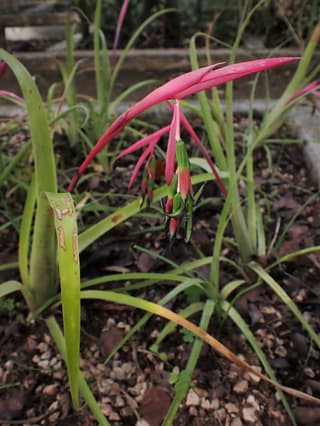
Queen's Tears
Billbergia nutans
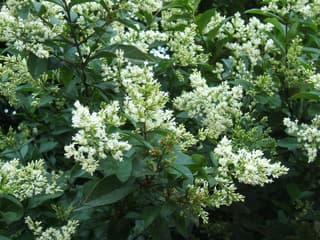
California Privet
Ligustrum ovalifolium
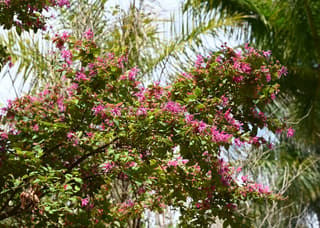
Chinese Fringe Flower
Loropetalum chinense
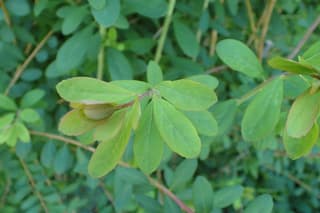
Japanese Spiraea
Spiraea japonica
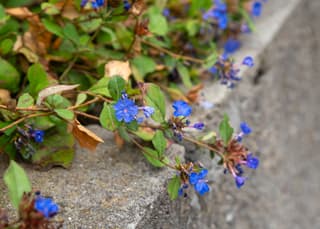
Hardy Plumbago
Ceratostigma plumbaginoides
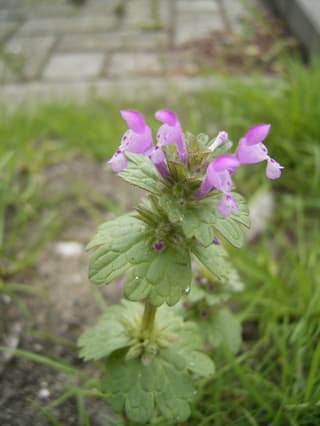
Henbit Dead-nettle
Lamium amplexicaule
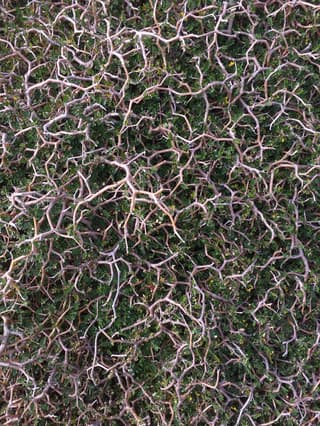
Dwarf Kowhai
Sophora prostrata
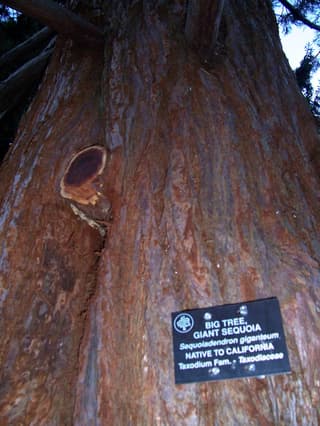
Giant Sequoia
Sequoiadendron giganteum
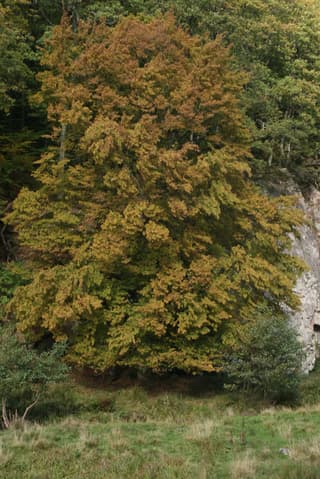
European Hornbeam
Carpinus betulus
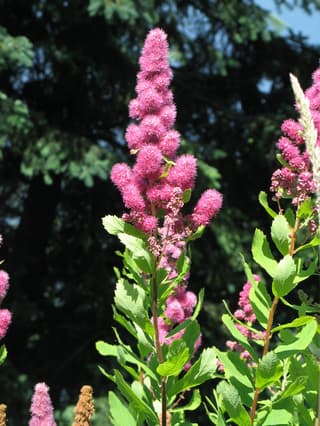
Douglas Spirea
Spiraea douglasii
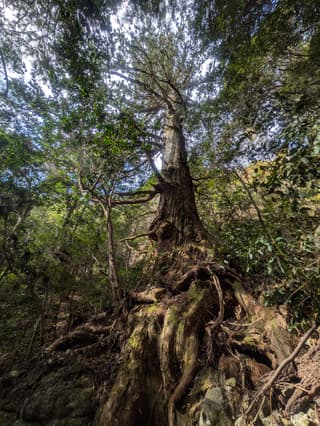
Japanese Cedar
Cryptomeria japonica
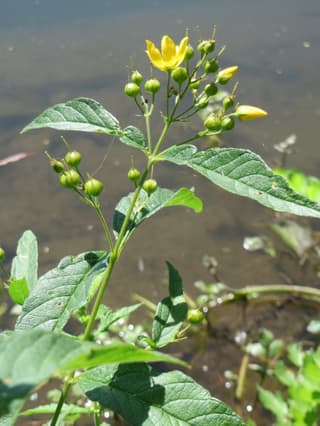
Loosestrife
Lysimachia
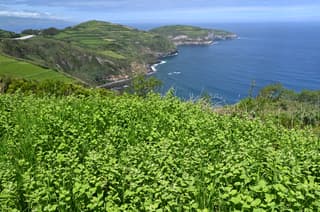
Pineapple Mint
Mentha suaveolens
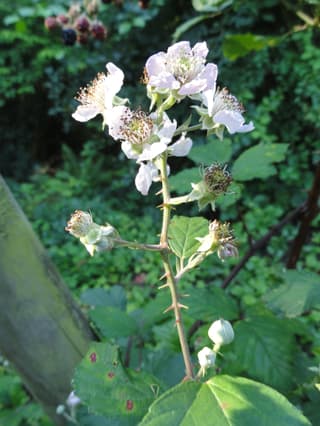
Himalayan Blackberry
Rubus bifrons
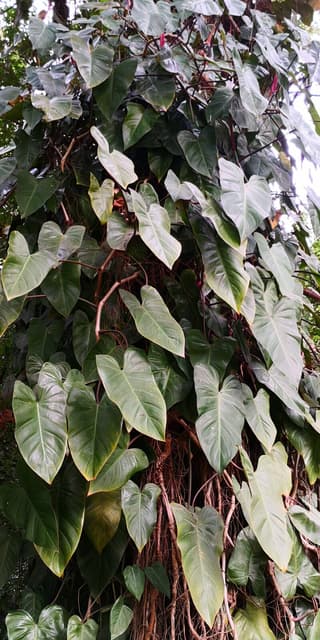
Imperial Green Philodendron
Philodendron 'Imperial Green'
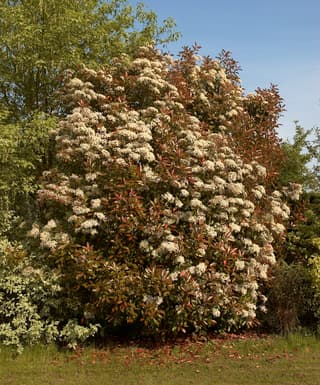
Red Tip Photinia
Photinia × fraseri
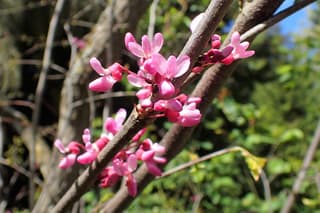
Chinese Redbud
Cercis chinensis
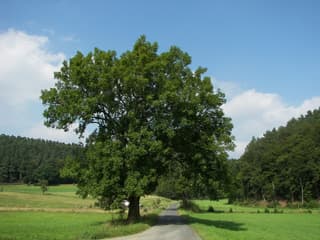
European Ash
Fraxinus excelsior
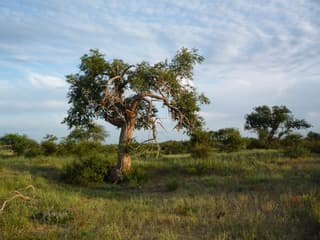
Siberian Elm
Ulmus pumila
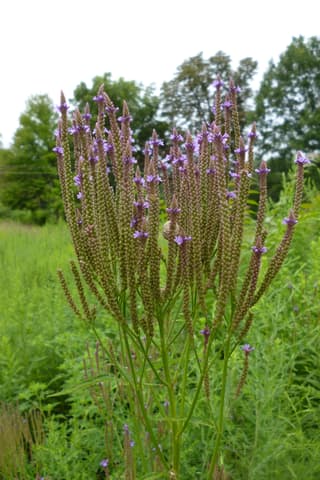
Blue Vervain
Verbena hastata
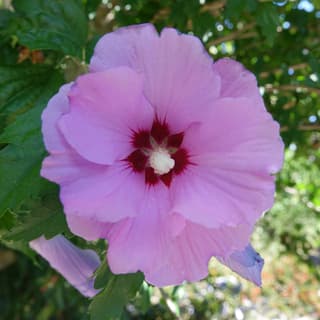
Rose of Sharon
Hibiscus syriacus
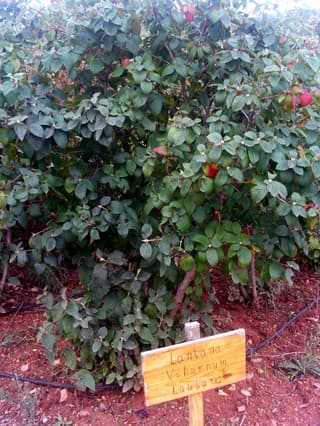
Wayfaring Tree
Viburnum lantana
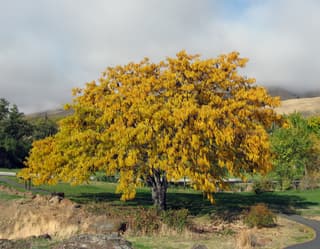
Honey Locust
Gleditsia triacanthos
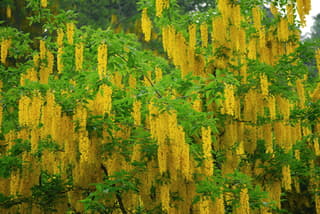
Scotch laburnum
Laburnum alpinum
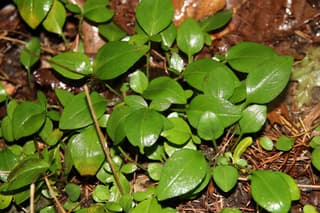
Shrubby St. John's Wort
Hypericum prolificum
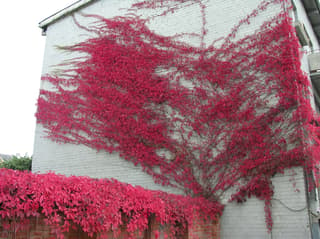
Woodbine
Parthenocissus
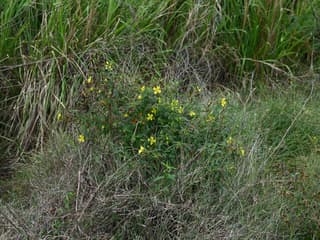
Mexican Primrose-Willow
Ludwigia octovalvis
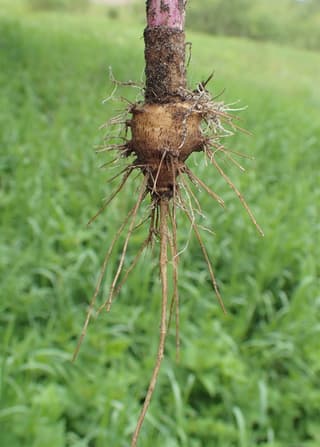
Bulbous Chervil
Chaerophyllum
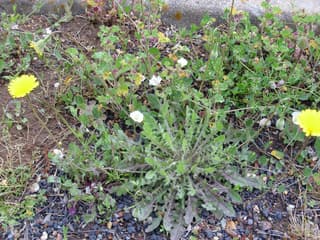
Rough Hawkbit
Leontodon hispidus
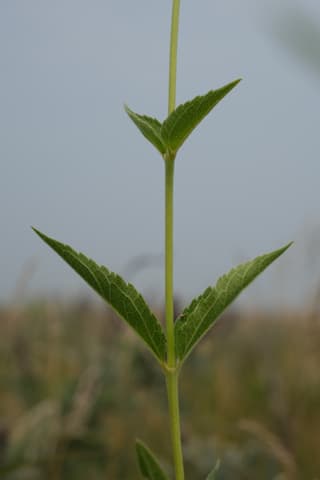
False Sunflower
Heliopsis helianthoides
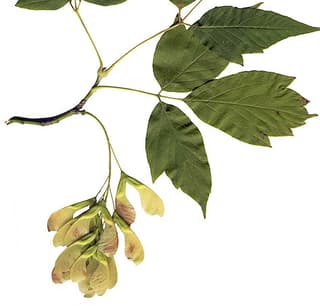
Boxelder
Acer negundo
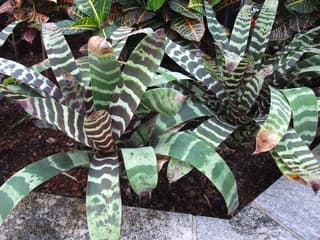
Flaming Sword
Lutheria splendens
Gwinnett County Climate for Plant Growing
Gwinnett County has a climate with an average annual temperature of 17.1°C and average relative humidity of 70.4%. These climate conditions are ideal for various species of ornamental and fruit plants.
Tips for Growing Plants in Gwinnett County
To succeed in growing plants in Gwinnett County, consider the average temperature of 17.1°C when choosing your species. Protect cold-sensitive plants during winter. High humidity favors tropical plants, but watch for fungal issues.
Why Choose Plants Adapted to the Local Climate?
Plants adapted to Gwinnett County's climate require less care, consume less water, and are more likely to thrive. Our selection considers the compatibility between each species' needs and local climate conditions, including temperature (17.1°C) and humidity (70.4%).