500 Best Pet Safe for Inhapim | 2026 Guide - Page 14
The 500 best pet safe to grow in Inhapim. Ideal climate: 22.9°C, 74.2% humidity.
500 Pet Safe for Inhapim
Showing 469-500 of 500
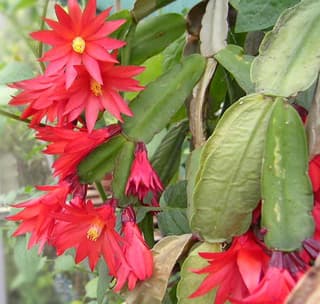
Easter Cactus
Hatiora gaertneri
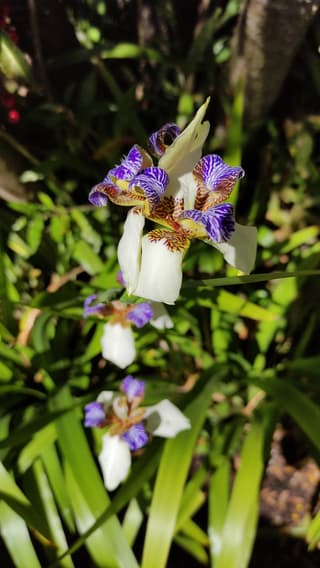
Yellow Walking Iris
Trimezia gracilis
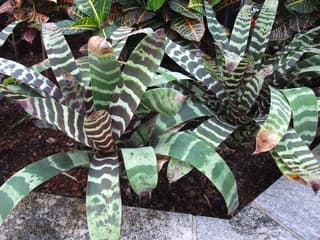
Flaming Sword
Lutheria splendens
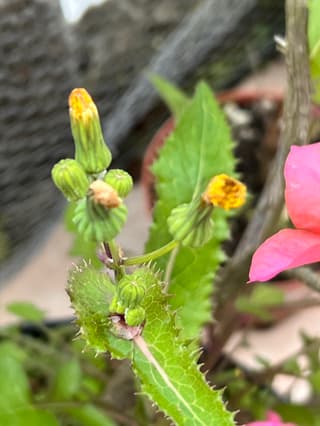
Sow Thistle
Sonchus
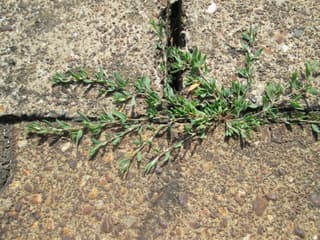
Oval-leaf Knotweed
Polygonum arenastrum
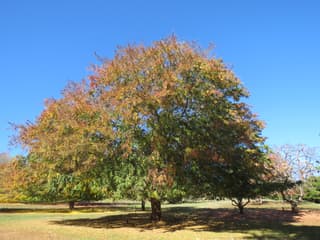
Chinese Elm
Ulmus parvifolia
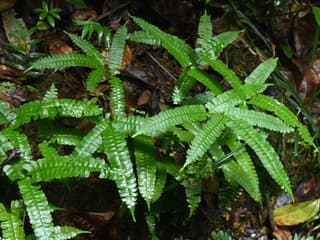
Necklace Fern
Lindsaea
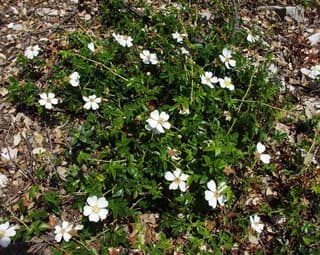
Evergreen Rose
Rosa sempervirens
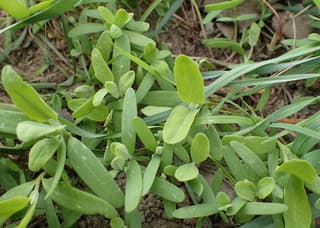
Common Orache
Atriplex patula
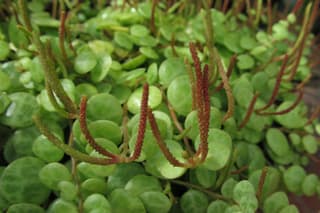
String of Turtles
Peperomia prostrata
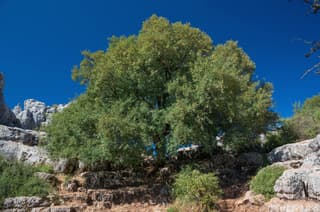
Montpellier maple
Acer monspessulanum
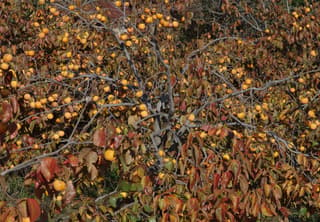
Japanese Persimmon
Diospyros kaki
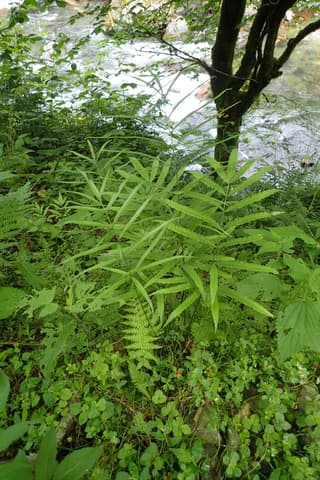
Brake Fern
Pteris
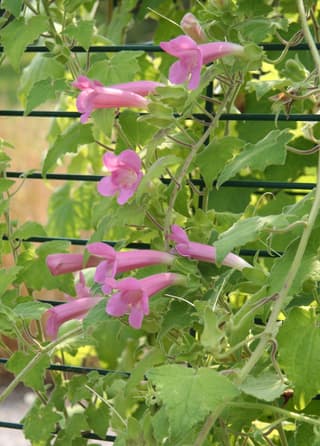
Climbing Snapdragon
Lophospermum erubescens
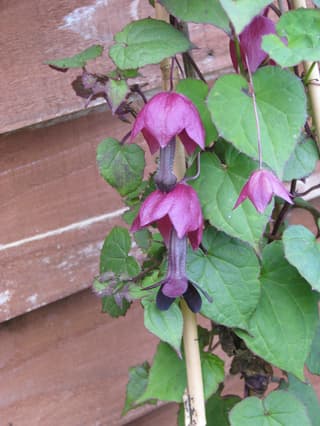
Purple Bells
Rhodochiton atrosanguineus
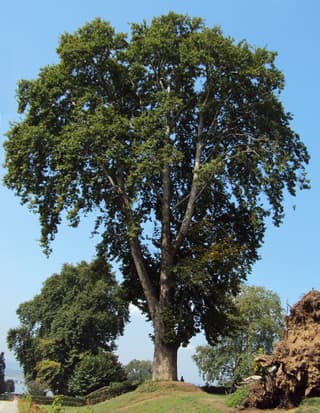
Plane Tree
Platanus
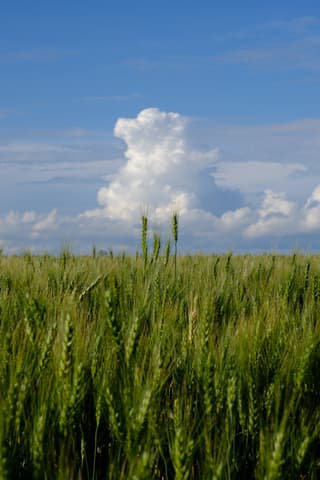
Common wheat
Triticum aestivum
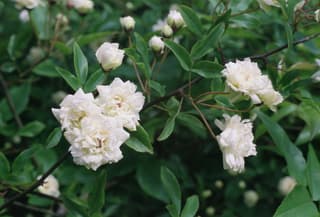
Lady Banks' Rose
Rosa banksiae
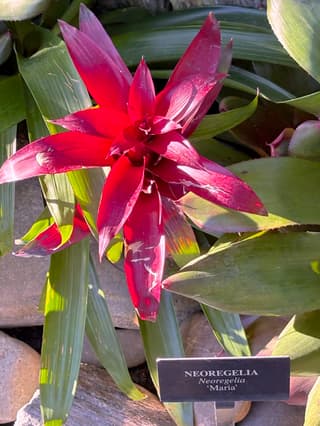
Blushing Bromeliad
Neoregelia
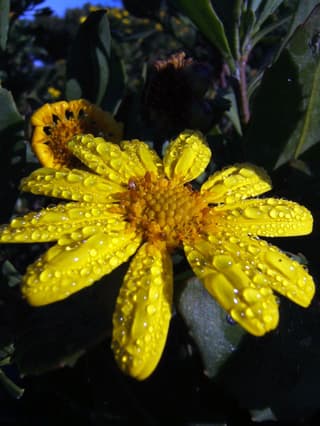
Bietou
Osteospermum moniliferum
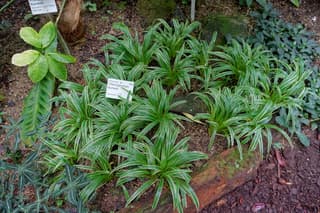
Zebra Grass Spider Plant
Chlorophytum laxum
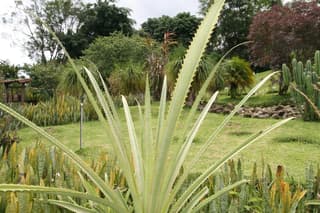
Wild Pineapple
Bromelia pinguin
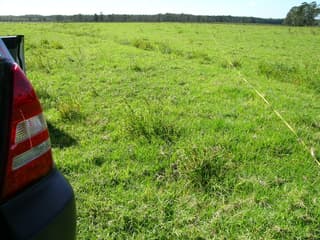
Kikuyu Grass
Cenchrus clandestinus
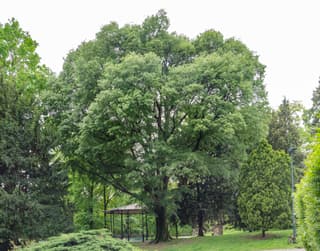
European Nettle Tree
Celtis australis
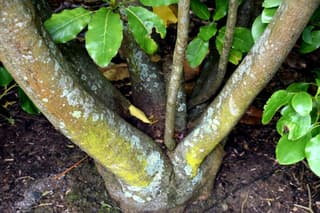
Puka
Meryta
Small Stagshorn
Calocera cornea
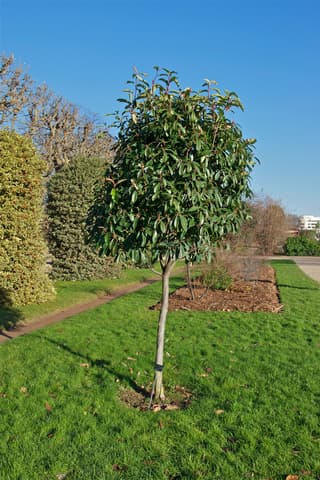
Chinese Photinia
Photinia serratifolia
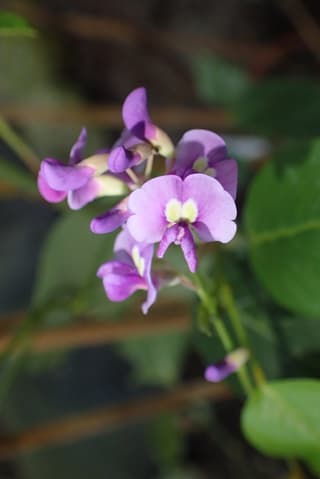
Purple Coral Pea
Hardenbergia violacea
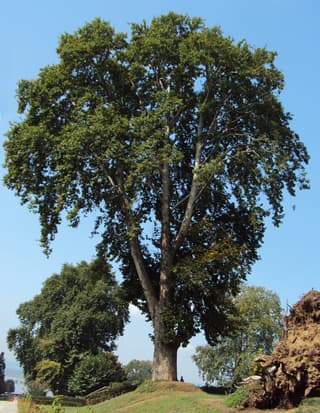
Oriental Plane
Platanus orientalis
Green Elfcup
Chlorociboria aeruginascens
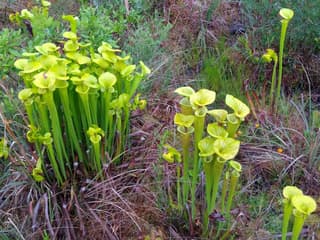
Yellow Pitcher Plant
Sarracenia flava
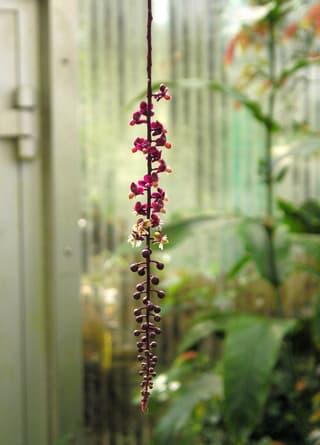
Peacock Plant
Calathea makoyana
Ideal Pet Safe for Inhapim's Climate
Inhapim has an average temperature of 22.9°C and humidity of 74.2%, conditions that directly influence which pet safe best adapt to the local environment.
How to Grow Pet Safe in Inhapim
To successfully grow pet safe in Inhapim, consider that the average temperature of 22.9°C and humidity of 74.2% create a specific microclimate. High humidity favors tropical species, but requires attention to ventilation to prevent fungal issues.
Advantages of Choosing Adapted Pet Safe
Pet Safe adapted to Inhapim's climate show greater resistance, healthy growth, and less need for interventions.