297 Best Succulents for Ipiranga do Sul | 2026 Guide - Page 3
The 297 best succulents to grow in Ipiranga do Sul. Ideal climate: 18.8°C, 76% humidity.
297 Succulents for Ipiranga do Sul
Showing 73-108 of 297
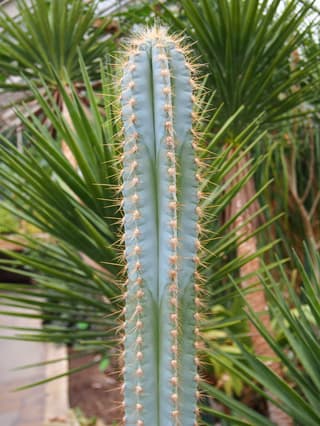
Blue Torch Cactus
Pilosocereus pachycladus
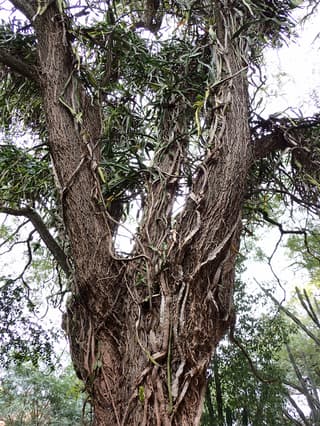
Dragon Fruit
Selenicereus undatus
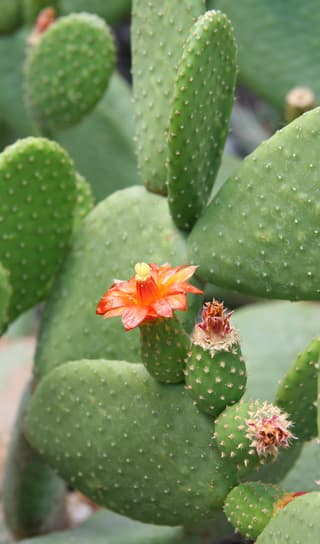
Pink Toad Cactus
Tacinga
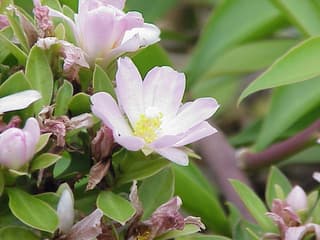
Rose Cactus
Pereskia grandifolia
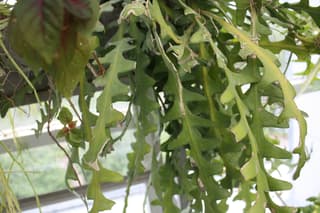
Ric Rac Cactus
Selenicereus anthonyanus
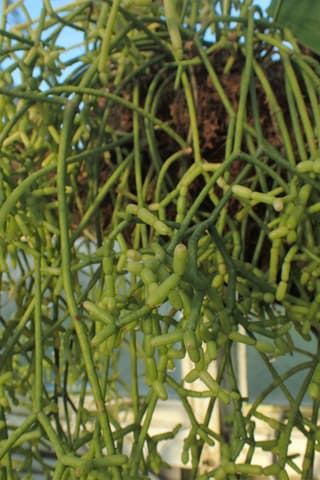
Rice Cactus
Rhipsalis cereuscula
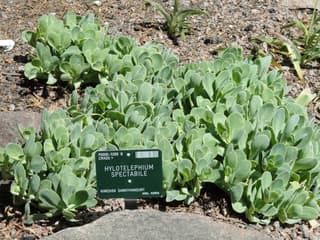
Showy Stonecrop
Sedum spectabile
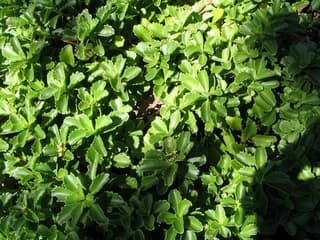
Kamchatka Stonecrop
Phedimus kamtschaticus
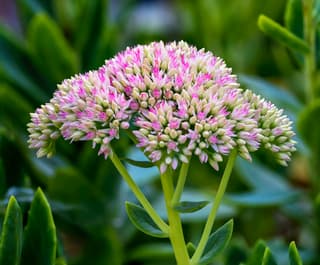
Autumn Joy Sedum
Hylotelephium
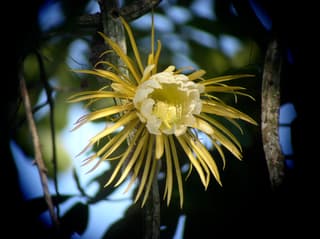
Night-Blooming Cereus
Selenicereus grandiflorus
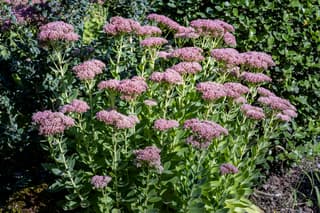
Orpine
Hylotelephium telephium
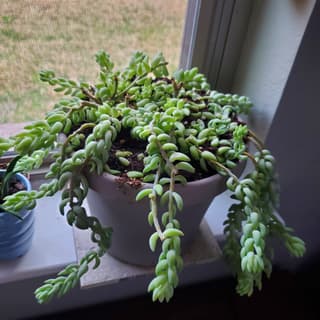
Stonecrop (genus)
Sedum
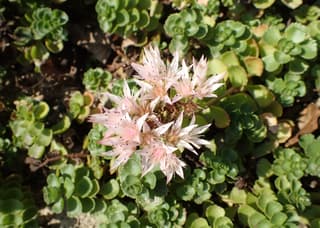
Two-row Stonecrop
Phedimus spurius
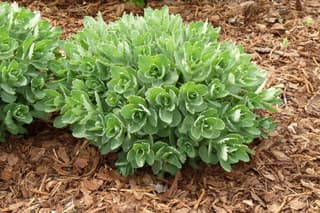
Showy Stonecrop
Hylotelephium spectabile
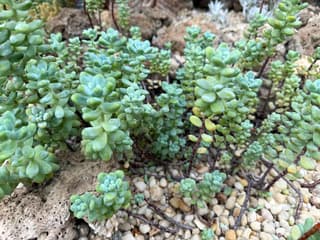
Jelly Bean Plant
Sedum pachyphyllum
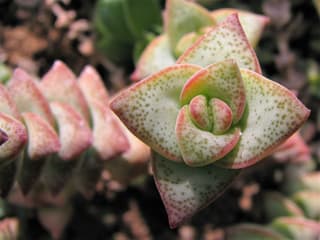
String of Buttons
Crassula perforata
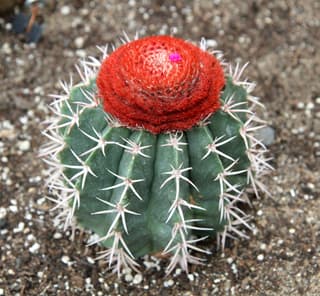
Turk's Cap Cactus
Melocactus zehntneri
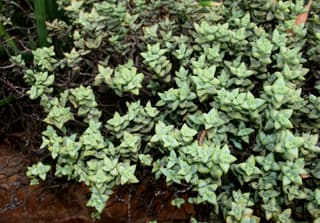
Concertina Plant
Crassula rupestris

Chalk Dudleya
Dudleya pulverulenta
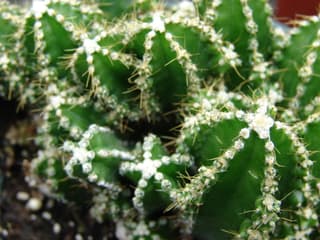
Giant Peruvian Cereus
Cereus peruvianus
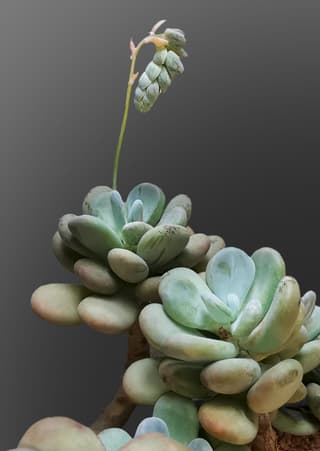
Moonstones
Pachyphytum
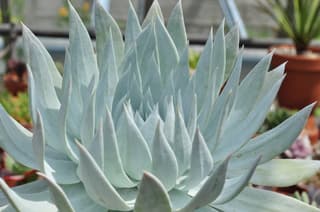
Liveforever
Dudleya

Black Echeveria
Echeveria affinis
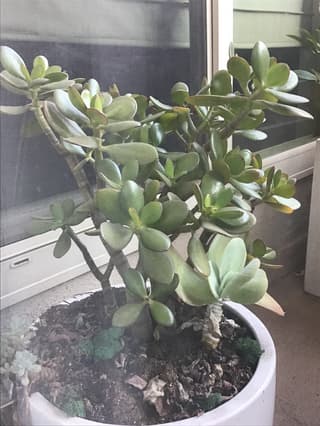
Crassula (genus)
Crassula
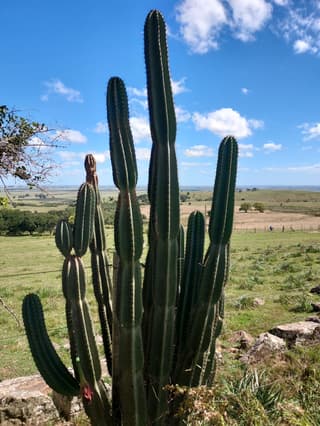
Cereus / Hedge Cactus (genus)
Cereus
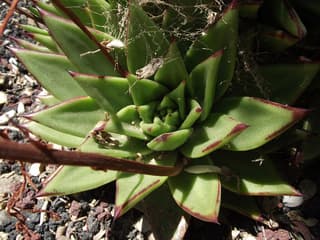
Lipstick Echeveria
Echeveria agavoides
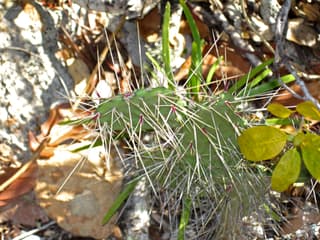
Sweet Prickly Pear
Opuntia dillenii
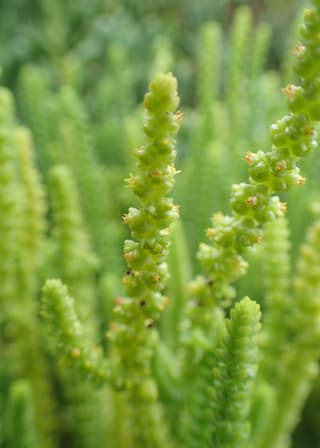
Watch Chain Plant
Crassula muscosa
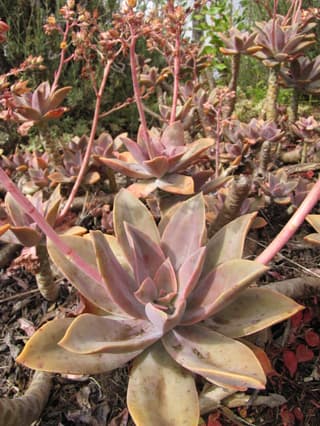
Graptoveria Ellen
Graptoveria 'Ellen'
Miranda Echeveria
Echeveria 'Miranda'

Chilean Corkscrew Cactus
Eulychnia castanea
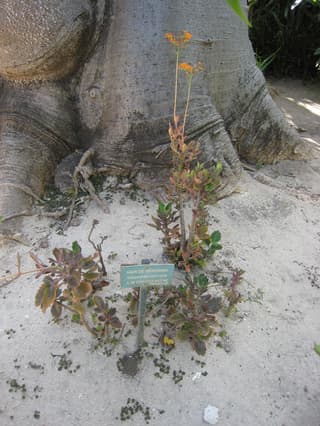
Christmas Tree Plant
Kalanchoe laciniata
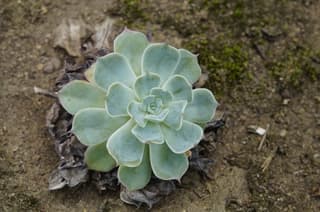
Blue Echeveria
Echeveria secunda
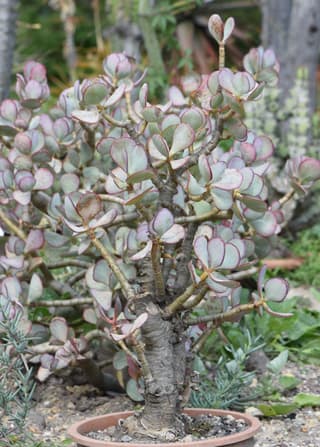
Silver Jade Plant
Crassula arborescens
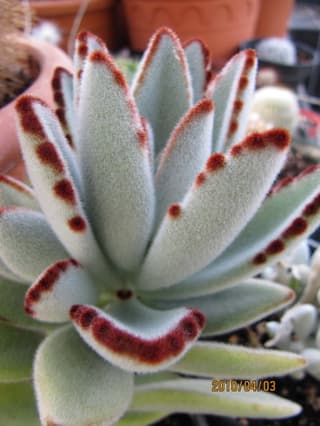
Panda Plant
Kalanchoe tomentosa
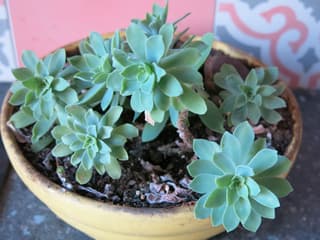
Aeonium
Aeonium
Ideal Succulents for Ipiranga do Sul's Climate
Ipiranga do Sul has an average temperature of 18.8°C and humidity of 76%, conditions that directly influence which succulents best adapt to the local environment.
How to Grow Succulents in Ipiranga do Sul
To successfully grow succulents in Ipiranga do Sul, consider that the average temperature of 18.8°C and humidity of 76% create a specific microclimate. High humidity favors tropical species, but requires attention to ventilation to prevent fungal issues.
Advantages of Choosing Adapted Succulents
Succulents adapted to Ipiranga do Sul's climate show greater resistance, healthy growth, and less need for interventions.