500 Best Plants for Laughlin Township | 2026 Guide - Page 3
Discover the 500 ideal plants for Laughlin Township's climate. Average temp: 23.8°C, Humidity: 28%.
Top 500 Plants for Laughlin Township
Showing 73-108 of 500
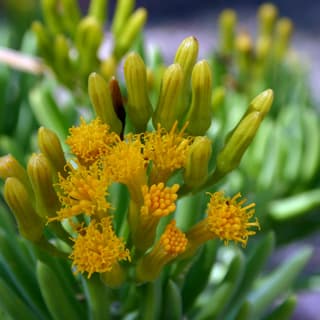
Succulent Bush Senecio
Kleinia barbertonica
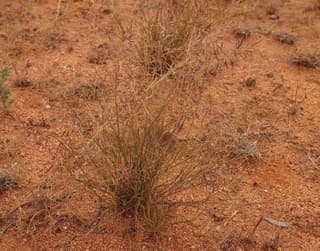
Little lovegrass
Eragrostis minor
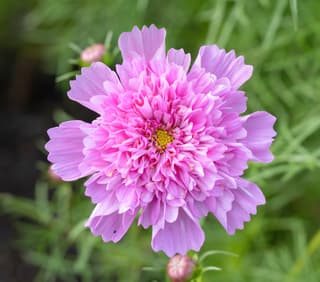
Garden Cosmos
Cosmos
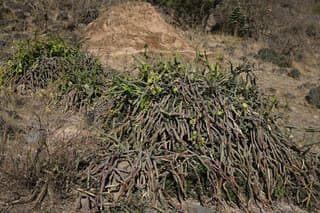
Veldt Grape
Cissus quadrangularis
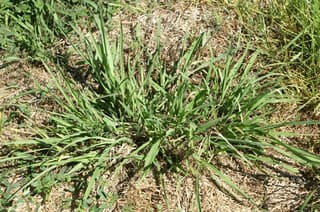
Dallisgrass
Paspalum dilatatum
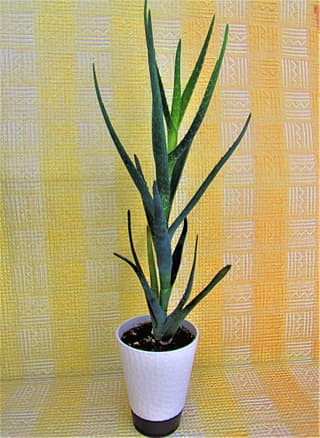
Aloe
Aloe
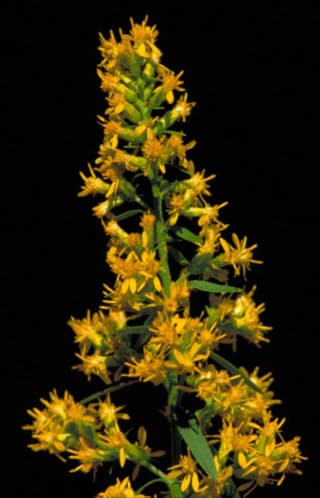
Goldenrod
Solidago
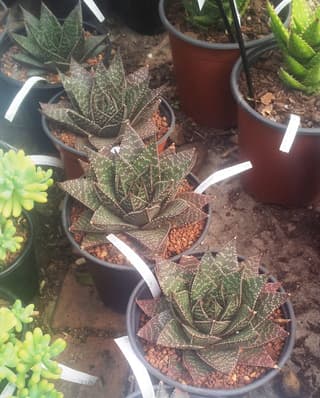
Gasteraloe
Gasteraloe
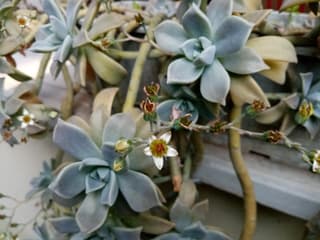
Ghost Plant
Graptopetalum

Common Blanketflower
Gaillardia aristata

Chilean Cacti
Eriosyce
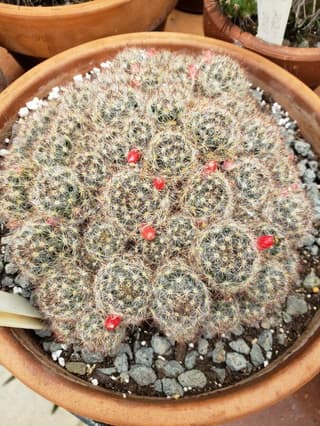
Little Candles
Mammillaria prolifera
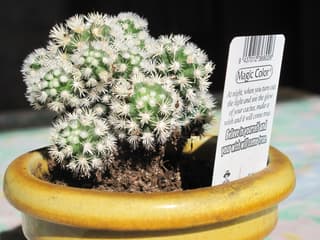
Thimble Cactus
Mammillaria gracilis
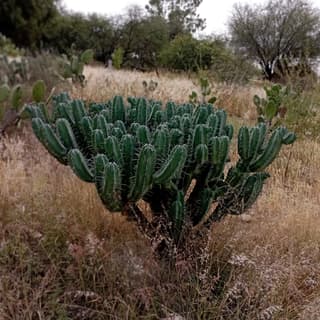
Blue Candle Cactus
Myrtillocactus geometrizans

Chalk Dudleya
Dudleya pulverulenta

Laurel Clockvine
Thunbergia laurifolia
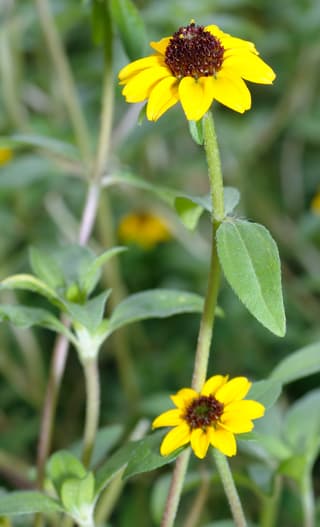
Creeping Zinnia
Sanvitalia procumbens
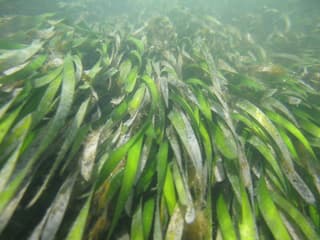
Turtle grass
Thalassia testudinum
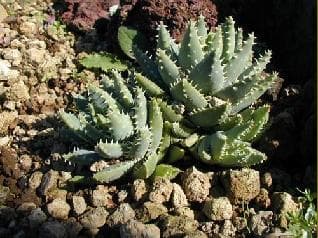
Short-Leaved Aloe
Aloe brevifolia
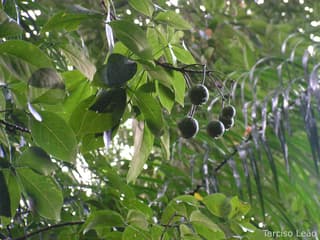
Garlic Pear
Crateva tapia
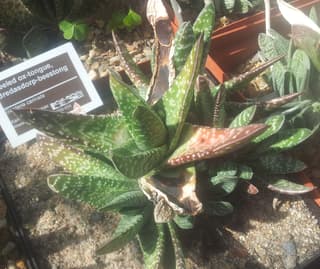
Bredasdorp Gasteria
Gasteria carinata
Verschaffelt Tephrocactus
Tephrocactus verschaffeltii
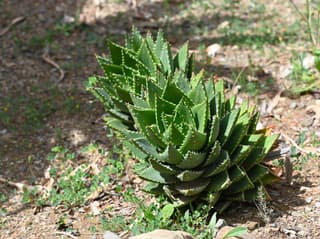
Mitre Aloe
Aloe perfoliata
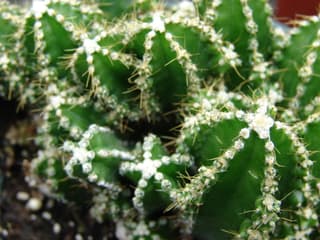
Giant Peruvian Cereus
Cereus peruvianus
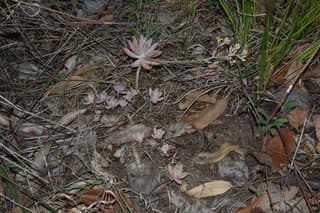
Graptosedum Ghosty
Graptosedum 'Ghosty'
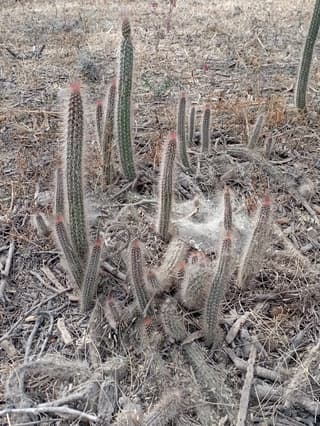
Snake Cactus, Junco, Queen of the Night
Nyctocereus serpentinus
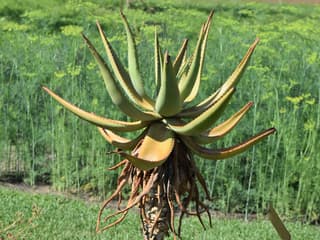
Bitter Aloe
Aloe ferox
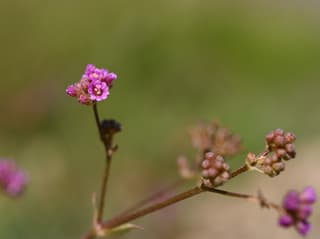
Red Spiderling
Boerhavia diffusa
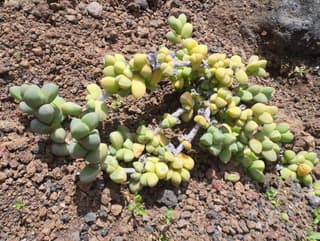
Ice Plant
Corpuscularia lehmannii
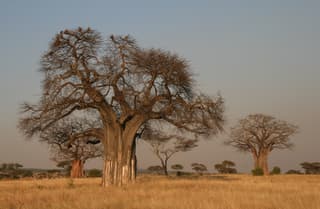
Baobab
Adansonia
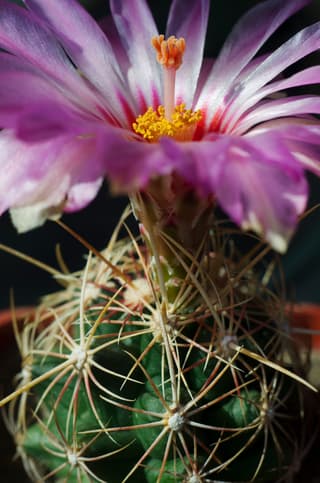
Thelocactus
Thelocactus
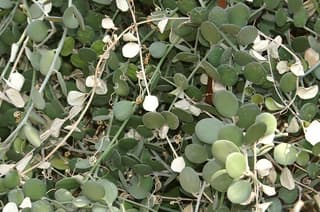
Silver Dollar Vine
Xerosicyos danguyi

Sea Squill
Drimia maritima
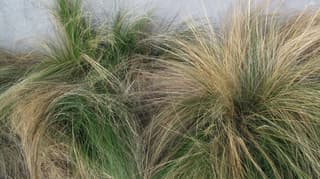
Mexican feather grass
Nassella tenuissima
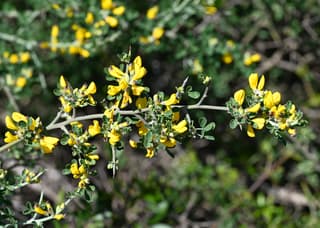
Hairy Thorny Broom
Calicotome villosa
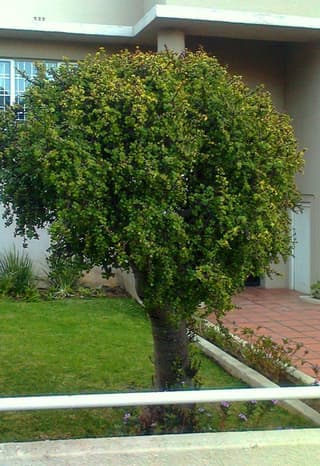
Spekboom
Portulacaria
Laughlin Township Climate for Plant Growing
Laughlin Township has a climate with an average annual temperature of 23.8°C and average relative humidity of 28%. These climate conditions are ideal for various species of ornamental and fruit plants.
Tips for Growing Plants in Laughlin Township
To succeed in growing plants in Laughlin Township, consider the average temperature of 23.8°C when choosing your species. The temperate climate allows you to grow a wide variety of species. Water more frequently due to low humidity.
Why Choose Plants Adapted to the Local Climate?
Plants adapted to Laughlin Township's climate require less care, consume less water, and are more likely to thrive. Our selection considers the compatibility between each species' needs and local climate conditions, including temperature (23.8°C) and humidity (28%).