Bloom
🌿

500 Best Pet Safe for Lucfalva | 2026 Guide - Page 11

The 500 best pet safe to grow in Lucfalva. Ideal climate: 11.4°C, 74.6% humidity.

🌡️ 11.4°C
💧 74.6%

500 Pet Safe for Lucfalva

Showing 361-396 of 500
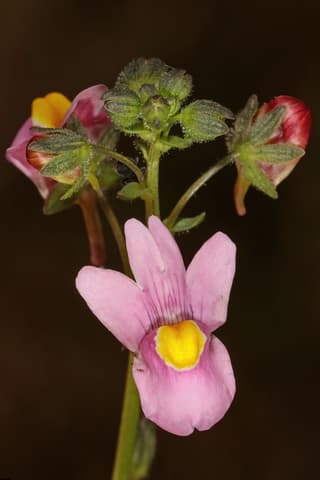
Mauve Nemesia
361
★ 84%

Mauve Nemesia

Nemesia fruticans

Easy 💧 4 days 🌡️ 5°C - 22°C
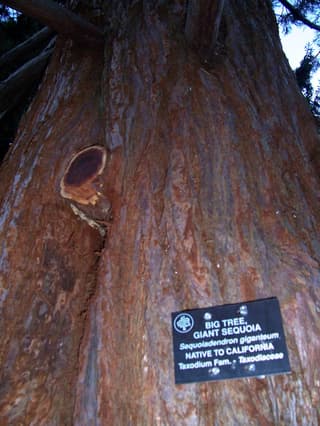
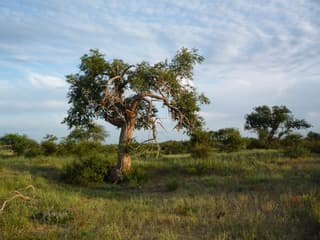
Giant Sequoia
362
★ 84%

Giant Sequoia

Sequoiadendron giganteum
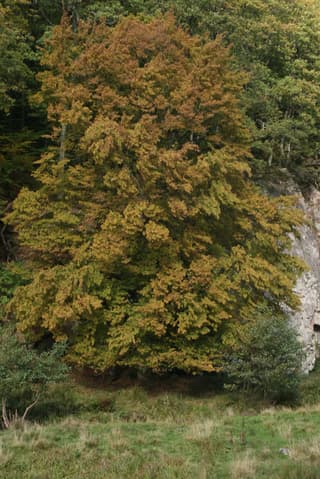
Medium 💧 30 days 🌡️ -20°C - 35°C
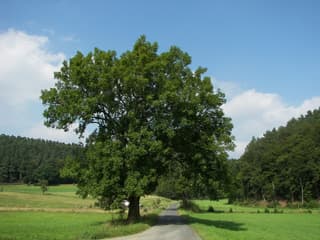
European Hornbeam
363
★ 84%

European Hornbeam

Carpinus betulus

Easy 💧 7 days 🌡️ -25°C - 35°C
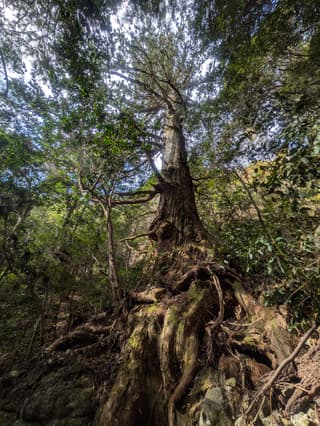
Japanese Cedar
364
★ 84%

Japanese Cedar

Cryptomeria japonica

Medium 💧 7 days 🌡️ -20°C - 35°C
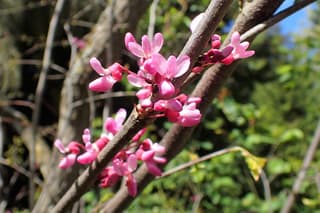
Chinese Redbud
365
★ 84%

Chinese Redbud

Cercis chinensis

Medium 💧 7 days 🌡️ -20°C - 35°C
🌿
366
★ 84%

Small Stagshorn

Calocera cornea

Medium 💧 1 days 🌡️ 10°C - 24°C
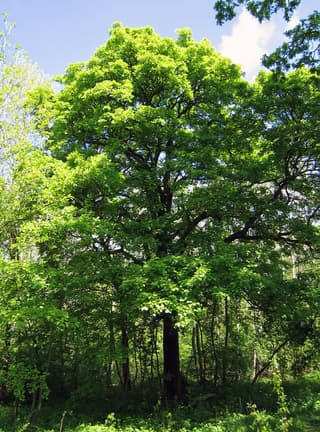
European Ash
367
★ 84%

European Ash

Fraxinus excelsior

Medium 💧 12 days 🌡️ -25°C - 35°C
Siberian Elm
368
★ 84%

Siberian Elm

Ulmus pumila

Easy 💧 10 days 🌡️ -34°C - 40°C
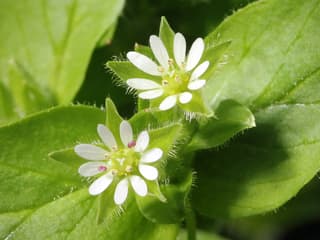
Chickweed
369
★ 84%

Chickweed

Stellaria media

Easy 💧 3 days 🌡️ -10°C - 25°C
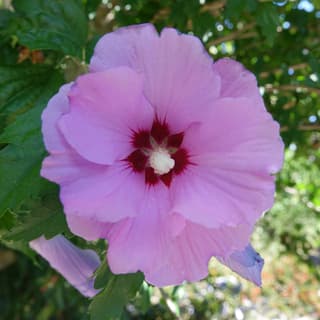
Rose of Sharon
370
★ 84%

Rose of Sharon

Hibiscus syriacus

Easy 💧 7 days 🌡️ -29°C - 38°C
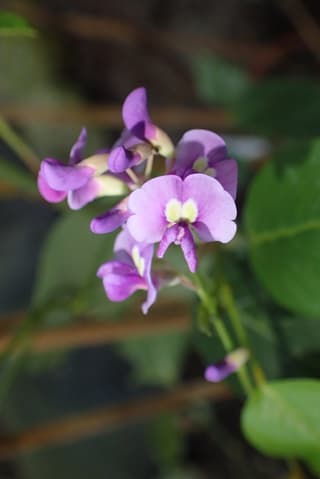
Purple Coral Pea
371
★ 84%

Purple Coral Pea

Hardenbergia violacea
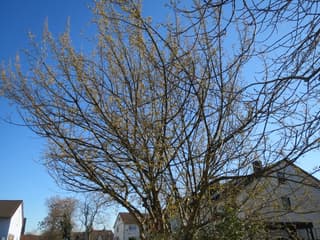
Easy 💧 10 days 🌡️ -5°C - 35°C
Cornelian Cherry
372
★ 84%

Cornelian Cherry

Cornus mas

Easy 💧 10 days 🌡️ -25°C - 35°C
Wild Service Tree
373
★ 84%

Wild Service Tree

Torminalis glaberrima
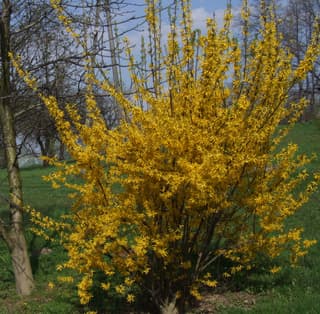
Medium 💧 14 days 🌡️ -25°C - 35°C
Border Forsythia
374
★ 84%

Border Forsythia

Forsythia x intermedia
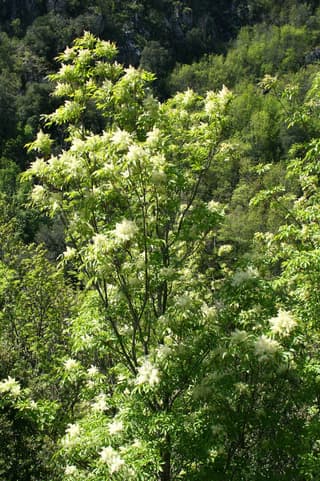
Easy 💧 10 days 🌡️ -23°C - 35°C
Manna Ash
375
★ 84%

Manna Ash

Fraxinus ornus

Medium 💧 14 days 🌡️ -20°C - 35°C
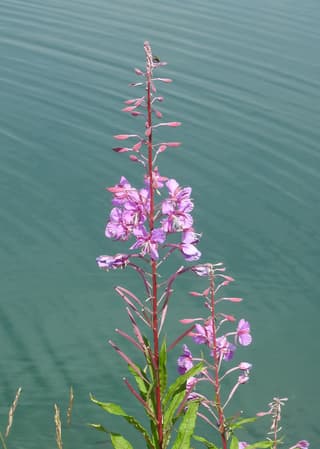
Willowherb / Fireweed (genus)
376
★ 84%

Willowherb / Fireweed (genus)

Epilobium
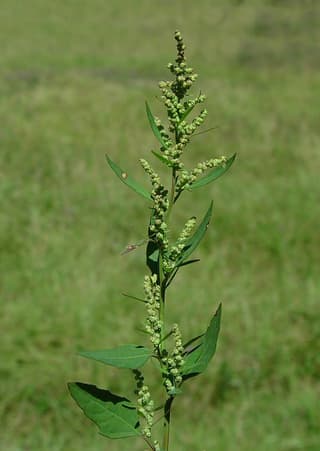
Easy 💧 6 days 🌡️ -20°C - 35°C
Goosefoot
377
★ 84%

Goosefoot

Chenopodium

Easy 💧 7 days 🌡️ -5°C - 35°C
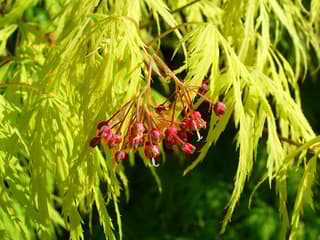
Japanese Maple
378
★ 84%

Japanese Maple

Acer palmatum

Medium 💧 7 days 🌡️ -20°C - 35°C
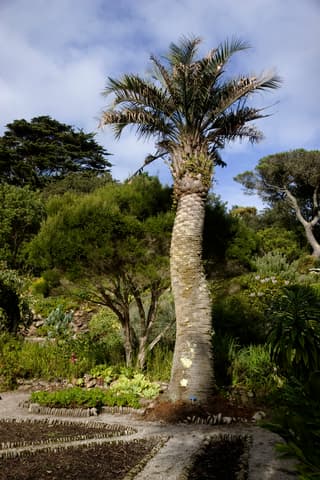
Pindo Palm
379
★ 84%

Pindo Palm

Butia capitata

Easy 💧 14 days 🌡️ -9°C - 38°C
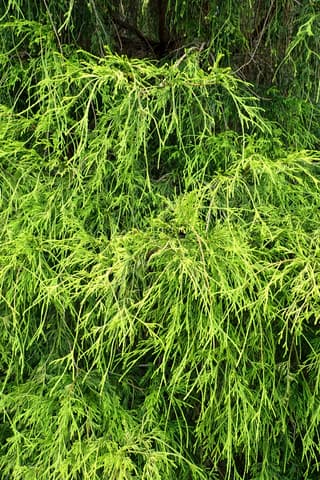
Golden Thread Cypress
380
★ 84%

Golden Thread Cypress

Chamaecyparis pisifera filifera aurea
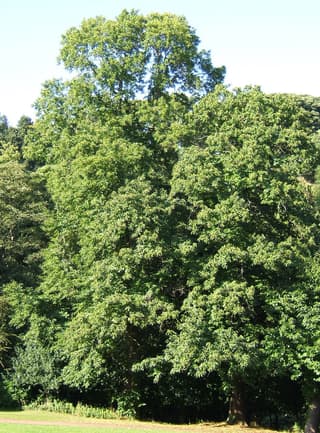
Easy 💧 7 days 🌡️ -20°C - 35°C
Sweet Chestnut
381
★ 84%

Sweet Chestnut

Castanea sativa

Medium 💧 14 days 🌡️ -15°C - 30°C
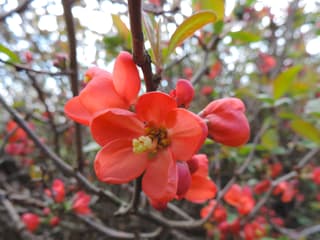
Flowering Quince
382
★ 84%

Flowering Quince

Chaenomeles speciosa
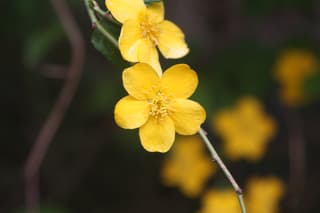
Medium 💧 14 days 🌡️ -25°C - 35°C
Japanese Kerria
383
★ 84%

Japanese Kerria

Kerria japonica

Easy 💧 9 days 🌡️ -20°C - 35°C
Mexican Daisy Bush
384
★ 84%

Mexican Daisy Bush

Montanoa bipinnatifida

Easy 💧 7 days 🌡️ -6°C - 35°C
🌿
385
★ 83%

Common Fieldcap

Agrocybe pediades

Medium 💧 2 days 🌡️ 12°C - 28°C
Honey Locust
386
★ 83%

Honey Locust

Gleditsia triacanthos

Medium 💧 14 days 🌡️ -35°C - 35°C
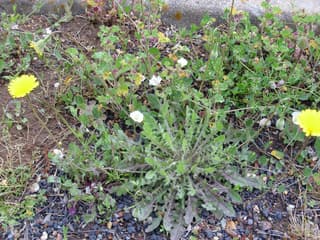
Rough Hawkbit
387
★ 83%

Rough Hawkbit

Leontodon hispidus

Easy 💧 7 days 🌡️ -15°C - 27°C
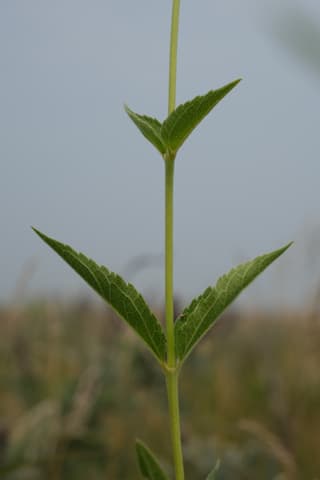
False Sunflower
388
★ 83%

False Sunflower

Heliopsis helianthoides
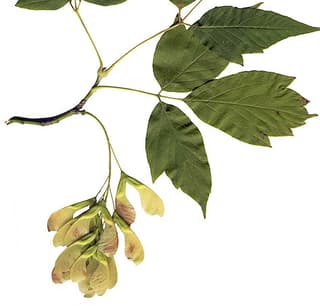
Easy 💧 7 days 🌡️ -40°C - 35°C
Boxelder
389
★ 83%

Boxelder

Acer negundo

Medium 💧 14 days 🌡️ -40°C - 35°C
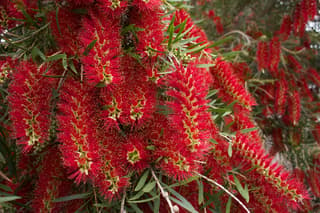
Weeping Bottlebrush
390
★ 83%

Weeping Bottlebrush

Melaleuca viminalis
Easy 💧 7 days 🌡️ -5°C - 40°C
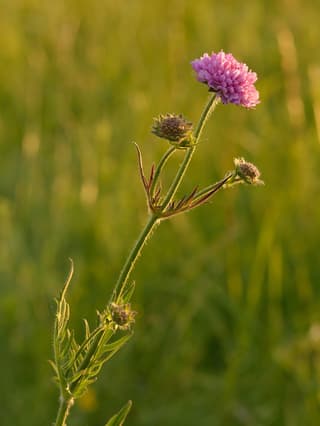
Field Scabious
391
★ 83%

Field Scabious

Knautia arvensis

Easy 💧 10 days 🌡️ -30°C - 35°C
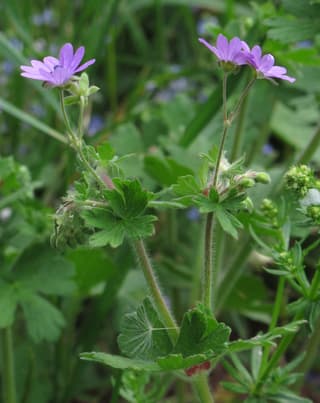
Hedgerow Cranesbill
392
★ 83%

Hedgerow Cranesbill

Geranium pyrenaicum
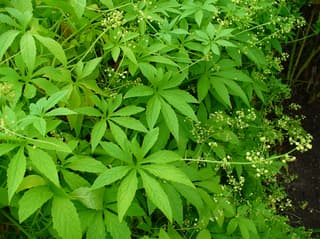
Easy 💧 7 days 🌡️ -20°C - 30°C
Caigua
393
★ 83%

Caigua

Cyclanthera pedata

Medium 💧 4 days 🌡️ 12°C - 27°C
Foamy Bells
394
★ 83%

Foamy Bells

Heucherella

Easy 💧 7 days 🌡️ -29°C - 35°C
Redcurrant
395
★ 83%

Redcurrant

Ribes rubrum

Medium 💧 8 days 🌡️ -20°C - 28°C
Breadnut
396
★ 83%

Breadnut

Brosimum alicastrum

Medium 💧 7 days 🌡️ 12°C - 35°C

Ideal Pet Safe for Lucfalva's Climate

Lucfalva has an average temperature of 11.4°C and humidity of 74.6%, conditions that directly influence which pet safe best adapt to the local environment.

How to Grow Pet Safe in Lucfalva

To successfully grow pet safe in Lucfalva, consider that the average temperature of 11.4°C and humidity of 74.6% create a specific microclimate. High humidity favors tropical species, but requires attention to ventilation to prevent fungal issues.

Advantages of Choosing Adapted Pet Safe

Pet Safe adapted to Lucfalva's climate show greater resistance, healthy growth, and less need for interventions.