500 Best Plants for Mönsterås kommun | 2026 Guide - Page 12
Discover the 500 ideal plants for Mönsterås kommun's climate. Average temp: 8.5°C, Humidity: 77.4%.
Top 500 Plants for Mönsterås kommun
Showing 397-432 of 500
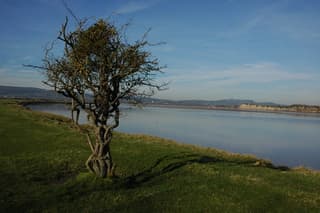
Hawthorn
Crataegus
Common Stinkhorn
Phallus impudicus
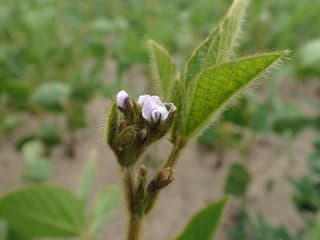
Soybean
Glycine max
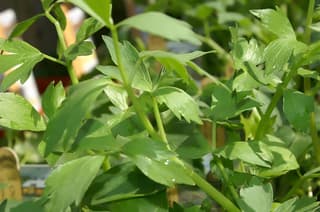
Lovage
Levisticum officinale
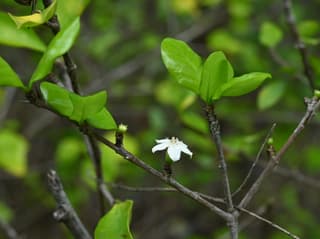
White Indigoberry
Randia aculeata
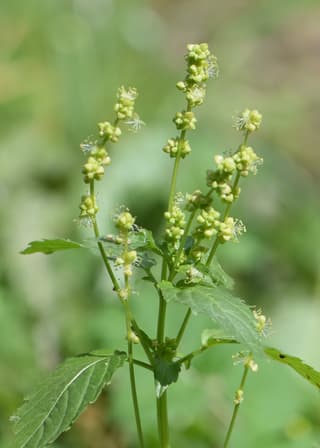
Annual mercury
Mercurialis annua
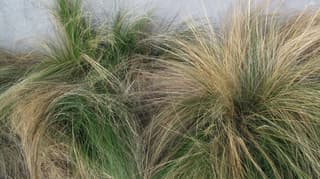
Mexican feather grass
Nassella tenuissima
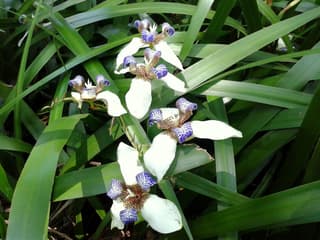
White Walking Iris
Neomarica candida
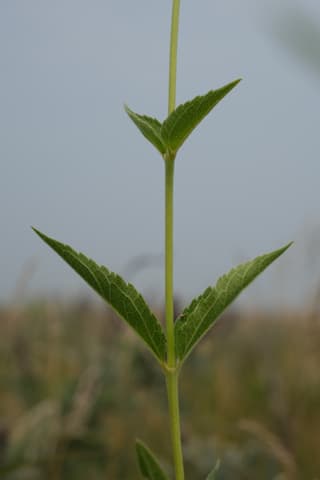
False Sunflower
Heliopsis helianthoides
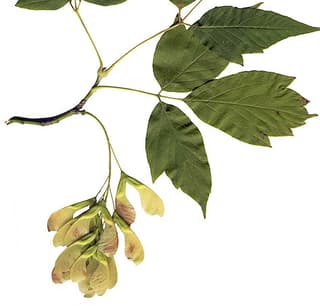
Boxelder
Acer negundo
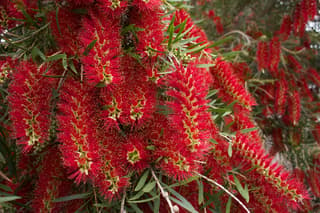
Weeping Bottlebrush
Melaleuca viminalis
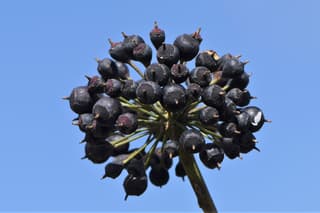
Atlantic Ivy
Hedera hibernica
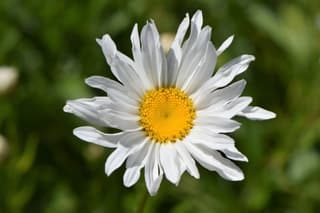
Max Chrysanthemum
Leucanthemum maximum
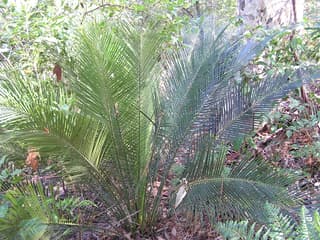
Burrawang
Macrozamia
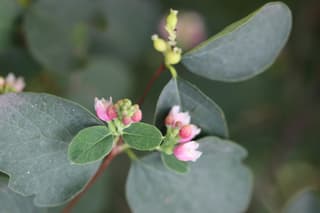
Common Snowberry
Symphoricarpos albus
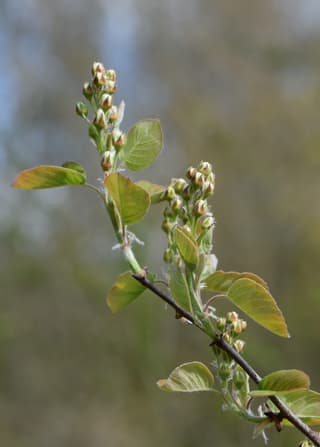
Saskatoon Serviceberry
Amelanchier alnifolia
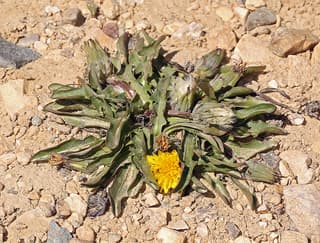
Horned Dandelion
Taraxacum ceratophorum
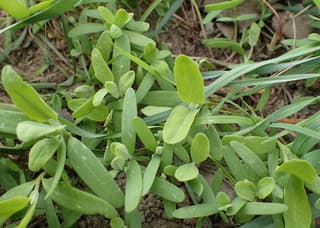
Common Orache
Atriplex patula
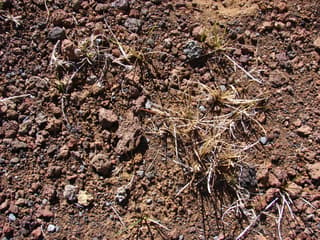
Kentucky bluegrass
Poa pratensis
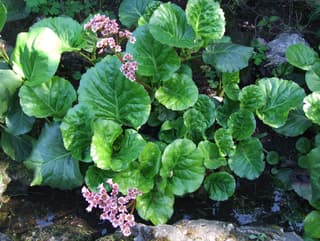
Heart-leaved Bergenia
Bergenia crassifolia
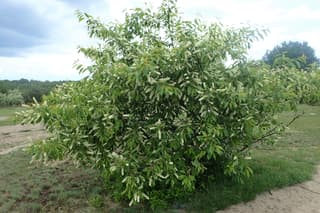
Black Cherry
Prunus serotina
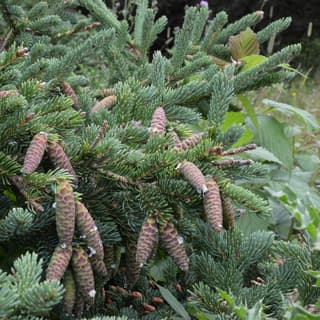
White Spruce
Picea laxa
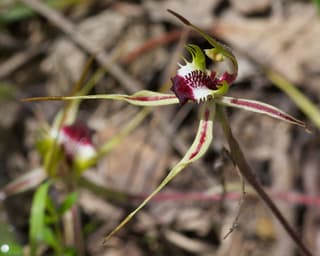
Small Spider-orchid
Caladenia parva
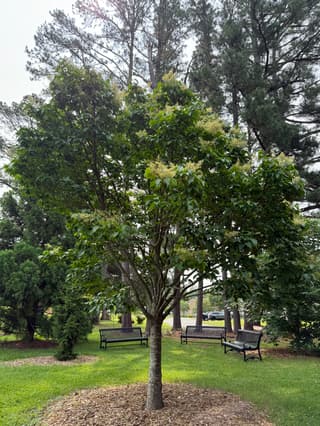
Japanese Tree Lilac
Syringa reticulata
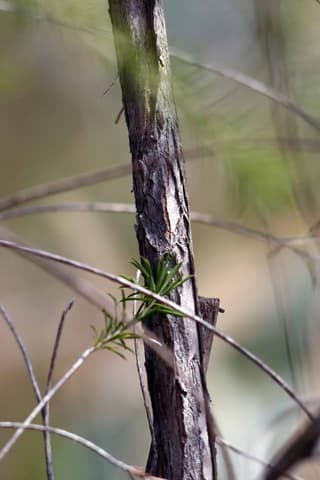
Bracelet Honey Myrtle
Melaleuca armillaris
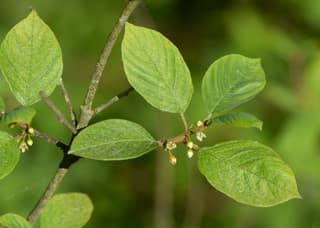
Buckthorn
Frangula
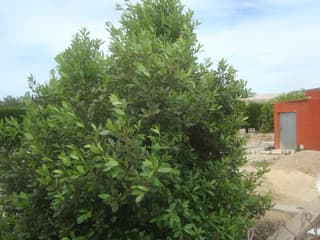
Bay Laurel
Laurus nobilis
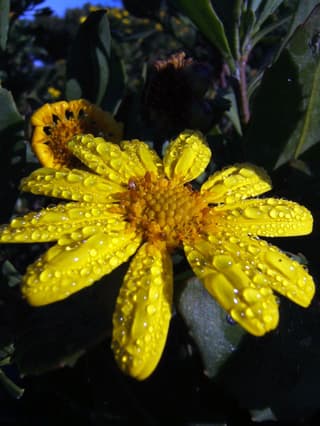
Bietou
Osteospermum moniliferum
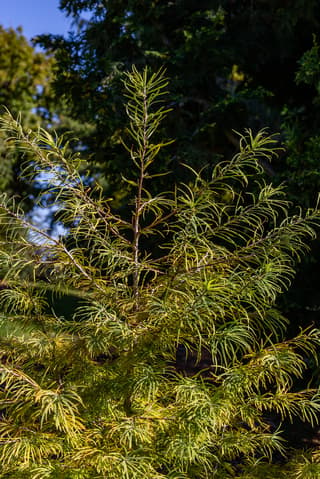
Golden Larch
Pseudolarix amabilis
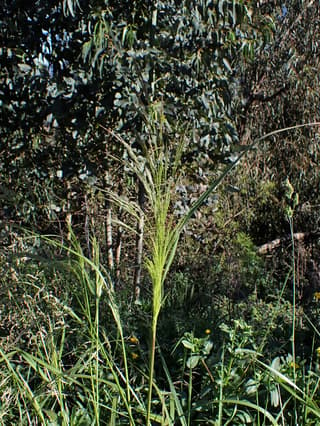
Johnson grass
Sorghum halepense
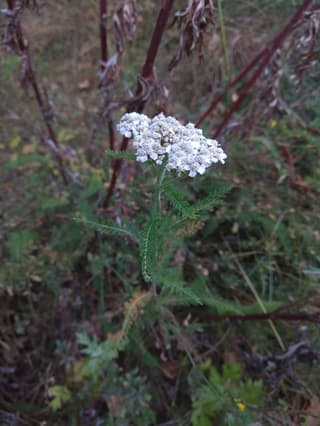
Asian Yarrow
Achillea asiatica
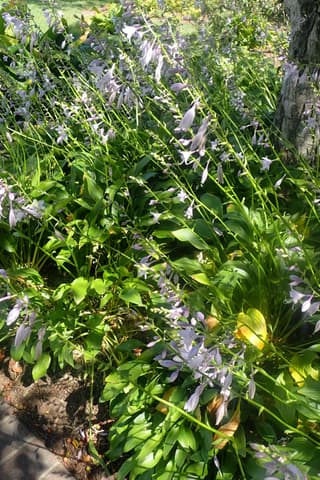
Narrow-leaved Plantain Lily
Hosta lancifolia
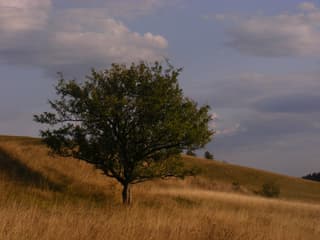
European Crab Apple
Malus sylvestris
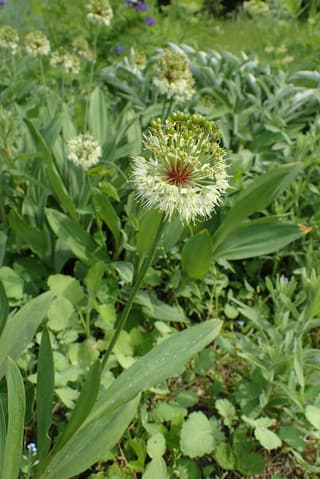
Victory Onion
Allium victorialis
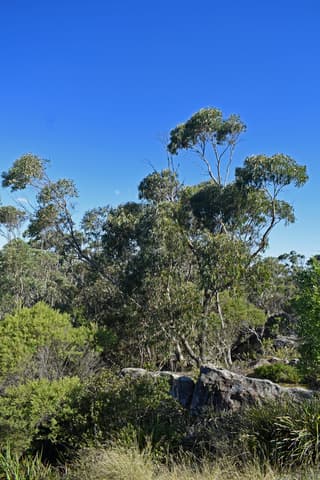
Tasmanian Blue Gum
Eucalyptus globulus
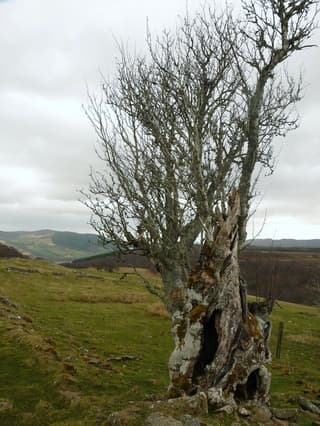
European Rowan
Sorbus aucuparia
Mönsterås kommun Climate for Plant Growing
Mönsterås kommun has a climate with an average annual temperature of 8.5°C and average relative humidity of 77.4%. These climate conditions are ideal for various species of ornamental and fruit plants.
Tips for Growing Plants in Mönsterås kommun
To succeed in growing plants in Mönsterås kommun, consider the average temperature of 8.5°C when choosing your species. Protect cold-sensitive plants during winter. High humidity favors tropical plants, but watch for fungal issues.
Why Choose Plants Adapted to the Local Climate?
Plants adapted to Mönsterås kommun's climate require less care, consume less water, and are more likely to thrive. Our selection considers the compatibility between each species' needs and local climate conditions, including temperature (8.5°C) and humidity (77.4%).