500 Best Plants for New South Wales | 2026 Guide - Page 5
Discover the 500 ideal plants for New South Wales's climate. Average temp: 19.3°C, Humidity: 46.3%.
Top 500 Plants for New South Wales
Showing 145-180 of 500
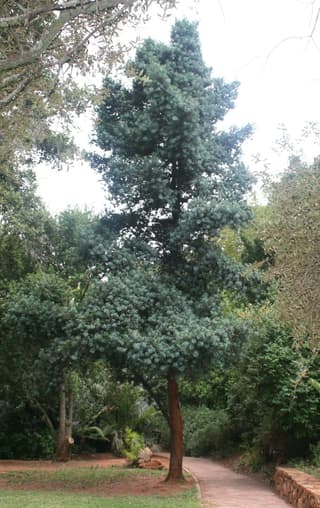
Breede River Yellowwood
Podocarpus elongatus
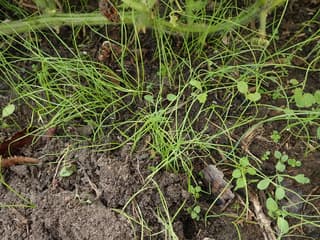
Green onions
Allium fistulosum
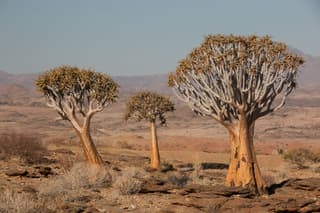
Tree Aloe
Aloidendron
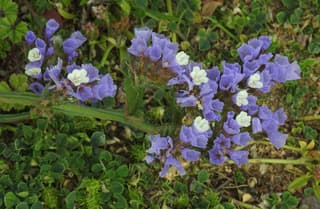
Statice
Limonium sinuatum
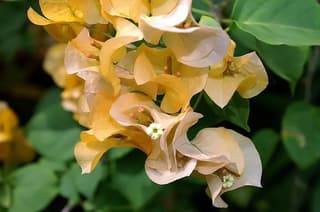
Bougainvillea
Bougainvillea x buttiana
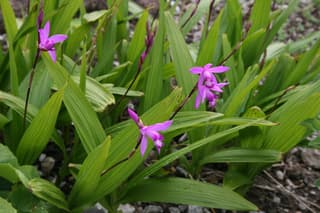
Chinese Ground Orchid
Bletilla striata
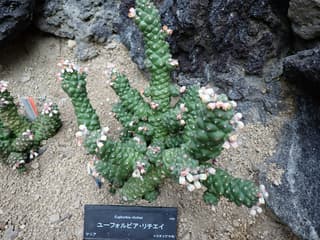
Ritchie's Euphorbia
Euphorbia ritchiei
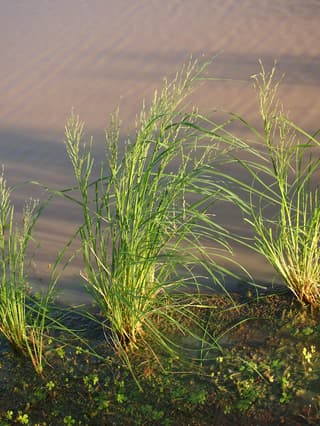
Kallar grass
Diplachne fusca
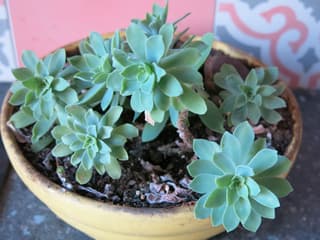
Aeonium
Aeonium
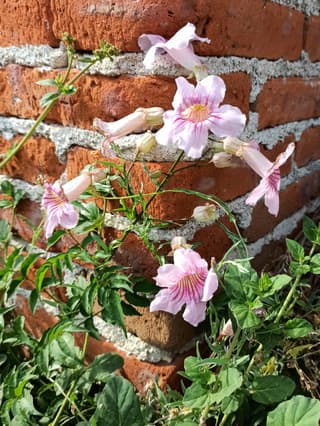
Pink Trumpet Vine
Podranea ricasoliana

Rougeplant
Rivina humilis
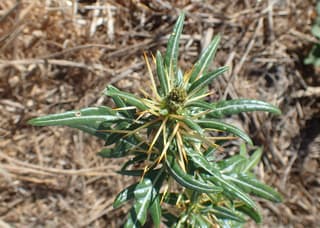
Spiny Cocklebur
Xanthium spinosum
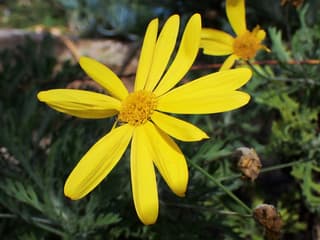
Gray-leaved Euryops
Euryops pectinatus
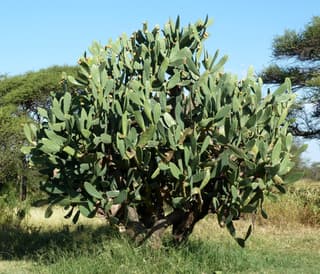
Prickly Pear Cactus
Opuntia
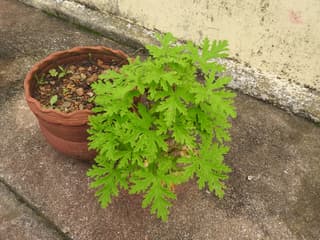
Rose Geranium
Pelargonium graveolens
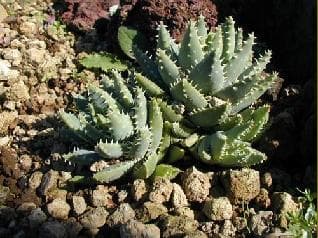
Short-Leaved Aloe
Aloe brevifolia
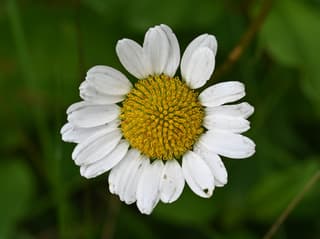
Oxeye Daisy
Leucanthemum ircutianum
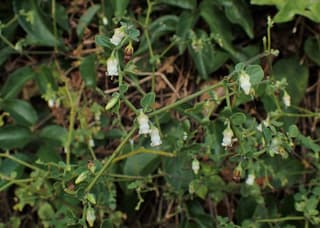
Lily of the Valley Vine
Salpichroa origanifolia
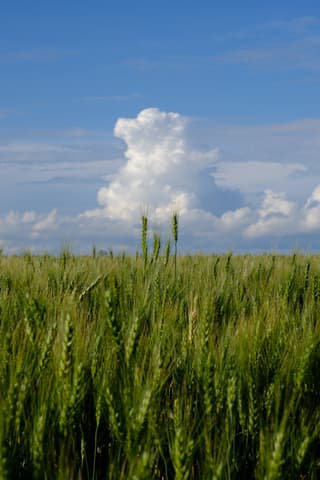
Common wheat
Triticum aestivum

Elephant's Foot
Dioscorea elephantipes
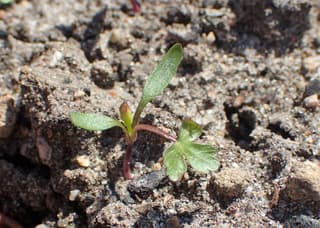
Fool's Parsley
Aethusa cynapium
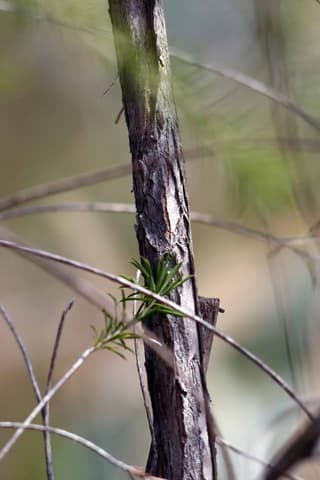
Bracelet Honey Myrtle
Melaleuca armillaris
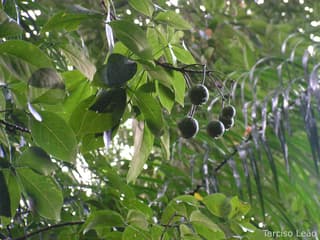
Garlic Pear
Crateva tapia
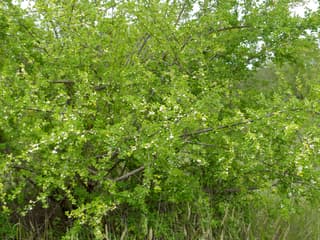
White-Berry Bush
Flueggea virosa

Pink Sedeveria
Graptosedum 'Francesco Baldi'
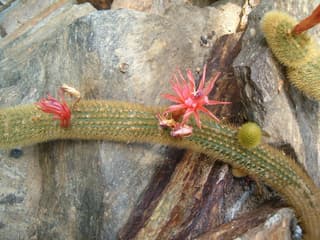
Golden Rat-tail Cactus
Cleistocactus winteri
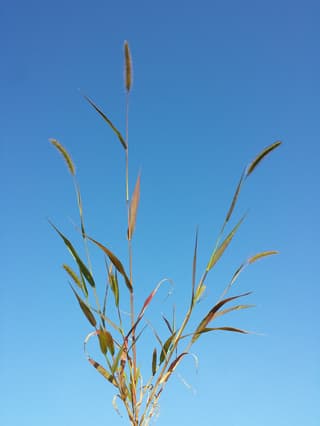
Foxtail Grass
Setaria
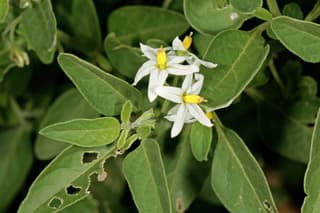
Tall nightshade
Solanum chenopodioides
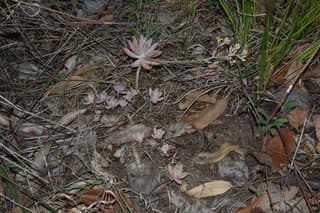
Graptosedum Ghosty
Graptosedum 'Ghosty'
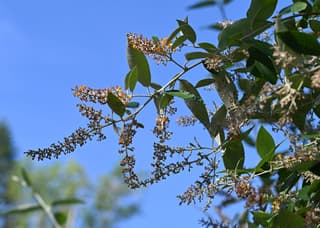
Madagascar Butterfly Bush
Buddleja madagascariensis
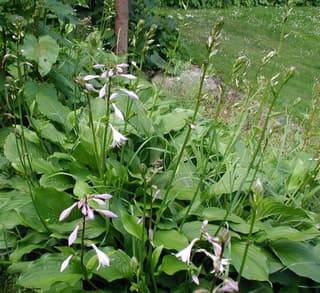
Fortune's Hosta
Hosta fortunei
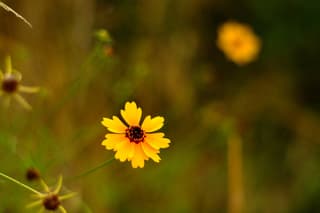
Stiff Greenthread
Thelesperma filifolium
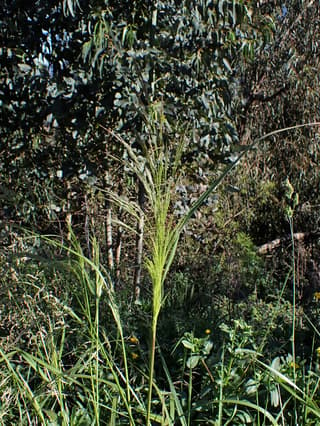
Johnson grass
Sorghum halepense
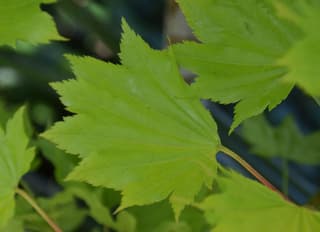
Full Moon Maple
Acer shirasawanum
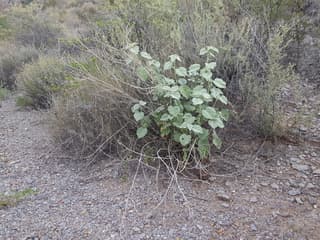
Abutilon Hybrid
Abutilon
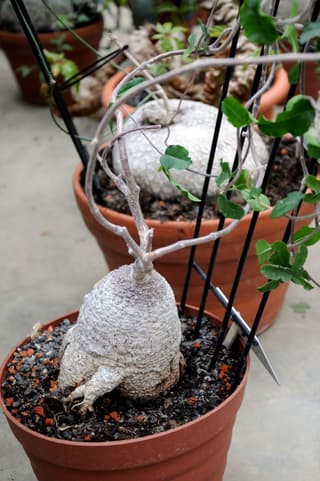
Fockea
Fockea
New South Wales Climate for Plant Growing
New South Wales has a climate with an average annual temperature of 19.3°C and average relative humidity of 46.3%. These climate conditions are ideal for various species of ornamental and fruit plants.
Tips for Growing Plants in New South Wales
To succeed in growing plants in New South Wales, consider the average temperature of 19.3°C when choosing your species. The temperate climate allows you to grow a wide variety of species. Water more frequently due to low humidity.
Why Choose Plants Adapted to the Local Climate?
Plants adapted to New South Wales's climate require less care, consume less water, and are more likely to thrive. Our selection considers the compatibility between each species' needs and local climate conditions, including temperature (19.3°C) and humidity (46.3%).