500 Best Plants for Prescott Valley | 2026 Guide - Page 2
Discover the 500 ideal plants for Prescott Valley's climate. Average temp: 13.7°C, Humidity: 40.5%.
Top 500 Plants for Prescott Valley
Showing 37-72 of 500
Black Felt Lichen
Placynthium nigrum
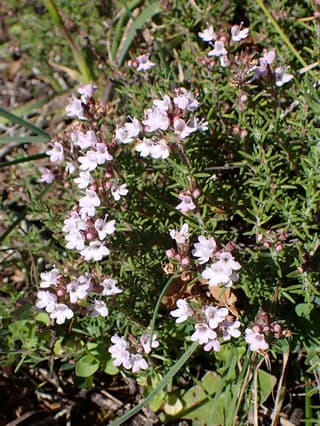
Spanish Thyme
Thymus zygis
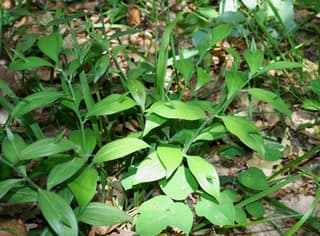
Spineless butcher's broom
Ruscus hypoglossum
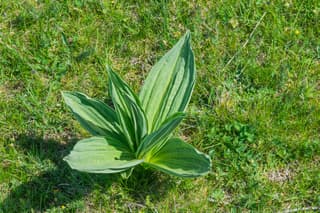
Gentian
Gentiana
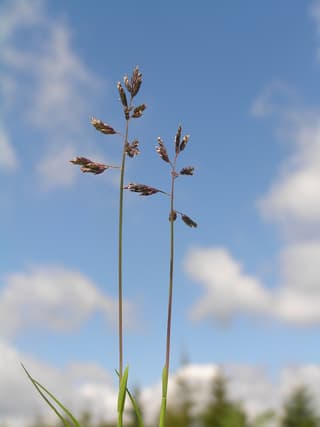
Supine bluegrass
Poa supina
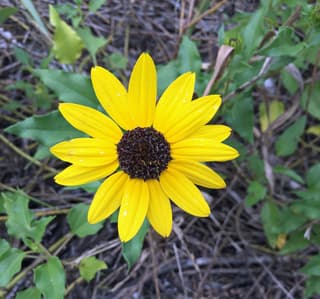
Beach Sunflower
Helianthus debilis
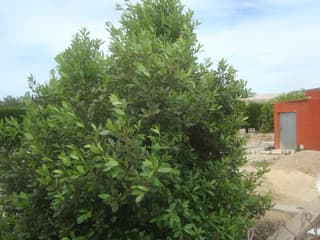
Bay Laurel
Laurus nobilis
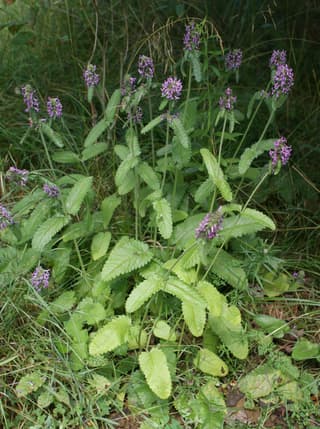
Wood Betony
Betonica officinalis
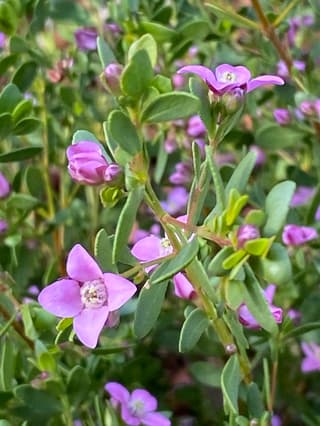
Aniseed Boronia
Boronia crenulata
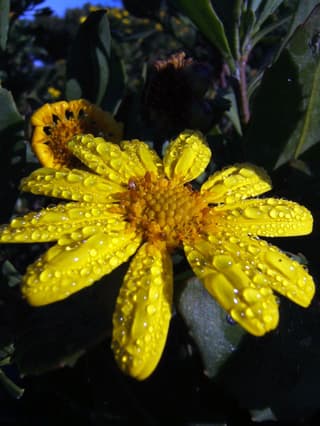
Bietou
Osteospermum moniliferum
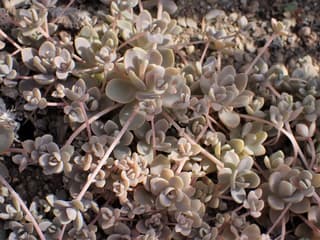
Green Dunce Cap
Orostachys malacophylla

Moroccan Daisy
Rhodanthemum hosmariense
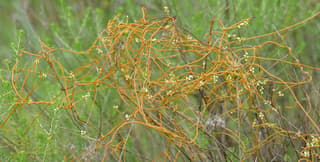
Field dodder
Cuscuta campestris
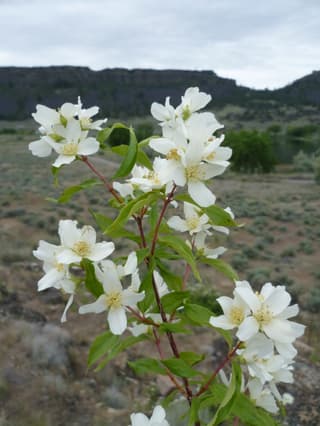
Lewis' Mock Orange
Philadelphus lewisii
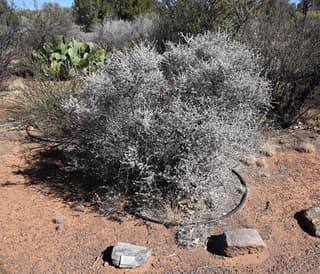
Thunder Cloud Sage
Leucophyllum candidum
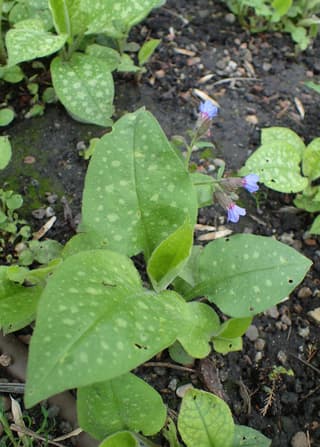
Bethlehem Sage
Pulmonaria saccharata
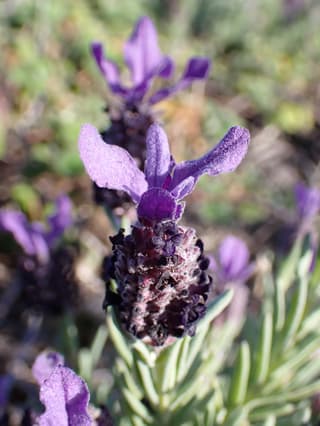
Spanish Lavender
Lavandula stoechas
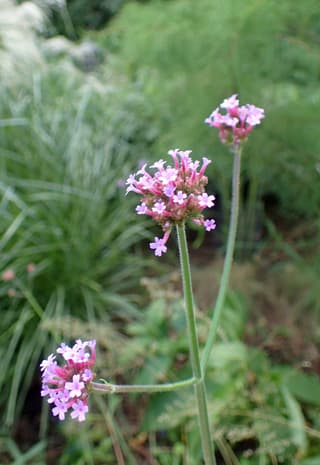
Purpletop Vervain
Verbena bonariensis
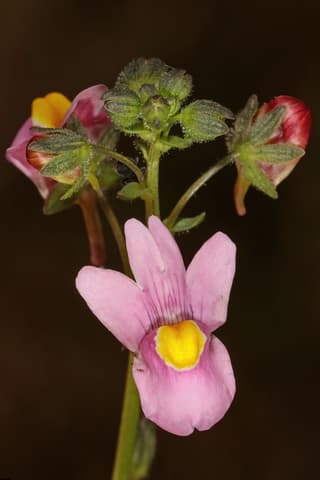
Mauve Nemesia
Nemesia fruticans
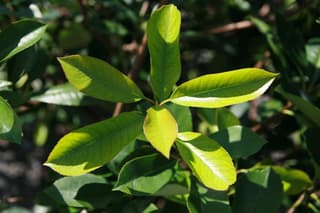
Red Robin Photinia
Photinia x fraseri
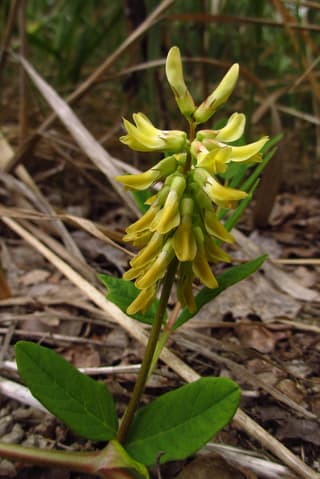
Astragalus
Astragalus
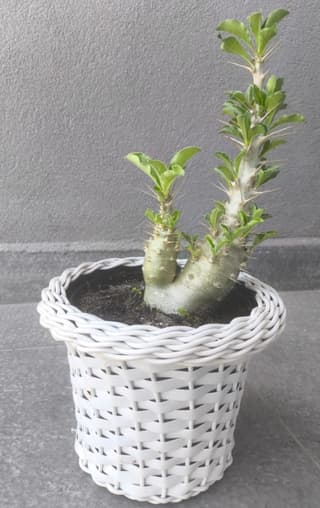
Kudu Lily
Pachypodium saundersii
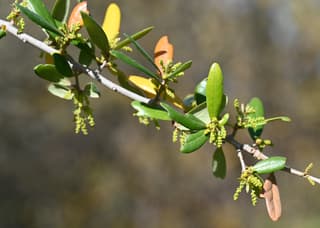
Southern Live Oak
Quercus virginiana
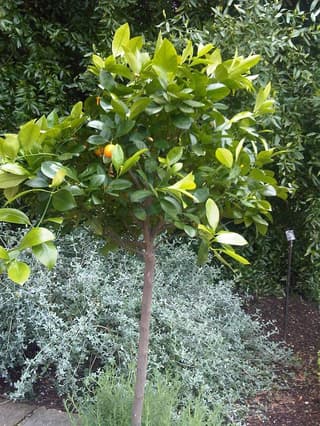
Sweet Orange
Citrus x sinensis
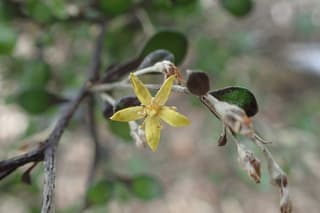
Wire-netting Bush
Corokia cotoneaster
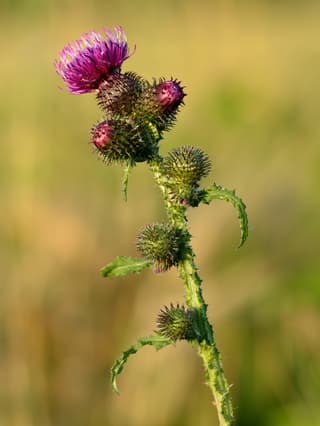
Thistle
Carduus
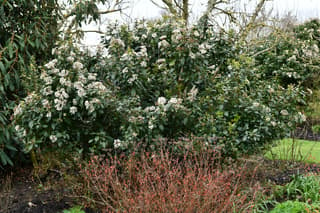
Laurustinus
Viburnum tinus
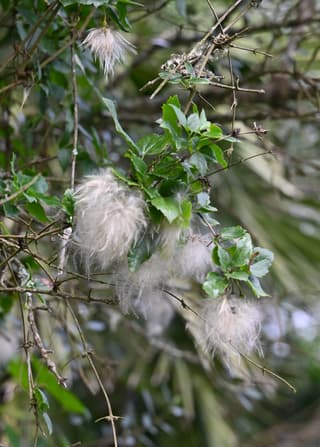
Fragrant Clematis
Clematis flammula
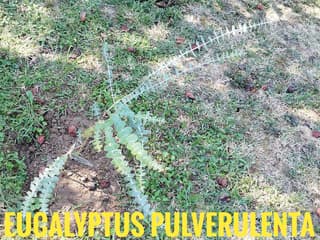
Silver-leaved Mountain Gum
Eucalyptus pulverulenta
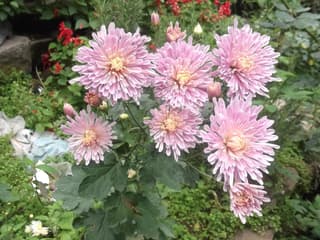
Chrysanthemum / Mum
Chrysanthemum
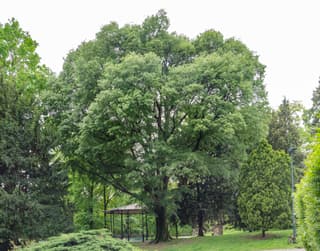
European Nettle Tree
Celtis australis
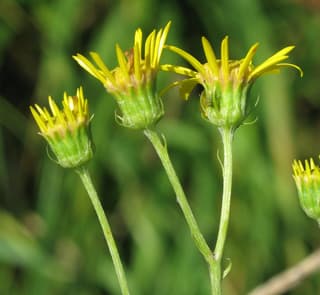
Hoary Ragwort
Jacobaea erucifolia
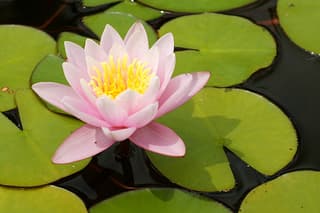
Water lily
Nymphaea × marliacea
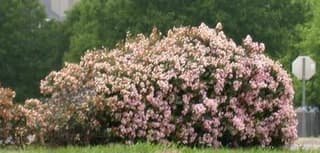
Indian Hawthorn
Rhaphiolepis indica
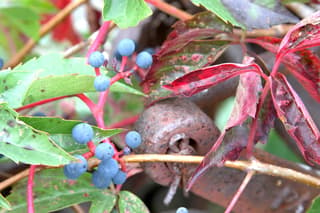
Woodbine
Parthenocissus vitacea
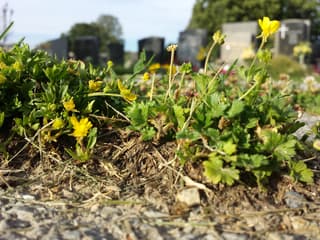
Hairy Buttercup
Ranunculus sardous
Prescott Valley Climate for Plant Growing
Prescott Valley has a climate with an average annual temperature of 13.7°C and average relative humidity of 40.5%. These climate conditions are ideal for various species of ornamental and fruit plants.
Tips for Growing Plants in Prescott Valley
To succeed in growing plants in Prescott Valley, consider the average temperature of 13.7°C when choosing your species. Protect cold-sensitive plants during winter. Water more frequently due to low humidity.
Why Choose Plants Adapted to the Local Climate?
Plants adapted to Prescott Valley's climate require less care, consume less water, and are more likely to thrive. Our selection considers the compatibility between each species' needs and local climate conditions, including temperature (13.7°C) and humidity (40.5%).