112 Best Orchids for Prescott Valley | 2026 Guide
The 112 best orchids to grow in Prescott Valley. Ideal climate: 13.7°C, 40.5% humidity.
112 Orchids for Prescott Valley
Showing 1-36 of 112
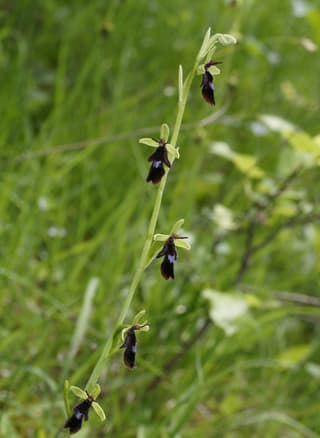
Fly Orchid
Ophrys insectifera
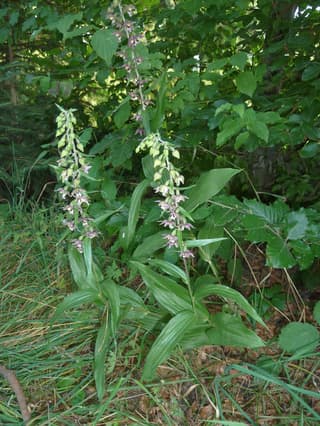
Helleborine
Epipactis

Green-winged orchid
Anacamptis morio
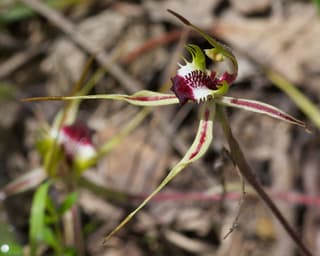
Small Spider-orchid
Caladenia parva
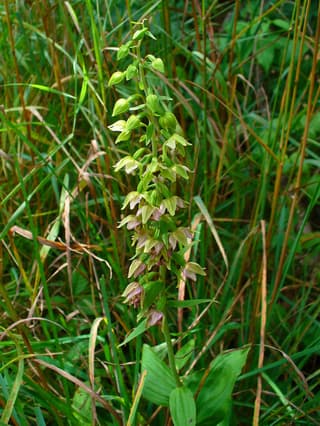
Broad-leaved Helleborine
Epipactis helleborine
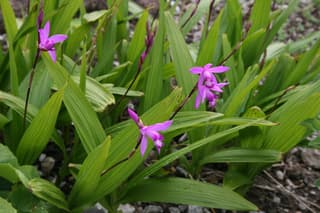
Chinese Ground Orchid
Bletilla striata
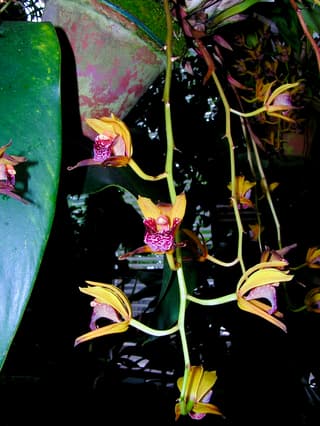
Devon's Cymbidium
Cymbidium devonianum
Hyacinth Orchid
Dipodium squamatum
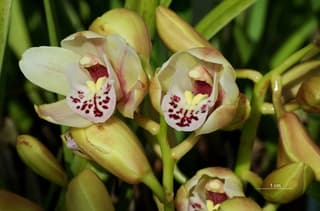
Cymbidium orchid
Cymbidium
Dancing Lady Orchid
Oncidium leleui
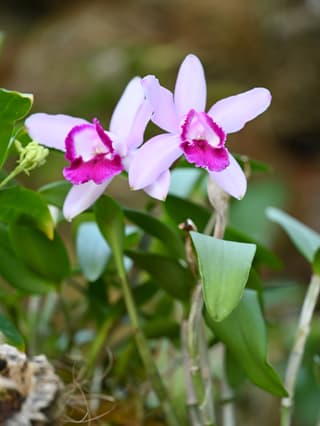
Easter Cattleya
Cattleya intermedia
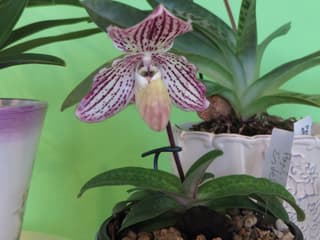
Lady Slipper Orchid
Paphiopedilum sp
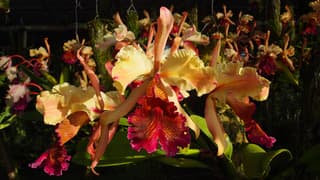
Jiminy Cricket Cattleya Orchid
Rhyncovola Jiminy Cricket x Cattleya dowiana
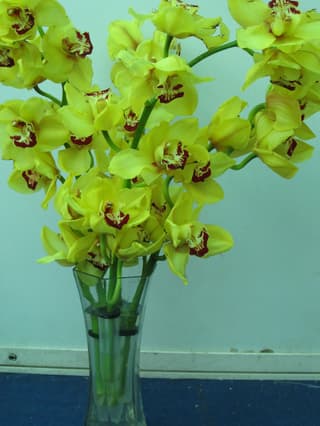
Boat Orchid
Cymbidium hybridum
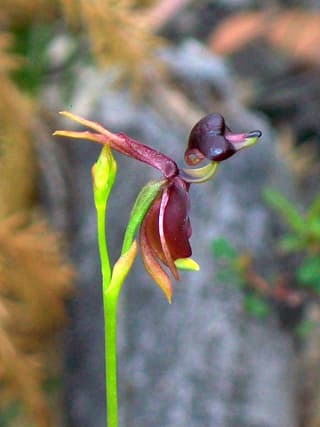
Flying Duck Orchid
Caleana major
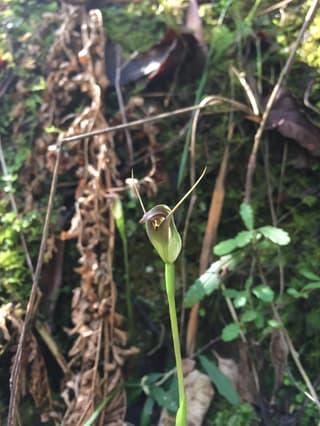
Maroonhood
Pterostylis pedunculata
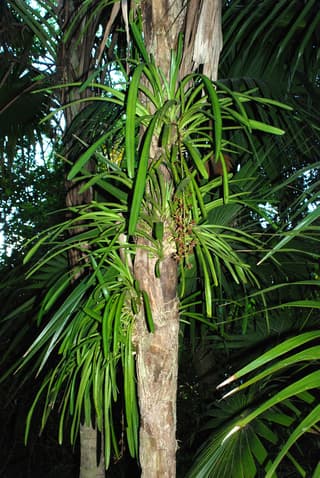
Indian Boat Orchid
Cymbidium aloifolium
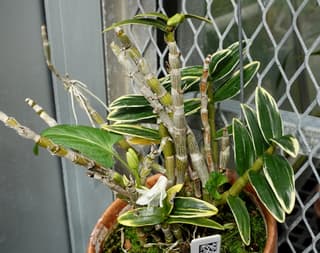
Sekkoku Orchid
Dendrobium moniliforme

Giant Orchid
Grammatophyllum speciosum
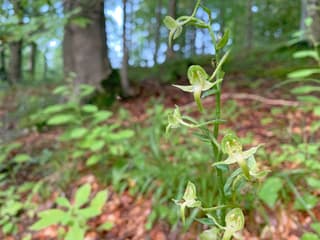
Greater Butterfly-orchid
Platanthera chlorantha
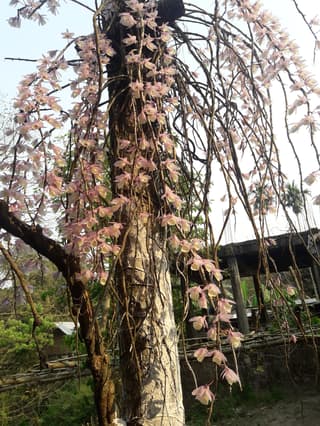
Hooded Orchid
Dendrobium aphyllum
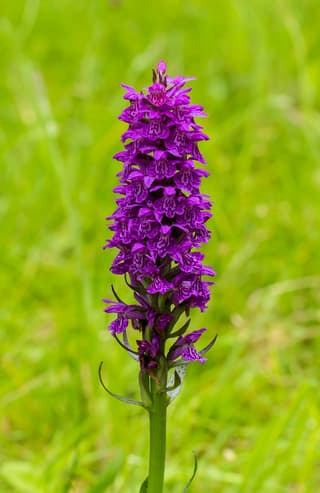
Heath Spotted Orchid
Dactylorhiza maculata
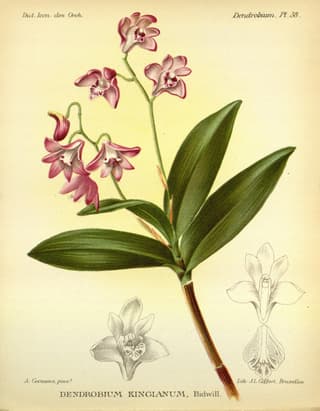
Pink Rock Orchid
Dendrobium kingianum
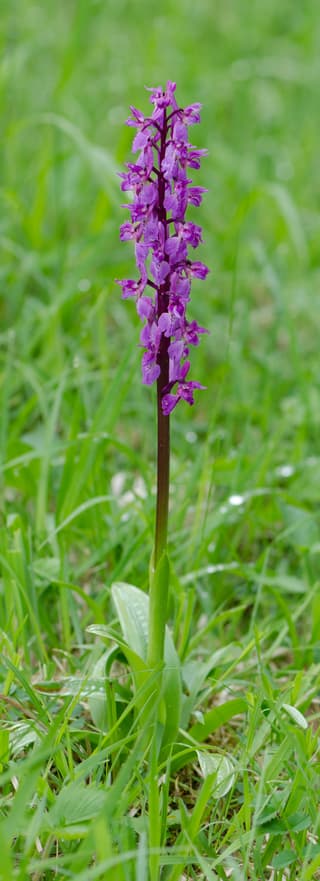
Early-purple orchid
Orchis mascula
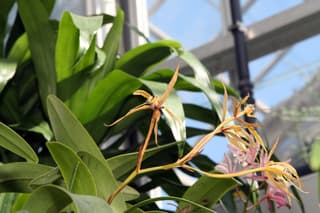
Fringed Star Orchid
Epidendrum ciliare
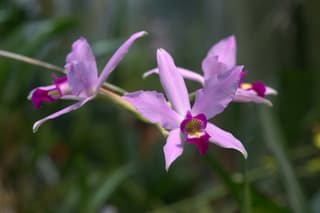
Two-edged Laelia
Laelia anceps
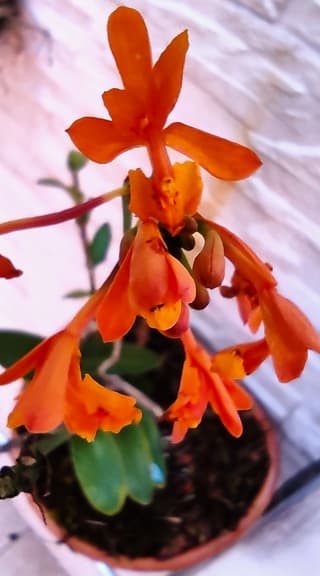
Beach Crucifix Orchid
Epidendrum fulgens

Noble Dendrobium
Dendrobium nobile
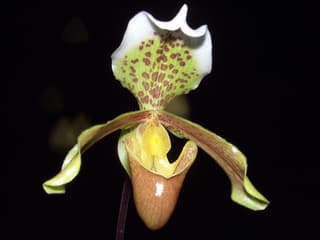
Lady Slipper Orchid
Paphiopedilum insigne
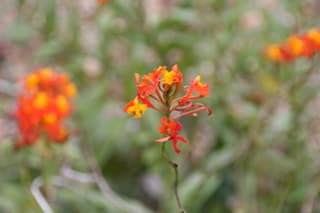
Crucifix Orchid
Epidendrum
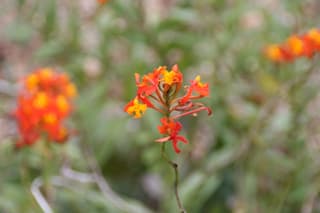
Reed-stem Epidendrum
Epidendrum radicans
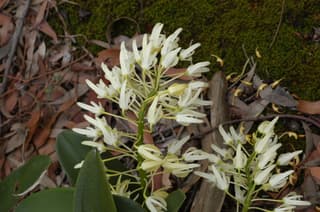
Rock Orchid
Dendrobium speciosum
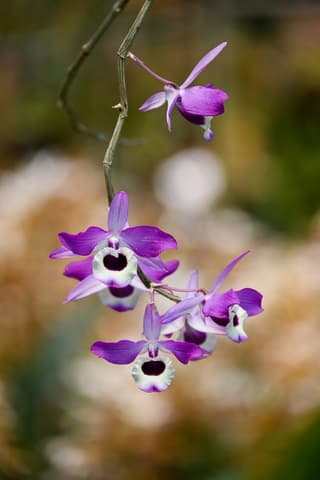
Dendrobium Orchid (genus)
Dendrobium
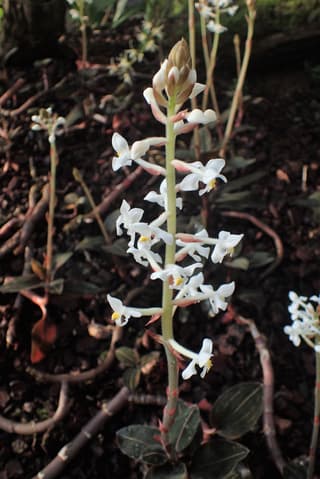
Jewel Orchid
Ludisia discolor
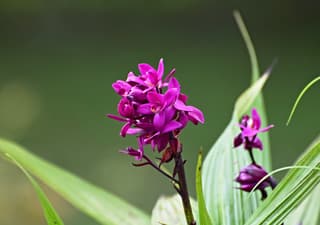
Clawed Ground Orchid
Spathoglottis unguiculata
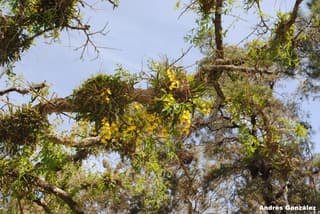
Dancing-lady orchid
Gomesa bifolia
Ideal Orchids for Prescott Valley's Climate
Prescott Valley has an average temperature of 13.7°C and humidity of 40.5%, conditions that directly influence which orchids best adapt to the local environment.
How to Grow Orchids in Prescott Valley
To successfully grow orchids in Prescott Valley, consider that the average temperature of 13.7°C and humidity of 40.5% create a specific microclimate. Lower humidity requires more frequent watering and use of drip trays.
Advantages of Choosing Adapted Orchids
Orchids adapted to Prescott Valley's climate show greater resistance, healthy growth, and less need for interventions.