500 Best Pet Safe for Prescott Valley | 2026 Guide
The 500 best pet safe to grow in Prescott Valley. Ideal climate: 13.7°C, 40.5% humidity.
500 Pet Safe for Prescott Valley
Showing 1-36 of 500
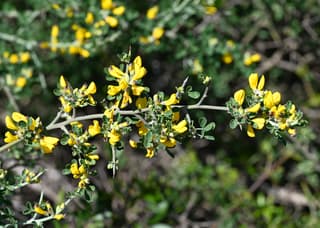
Hairy Thorny Broom
Calicotome villosa
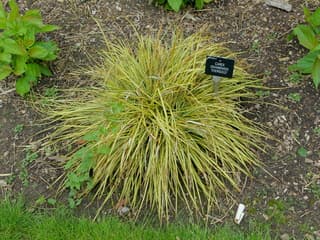
Japanese Sedge
Carex oshimensis
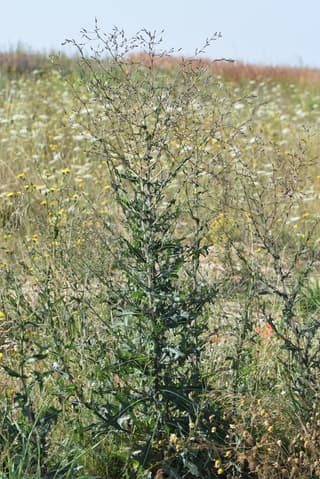
Prickly Lettuce
Lactuca serriola
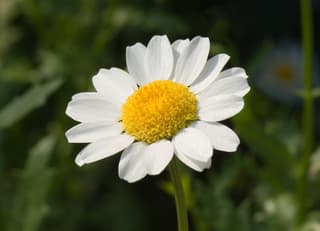
Mini Marguerite
Mauranthemum paludosum
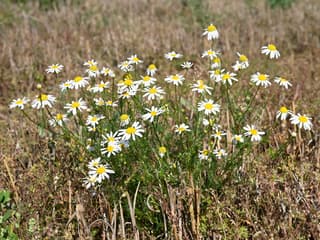
Scentless Chamomile
Tripleurospermum inodorum
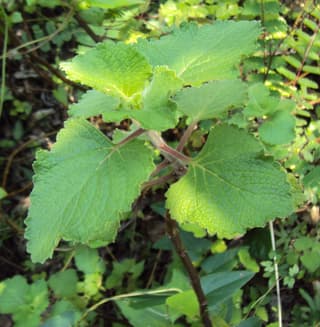
Hairy Coleus
Coleus hadiensis
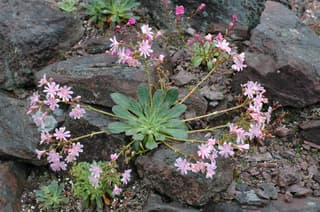
Siskiyou Lewisia
Lewisia cotyledon
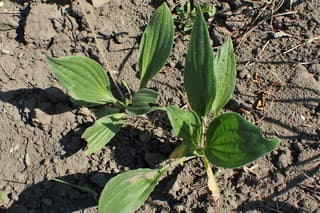
Asian Plantain
Plantago asiatica
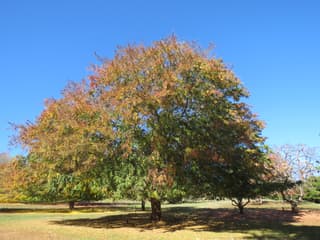
Chinese Elm
Ulmus parvifolia
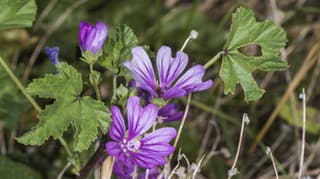
High mallow
Malva sylvestris
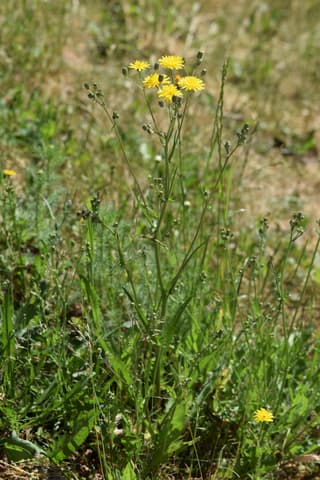
smooth hawksbeard
Crepis capillaris
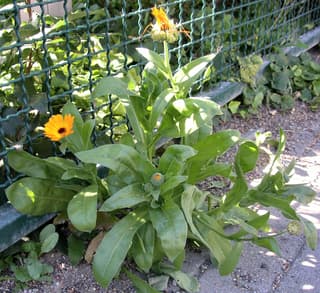
Pot Marigold
Calendula officinalis
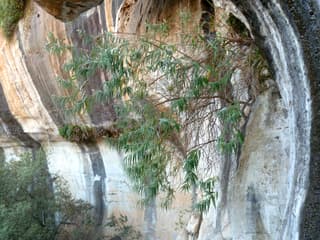
Sagewood
Buddleja salviifolia
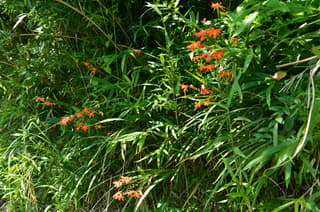
Montbretia
Crocosmia × crocosmiiflora
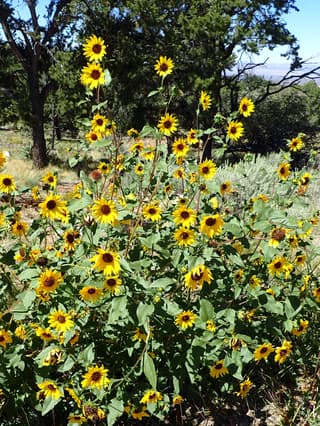
Prairie Sunflower
Helianthus petiolaris
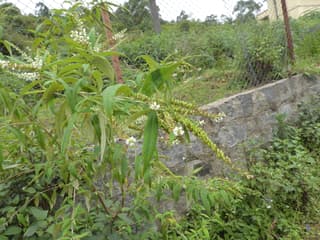
Chaste tree
Vitex
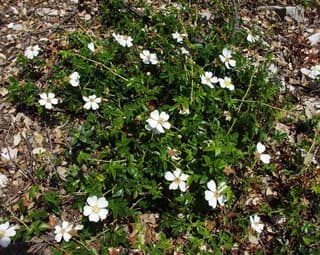
Evergreen Rose
Rosa sempervirens
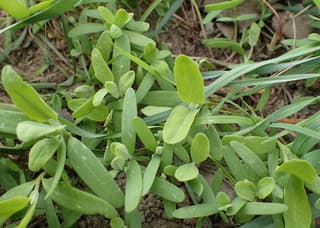
Common Orache
Atriplex patula
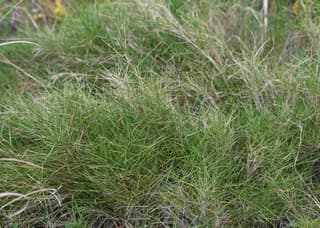
Mediterranean False Brome
Brachypodium retusum
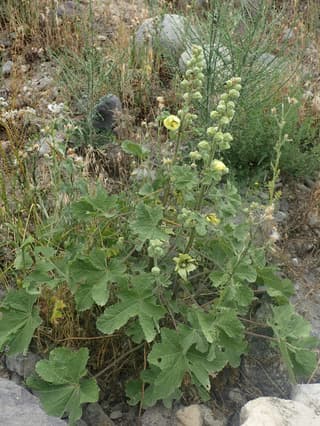
Russian Hollyhock
Alcea rugosa
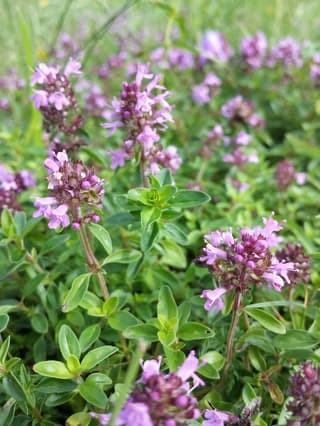
Broad-leaved Thyme
Thymus pulegioides
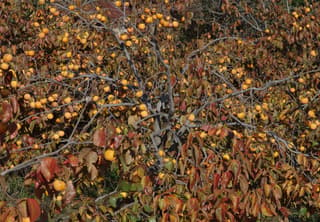
Japanese Persimmon
Diospyros kaki
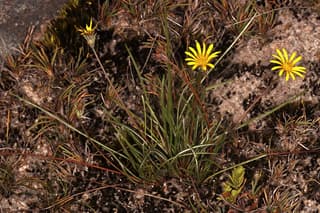
Treasure Flower
Gazania linearis
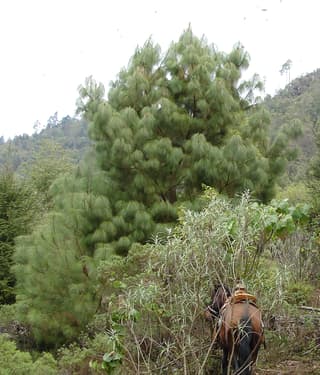
Smooth-bark Mexican Pine
Pinus pseudostrobus
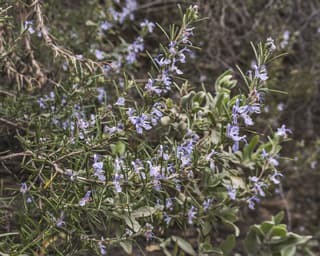
Rosemary
Rosmarinus officinalis
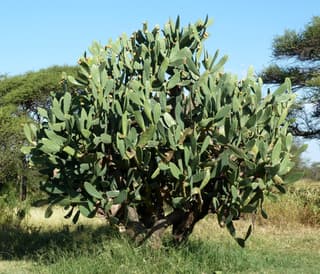
Prickly Pear Cactus
Opuntia
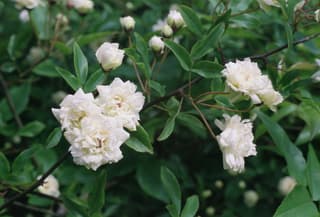
Lady Banks' Rose
Rosa banksiae
Black Felt Lichen
Placynthium nigrum
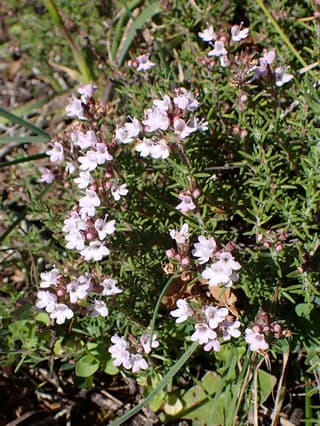
Spanish Thyme
Thymus zygis
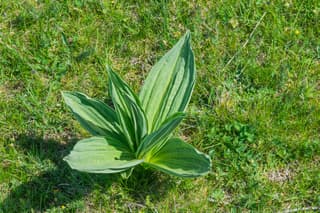
Gentian
Gentiana
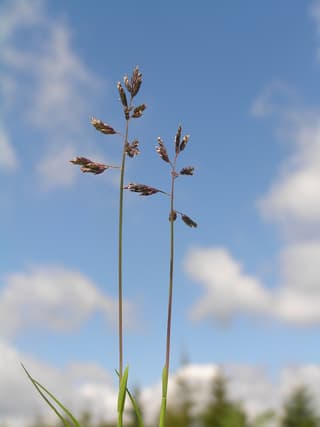
Supine bluegrass
Poa supina
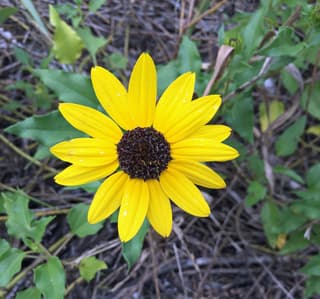
Beach Sunflower
Helianthus debilis
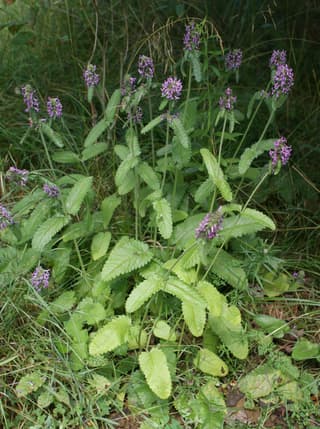
Wood Betony
Betonica officinalis
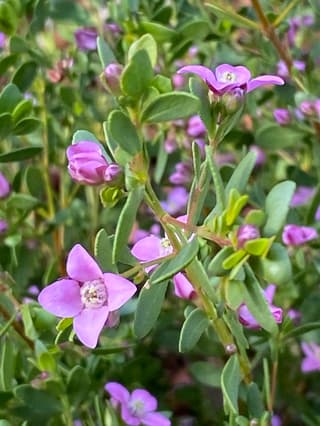
Aniseed Boronia
Boronia crenulata
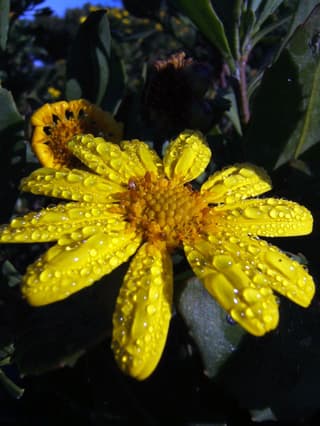
Bietou
Osteospermum moniliferum
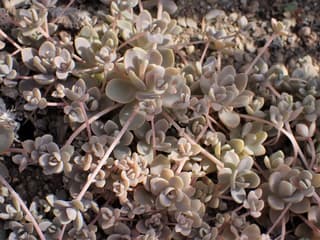
Green Dunce Cap
Orostachys malacophylla
Ideal Pet Safe for Prescott Valley's Climate
Prescott Valley has an average temperature of 13.7°C and humidity of 40.5%, conditions that directly influence which pet safe best adapt to the local environment.
How to Grow Pet Safe in Prescott Valley
To successfully grow pet safe in Prescott Valley, consider that the average temperature of 13.7°C and humidity of 40.5% create a specific microclimate. Lower humidity requires more frequent watering and use of drip trays.
Advantages of Choosing Adapted Pet Safe
Pet Safe adapted to Prescott Valley's climate show greater resistance, healthy growth, and less need for interventions.