500 Best Pet Safe for Richland County | 2026 Guide - Page 11
The 500 best pet safe to grow in Richland County. Ideal climate: 18.2°C, 68.9% humidity.
500 Pet Safe for Richland County
Showing 361-396 of 500
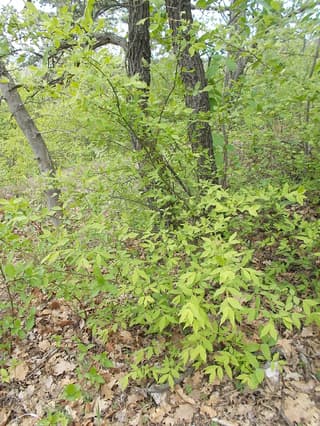
Common Dogwood
Cornus sanguinea
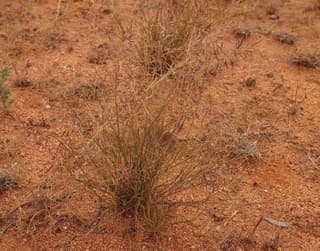
Little lovegrass
Eragrostis minor
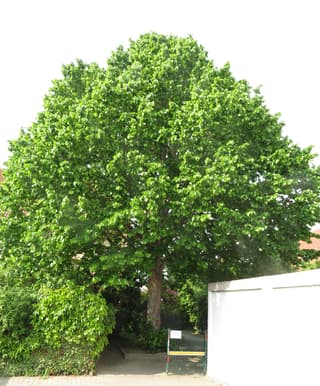
Common Hazel
Corylus avellana
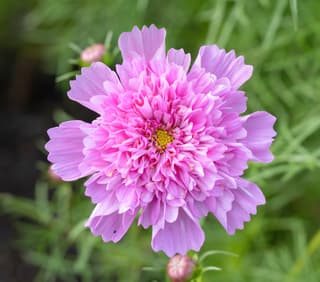
Garden Cosmos
Cosmos
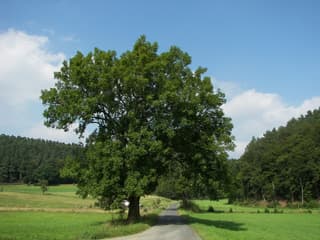
European Ash
Fraxinus excelsior
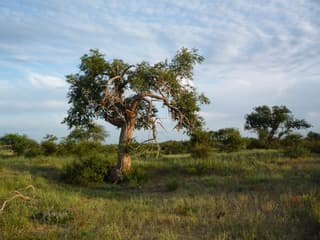
Siberian Elm
Ulmus pumila
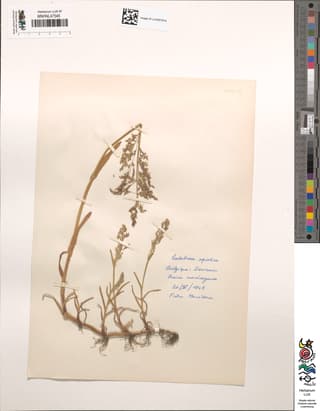
Water Whorlgrass
Catabrosa aquatica
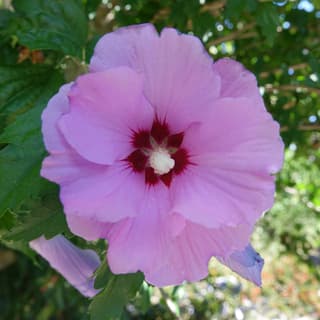
Rose of Sharon
Hibiscus syriacus
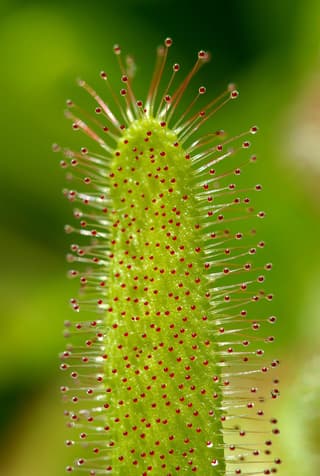
Cape Sundew
Drosera capensis
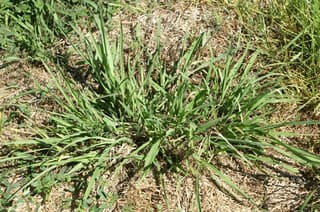
Dallisgrass
Paspalum dilatatum
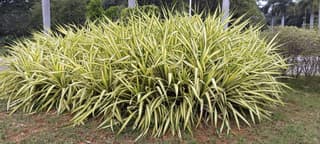
Screw Pine
Pandanus
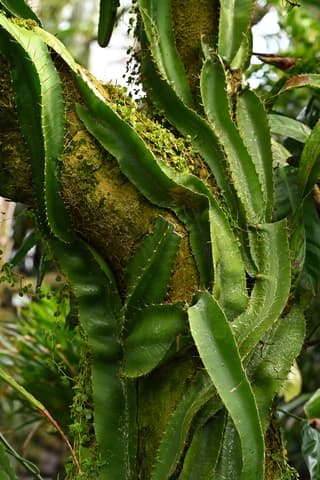
Climbing Cactus
Epiphyllum phyllanthus
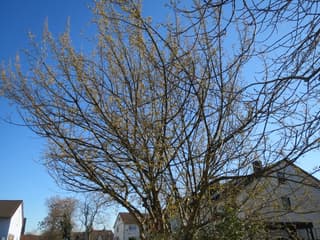
Cornelian Cherry
Cornus mas
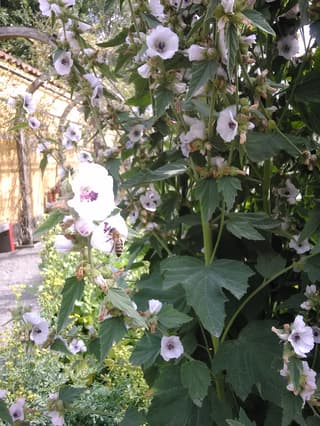
Marshmallow
Althaea officinalis
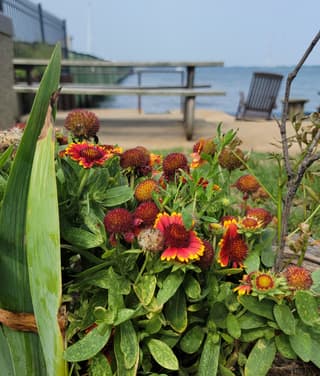
Indian Blanket
Gaillardia pulchella
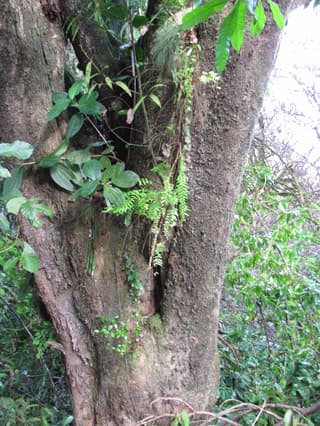
Fishtail Fern
Nephrolepis falcata

Arugula
Eruca vesicaria
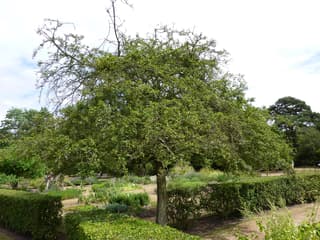
Midland Hawthorn
Crataegus laevigata
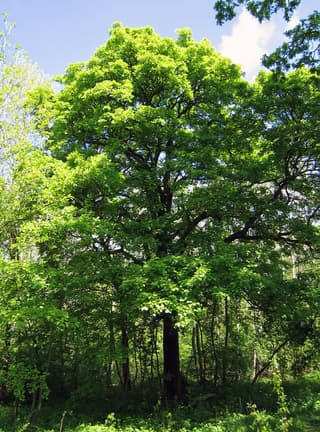
Wild Service Tree
Torminalis glaberrima
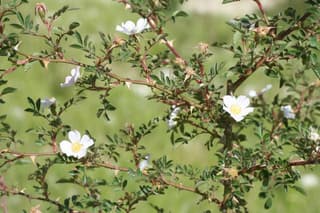
Small-leaved Sweet-briar
Rosa agrestis
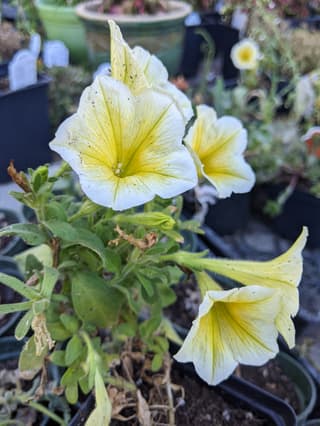
Garden Petunia
Petunia x hybrida
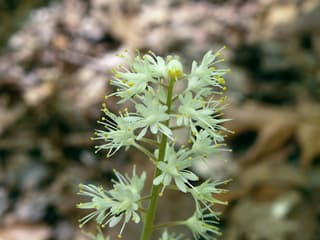
Foamflower
Tiarella cordifolia
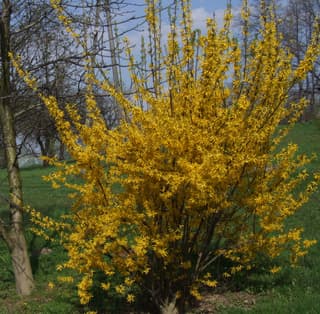
Border Forsythia
Forsythia x intermedia
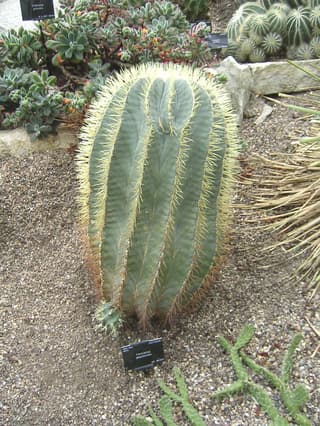
Blue Barrel Cactus
Ferocactus glaucescens
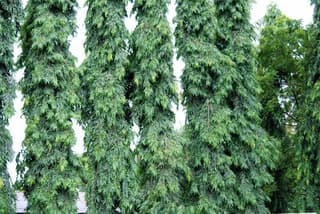
Mast Tree
Polyalthia longifolia
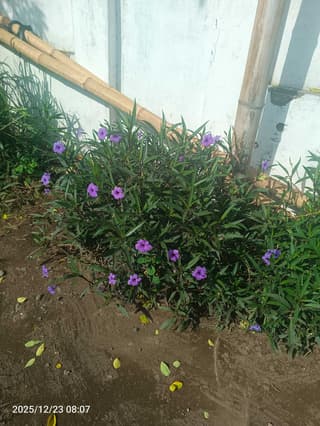
Wild Petunia
Ruellia
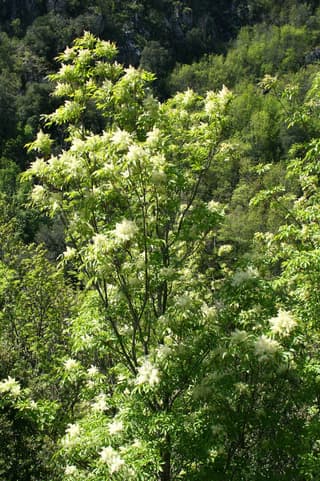
Manna Ash
Fraxinus ornus
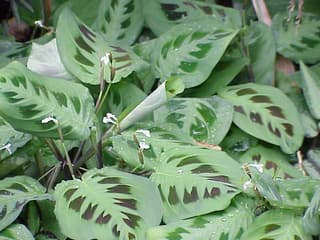
Prayer Plant
Maranta leuconeura
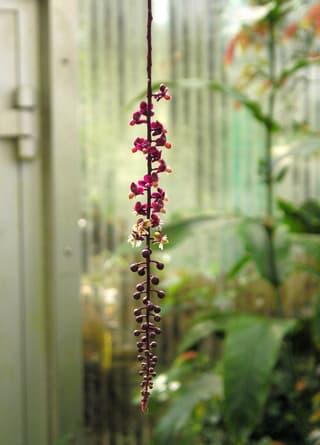
Peacock Plant
Calathea makoyana
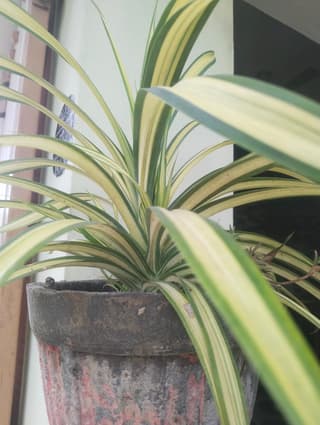
Spider Plant (genus)
Chlorophytum
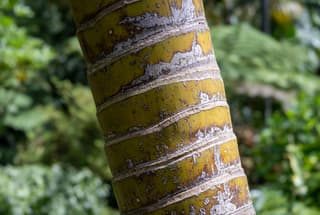
Areca Palm
Dypsis lutescens
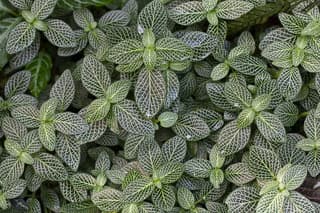
Nerve Plant
Fittonia albivenis
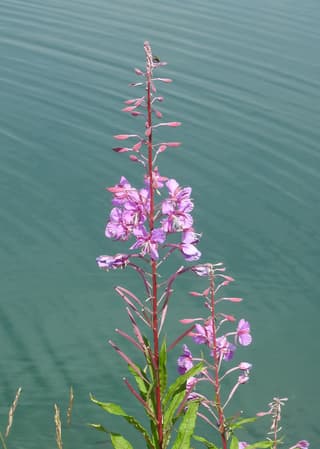
Willowherb / Fireweed (genus)
Epilobium
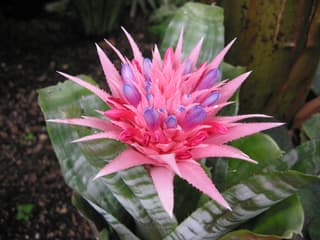
Urn Plant
Aechmea fasciata
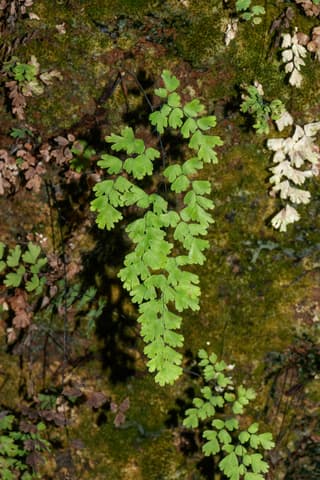
Maidenhair Fern
Adiantum capillus-veneris
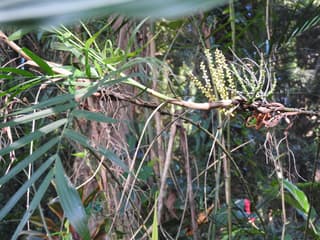
Bamboo Palm
Chamaedorea seifrizii
Ideal Pet Safe for Richland County's Climate
Richland County has an average temperature of 18.2°C and humidity of 68.9%, conditions that directly influence which pet safe best adapt to the local environment.
How to Grow Pet Safe in Richland County
To successfully grow pet safe in Richland County, consider that the average temperature of 18.2°C and humidity of 68.9% create a specific microclimate. Moderate humidity is favorable for most species in this category.
Advantages of Choosing Adapted Pet Safe
Pet Safe adapted to Richland County's climate show greater resistance, healthy growth, and less need for interventions.