500 Best Plants for Rio Paranaíba | 2026 Guide - Page 11
Discover the 500 ideal plants for Rio Paranaíba's climate. Average temp: 20.8°C, Humidity: 67.4%.
Top 500 Plants for Rio Paranaíba
Showing 361-396 of 500
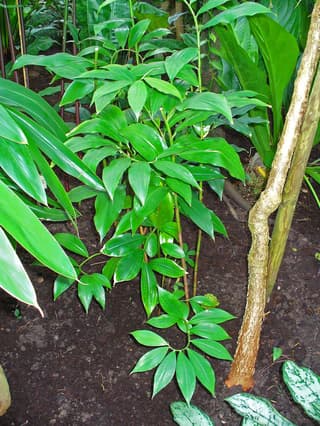
Crepe Ginger
Hellenia speciosa
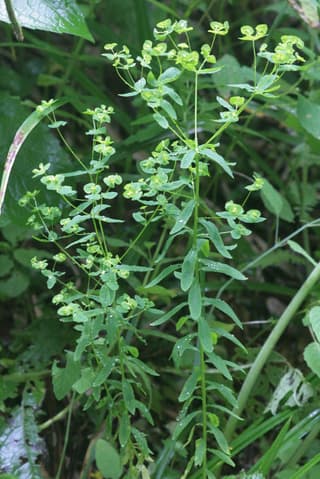
Upright Spurge
Euphorbia stricta
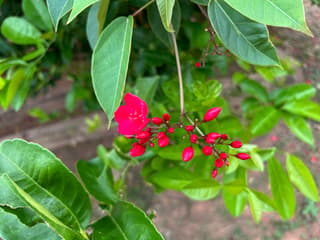
Peregrina
Jatropha integerrima
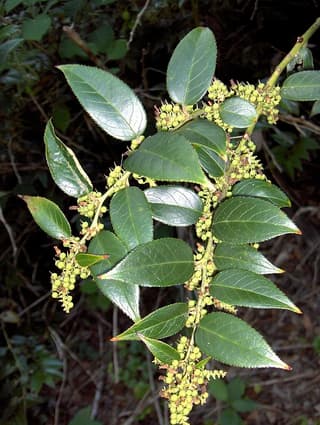
Fetterbush
Leucothoe fontanesiana
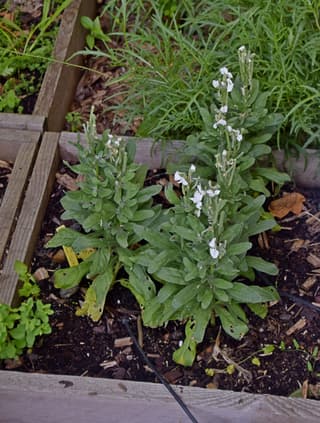
Stock
Matthiola
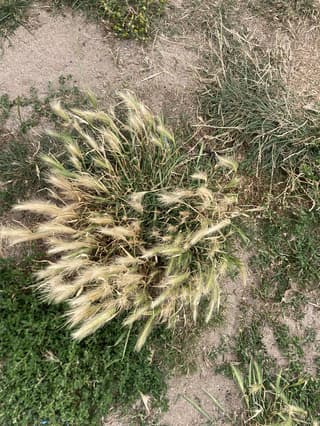
Wall barley
Hordeum murinum
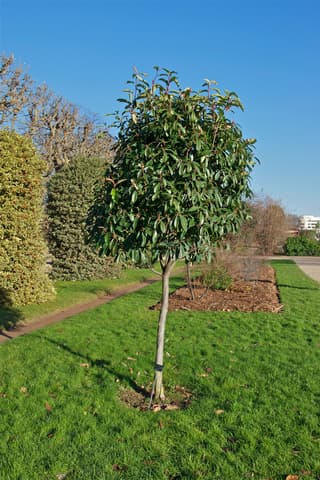
Chinese Photinia
Photinia serratifolia
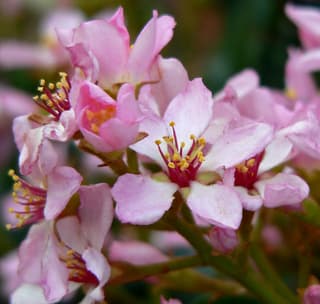
Indian Hawthorn
Rhaphiolepis
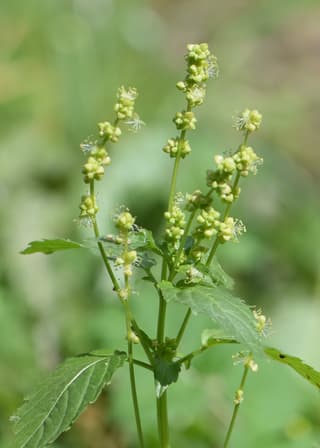
Annual mercury
Mercurialis annua
Zoysia Grass
Zoysia japonica

Field Maple
Acer campestre

Muriel's Bamboo
Fargesia murielae
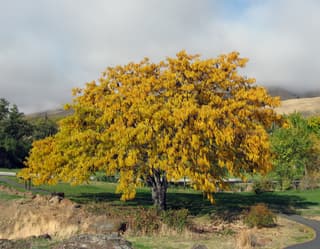
Honey Locust
Gleditsia triacanthos
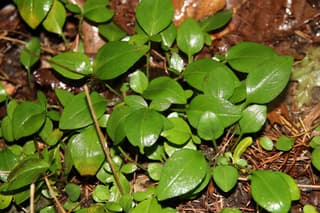
Shrubby St. John's Wort
Hypericum prolificum
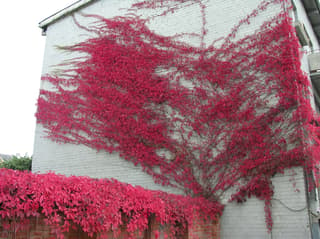
Woodbine
Parthenocissus
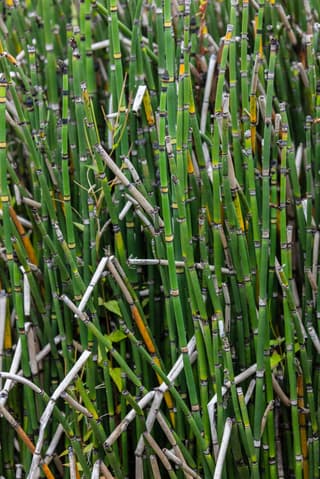
Rough Horsetail
Equisetum hyemale
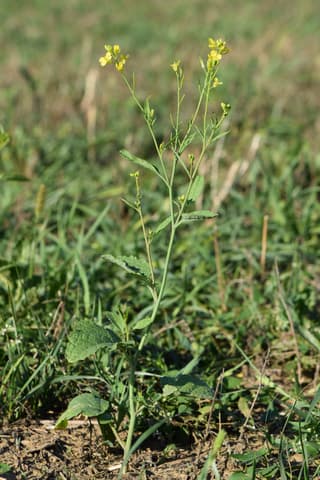
Brown Mustard
Brassica juncea
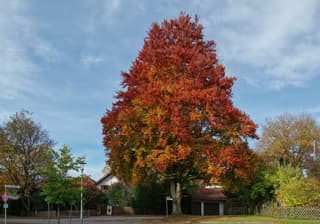
European Beech
Fagus sylvatica
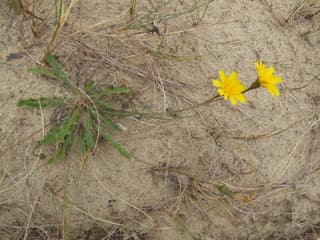
Lesser Hawkbit
Leontodon saxatilis
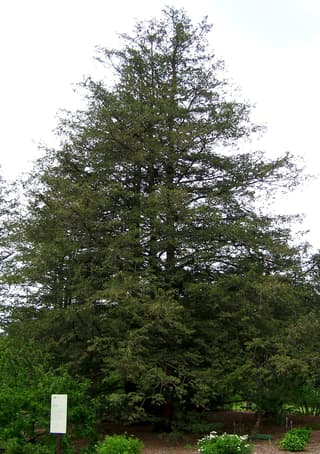
Sawara cypress
Chamaecyparis pisifera
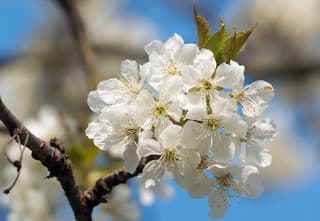
Sour Cherry
Prunus cerasus
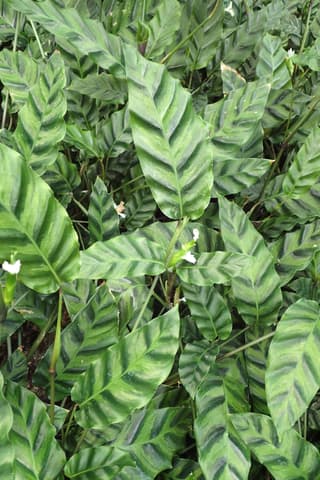
Thai Beauty Calathea
Goeppertia louisae
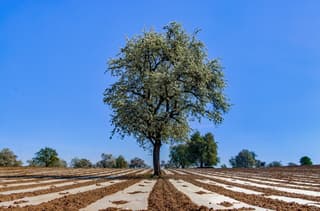
Pear
Pyrus
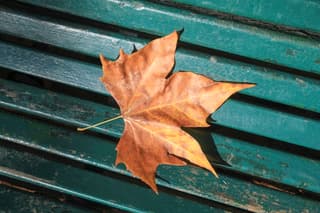
London plane
Platanus × hispanica
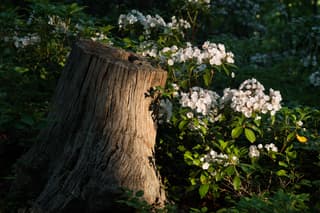
Mountain Laurel
Kalmia
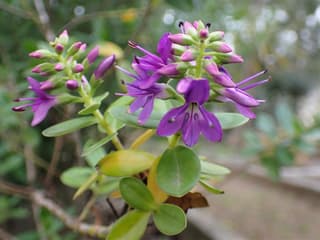
Franciscan Hebe
Veronica × franciscana
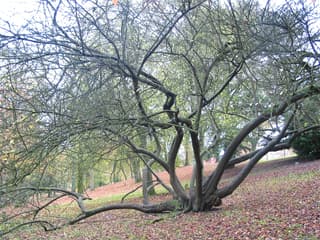
Cherry Plum
Prunus cerasifera
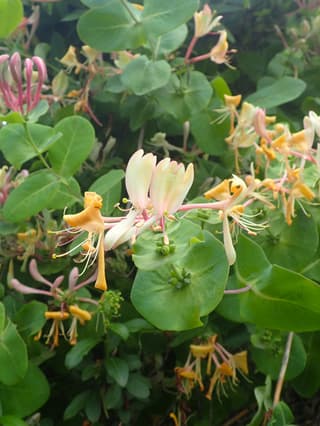
Italian Honeysuckle
Lonicera caprifolium
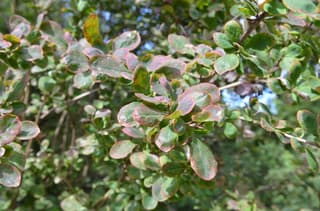
Ottawa Barberry
Berberis × ottawensis
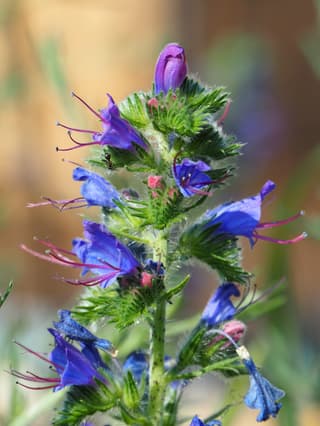
Viper's Bugloss
Echium vulgare
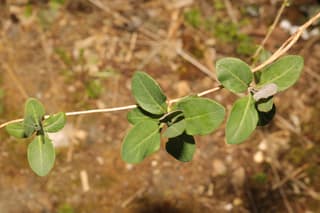
Honeysuckle
Lonicera
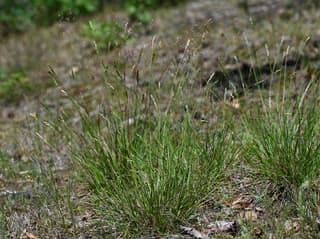
Heath-grass
Danthonia decumbens
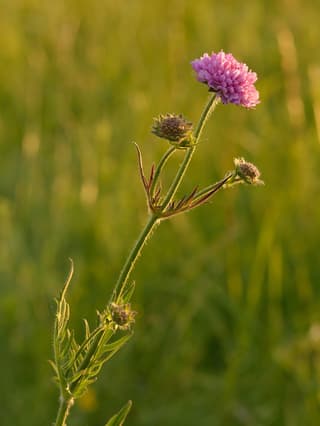
Field Scabious
Knautia arvensis
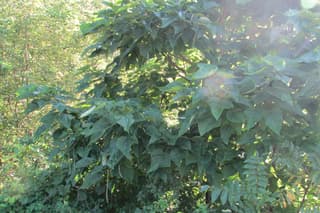
Northern Catalpa
Catalpa speciosa
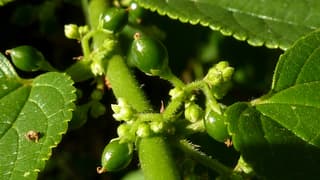
Jamaican Nettle Tree
Trema micrantha
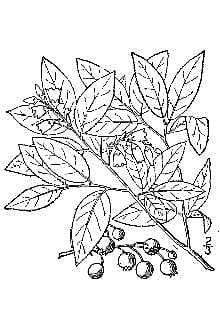
Hillside Blueberry
Vaccinium pallidum
Rio Paranaíba Climate for Plant Growing
Rio Paranaíba has a climate with an average annual temperature of 20.8°C and average relative humidity of 67.4%. These climate conditions are ideal for various species of ornamental and fruit plants.
Tips for Growing Plants in Rio Paranaíba
To succeed in growing plants in Rio Paranaíba, consider the average temperature of 20.8°C when choosing your species. The temperate climate allows you to grow a wide variety of species. Moderate humidity is ideal for most plants.
Why Choose Plants Adapted to the Local Climate?
Plants adapted to Rio Paranaíba's climate require less care, consume less water, and are more likely to thrive. Our selection considers the compatibility between each species' needs and local climate conditions, including temperature (20.8°C) and humidity (67.4%).