500 Best Easy Care for Salvador do Sul | 2026 Guide - Page 9
The 500 best easy care to grow in Salvador do Sul. Ideal climate: 18.5°C, 79.8% humidity.
500 Easy Care for Salvador do Sul
Showing 289-324 of 500
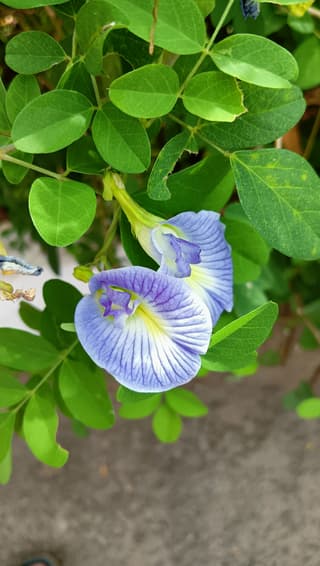
Butterfly Pea
Clitoria ternatea
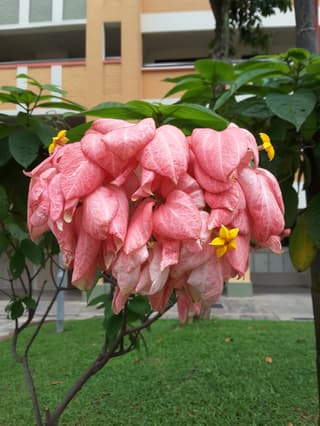
Dona Alicia Mussaenda
Mussaenda alicia
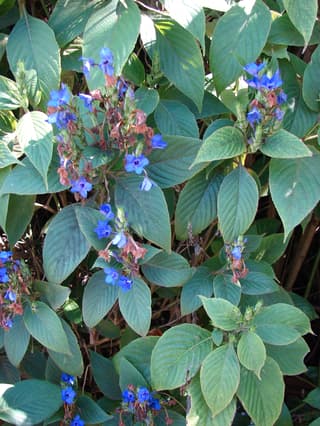
Blue Sage
Eranthemum pulchellum
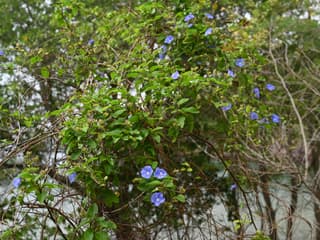
Skyblue Clustervine
Jacquemontia pentanthos
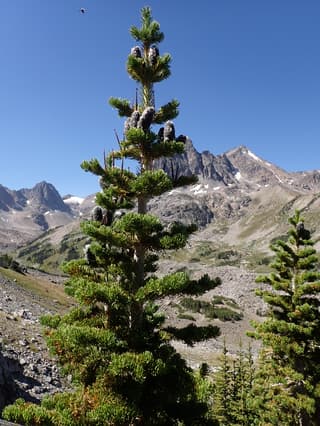
Subalpine Fir
Abies lasiocarpa
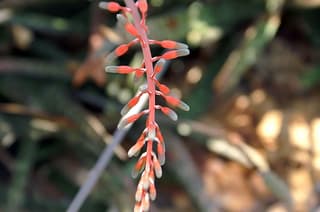
Ox tongue
Gasteria bicolor
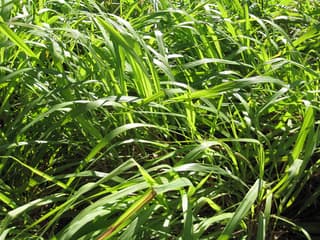
Java Citronella
Cymbopogon winterianus
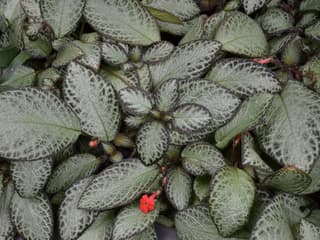
Flame Violet
Episcia reptans
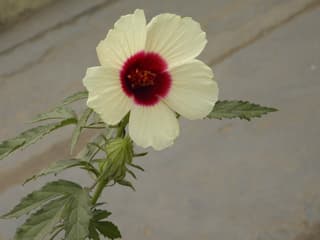
Kenaf
Hibiscus cannabinus
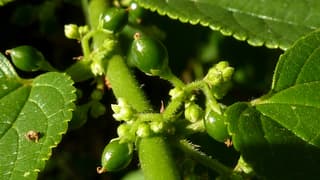
Jamaican Nettle Tree
Trema micrantha
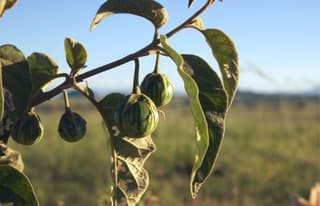
Ethiopian Eggplant
Solanum aethiopicum
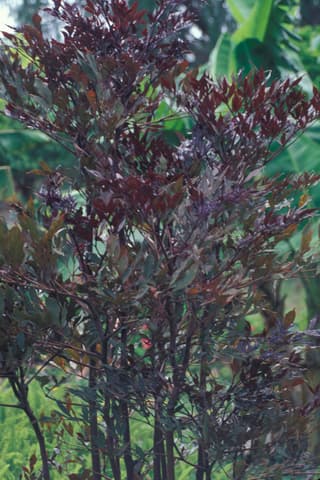
Red Leea
Leea guineensis
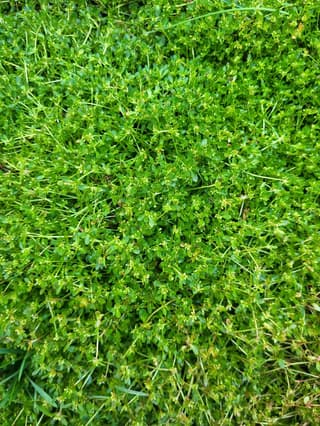
Koenigia (Iceland-Purslane)
Koenigia
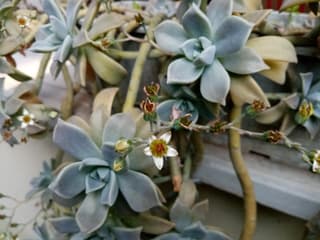
Ghost Plant
Graptopetalum
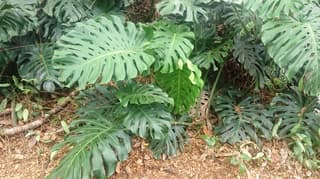
Swiss Cheese Plant
Monstera deliciosa
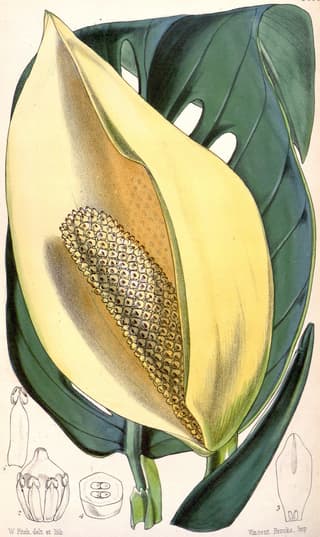
Swiss Cheese Vine
Monstera adansonii
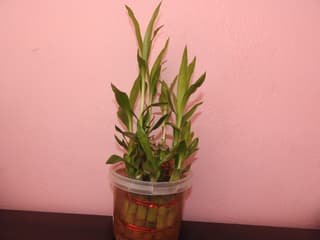
Lucky Bamboo
Dracaena sanderiana
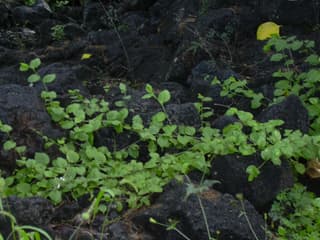
Chinese Violet
Asystasia gangetica
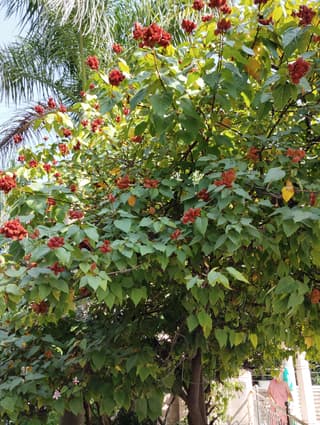
Annatto
Bixa orellana
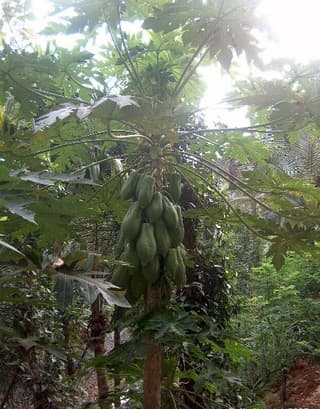
Papaya
Carica papaya
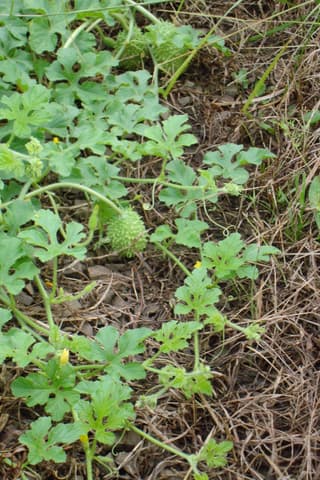
West Indian Gherkin
Cucumis anguria
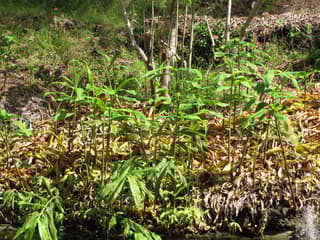
Yellow Marsh Ginger Lily
Hedychium chrysoleucum
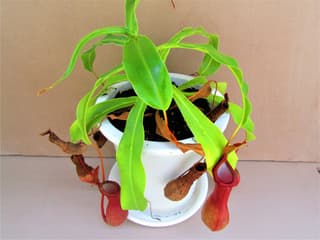
Common Swamp Pitcher-Plant
Nepenthes mirabilis

Common Water-plantain
Alisma plantago-aquatica
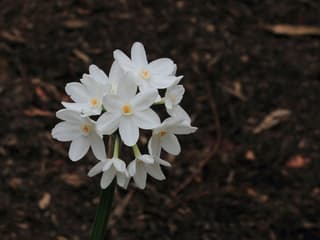
Paperwhite
Narcissus papyraceus
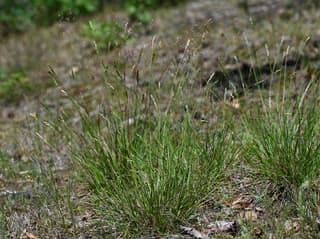
Heath-grass
Danthonia decumbens
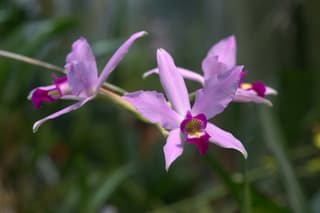
Two-edged Laelia
Laelia anceps
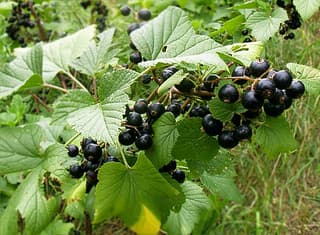
Blackcurrant
Ribes nigrum
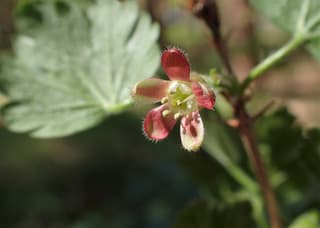
Gooseberry
Ribes uva-crispa
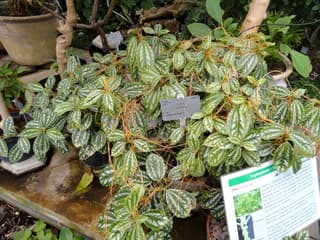
Aluminum Plant
Pilea cadierei
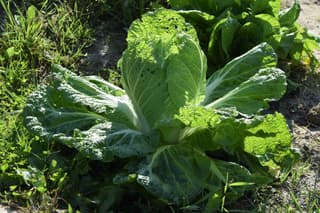
Chinese Cabbage
Brassica rapa pekinensis

Laurel Clockvine
Thunbergia laurifolia
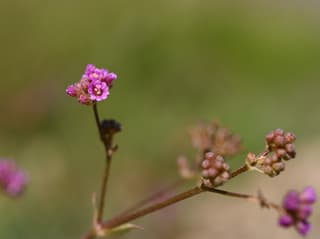
Red Spiderling
Boerhavia diffusa
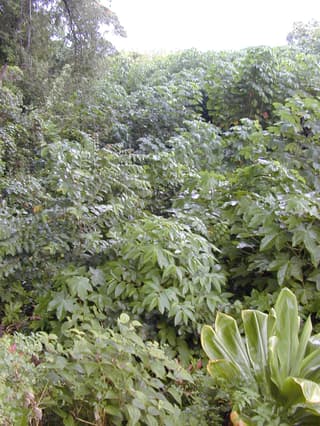
Matico
Piper aduncum
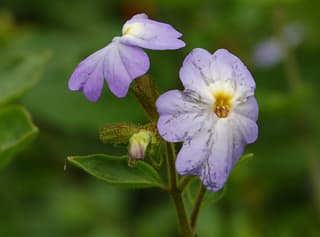
Jamaican Forget-Me-Not
Browallia americana
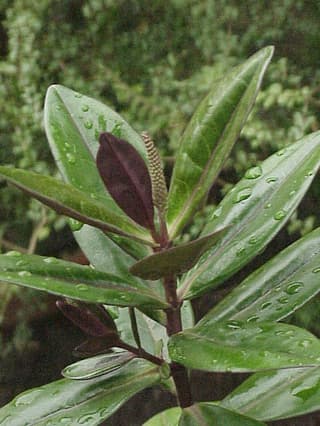
Showy Hebe
Hebe speciosa
Ideal Easy Care for Salvador do Sul's Climate
Salvador do Sul has an average temperature of 18.5°C and humidity of 79.8%, conditions that directly influence which easy care best adapt to the local environment.
How to Grow Easy Care in Salvador do Sul
To successfully grow easy care in Salvador do Sul, consider that the average temperature of 18.5°C and humidity of 79.8% create a specific microclimate. High humidity favors tropical species, but requires attention to ventilation to prevent fungal issues.
Advantages of Choosing Adapted Easy Care
Easy Care adapted to Salvador do Sul's climate show greater resistance, healthy growth, and less need for interventions.