500 Best Pet Safe for San Ciro de Acosta | 2026 Guide - Page 9
The 500 best pet safe to grow in San Ciro de Acosta. Ideal climate: 21°C, 72.6% humidity.
500 Pet Safe for San Ciro de Acosta
Showing 289-324 of 500
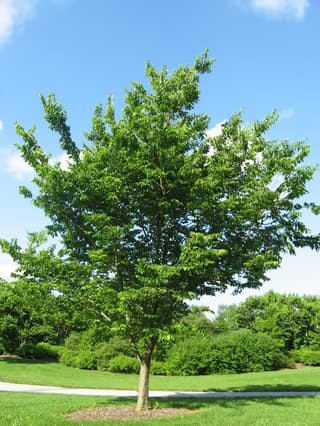
Common hackberry
Celtis occidentalis
Larch bolete
Suillus grevillei
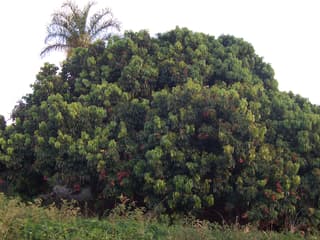
Lychee
Litchi chinensis
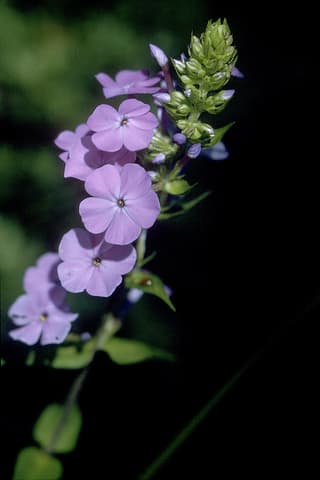
Wild Sweet William
Phlox maculata
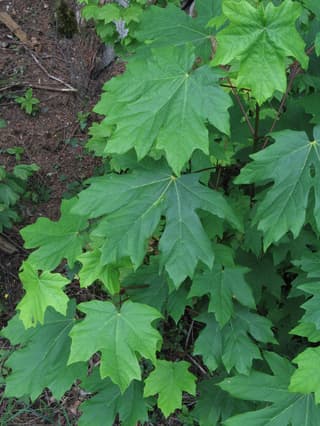
Bigleaf maple
Acer macrophyllum
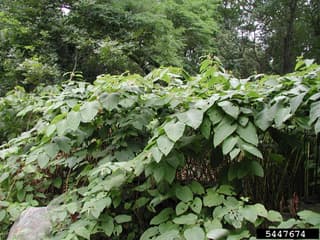
Giant Knotweed
Reynoutria sachalinensis
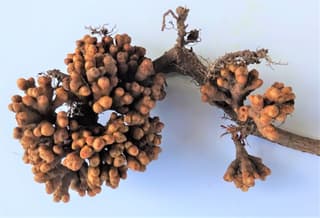
Alder
Alnus
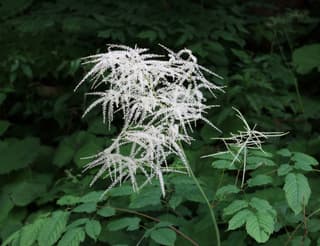
Goat's Beard
Aruncus dioicus
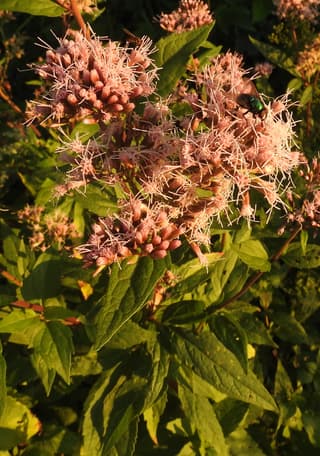
Boneset
Eupatorium
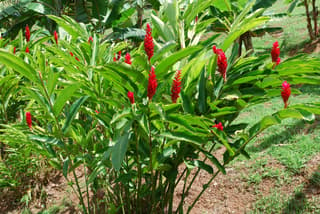
Red Ginger
Alpinia purpurata
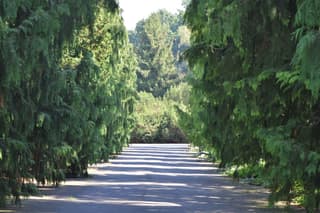
Lawson's Cypress
Chamaecyparis lawsoniana
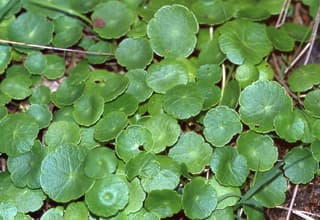
Marsh pennywort
Hydrocotyle vulgaris
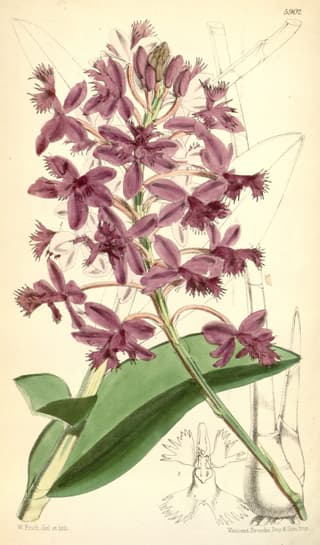
Jamieson's Epidendrum
Epidendrum jamiesonis
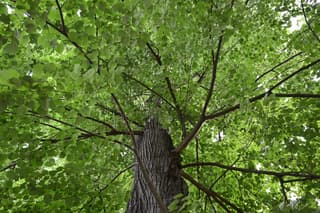
Silver Linden
Tilia tomentosa
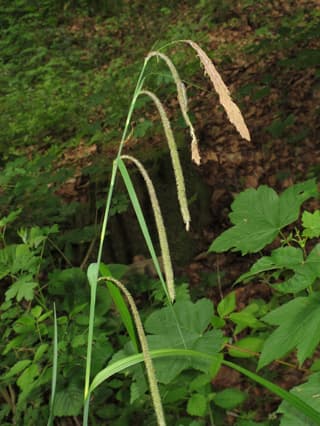
Pendulous Sedge
Carex pendula
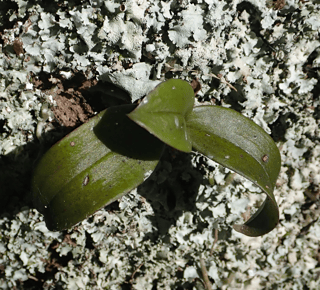
Green Fleshy Tree Orchid
Drymoanthus adversus
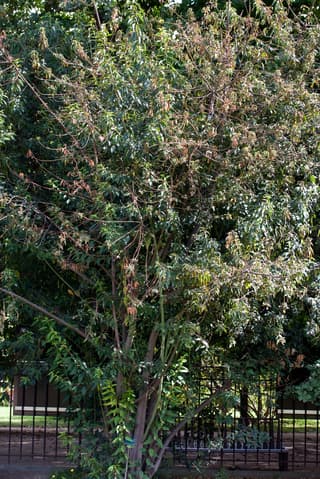
Maqui berry
Aristotelia chilensis
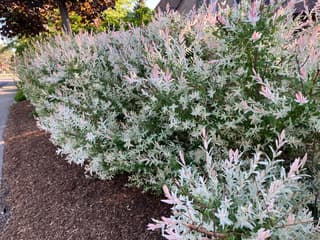
Dappled Willow 'Hakuro Nishiki'
Salix integra 'Hakuro Nishiki'
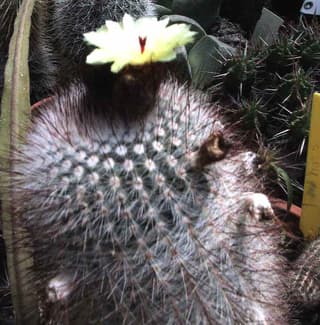
Silver Ball Cactus
Parodia scopa
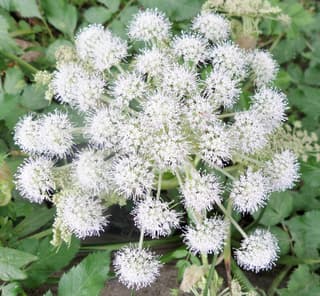
Wild Angelica
Angelica sylvestris
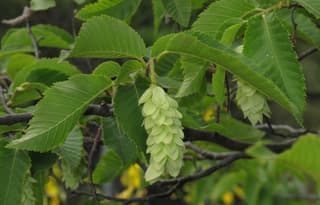
European hop-hornbeam
Ostrya carpinifolia
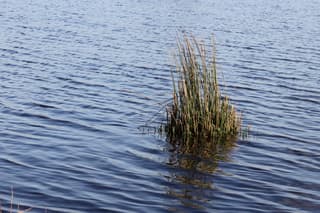
Soft Rush
Juncus effusus
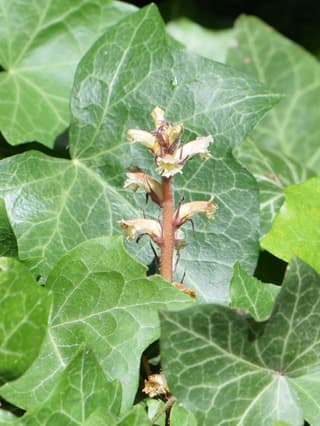
Ivy Broomrape
Orobanche hederae
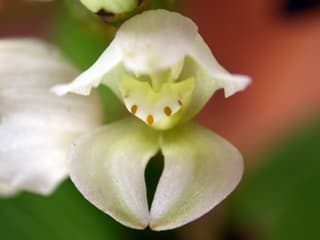
Govenia
Govenia
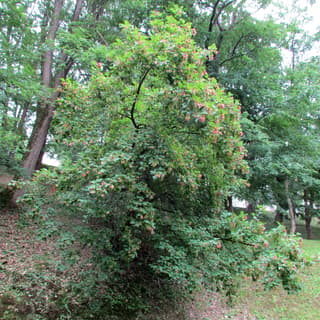
Tatarian Maple
Acer tataricum
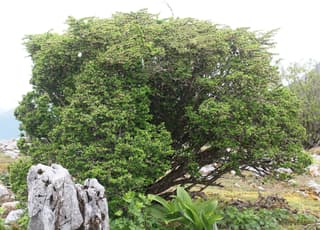
Japanese Barberry
Berberis thunbergii
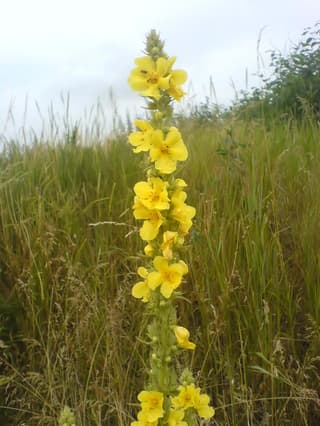
Denseflower Mullein
Verbascum densiflorum
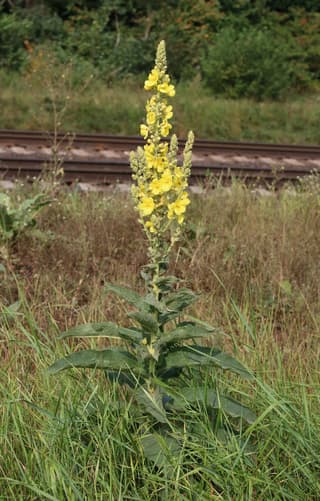
Orange Mullein
Verbascum phlomoides
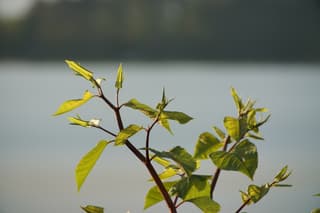
Knotweed
Reynoutria
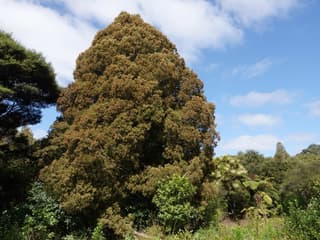
Kahikatea
Dacrycarpus dacrydioides
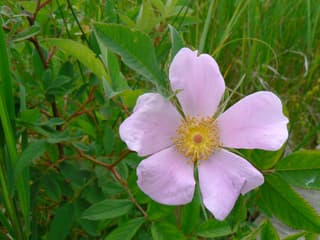
Virginia Rose
Rosa virginiana
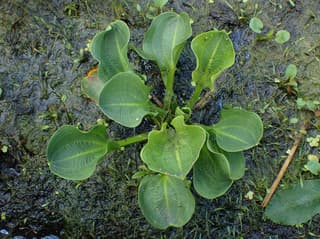
American water plantain
Alisma subcordatum
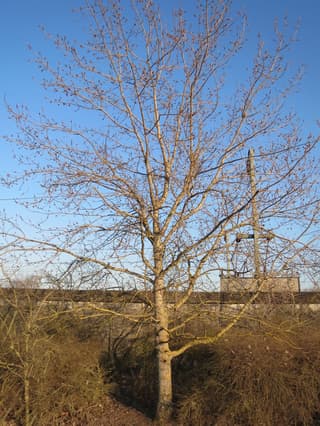
Poplar
Populus
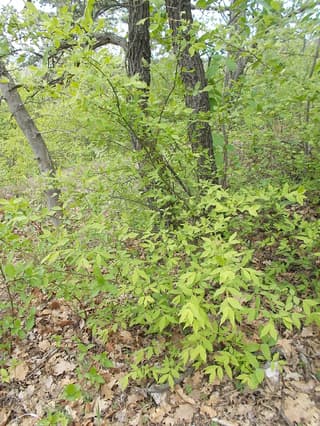
Common Dogwood
Cornus sanguinea
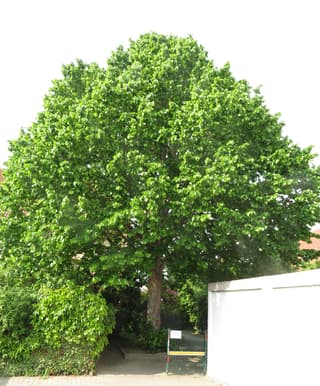
Common Hazel
Corylus avellana
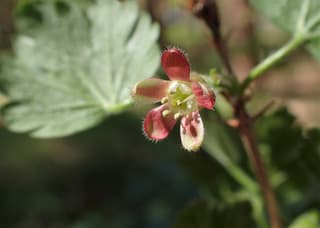
Gooseberry
Ribes uva-crispa
Ideal Pet Safe for San Ciro de Acosta's Climate
San Ciro de Acosta has an average temperature of 21°C and humidity of 72.6%, conditions that directly influence which pet safe best adapt to the local environment.
How to Grow Pet Safe in San Ciro de Acosta
To successfully grow pet safe in San Ciro de Acosta, consider that the average temperature of 21°C and humidity of 72.6% create a specific microclimate. High humidity favors tropical species, but requires attention to ventilation to prevent fungal issues.
Advantages of Choosing Adapted Pet Safe
Pet Safe adapted to San Ciro de Acosta's climate show greater resistance, healthy growth, and less need for interventions.