500 Best Pet Safe for São Bernardo do Campo | 2026 Guide - Page 7
The 500 best pet safe to grow in São Bernardo do Campo. Ideal climate: 19.2°C, 82.9% humidity.
500 Pet Safe for São Bernardo do Campo
Showing 217-252 of 500
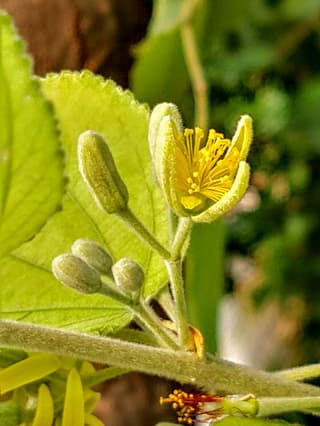
Phalsa
Grewia asiatica
Jungle Velvet Calathea
Goeppertia warszewiczii
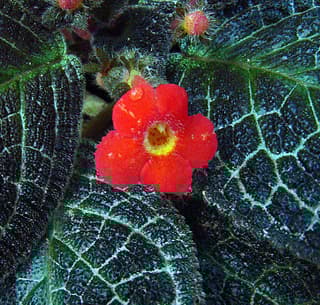
Flame Violet
Episcia cupreata
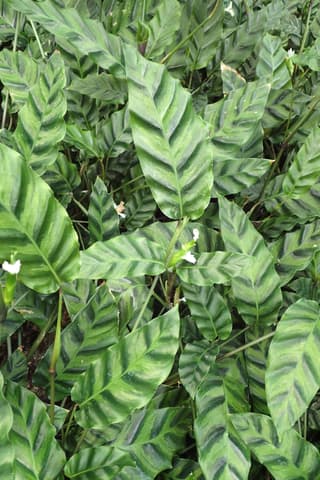
Thai Beauty Calathea
Goeppertia louisae
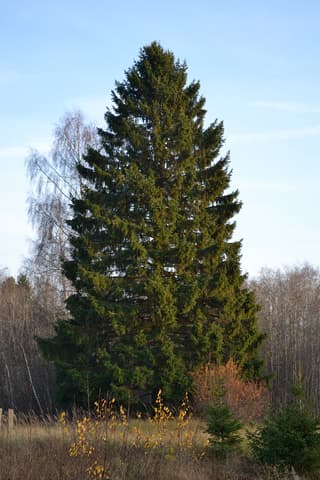
Norway Spruce
Picea abies
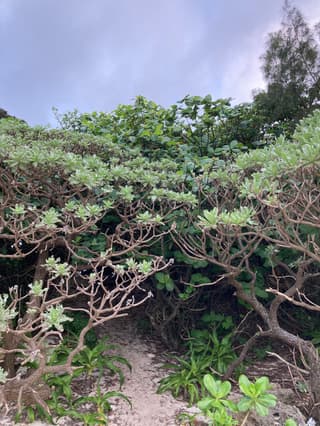
Velvetseed
Guettarda
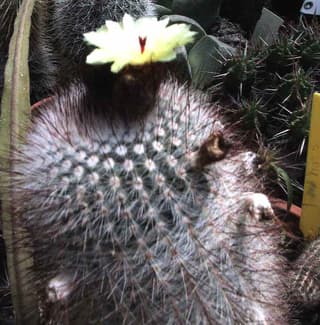
Silver Ball Cactus
Parodia scopa
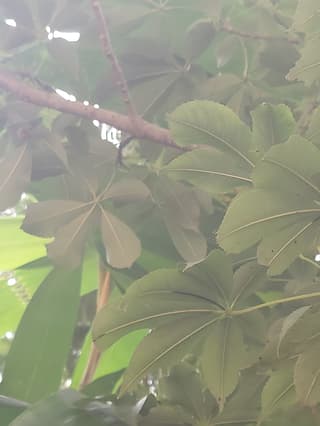
Kapok Tree
Ceiba pentandra
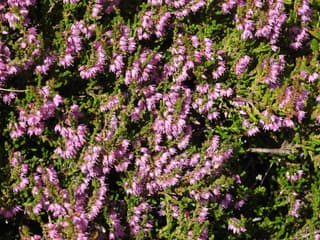
Common Heather
Calluna vulgaris
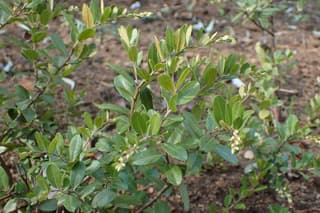
Leatherleaf
Chamaedaphne calyculata
Reindeer lichen
Cladonia rangiferina
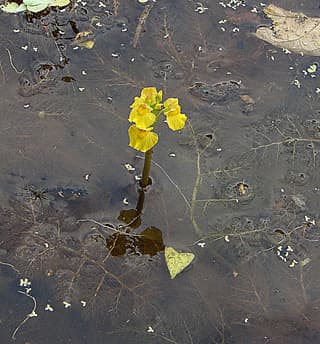
Leafy Bladderwort
Utricularia foliosa
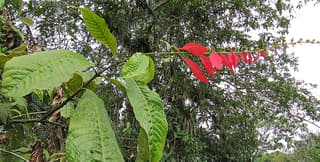
Chaconia
Warszewiczia
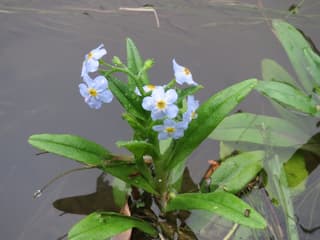
Water Forget-me-not
Myosotis scorpioides
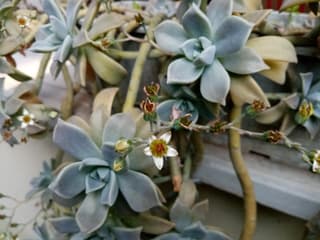
Ghost Plant
Graptopetalum
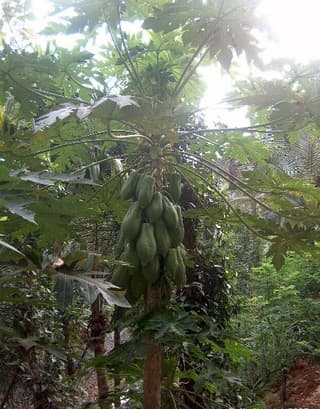
Papaya
Carica papaya
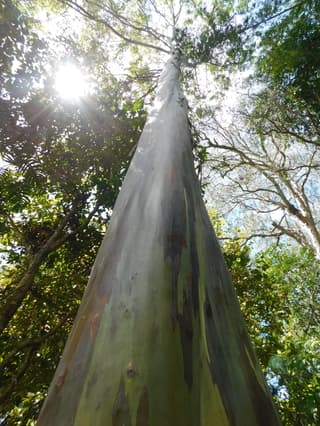
Rainbow Eucalyptus
Eucalyptus deglupta
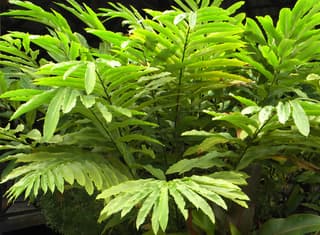
Torch Ginger
Etlingera elatior
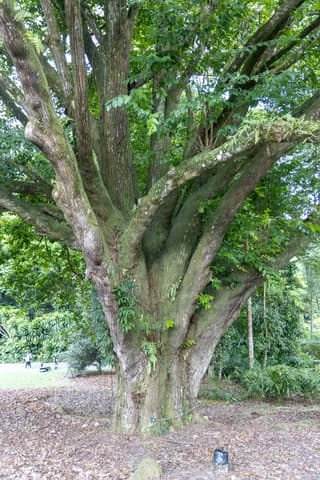
Paradise Nut
Lecythis pisonis
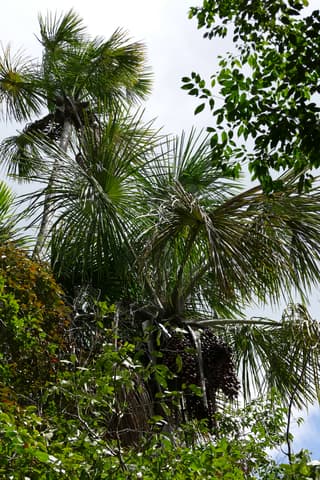
Moriche Palm
Mauritia flexuosa
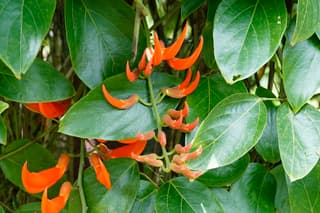
New Guinea Creeper
Mucuna bennettii
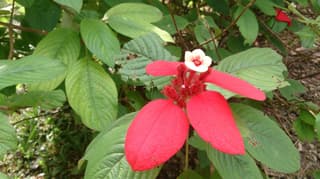
Ashanti Blood
Mussaenda erythrophylla
Bonnet mushroom
Mycena galericulata
Mealy tooth
Hydnellum ferrugineum
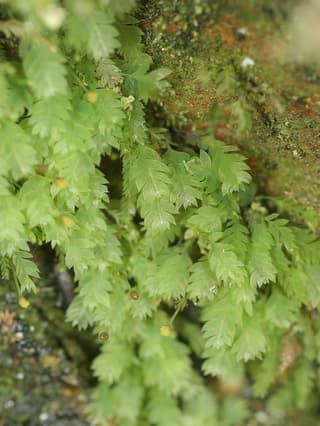
Luminous moss
Schistostega pennata
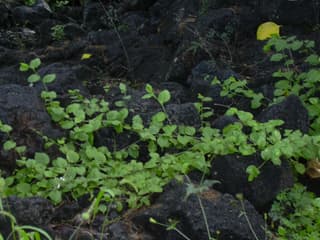
Chinese Violet
Asystasia gangetica

Coconut Palm
Cocos nucifera
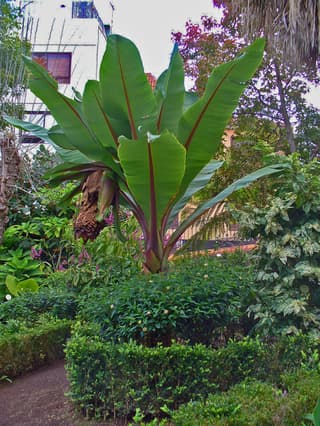
Abyssinian Banana
Ensete ventricosum
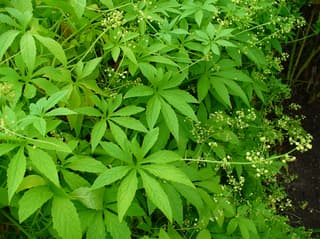
Caigua
Cyclanthera pedata
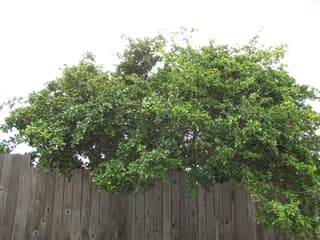
Barbados cherry
Malpighia emarginata
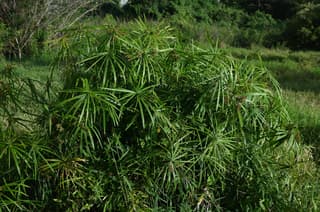
Umbrella Sedge
Cyperus
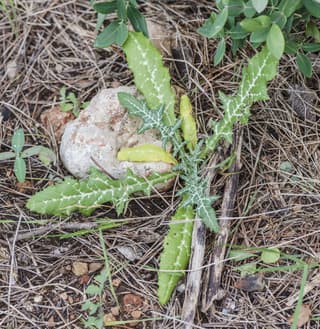
Common Sowthistle
Sonchus oleraceus

Montgomery Palm
Veitchia arecina
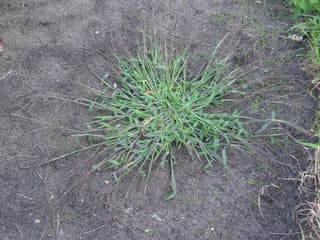
hairy crabgrass
Digitaria sanguinalis
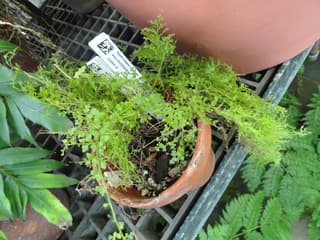
Boston Fern
Nephrolepis exaltata
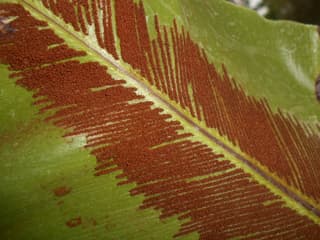
Bird's Nest Fern
Asplenium nidus
Ideal Pet Safe for São Bernardo do Campo's Climate
São Bernardo do Campo has an average temperature of 19.2°C and humidity of 82.9%, conditions that directly influence which pet safe best adapt to the local environment.
How to Grow Pet Safe in São Bernardo do Campo
To successfully grow pet safe in São Bernardo do Campo, consider that the average temperature of 19.2°C and humidity of 82.9% create a specific microclimate. High humidity favors tropical species, but requires attention to ventilation to prevent fungal issues.
Advantages of Choosing Adapted Pet Safe
Pet Safe adapted to São Bernardo do Campo's climate show greater resistance, healthy growth, and less need for interventions.