500 Best Plants for Twin Falls County | 2026 Guide - Page 8
Discover the 500 ideal plants for Twin Falls County's climate. Average temp: 10.7°C, Humidity: 50.6%.
Top 500 Plants for Twin Falls County
Showing 253-288 of 500
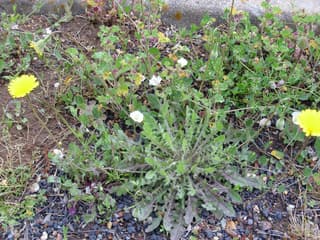
Rough Hawkbit
Leontodon hispidus
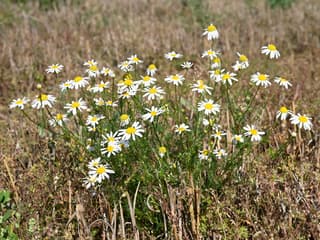
Scentless Chamomile
Tripleurospermum inodorum
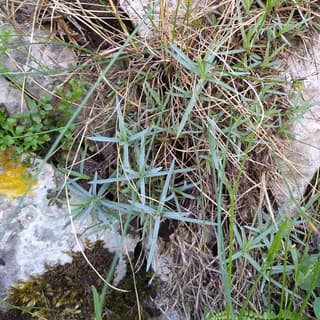
Cheddar Pink
Dianthus gratianopolitanus
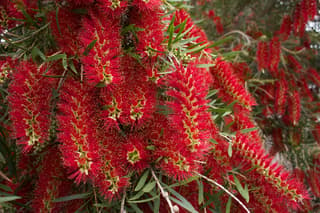
Weeping Bottlebrush
Melaleuca viminalis
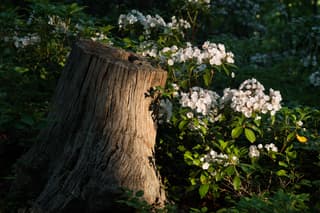
Mountain Laurel
Kalmia
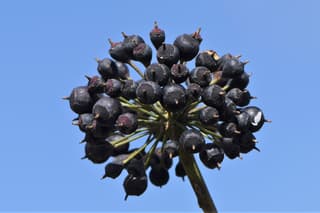
Atlantic Ivy
Hedera hibernica
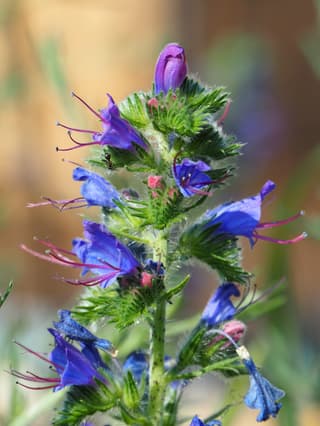
Viper's Bugloss
Echium vulgare
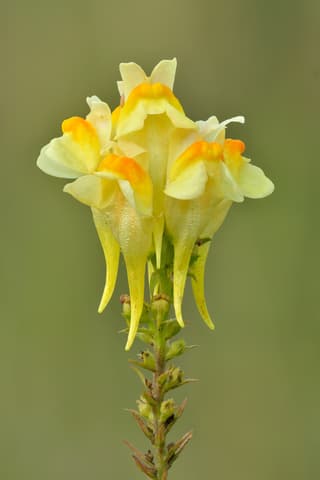
Yellow Toadflax
Linaria vulgaris
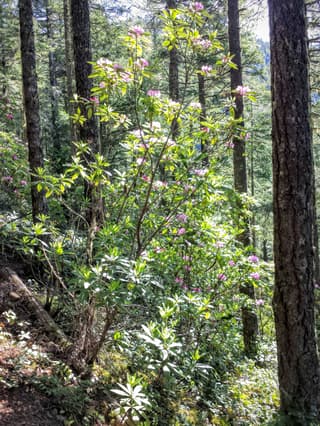
Pacific Rhododendron
Rhododendron macrophyllum
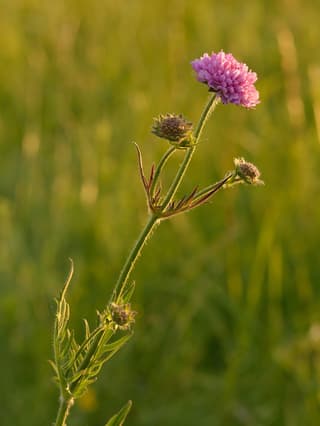
Field Scabious
Knautia arvensis
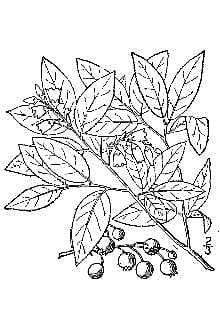
Hillside Blueberry
Vaccinium pallidum
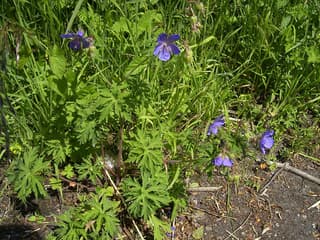
Cranesbill
Geranium
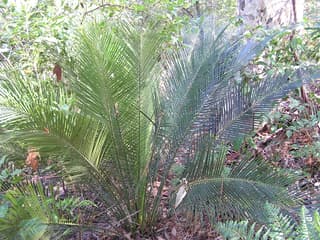
Burrawang
Macrozamia
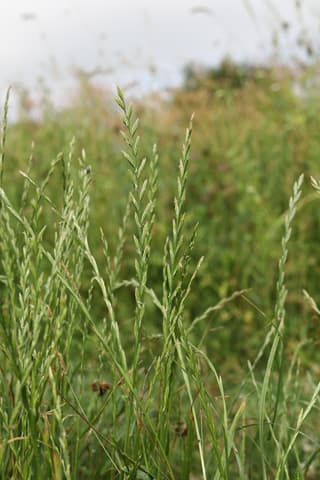
Perennial ryegrass
Lolium perenne
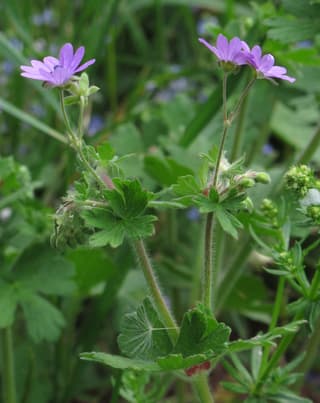
Hedgerow Cranesbill
Geranium pyrenaicum
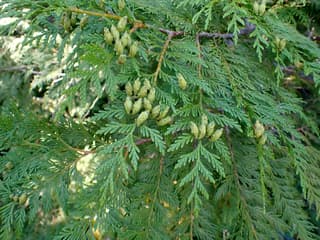
Western Red Cedar
Thuja plicata
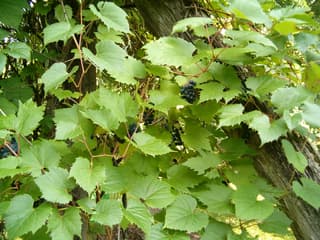
Riverbank Grape
Vitis riparia
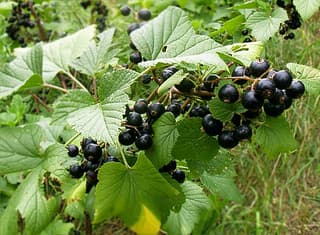
Blackcurrant
Ribes nigrum
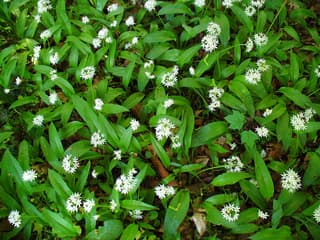
Ramsons
Allium ursinum
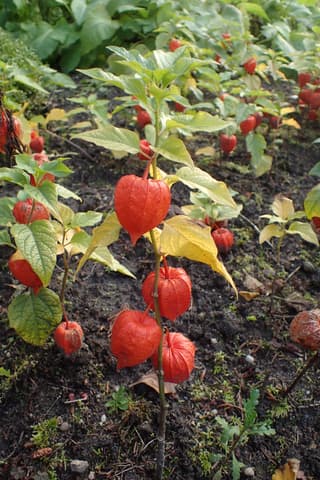
Chinese lantern
Alkekengi officinarum
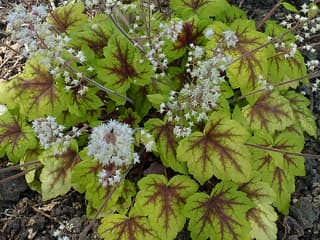
Foamy Bells
Heucherella
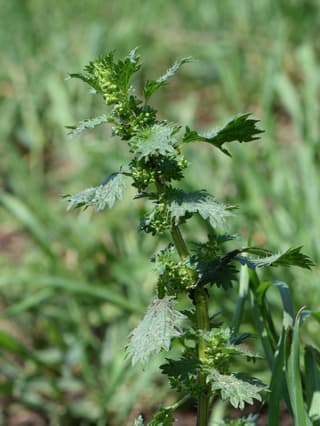
Small Nettle
Urtica urens
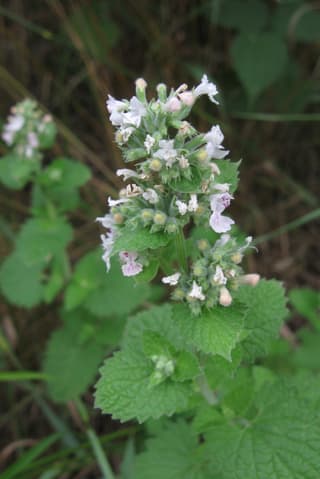
Catnip
Nepeta cataria
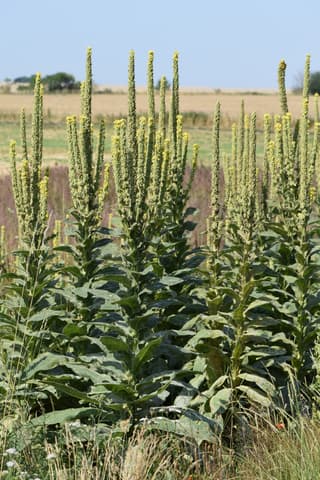
Common Mullein
Verbascum thapsus
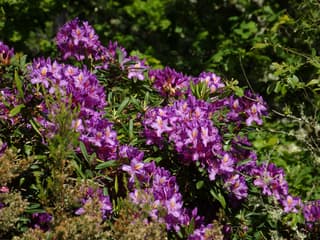
Common Rhododendron
Rhododendron ponticum
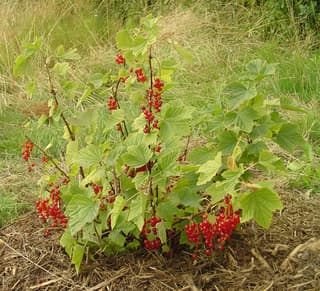
Redcurrant
Ribes rubrum
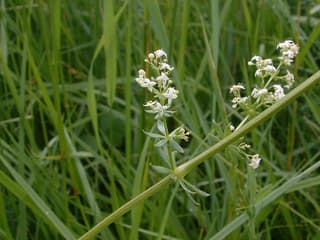
Hedge Bedstraw
Galium mollugo
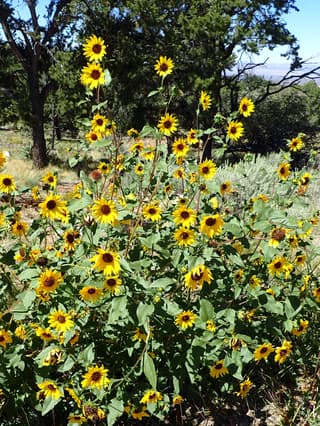
Prairie Sunflower
Helianthus petiolaris
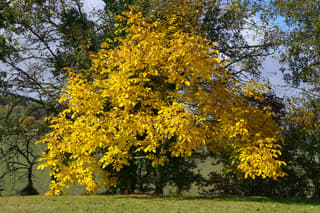
English walnut
Juglans regia
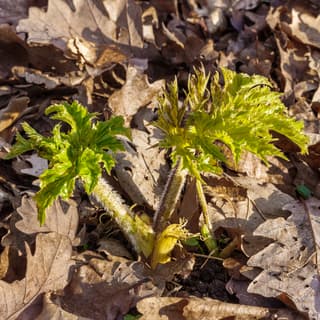
Common Hogweed
Heracleum
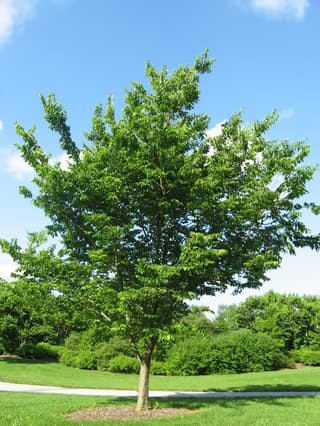
Common hackberry
Celtis occidentalis
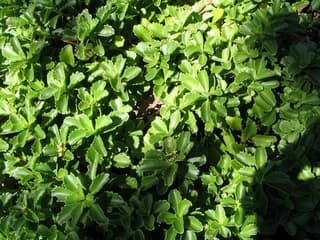
Kamchatka Stonecrop
Phedimus kamtschaticus
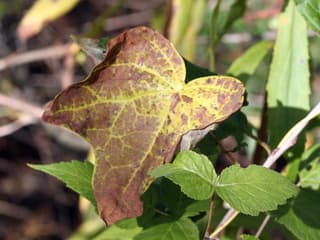
Moonseed
Menispermum canadense
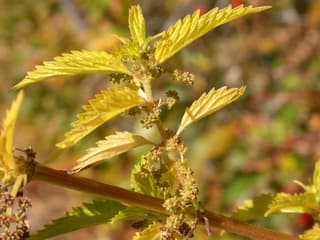
Slender Stinging Nettle
Urtica gracilis
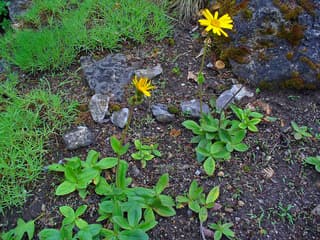
Arnica
Arnica montana
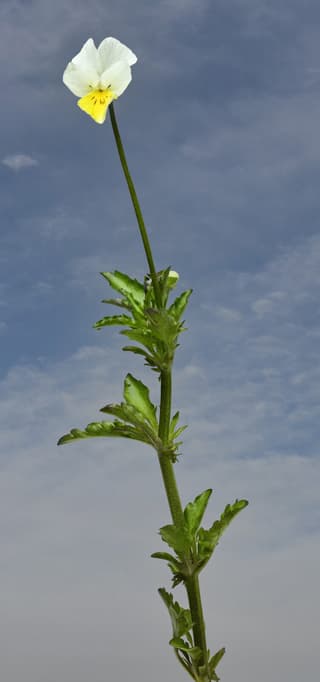
Field Pansy
Viola arvensis
Twin Falls County Climate for Plant Growing
Twin Falls County has a climate with an average annual temperature of 10.7°C and average relative humidity of 50.6%. These climate conditions are ideal for various species of ornamental and fruit plants.
Tips for Growing Plants in Twin Falls County
To succeed in growing plants in Twin Falls County, consider the average temperature of 10.7°C when choosing your species. Protect cold-sensitive plants during winter. Moderate humidity is ideal for most plants.
Why Choose Plants Adapted to the Local Climate?
Plants adapted to Twin Falls County's climate require less care, consume less water, and are more likely to thrive. Our selection considers the compatibility between each species' needs and local climate conditions, including temperature (10.7°C) and humidity (50.6%).