500 Best Plants for Cabecera Municipal Villamaría | 2026 Guide - Page 10
Discover the 500 ideal plants for Cabecera Municipal Villamaría's climate. Average temp: 16.5°C, Humidity: 81.6%.
Top 500 Plants for Cabecera Municipal Villamaría
Showing 325-360 of 500
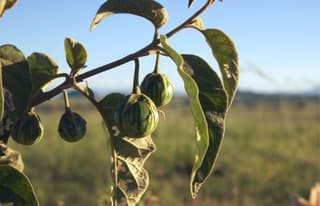
Ethiopian Eggplant
Solanum aethiopicum
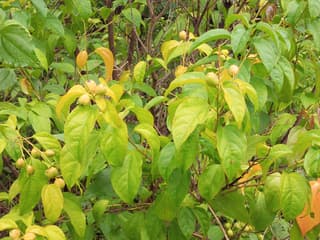
Croton
Croton
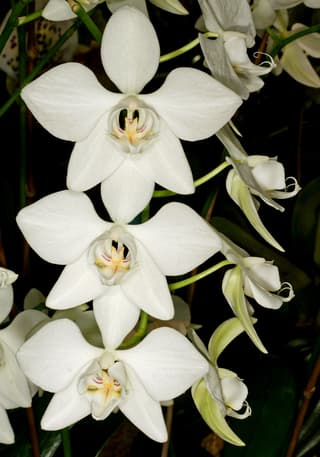
Moth Orchid
Phalaenopsis aphrodite
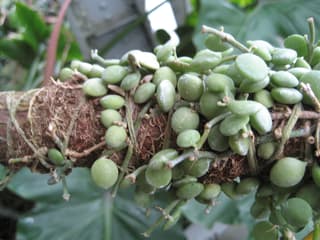
String of Nickels
Dischidia nummularia
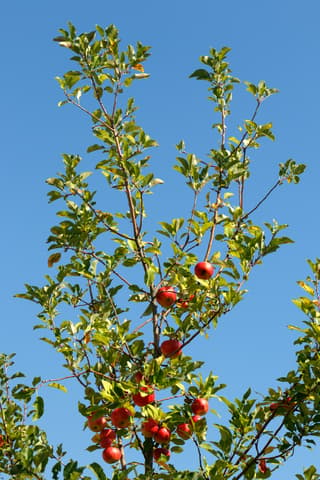
Apple Tree
Malus domestica
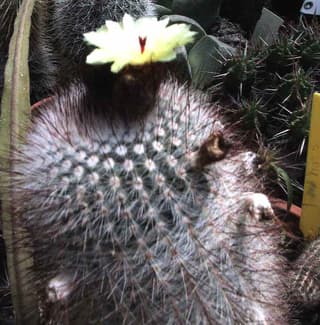
Silver Ball Cactus
Parodia scopa
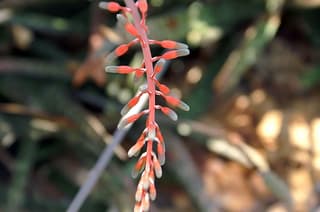
Ox tongue
Gasteria bicolor
Kapok Tree
Ceiba pentandra
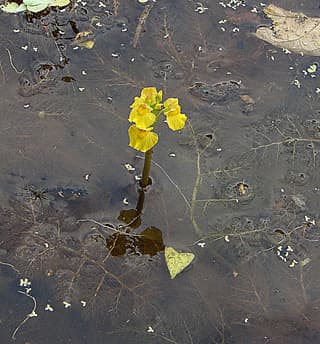
Leafy Bladderwort
Utricularia foliosa
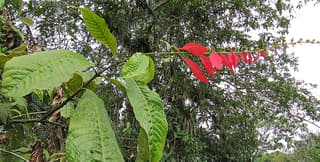
Chaconia
Warszewiczia
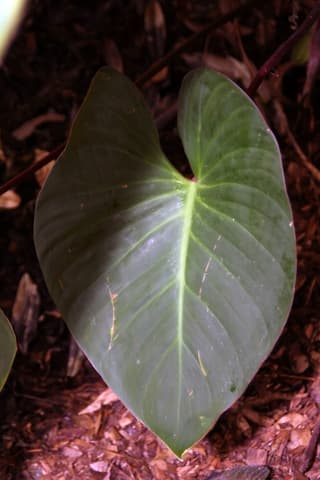
Homalomena
Homalomena
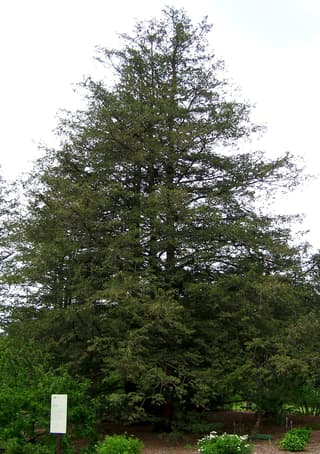
Sawara cypress
Chamaecyparis pisifera
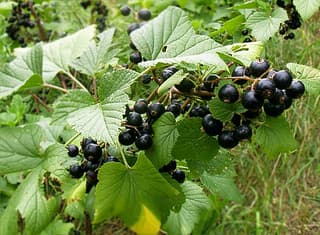
Blackcurrant
Ribes nigrum
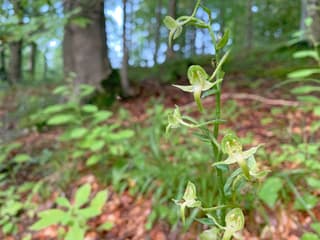
Greater Butterfly-orchid
Platanthera chlorantha
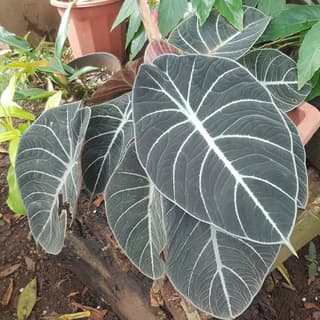
Black Velvet Alocasia
Alocasia reginula
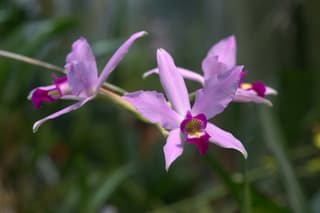
Two-edged Laelia
Laelia anceps
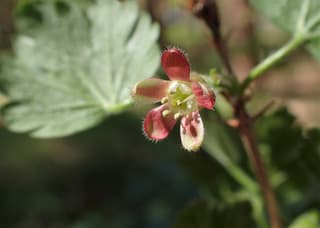
Gooseberry
Ribes uva-crispa

Azalea
Rhododendron simsii

Bougainvillea
Bougainvillea peruviana
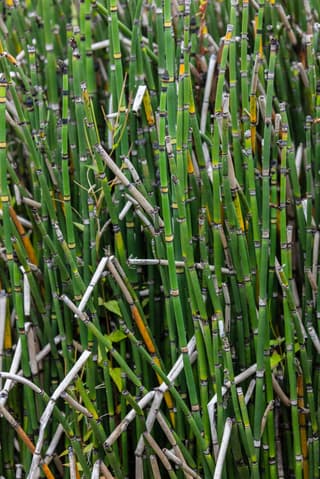
Rough Horsetail
Equisetum hyemale
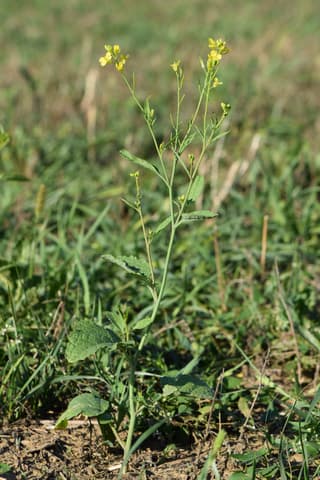
Brown Mustard
Brassica juncea
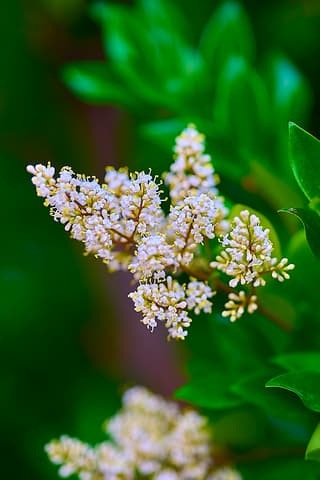
Privet
Ligustrum
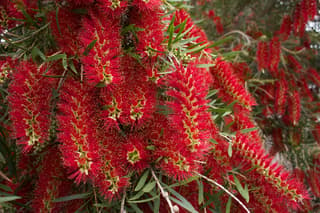
Weeping Bottlebrush
Melaleuca viminalis
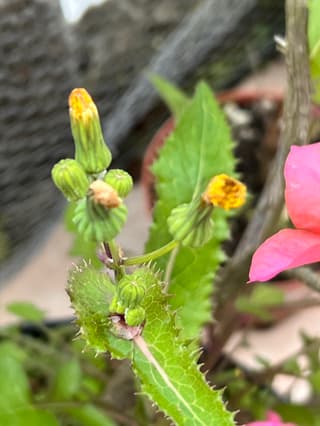
Sow Thistle
Sonchus
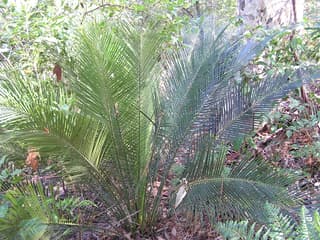
Burrawang
Macrozamia
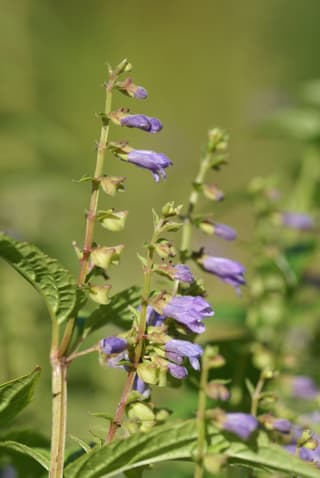
Skullcap
Scutellaria
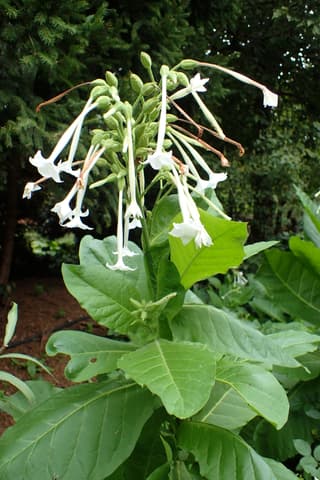
Woodland Tobacco
Nicotiana sylvestris
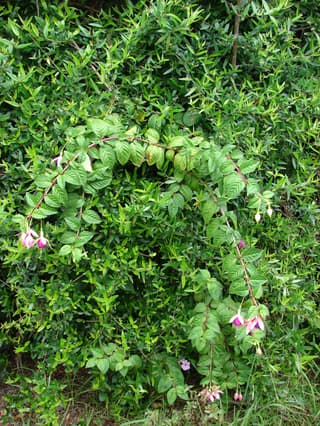
Garden Fuchsia
Fuchsia hybrida
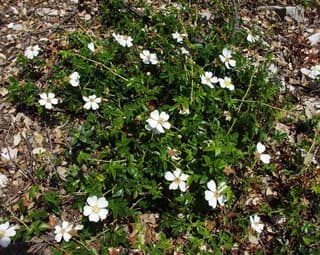
Evergreen Rose
Rosa sempervirens
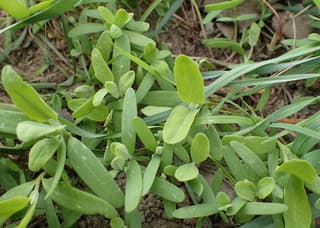
Common Orache
Atriplex patula
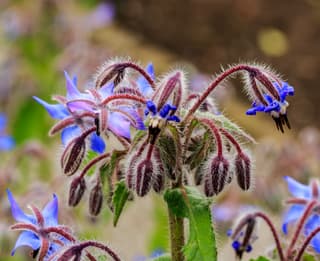
Borage
Borago officinalis
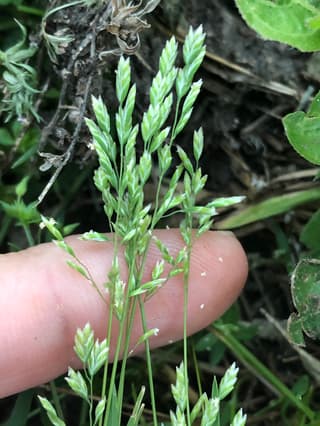
Annual Meadow Grass
Poa annua
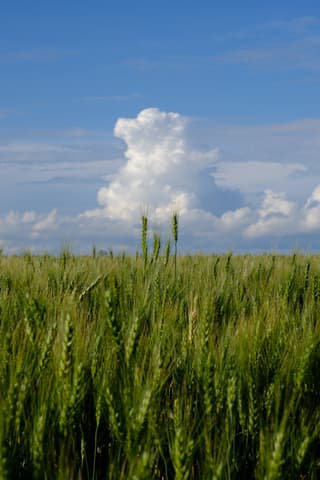
Common wheat
Triticum aestivum
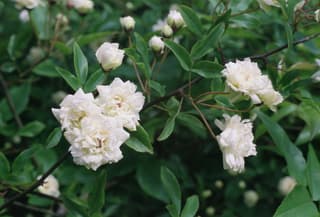
Lady Banks' Rose
Rosa banksiae
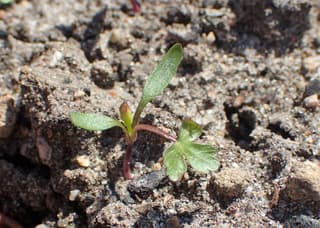
Fool's Parsley
Aethusa cynapium
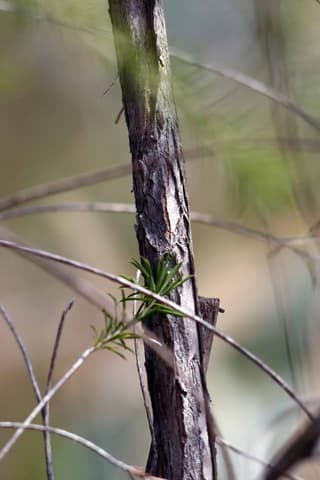
Bracelet Honey Myrtle
Melaleuca armillaris
Cabecera Municipal Villamaría Climate for Plant Growing
Cabecera Municipal Villamaría has a climate with an average annual temperature of 16.5°C and average relative humidity of 81.6%. These climate conditions are ideal for various species of ornamental and fruit plants.
Tips for Growing Plants in Cabecera Municipal Villamaría
To succeed in growing plants in Cabecera Municipal Villamaría, consider the average temperature of 16.5°C when choosing your species. Protect cold-sensitive plants during winter. High humidity favors tropical plants, but watch for fungal issues.
Why Choose Plants Adapted to the Local Climate?
Plants adapted to Cabecera Municipal Villamaría's climate require less care, consume less water, and are more likely to thrive. Our selection considers the compatibility between each species' needs and local climate conditions, including temperature (16.5°C) and humidity (81.6%).