41 Best Air Purifying for Carepa | 2026 Guide
The 41 best air purifying to grow in Carepa. Ideal climate: 26.1°C, 88.2% humidity.
41 Air Purifying for Carepa
Showing 1-36 of 41
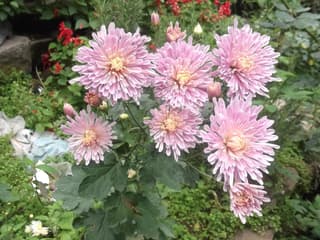
Chrysanthemum / Mum
Chrysanthemum
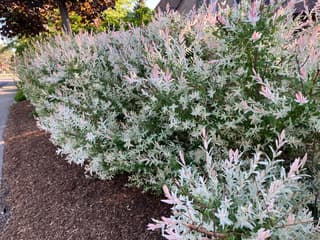
Dappled Willow 'Hakuro Nishiki'
Salix integra 'Hakuro Nishiki'
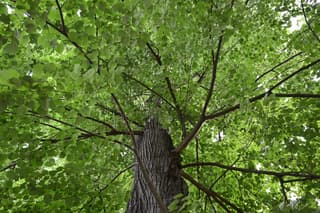
Silver Linden
Tilia tomentosa
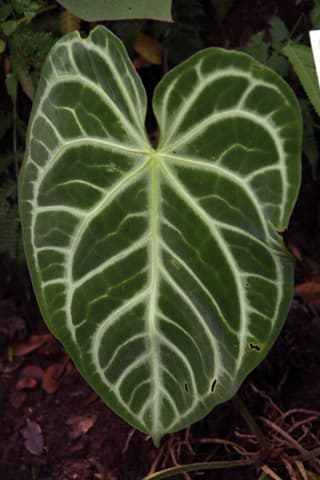
Crystal Anthurium
Anthurium crystallinum
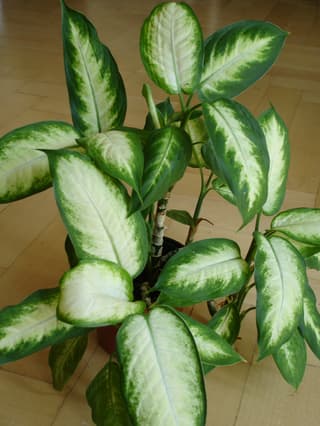
Bowmann Dumb Cane
Dieffenbachia bowmannii
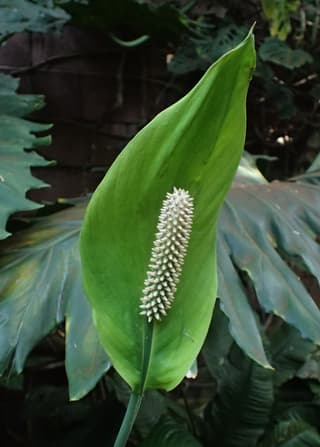
Peace Lily
Spathiphyllum blandum
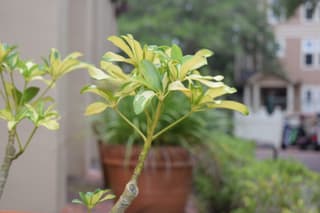
Umbrella Tree
Heptapleurum
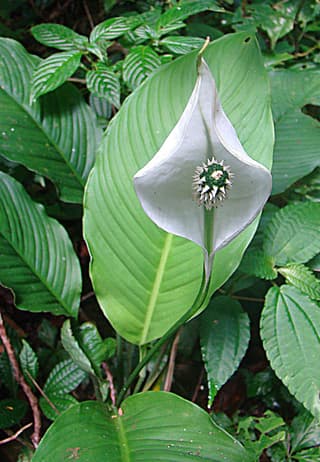
Peace Lily
Spathiphyllum wendlandii
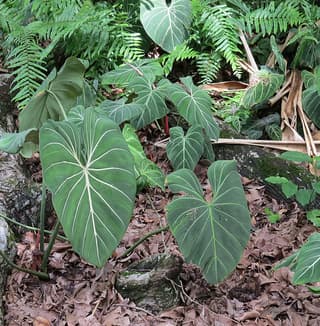
Philodendron Gloriosum
Philodendron gloriosum
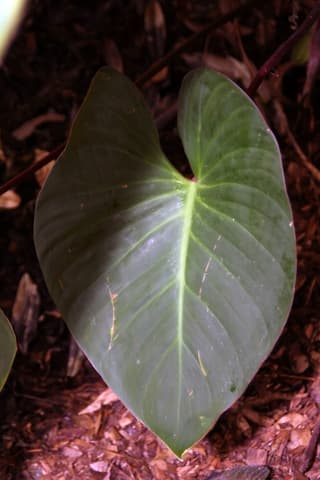
Homalomena
Homalomena
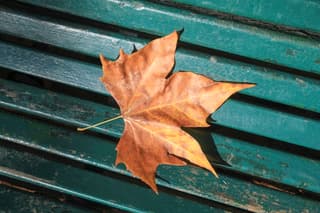
London plane
Platanus × hispanica
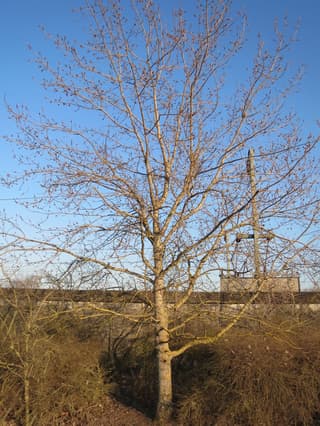
Poplar
Populus
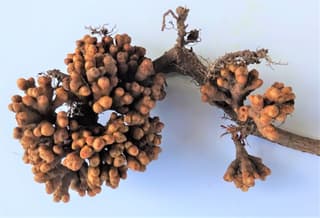
Alder
Alnus
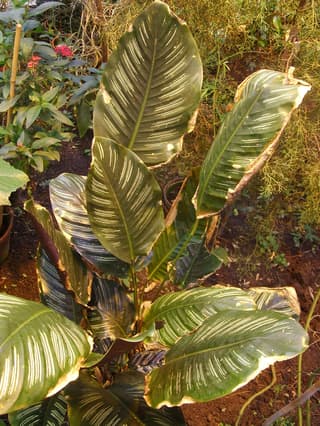
White Star Calathea
Goeppertia majestica
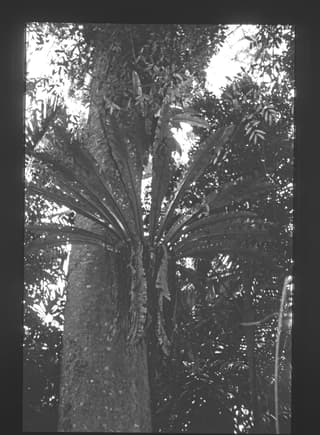
Birds Nest Fern
Asplenium australasicum

Areca palm
Chrysalidocarpus lutescens
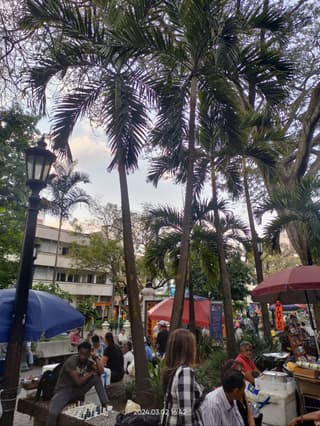
Dypsis Palm
Dypsis
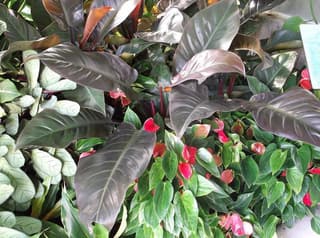
Congo Philodendron
Philodendron tatei
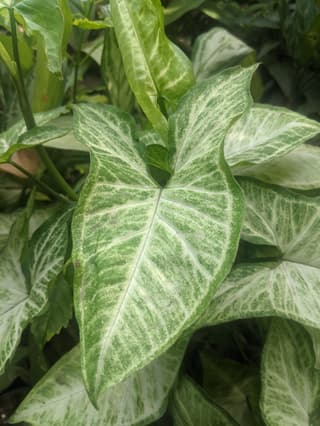
Arrowhead Vines
Syngonium
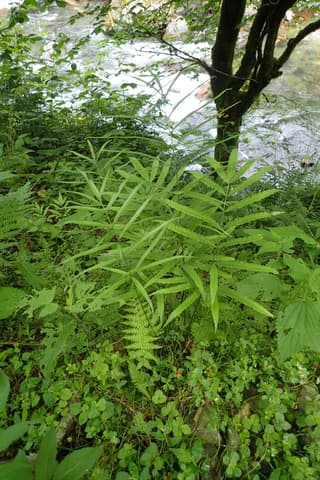
Brake Fern
Pteris
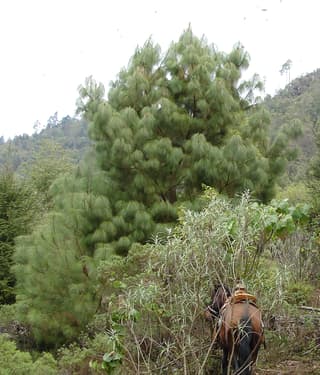
Smooth-bark Mexican Pine
Pinus pseudostrobus
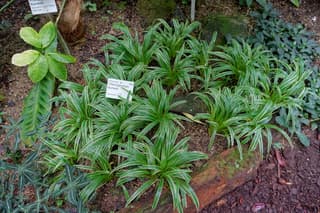
Zebra Grass Spider Plant
Chlorophytum laxum
Pearls and Jade Pothos
Epipremnum aureum 'Pearls and Jade'
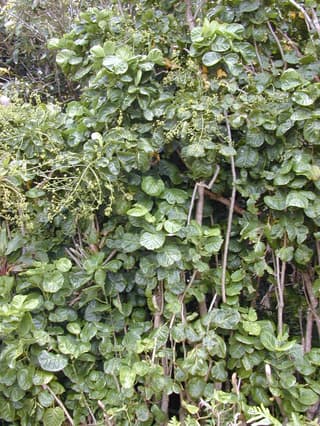
Shield Aralia
Polyscias scutellaria
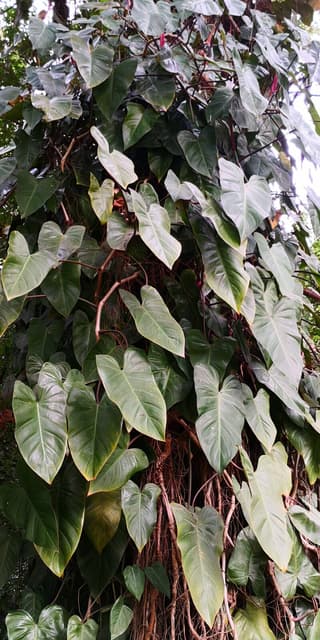
Imperial Green Philodendron
Philodendron 'Imperial Green'
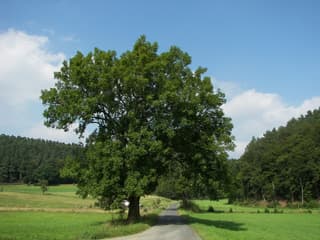
European Ash
Fraxinus excelsior
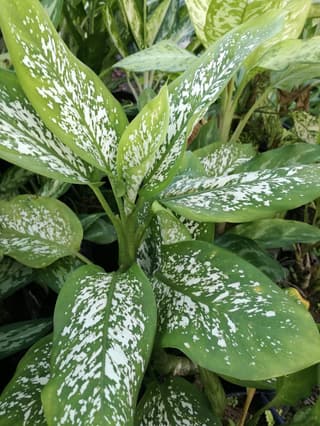
Spotted Dumb Cane
Dieffenbachia picta
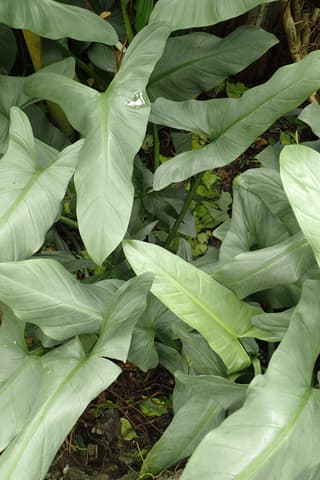
Spadeleaf Philodendron
Philodendron domesticum
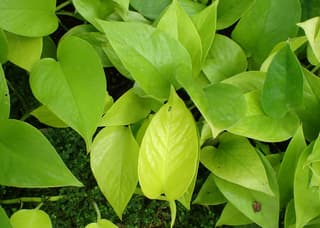
Neon pothos
Epipremnum aureum 'Neon'
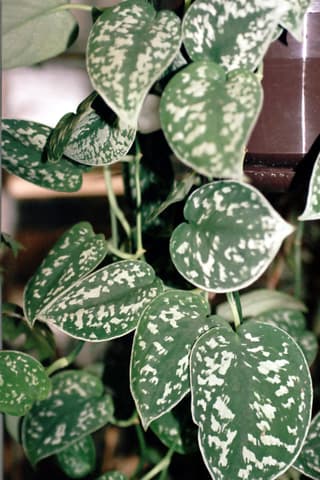
Satin Pothos
Scindapsus pictus argyraeus
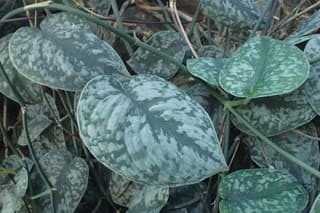
Silver Satin Pothos 'Exotica'
Scindapsus pictus 'Exotica'
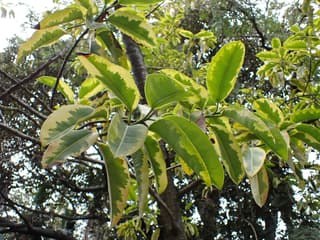
Rubber Plant 'Tineke'
Ficus elastica 'Tineke'
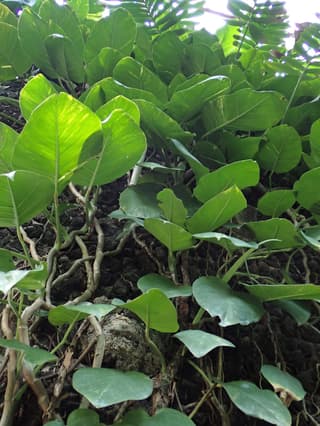
Pothos
Pothos
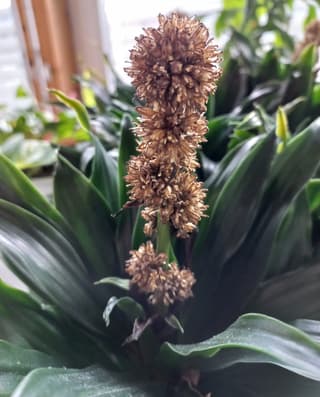
Compact Corn Plant
Dracaena fragrans 'Compacta'
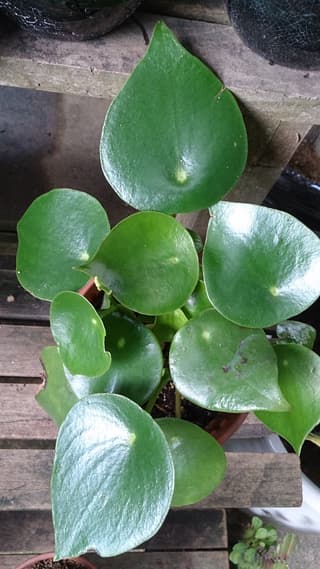
Raindrop Peperomia
Peperomia polybotrya
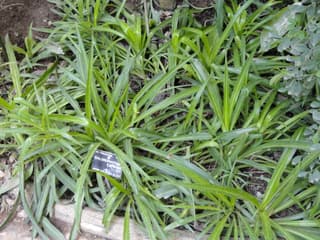
Cape Spider Plant
Chlorophytum capense
Ideal Air Purifying for Carepa's Climate
Carepa has an average temperature of 26.1°C and humidity of 88.2%, conditions that directly influence which air purifying best adapt to the local environment.
How to Grow Air Purifying in Carepa
To successfully grow air purifying in Carepa, consider that the average temperature of 26.1°C and humidity of 88.2% create a specific microclimate. High humidity favors tropical species, but requires attention to ventilation to prevent fungal issues.
Advantages of Choosing Adapted Air Purifying
Air Purifying adapted to Carepa's climate show greater resistance, healthy growth, and less need for interventions.