500 Best Plants for Cellettes | 2026 Guide - Page 10
Discover the 500 ideal plants for Cellettes's climate. Average temp: 13.3°C, Humidity: 76.1%.
Top 500 Plants for Cellettes
Showing 325-360 of 500
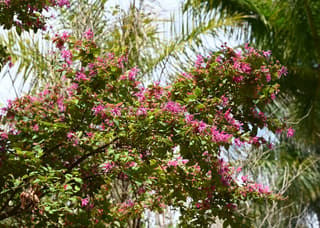
Chinese Fringe Flower
Loropetalum chinense
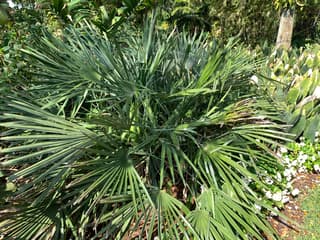
Needle Palm
Rhapidophyllum hystrix
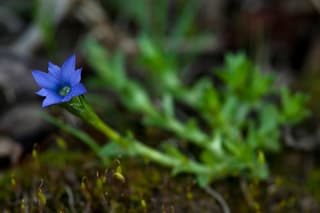
Pygmy Gentian
Gentiana prostrata
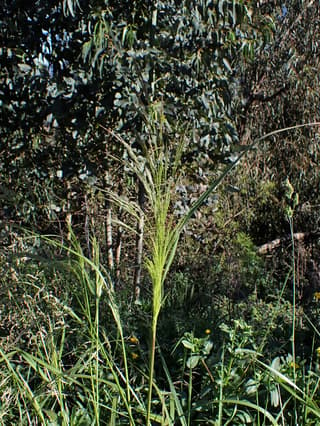
Johnson grass
Sorghum halepense
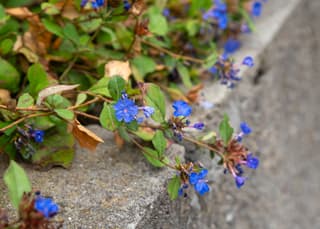
Hardy Plumbago
Ceratostigma plumbaginoides
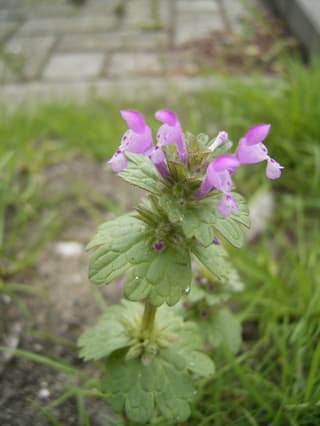
Henbit Dead-nettle
Lamium amplexicaule

Common Water-plantain
Alisma plantago-aquatica
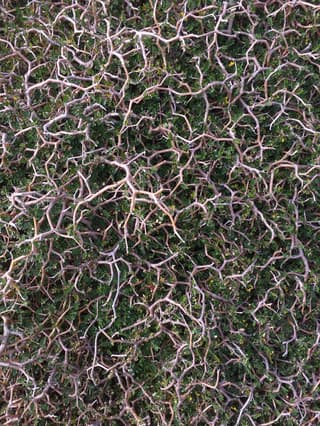
Dwarf Kowhai
Sophora prostrata
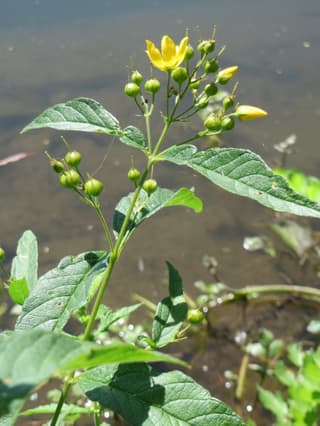
Loosestrife
Lysimachia
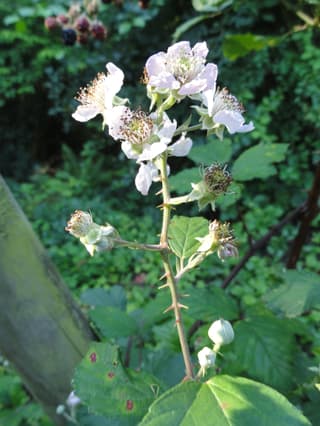
Himalayan Blackberry
Rubus bifrons
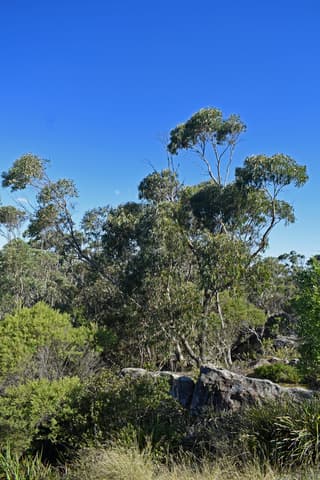
Tasmanian Blue Gum
Eucalyptus globulus
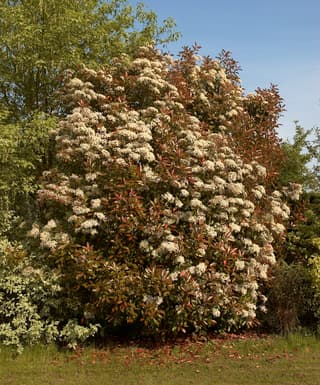
Red Tip Photinia
Photinia × fraseri
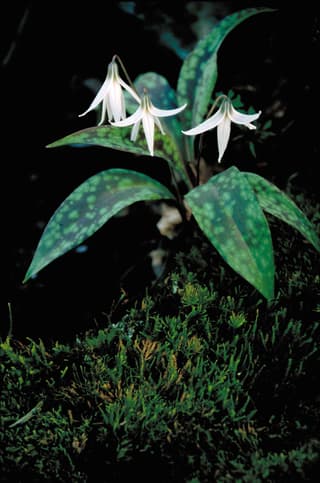
Trout Lily
Erythronium
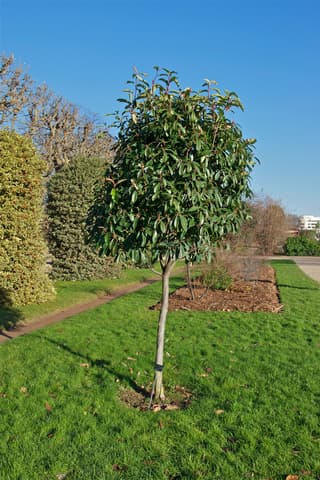
Chinese Photinia
Photinia serratifolia
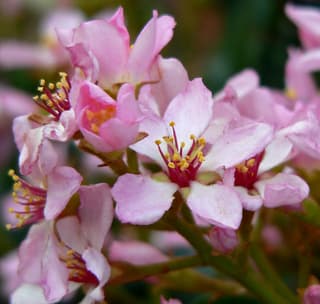
Indian Hawthorn
Rhaphiolepis
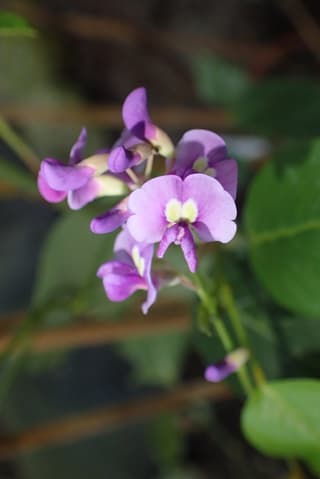
Purple Coral Pea
Hardenbergia violacea

Field Maple
Acer campestre

Bougainvillea
Bougainvillea peruviana
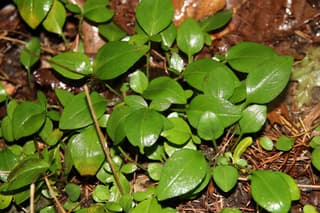
Shrubby St. John's Wort
Hypericum prolificum
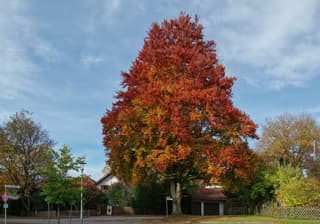
European Beech
Fagus sylvatica
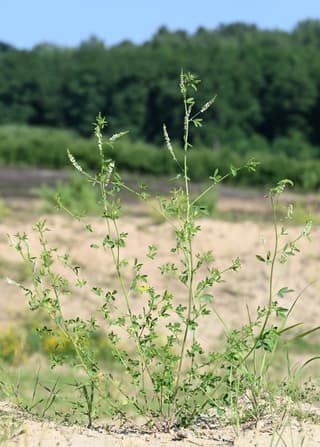
White sweet clover
Melilotus albus
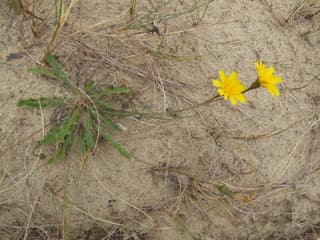
Lesser Hawkbit
Leontodon saxatilis
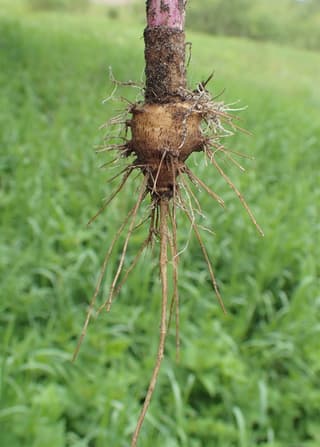
Bulbous Chervil
Chaerophyllum
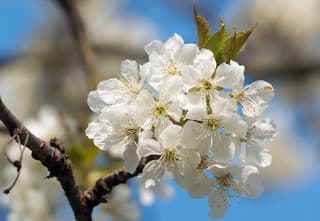
Sour Cherry
Prunus cerasus
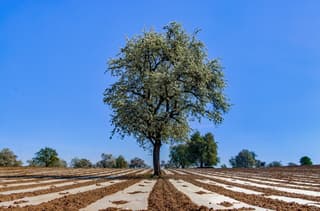
Pear
Pyrus
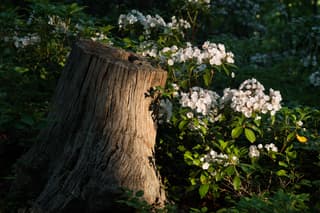
Mountain Laurel
Kalmia
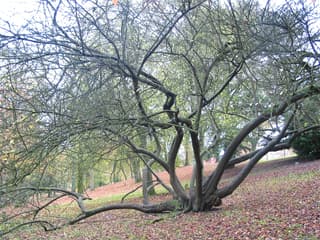
Cherry Plum
Prunus cerasifera
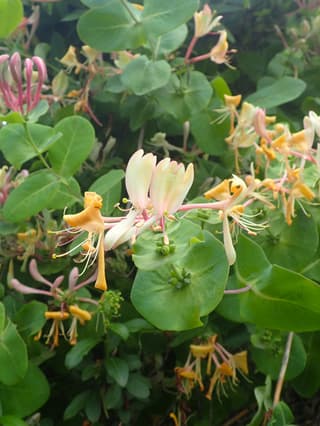
Italian Honeysuckle
Lonicera caprifolium
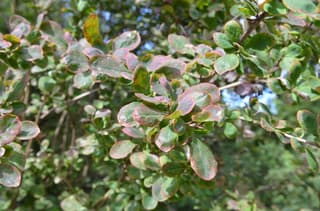
Ottawa Barberry
Berberis × ottawensis
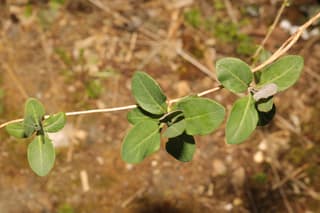
Honeysuckle
Lonicera
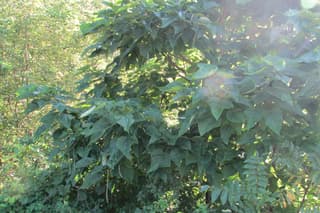
Northern Catalpa
Catalpa speciosa
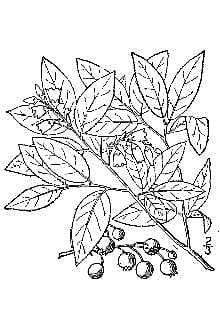
Hillside Blueberry
Vaccinium pallidum
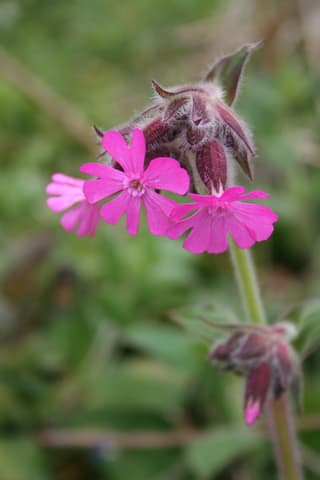
Campion
Silene
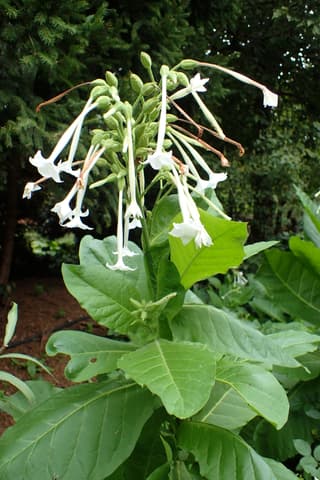
Woodland Tobacco
Nicotiana sylvestris
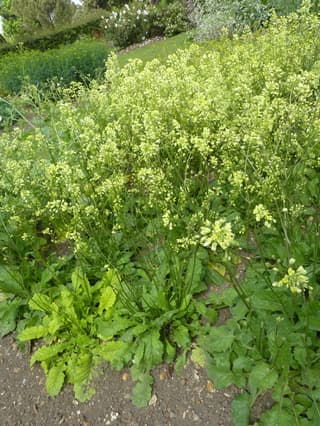
Brassica
Brassica
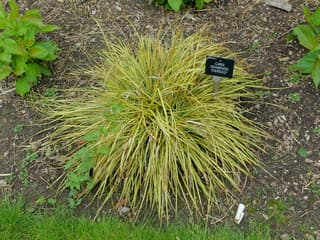
Evergold Sedge
Carex oshimensis 'Evergold'
Cellettes Climate for Plant Growing
Cellettes has a climate with an average annual temperature of 13.3°C and average relative humidity of 76.1%. These climate conditions are ideal for various species of ornamental and fruit plants.
Tips for Growing Plants in Cellettes
To succeed in growing plants in Cellettes, consider the average temperature of 13.3°C when choosing your species. Protect cold-sensitive plants during winter. High humidity favors tropical plants, but watch for fungal issues.
Why Choose Plants Adapted to the Local Climate?
Plants adapted to Cellettes's climate require less care, consume less water, and are more likely to thrive. Our selection considers the compatibility between each species' needs and local climate conditions, including temperature (13.3°C) and humidity (76.1%).