500 Best Pet Safe for Congonhas | 2026 Guide - Page 13
The 500 best pet safe to grow in Congonhas. Ideal climate: 20.6°C, 75.4% humidity.
500 Pet Safe for Congonhas
Showing 433-468 of 500
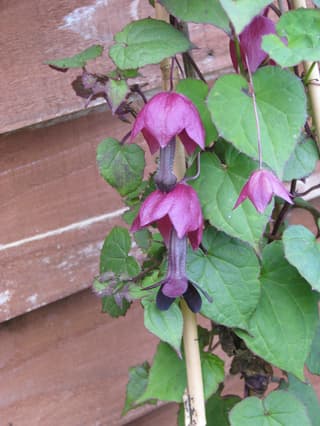
Purple Bells
Rhodochiton atrosanguineus
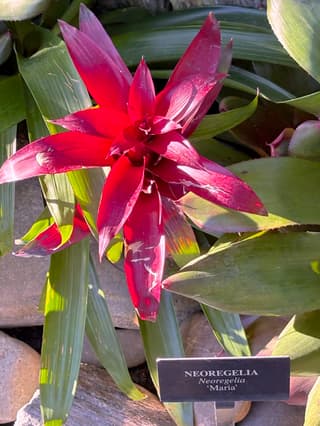
Blushing Bromeliad
Neoregelia
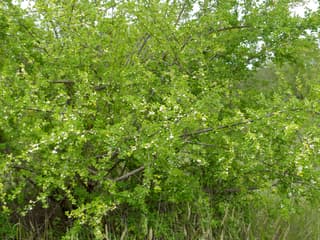
White-Berry Bush
Flueggea virosa
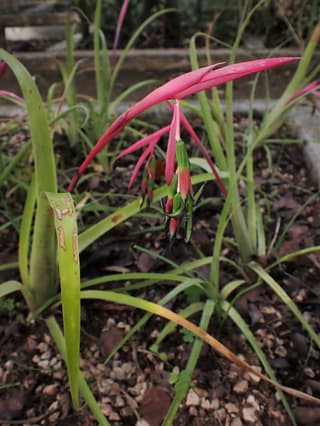
Queen's Tears
Billbergia nutans
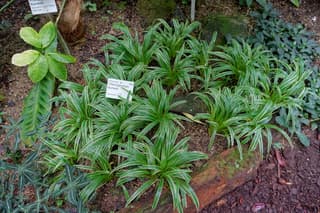
Zebra Grass Spider Plant
Chlorophytum laxum
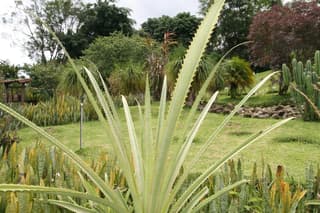
Wild Pineapple
Bromelia pinguin
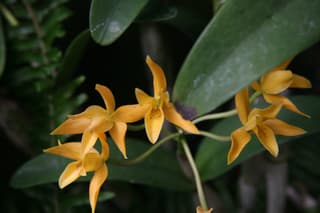
Orange Cattleya
Guarianthe aurantiaca
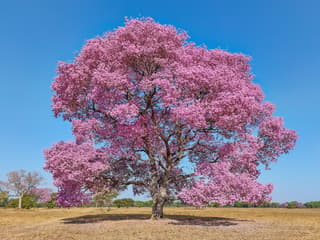
Trumpet Tree
Handroanthus
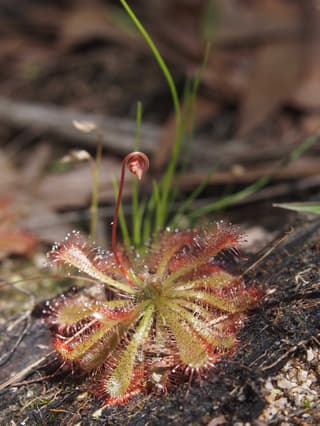
Spoon-leaved sundew
Drosera spatulata
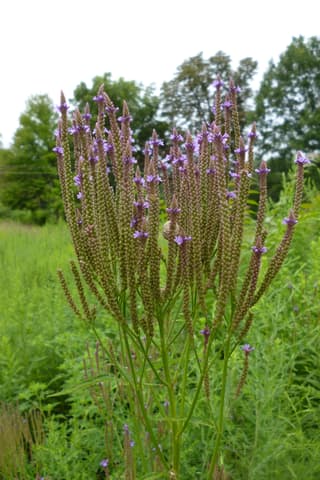
Blue Vervain
Verbena hastata
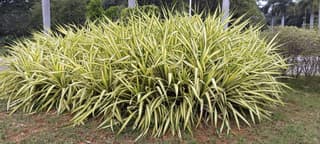
Screw Pine
Pandanus
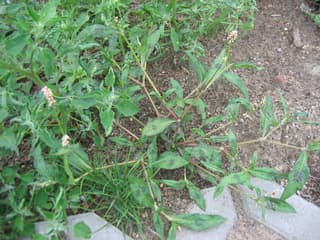
Lady's Thumb
Persicaria maculosa
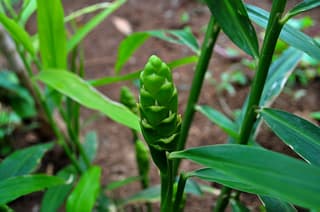
Ginger
Zingiber officinale
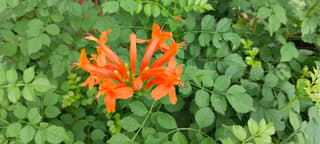
Cape Honeysuckle
Tecoma capensis
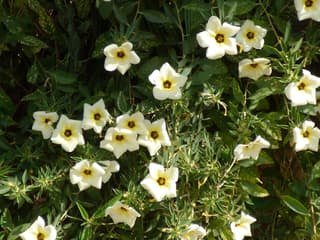
White Buttercup
Turnera subulata
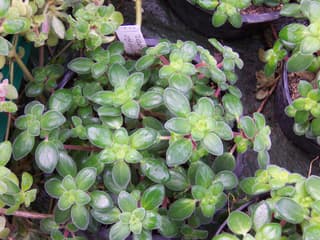
Baby Rubber Plant
Peperomia obtusifolia
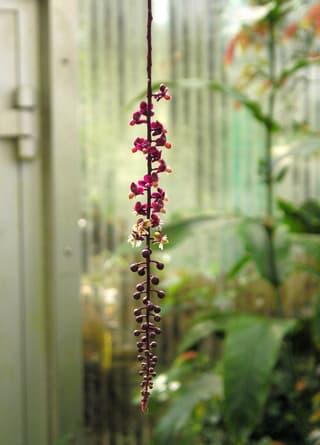
Peacock Plant
Calathea makoyana
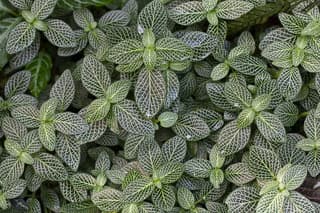
Nerve Plant
Fittonia albivenis
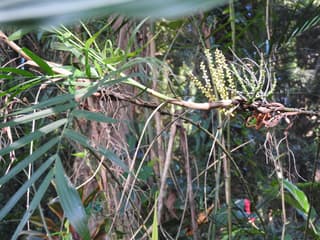
Bamboo Palm
Chamaedorea seifrizii
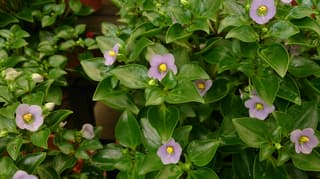
Persian Violet
Exacum affine
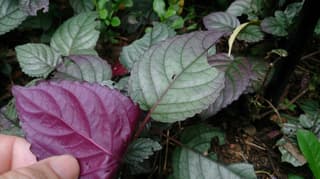
Purple Waffle Plant
Hemigraphis alternata
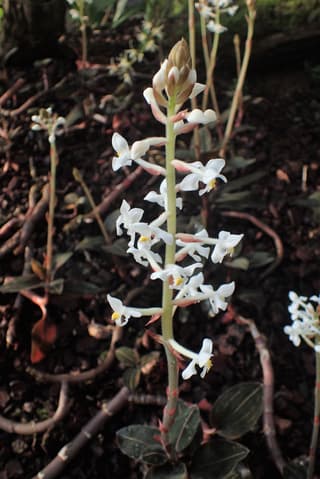
Jewel Orchid
Ludisia discolor
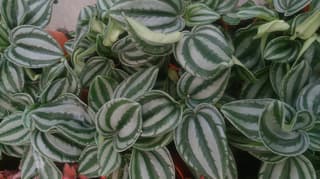
Watermelon Peperomia
Peperomia argyreia
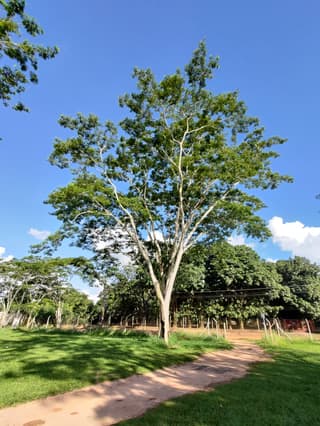
White Silk Tree
Albizia niopoides
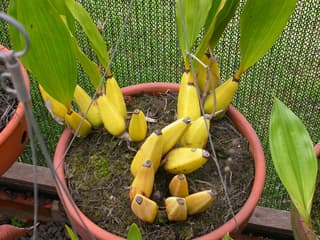
Harrison's Bifrenaria
Bifrenaria harrisoniae
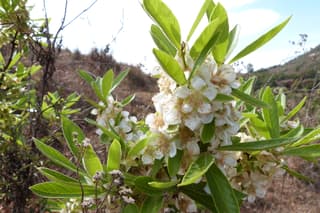
Guabiroba
Campomanesia pubescens
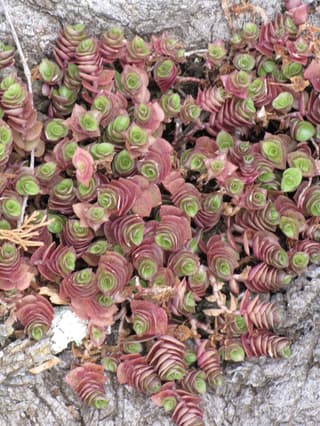
Turtle Vine
Callisia repens
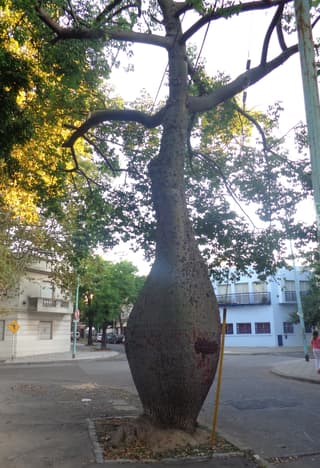
Silk Floss Tree
Ceiba speciosa
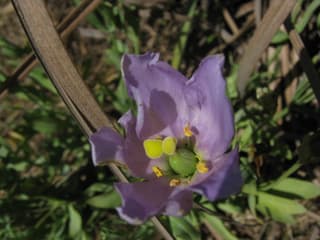
Lisianthus
Eustoma grandiflorum
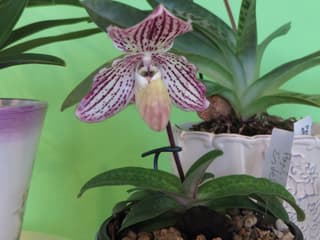
Lady Slipper Orchid
Paphiopedilum sp
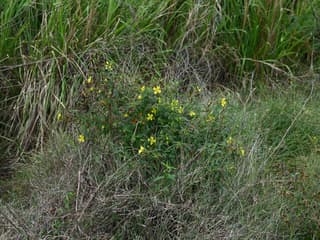
Mexican Primrose-Willow
Ludwigia octovalvis
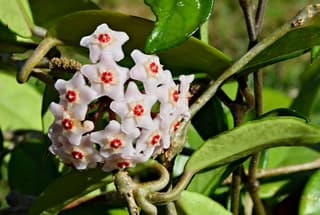
Wax Plant
Hoya
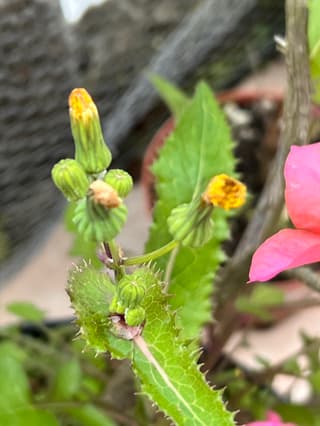
Sow Thistle
Sonchus
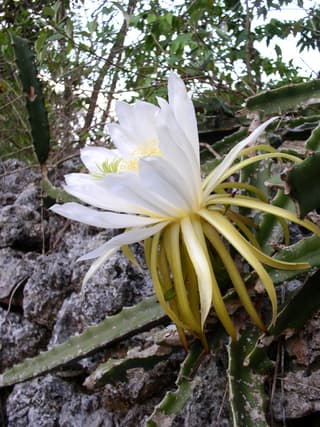
Strawberry Pear
Selenicereus triangularis
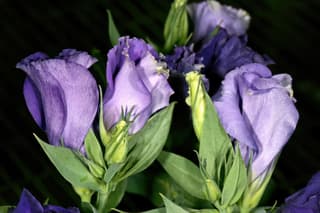
Lisianthus
Eustoma russellianum
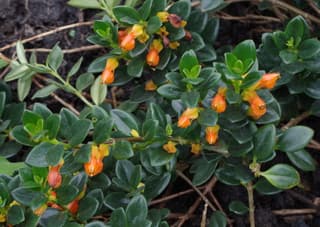
Goldfish Plant
Nematanthus gregarius
Ideal Pet Safe for Congonhas's Climate
Congonhas has an average temperature of 20.6°C and humidity of 75.4%, conditions that directly influence which pet safe best adapt to the local environment.
How to Grow Pet Safe in Congonhas
To successfully grow pet safe in Congonhas, consider that the average temperature of 20.6°C and humidity of 75.4% create a specific microclimate. High humidity favors tropical species, but requires attention to ventilation to prevent fungal issues.
Advantages of Choosing Adapted Pet Safe
Pet Safe adapted to Congonhas's climate show greater resistance, healthy growth, and less need for interventions.