500 Best Pet Safe for General San Martín | 2026 Guide - Page 5
The 500 best pet safe to grow in General San Martín. Ideal climate: 15.8°C, 58.6% humidity.
500 Pet Safe for General San Martín
Showing 145-180 of 500
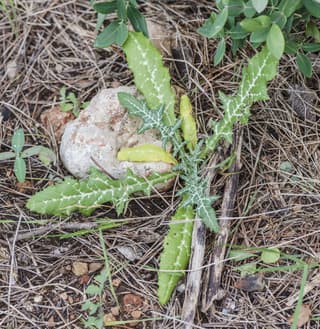
Common Sowthistle
Sonchus oleraceus
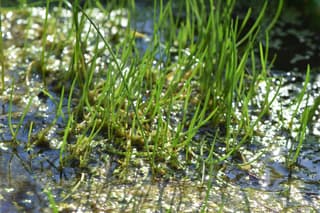
Shoreweed
Littorella uniflora
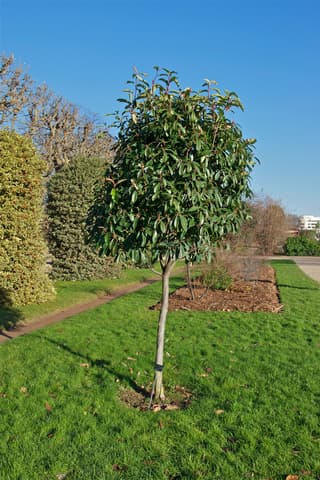
Chinese Photinia
Photinia serratifolia
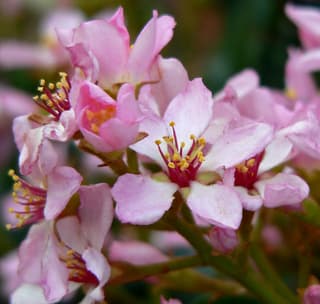
Indian Hawthorn
Rhaphiolepis
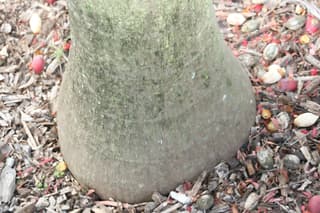
Montgomery Palm
Veitchia arecina
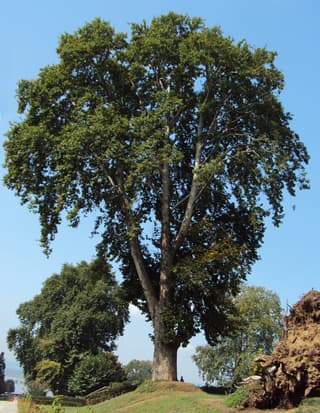
Oriental Plane
Platanus orientalis
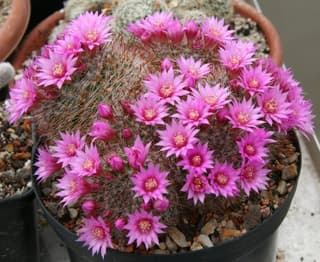
Rose Pincushion Cactus
Mammillaria zeilmanniana
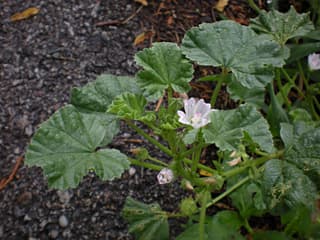
Common mallow
Malva neglecta
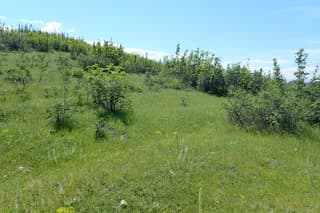
Christ's thorn
Paliurus spina-christi
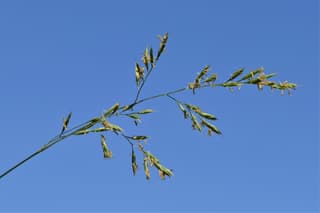
Red Fescue
Festuca rubra
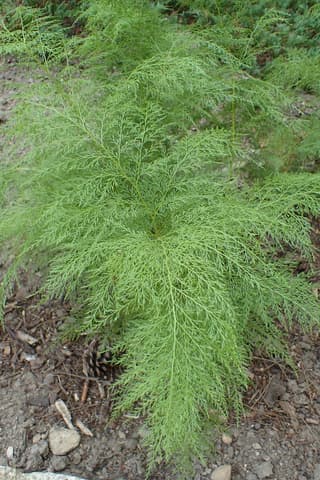
Carrot Fern
Onychium japonicum
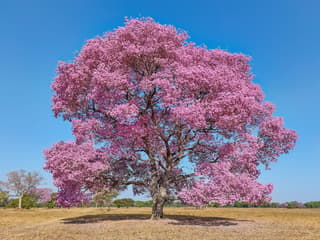
Pink trumpet tree
Handroanthus impetiginosus
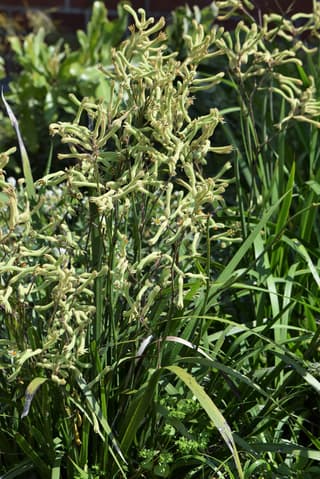
Tall Kangaroo Paw
Anigozanthos flavidus

Arugula
Eruca vesicaria
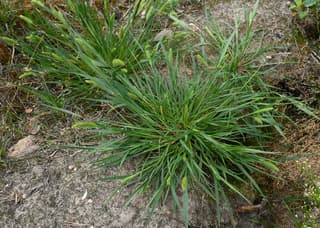
Green Foxtail
Setaria viridis
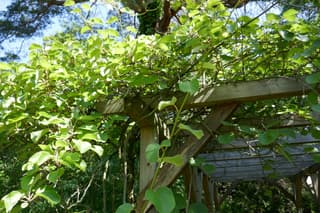
Golden Kiwifruit
Actinidia chinensis
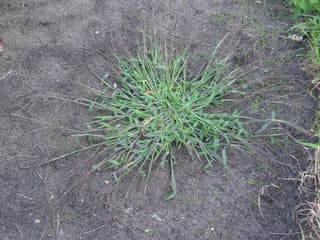
hairy crabgrass
Digitaria sanguinalis
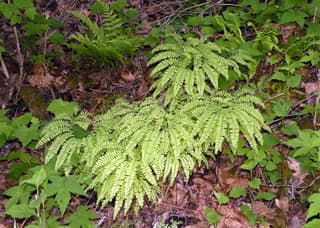
Northern Maidenhair Fern
Adiantum pedatum
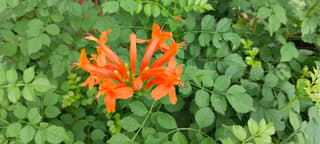
Cape Honeysuckle
Tecoma capensis
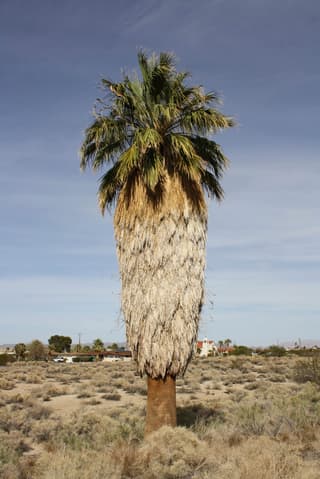
California Fan Palm
Washingtonia filifera
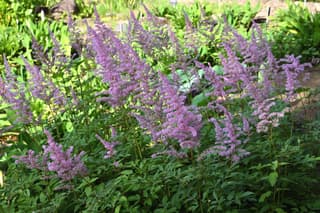
Rose Astilbe
Astilbe × rosea
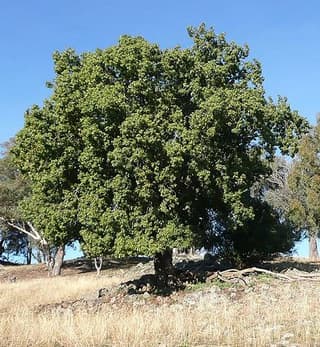
Kurrajong
Brachychiton populneus
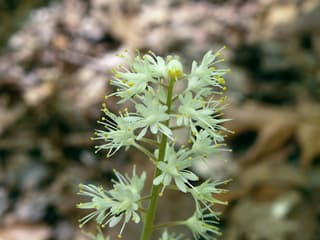
Foamflower
Tiarella cordifolia
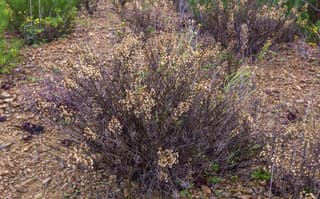
False Yellowhead
Dittrichia viscosa
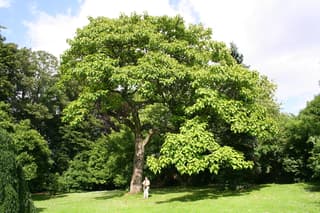
Empress Tree / Princess Tree (genus)
Paulownia
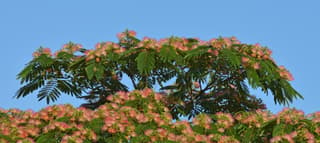
Silk Tree / Mimosa (genus)
Albizia
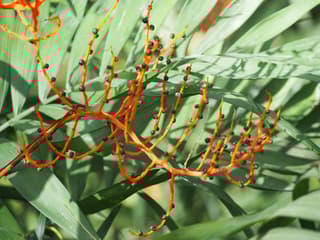
Parlor Palm
Chamaedorea elegans
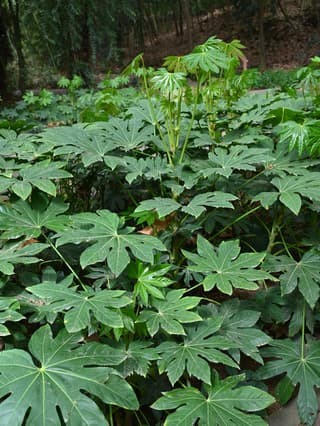
Japanese Aralia
Fatsia japonica
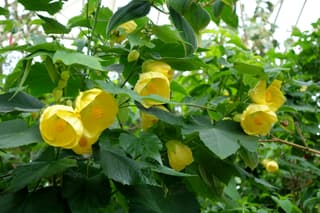
Flowering Maple
Abutilon hybridum
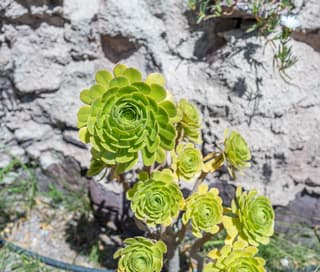
Stalked Aeonium
Aeonium undulatum
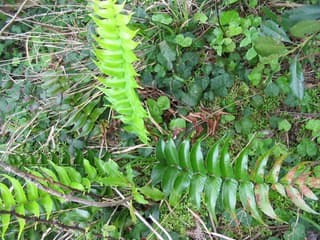
Japanese Holly Fern
Cyrtomium falcatum
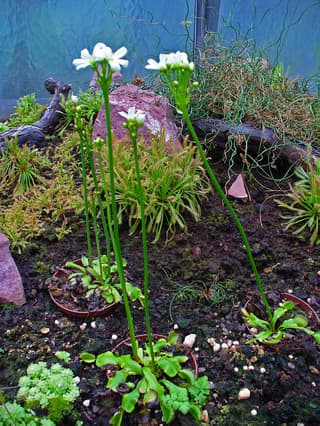
Venus Flytrap
Dionaea muscipula
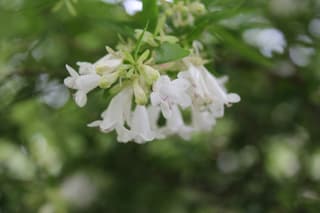
Glossy Abelia
Abelia x grandiflora
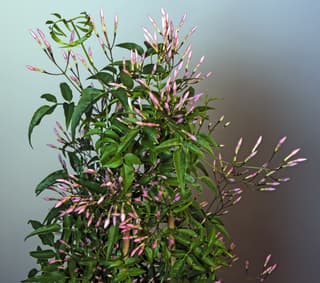
Pink Jasmine
Jasminum polyanthum
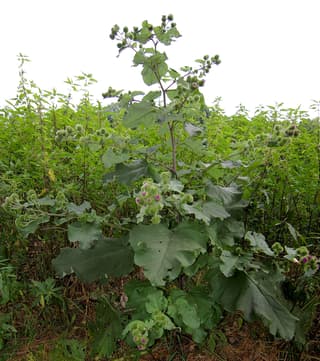
Burdock
Arctium lappa
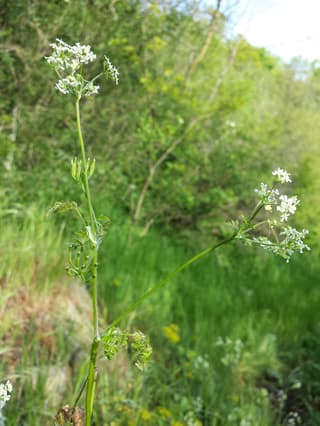
Chervil
Anthriscus cerefolium
Ideal Pet Safe for General San Martín's Climate
General San Martín has an average temperature of 15.8°C and humidity of 58.6%, conditions that directly influence which pet safe best adapt to the local environment.
How to Grow Pet Safe in General San Martín
To successfully grow pet safe in General San Martín, consider that the average temperature of 15.8°C and humidity of 58.6% create a specific microclimate. Moderate humidity is favorable for most species in this category.
Advantages of Choosing Adapted Pet Safe
Pet Safe adapted to General San Martín's climate show greater resistance, healthy growth, and less need for interventions.