303 Best Succulents for Melo | 2026 Guide - Page 8
The 303 best succulents to grow in Melo. Ideal climate: 18.1°C, 63% humidity.
303 Succulents for Melo
Showing 253-288 of 303
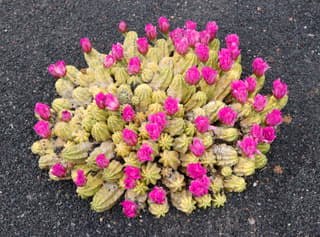
Hedgehog Cactus
Echinocereus
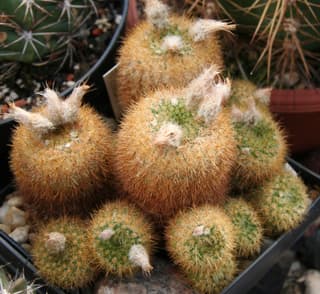
Dwarf Frailea
Frailea pumila
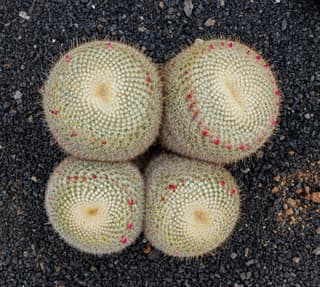
Pincushion Cactus / Nipple Cactus (genus)
Mammillaria
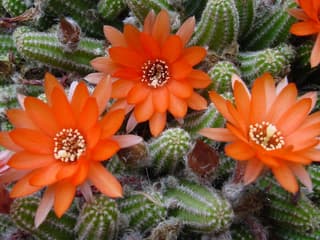
Peanut Cactus
Chamaecereus silvestrii
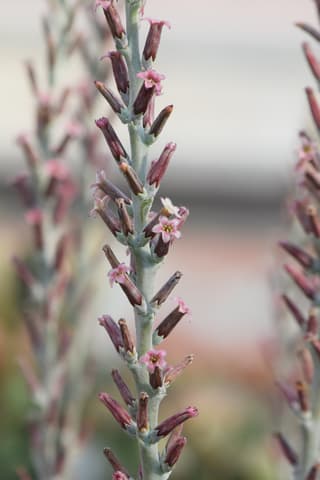
Plover Eggs Plant
Adromischus
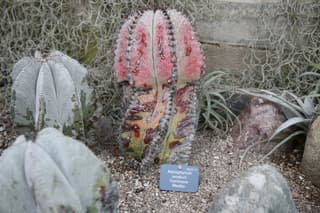
Monk's Hood Cactus
Astrophytum ornatum
Agave Cactus
Leuchtenbergia principis
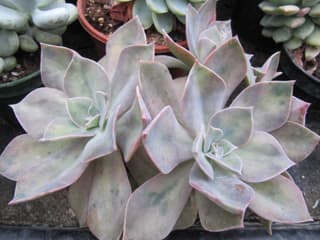
Graptoveria
Graptoveria
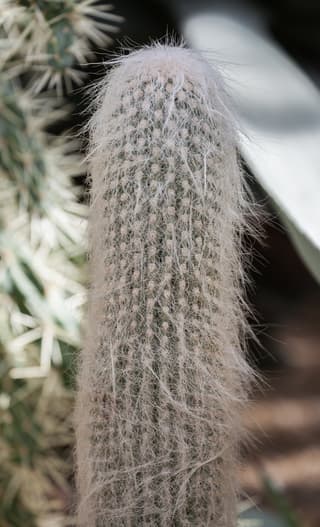
Old Man Cactus
Cephalocereus senilis

White Head Cactus
Espostoopsis dybowskii

Claret Cup Cactus
Echinocereus triglochidiatus

Old Man of the Andes
Oreocereus celsianus
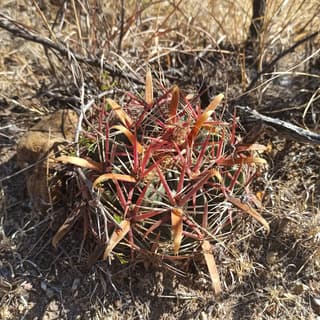
Devils Tongue Cactus
Ferocactus latispinus
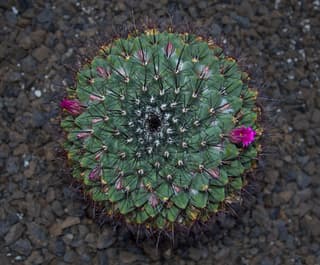
Saltillo Pincushion Cactus
Mammillaria winterae
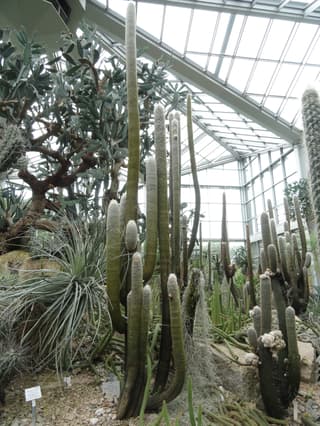
Old Man Cactus
Espostoa lanata
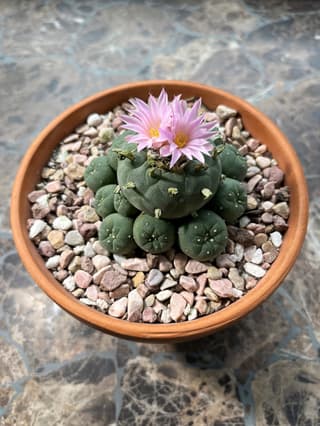
Peyote
Lophophora williamsii
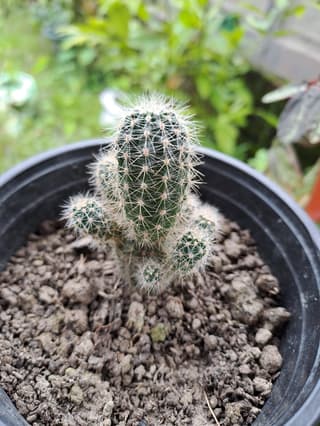
Sea Urchin Cactus
Echinopsis tubiflora
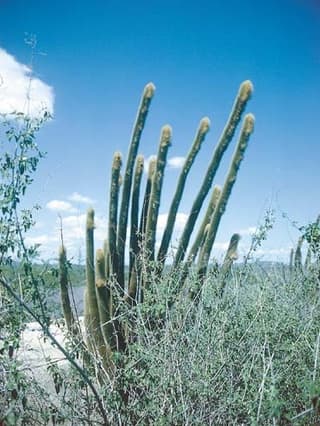
Brazilian Cactus
Pilosocereus chrysostele
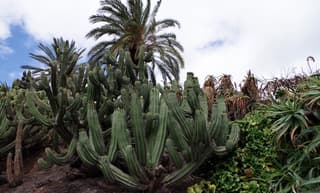
Chichipe Cactus
Polaskia chichipe
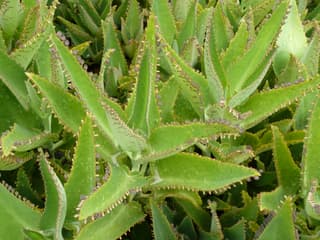
Mother of Thousands
Kalanchoe daigremontiana
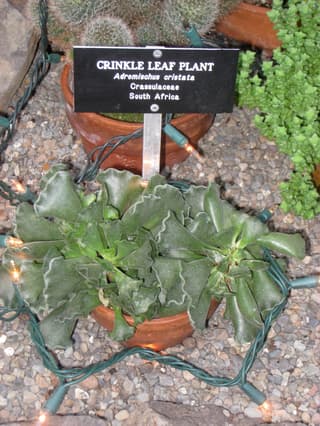
Crinkle-leaf Plant
Adromischus cristatus
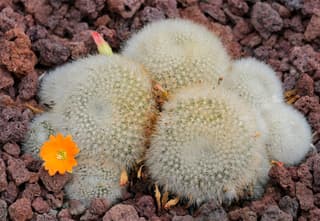
Red Crown Cactus
Rebutia minuscula
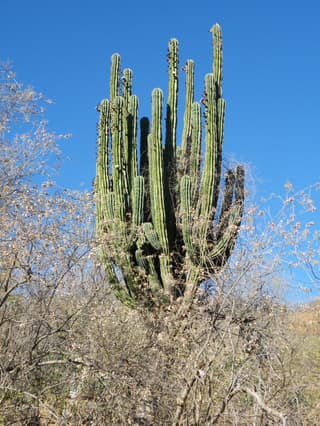
Indian Comb Cactus
Pachycereus pecten-aboriginum
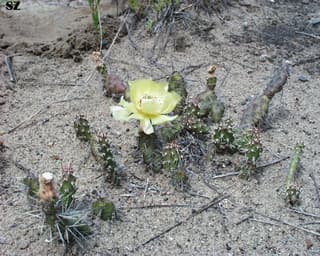
Brittle Prickly Pear
Opuntia fragilis
Cactus
Cactaceae
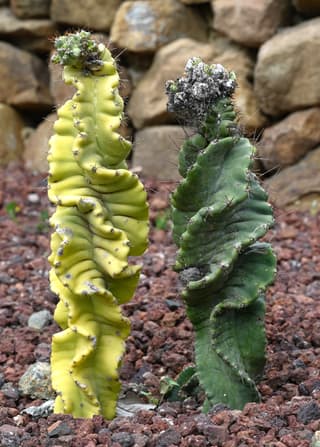
Spiral Cactus
Cereus forbesii 'Spiralis'
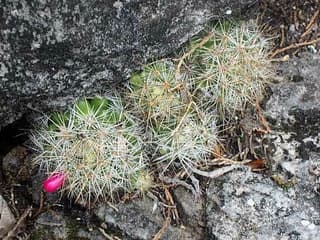
Golden Stars Cactus
Mammillaria vetula
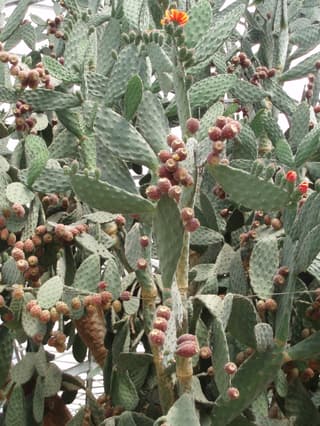
Woollyjoint Prickly Pear
Opuntia tomentosa
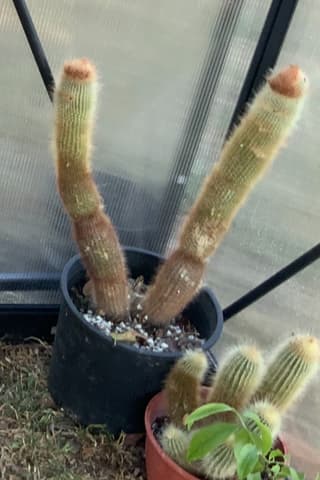
Micranthocereus
Micranthocereus
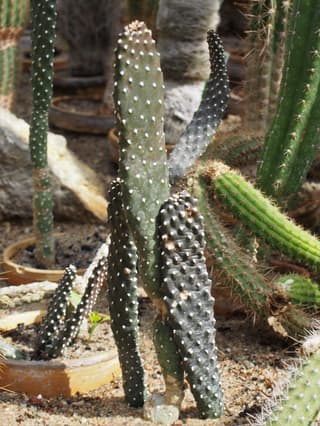
Road Kill Cactus
Consolea rubescens

Brain Cactus
Echinofossulocactus multicostatus
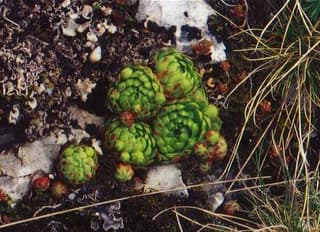
Globe Houseleek
Sempervivum globiferum
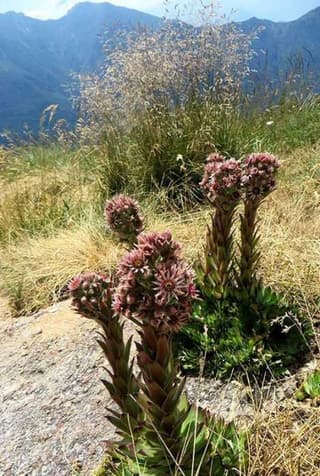
Hens and Chicks
Sempervivum
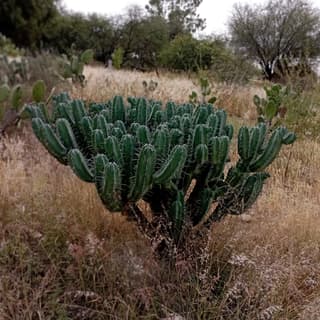
Blue Candle Cactus
Myrtillocactus geometrizans
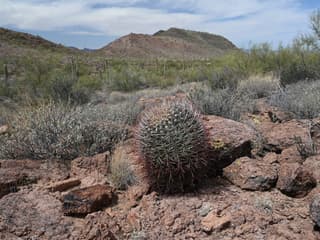
Emory's Barrel Cactus
Ferocactus emoryi

Brain Cactus
Stenocactus phyllacanthus
Ideal Succulents for Melo's Climate
Melo has an average temperature of 18.1°C and humidity of 63%, conditions that directly influence which succulents best adapt to the local environment.
How to Grow Succulents in Melo
To successfully grow succulents in Melo, consider that the average temperature of 18.1°C and humidity of 63% create a specific microclimate. Moderate humidity is favorable for most species in this category.
Advantages of Choosing Adapted Succulents
Succulents adapted to Melo's climate show greater resistance, healthy growth, and less need for interventions.