500 Best Plants for North Lanarkshire | 2026 Guide - Page 11
Discover the 500 ideal plants for North Lanarkshire's climate. Average temp: 9.3°C, Humidity: 83.2%.
Top 500 Plants for North Lanarkshire
Showing 361-396 of 500
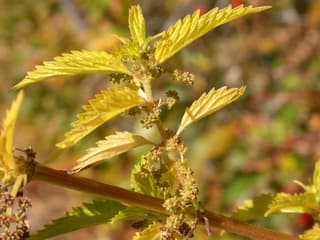
Slender Stinging Nettle
Urtica gracilis
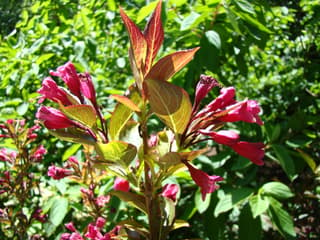
Old Fashioned Weigela
Weigela florida
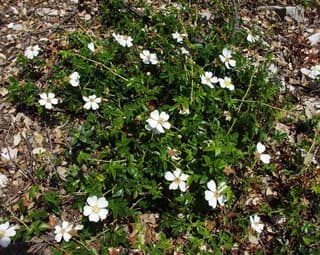
Evergreen Rose
Rosa sempervirens
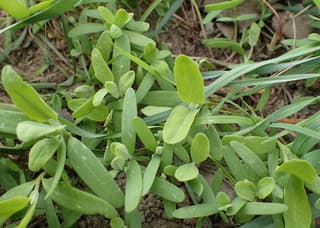
Common Orache
Atriplex patula
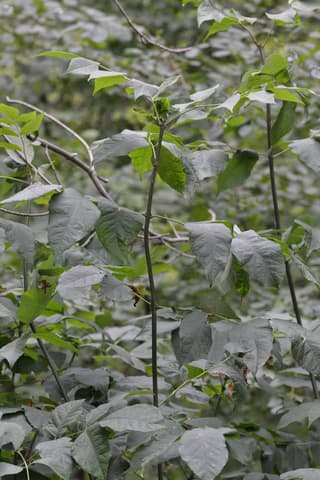
Green Ash
Fraxinus pennsylvanica
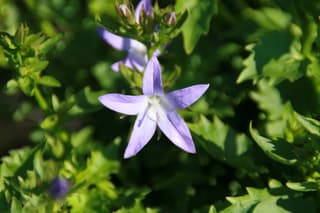
Serbian Bellflower
Campanula poscharskyana
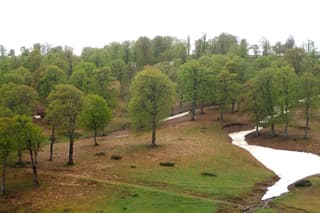
Oriental Beech
Fagus orientalis
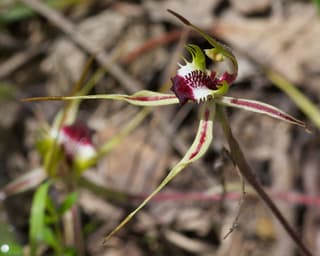
Small Spider-orchid
Caladenia parva
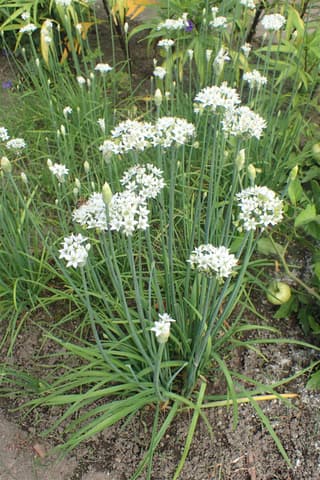
Garlic Chives
Allium tuberosum
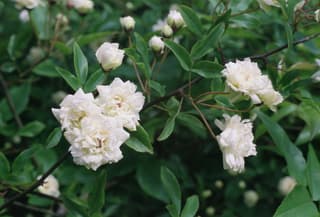
Lady Banks' Rose
Rosa banksiae
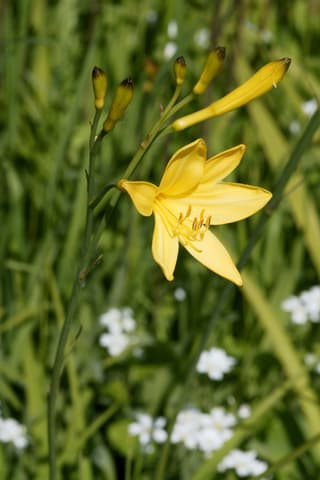
Orange daylily
Hemerocallis fulva
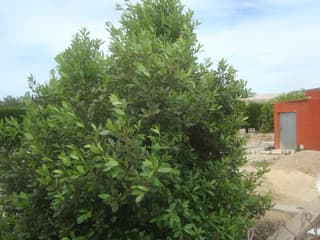
Bay Laurel
Laurus nobilis
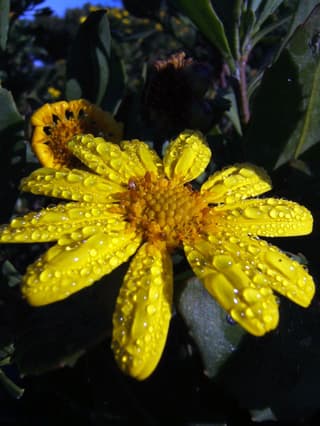
Bietou
Osteospermum moniliferum
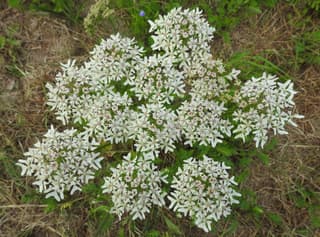
Common Hogweed
Heracleum sphondylium
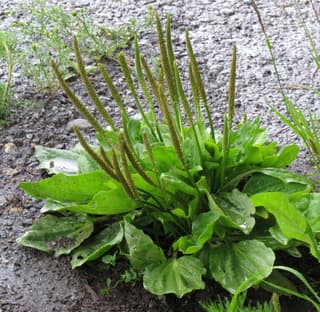
Broadleaf Plantain
Plantago major
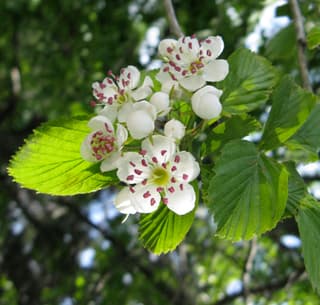
Dotted Hawthorn
Crataegus punctata
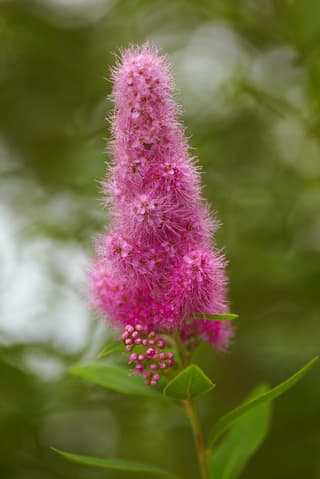
Billard Spiraea
Spiraea billardii
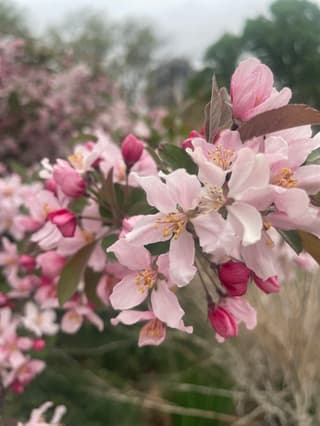
Japanese Flowering Crabapple
Malus × floribunda
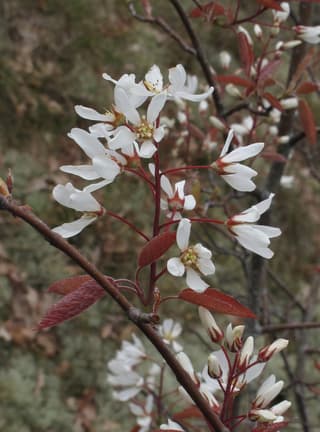
Serviceberry
Amelanchier
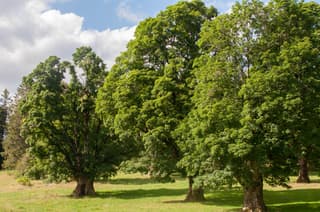
Sycamore Maple
Acer pseudoplatanus
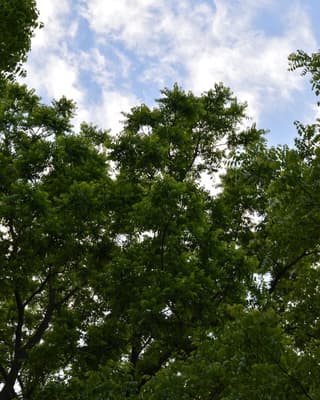
Eastern Black Walnut
Juglans nigra
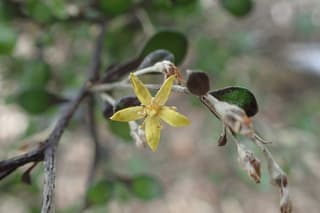
Wire-netting Bush
Corokia cotoneaster
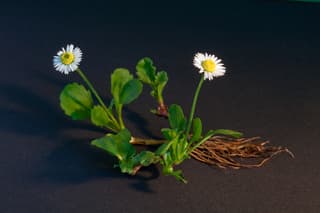
English Daisy
Bellis perennis
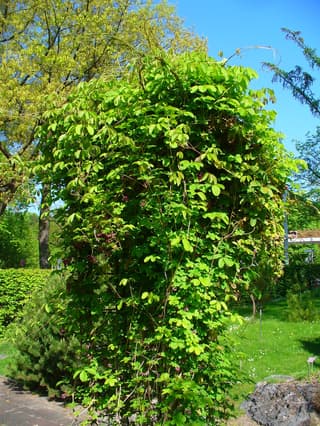
Chocolate Vine
Akebia quinata
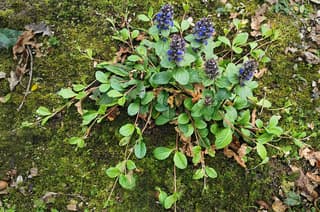
Bugleweed
Ajuga
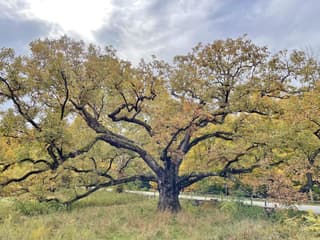
White Oak
Quercus alba
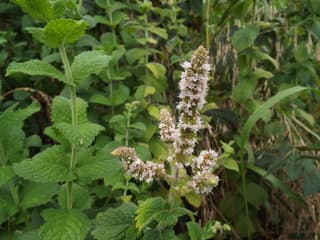
Apple Mint
Mentha × rotundifolia
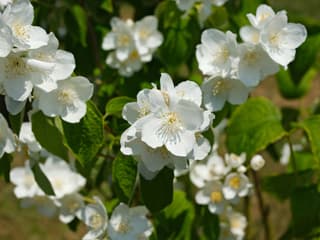
Scentless Mock Orange
Philadelphus inodorus
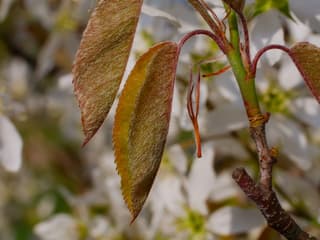
Juneberry
Amelanchier × lamarckii
Cast Iron Plant
Aspidistra lurida
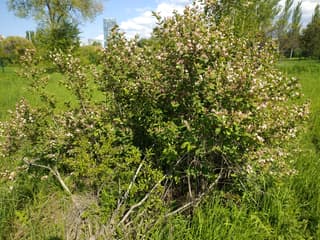
Tatarian Honeysuckle
Lonicera tatarica
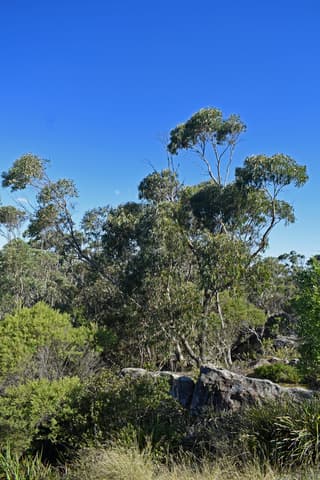
Tasmanian Blue Gum
Eucalyptus globulus
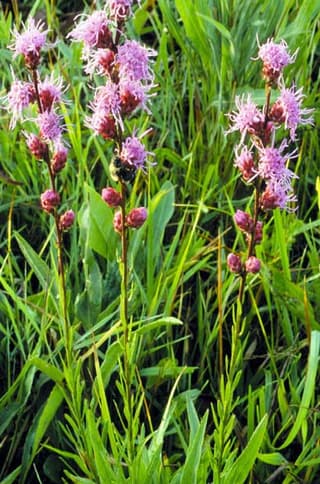
Rough Blazing Star
Liatris aspera
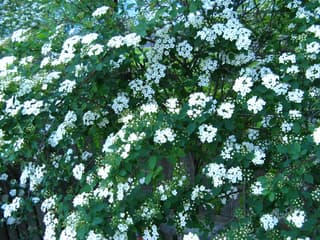
Vanhoutte Spirea
Spiraea × vanhouttei
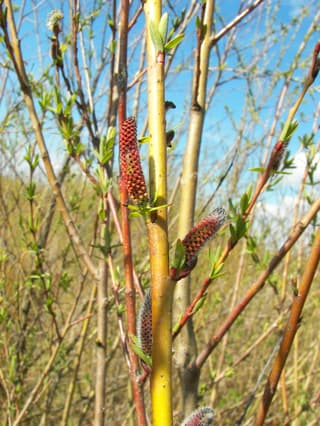
Purple Willow
Salix purpurea
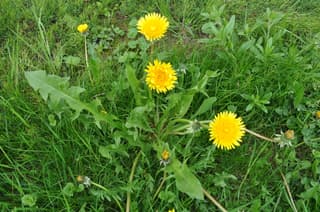
Dandelion
Taraxacum
North Lanarkshire Climate for Plant Growing
North Lanarkshire has a climate with an average annual temperature of 9.3°C and average relative humidity of 83.2%. These climate conditions are ideal for various species of ornamental and fruit plants.
Tips for Growing Plants in North Lanarkshire
To succeed in growing plants in North Lanarkshire, consider the average temperature of 9.3°C when choosing your species. Protect cold-sensitive plants during winter. High humidity favors tropical plants, but watch for fungal issues.
Why Choose Plants Adapted to the Local Climate?
Plants adapted to North Lanarkshire's climate require less care, consume less water, and are more likely to thrive. Our selection considers the compatibility between each species' needs and local climate conditions, including temperature (9.3°C) and humidity (83.2%).