500 Best Easy Care for Nova Erechim | 2026 Guide - Page 13
The 500 best easy care to grow in Nova Erechim. Ideal climate: 20.8°C, 77.5% humidity.
500 Easy Care for Nova Erechim
Showing 433-468 of 500
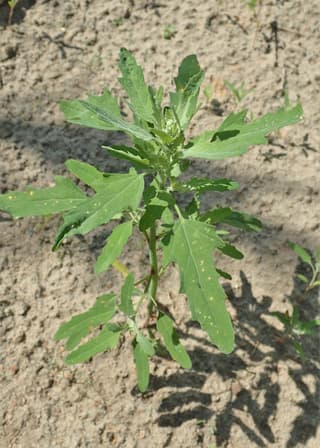
Fig-leaved Goosefoot
Chenopodium ficifolium
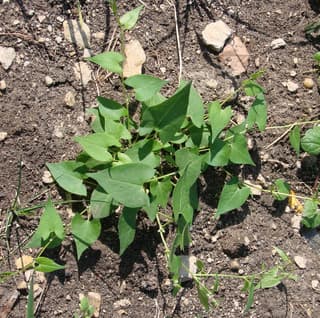
Black bindweed
Fallopia convolvulus
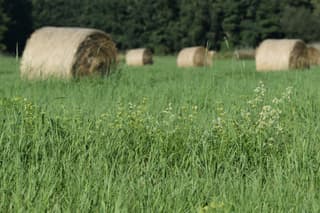
White Bedstraw
Galium album
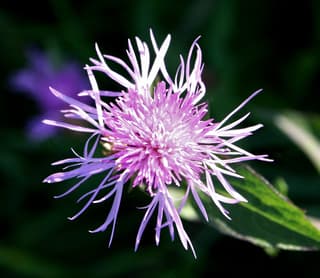
Tyrol Knapweed
Centaurea nigrescens
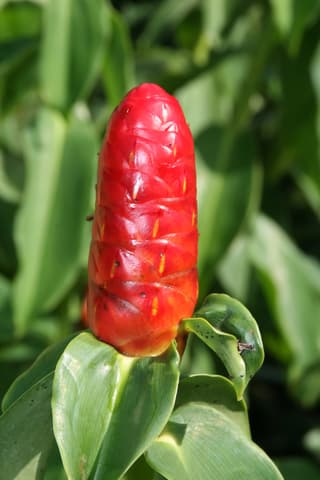
Red Button Ginger
Costus woodsonii
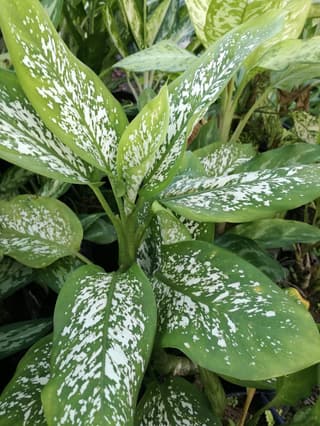
Spotted Dumb Cane
Dieffenbachia picta
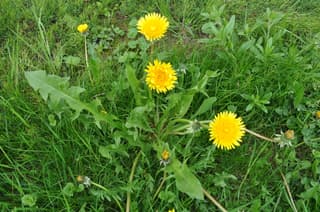
Dandelion
Taraxacum
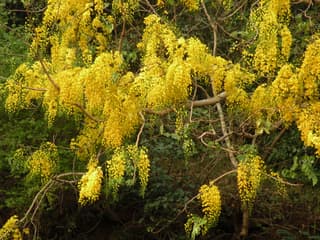
Golden shower tree
Cassia fistula
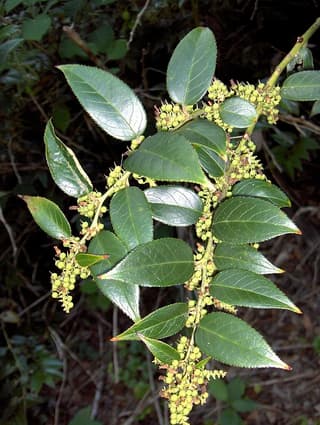
Fetterbush
Leucothoe fontanesiana
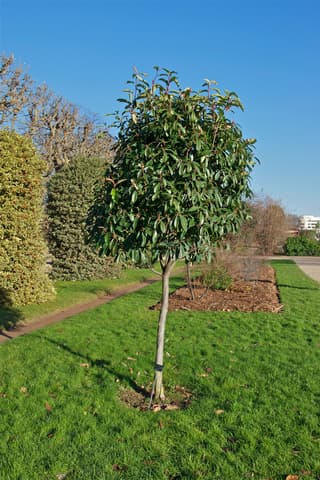
Chinese Photinia
Photinia serratifolia
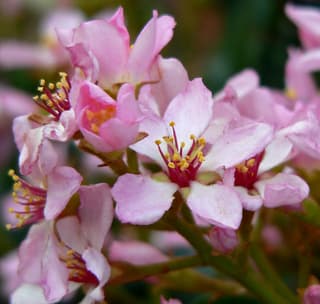
Indian Hawthorn
Rhaphiolepis
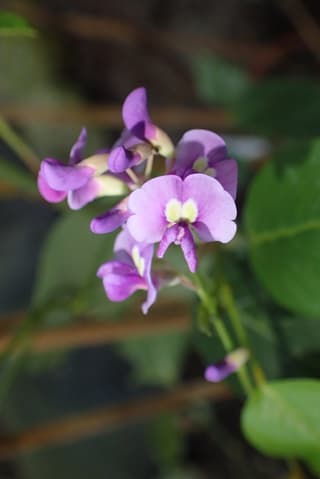
Purple Coral Pea
Hardenbergia violacea
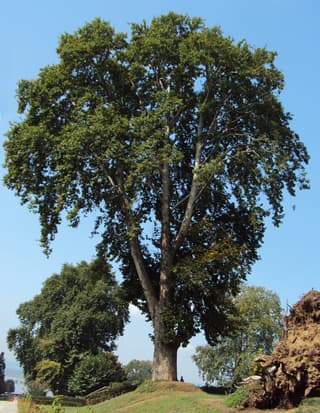
Oriental Plane
Platanus orientalis
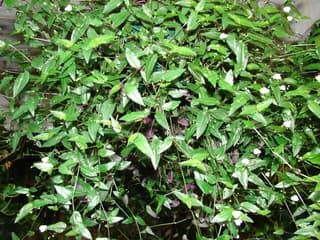
Tahitian Bridal Veil
Gibasis geniculata
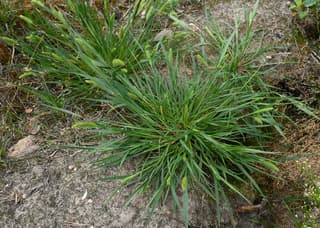
Green Foxtail
Setaria viridis
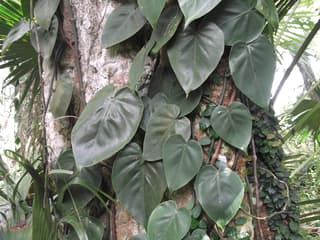
Heartleaf Philodendron
Philodendron hederaceum
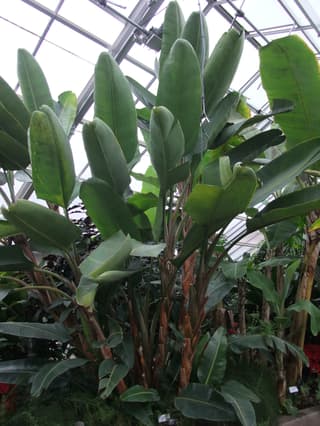
Giant White Bird of Paradise
Strelitzia nicolai
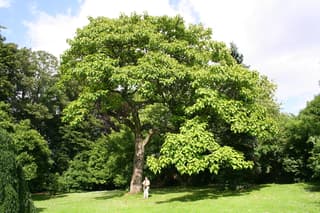
Empress Tree / Princess Tree (genus)
Paulownia
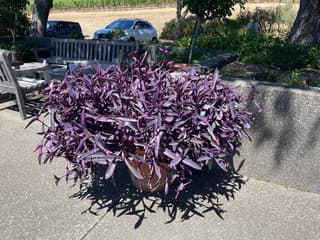
Inch Plant
Tradescantia zebrina
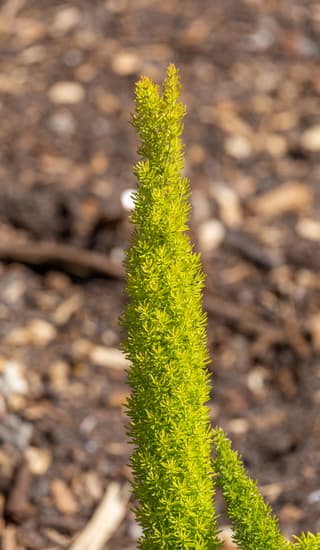
Asparagus Fern
Asparagus densiflorus
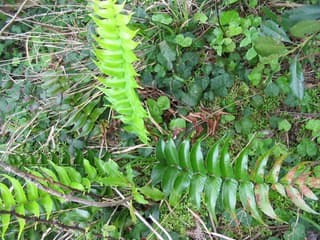
Japanese Holly Fern
Cyrtomium falcatum
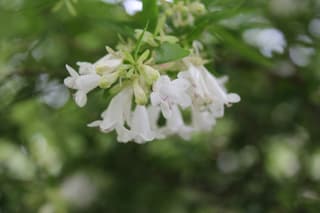
Glossy Abelia
Abelia x grandiflora
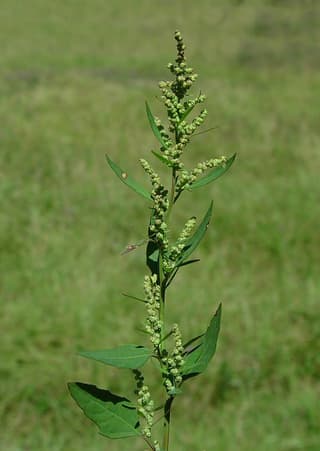
Goosefoot
Chenopodium
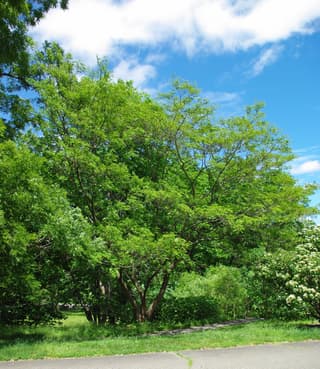
Silk Tree
Albizia julibrissin
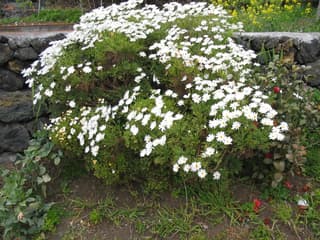
Marguerite Daisy
Argyranthemum frutescens
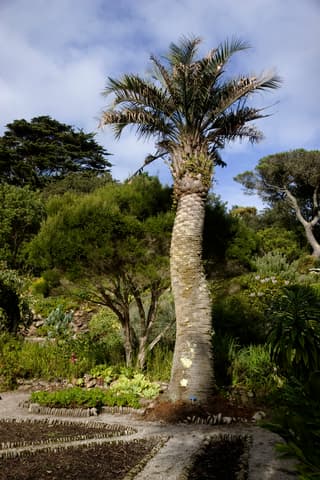
Pindo Palm
Butia capitata
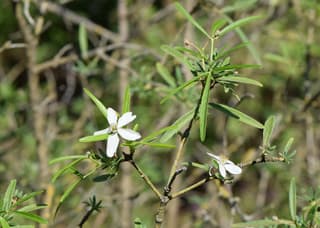
Mexican Orange Blossom (genus)
Choisya
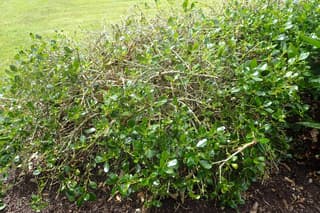
Mirror Plant
Coprosma repens
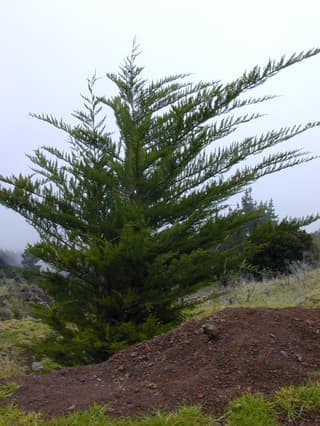
Monterey Cypress
Cupressus macrocarpa
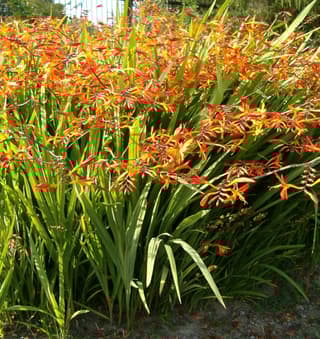
Montbretia
Crocosmia crocosmiiflora
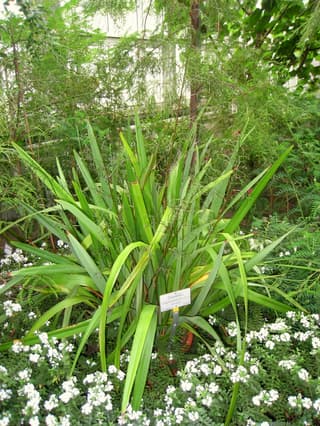
Tasman Flax Lily
Dianella tasmanica
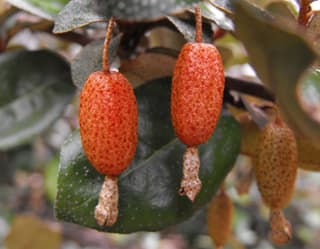
Thorny Olive
Elaeagnus pungens

Field Maple
Acer campestre
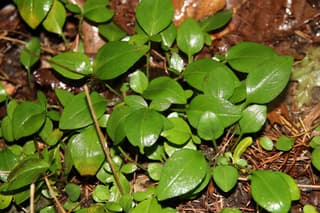
Shrubby St. John's Wort
Hypericum prolificum
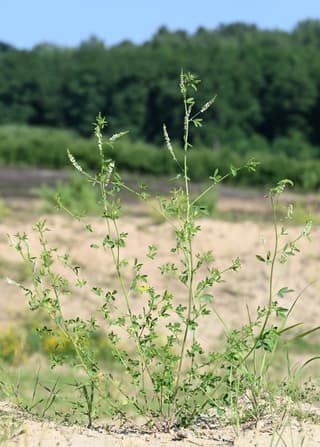
White sweet clover
Melilotus albus
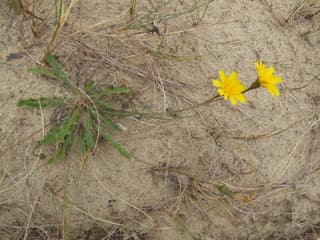
Lesser Hawkbit
Leontodon saxatilis
Ideal Easy Care for Nova Erechim's Climate
Nova Erechim has an average temperature of 20.8°C and humidity of 77.5%, conditions that directly influence which easy care best adapt to the local environment.
How to Grow Easy Care in Nova Erechim
To successfully grow easy care in Nova Erechim, consider that the average temperature of 20.8°C and humidity of 77.5% create a specific microclimate. High humidity favors tropical species, but requires attention to ventilation to prevent fungal issues.
Advantages of Choosing Adapted Easy Care
Easy Care adapted to Nova Erechim's climate show greater resistance, healthy growth, and less need for interventions.