500 Best Plants for Pirapora do Bom Jesus | 2026 Guide - Page 9
Discover the 500 ideal plants for Pirapora do Bom Jesus's climate. Average temp: 20.3°C, Humidity: 80.2%.
Top 500 Plants for Pirapora do Bom Jesus
Showing 289-324 of 500
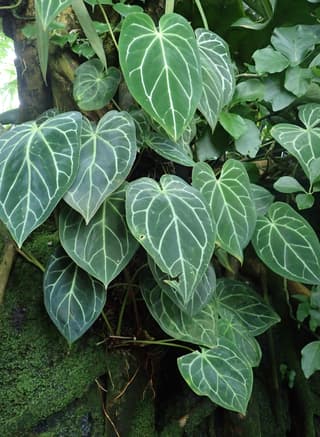
Magnificent Anthurium
Anthurium magnificum
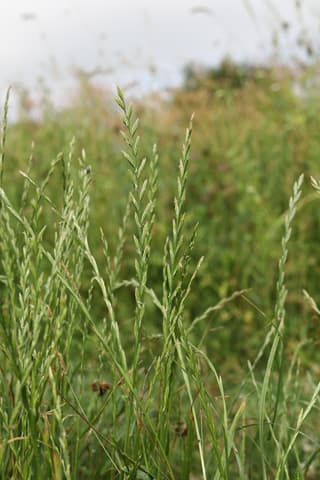
Perennial ryegrass
Lolium perenne
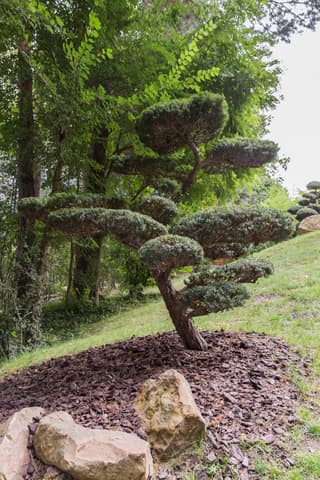
English Yew
Taxus baccata
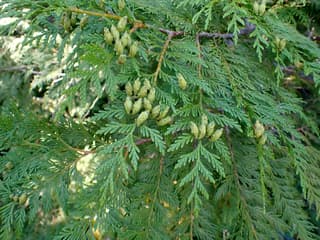
Western Red Cedar
Thuja plicata
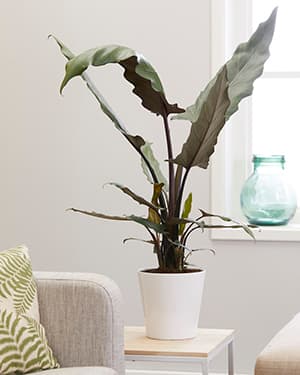
Purple Sword
Alocasia lauterbachiana
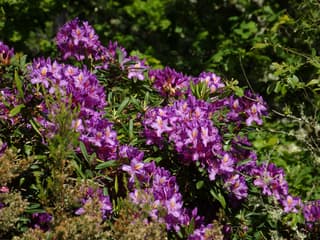
Common Rhododendron
Rhododendron ponticum
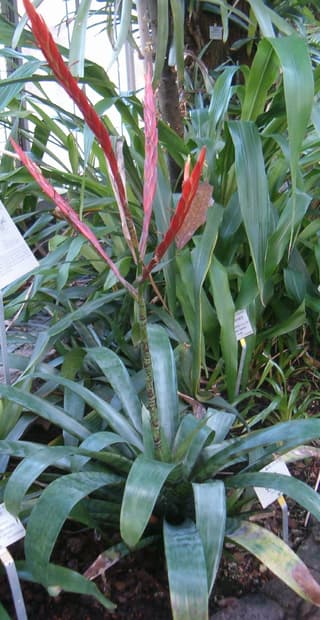
Flaming Sword Bromeliad
Lutheria
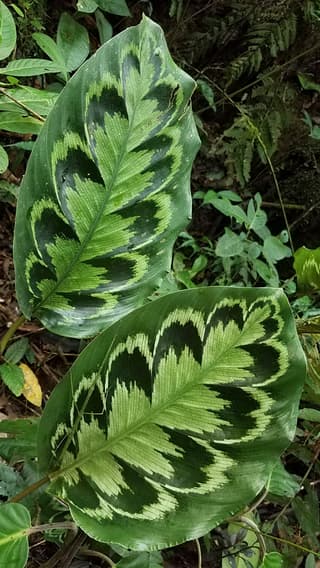
Medallion Calathea
Goeppertia veitchiana
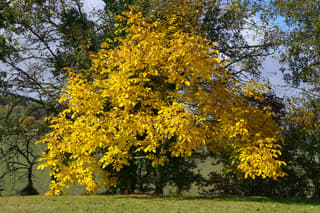
English walnut
Juglans regia
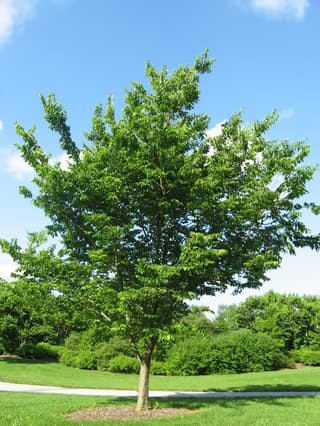
Common hackberry
Celtis occidentalis
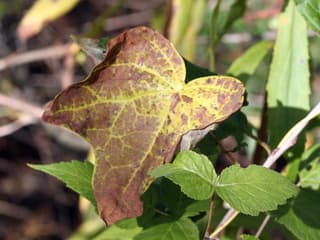
Moonseed
Menispermum canadense
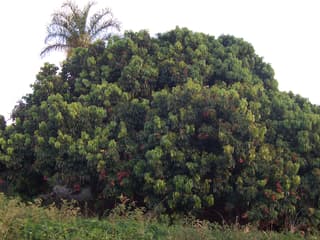
Lychee
Litchi chinensis
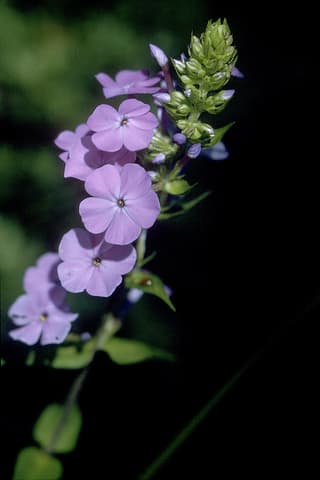
Wild Sweet William
Phlox maculata
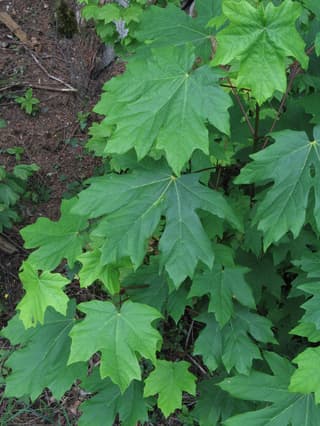
Bigleaf maple
Acer macrophyllum
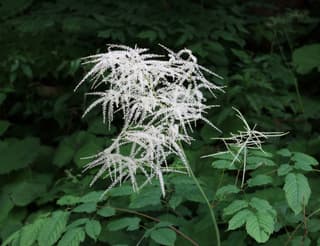
Goat's Beard
Aruncus dioicus
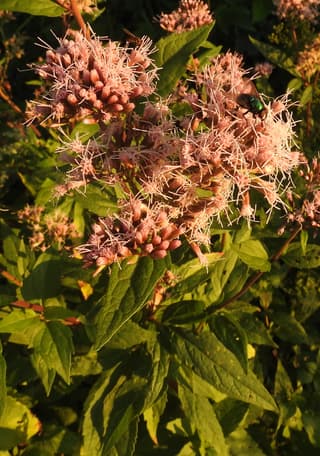
Boneset
Eupatorium
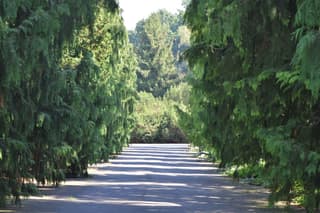
Lawson's Cypress
Chamaecyparis lawsoniana
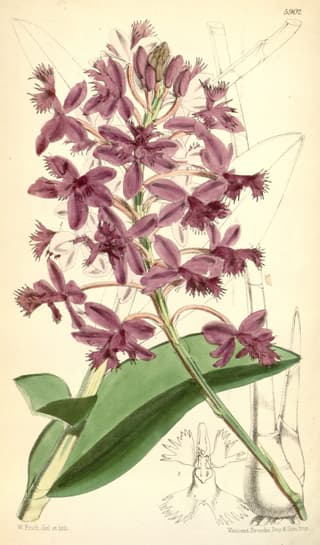
Jamieson's Epidendrum
Epidendrum jamiesonis
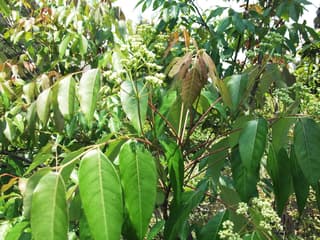
Catuaba
Trichilia
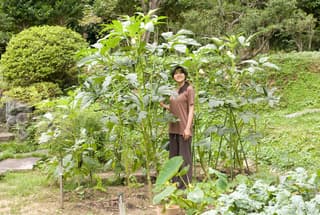
Okra
Abelmoschus esculentus
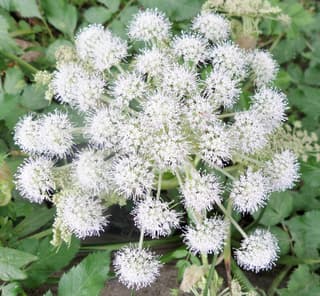
Wild Angelica
Angelica sylvestris
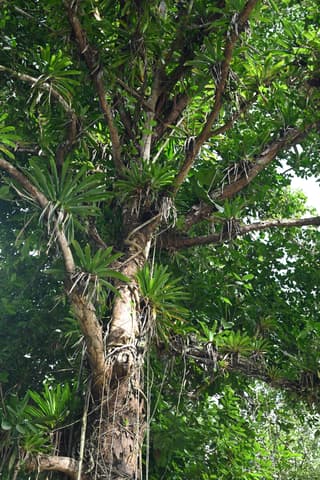
Guzmania
Guzmania
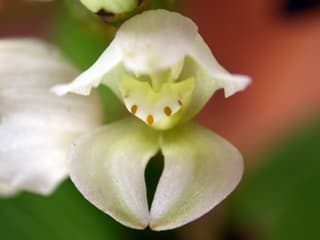
Govenia
Govenia
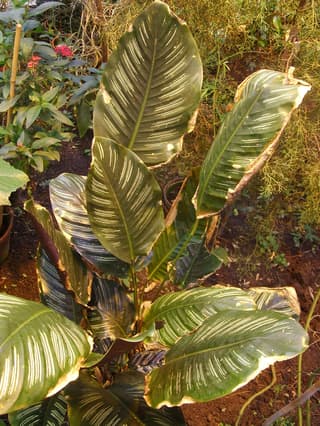
White Star Calathea
Goeppertia majestica
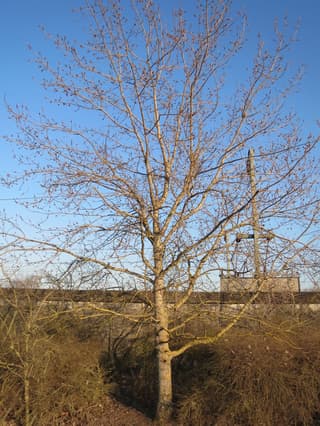
Poplar
Populus
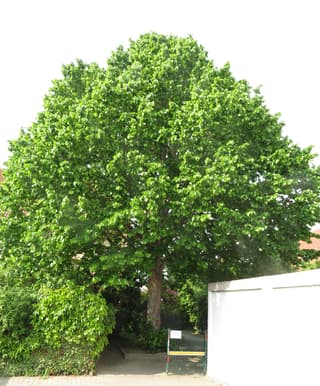
Common Hazel
Corylus avellana
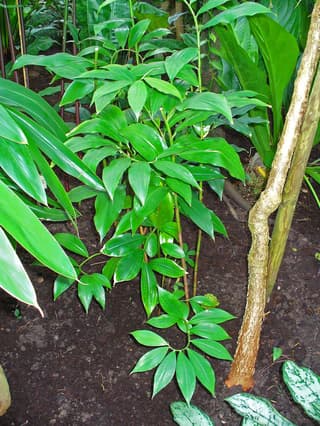
Crepe Ginger
Hellenia speciosa

Silver Birch
Betula pendula
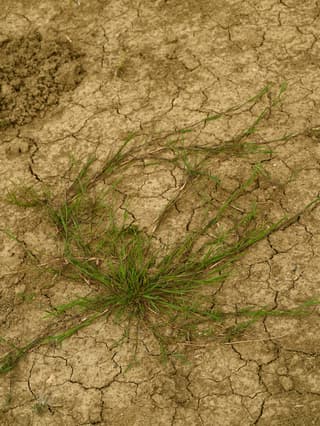
Creeping bentgrass
Agrostis stolonifera
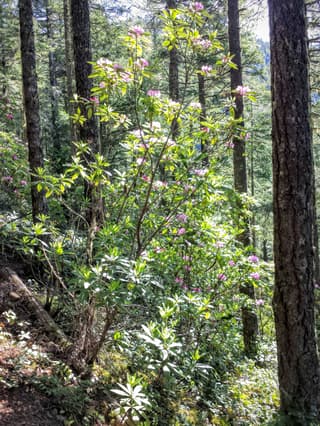
Pacific Rhododendron
Rhododendron macrophyllum
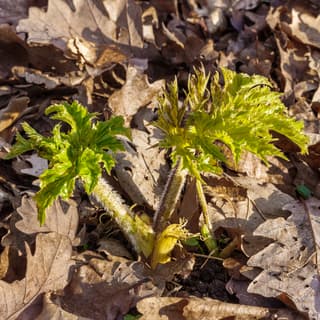
Common Hogweed
Heracleum
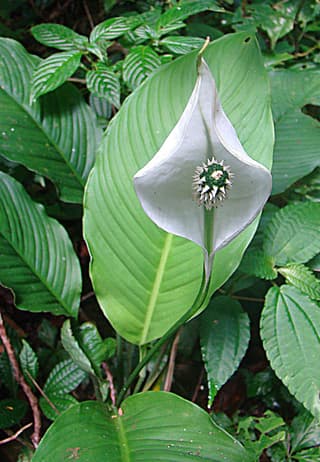
Peace Lily
Spathiphyllum wendlandii
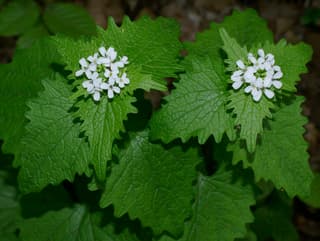
Garlic Mustard
Alliaria petiolata
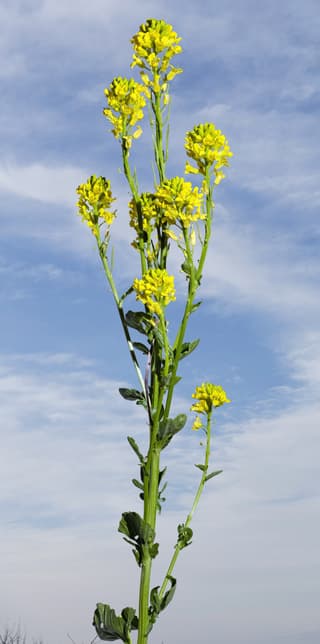
Wintercress
Barbarea vulgaris
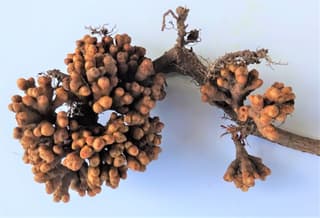
Alder
Alnus
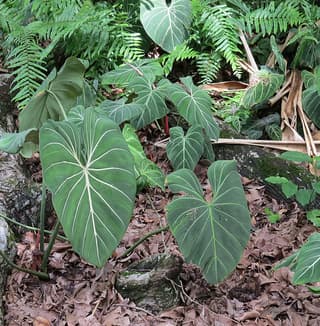
Philodendron Gloriosum
Philodendron gloriosum
Pirapora do Bom Jesus Climate for Plant Growing
Pirapora do Bom Jesus has a climate with an average annual temperature of 20.3°C and average relative humidity of 80.2%. These climate conditions are ideal for various species of ornamental and fruit plants.
Tips for Growing Plants in Pirapora do Bom Jesus
To succeed in growing plants in Pirapora do Bom Jesus, consider the average temperature of 20.3°C when choosing your species. The temperate climate allows you to grow a wide variety of species. High humidity favors tropical plants, but watch for fungal issues.
Why Choose Plants Adapted to the Local Climate?
Plants adapted to Pirapora do Bom Jesus's climate require less care, consume less water, and are more likely to thrive. Our selection considers the compatibility between each species' needs and local climate conditions, including temperature (20.3°C) and humidity (80.2%).