500 Best Plants for San Pedro del Gallo | 2026 Guide - Page 10
Discover the 500 ideal plants for San Pedro del Gallo's climate. Average temp: 19.5°C, Humidity: 37.8%.
Top 500 Plants for San Pedro del Gallo
Showing 325-360 of 500
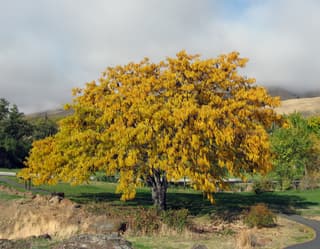
Honey Locust
Gleditsia triacanthos
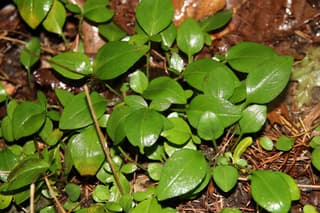
Shrubby St. John's Wort
Hypericum prolificum
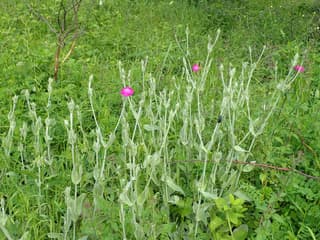
Rose Campion
Silene coronaria
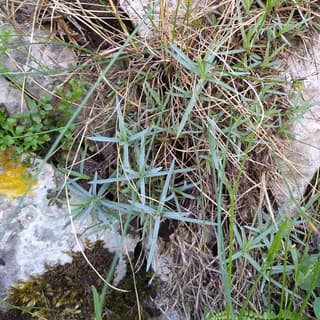
Cheddar Pink
Dianthus gratianopolitanus
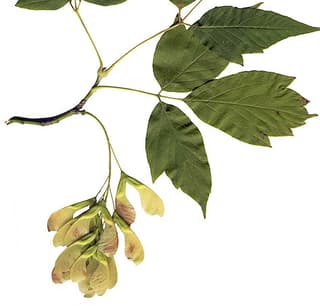
Boxelder
Acer negundo
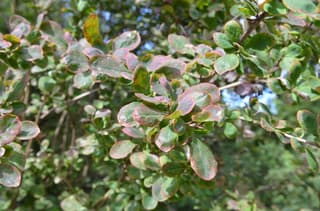
Ottawa Barberry
Berberis × ottawensis
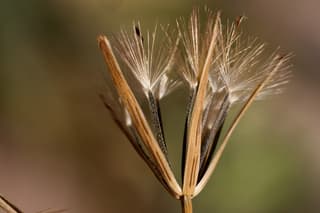
Papalo
Porophyllum ruderale
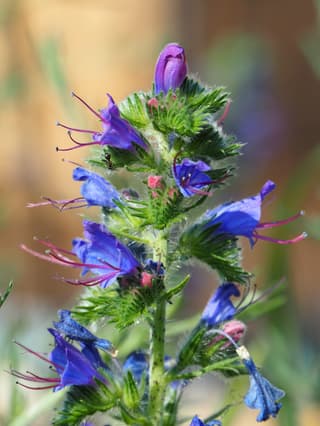
Viper's Bugloss
Echium vulgare
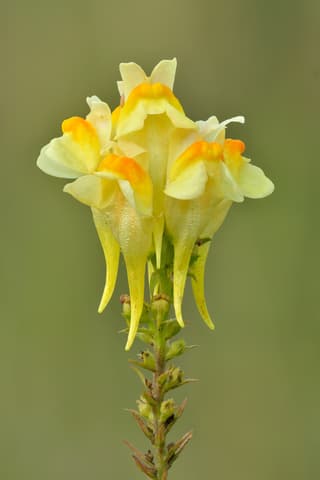
Yellow Toadflax
Linaria vulgaris
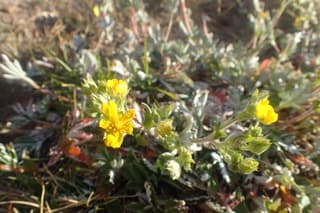
Beautiful Cinquefoil
Potentilla pulcherrima
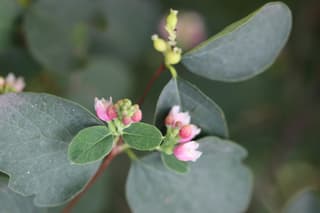
Common Snowberry
Symphoricarpos albus
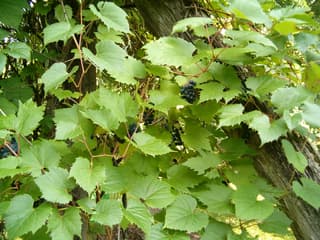
Riverbank Grape
Vitis riparia
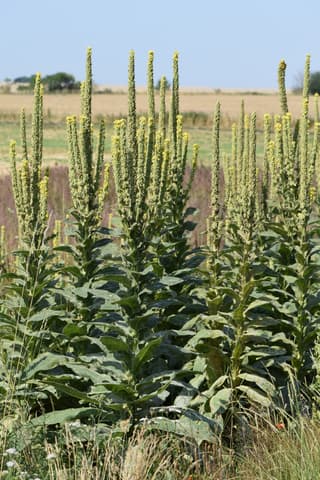
Common Mullein
Verbascum thapsus
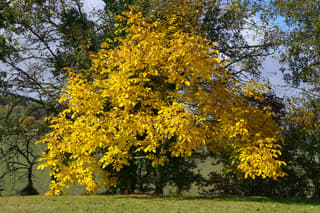
English walnut
Juglans regia
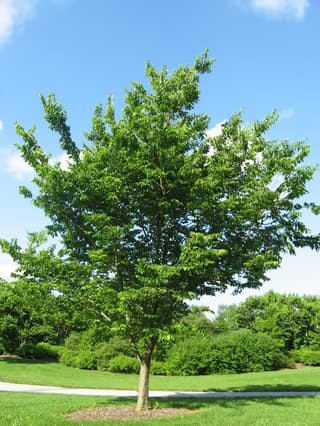
Common hackberry
Celtis occidentalis
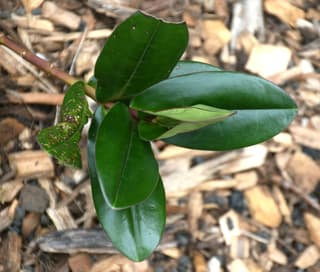
New Zealand Hebe
Veronica speciosa
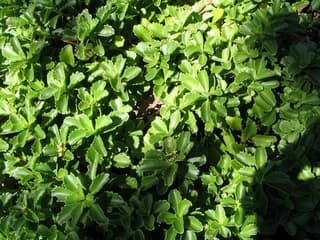
Kamchatka Stonecrop
Phedimus kamtschaticus
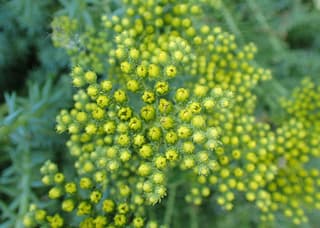
Stonecrop
Petrosedum
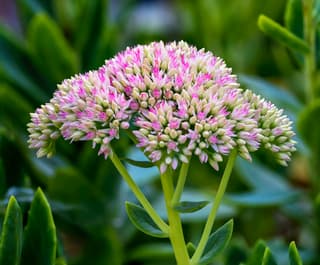
Autumn Joy Sedum
Hylotelephium
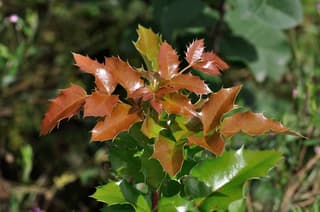
Oregon Grape
Berberis aquifolium
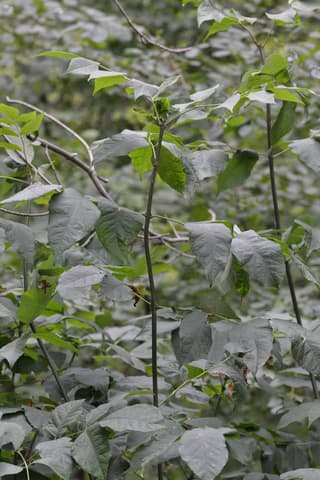
Green Ash
Fraxinus pennsylvanica
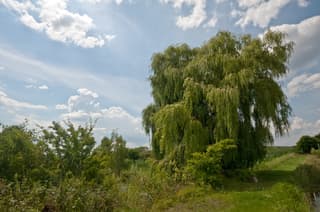
White Willow
Salix alba
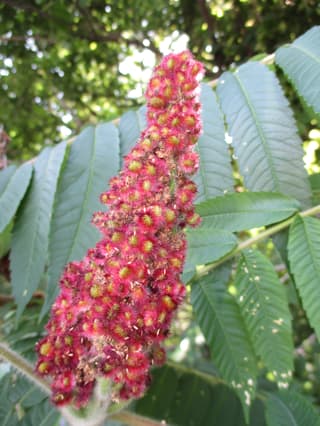
Staghorn Sumac
Rhus typhina
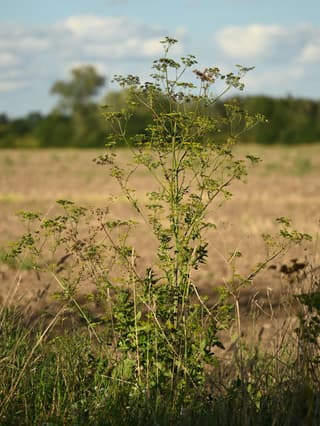
Parsnip
Pastinaca sativa
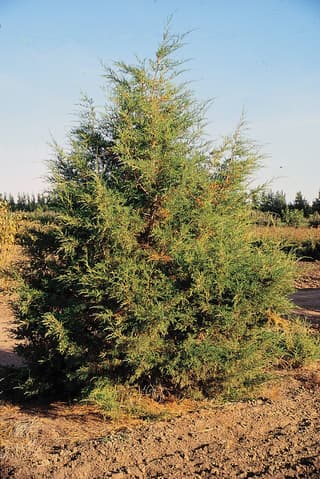
Rocky Mountain Juniper
Juniperus scopulorum
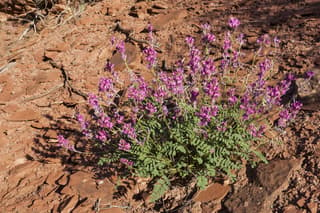
Boreal Sweet-vetch
Hedysarum boreale
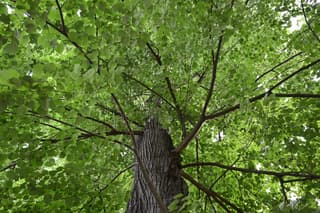
Silver Linden
Tilia tomentosa
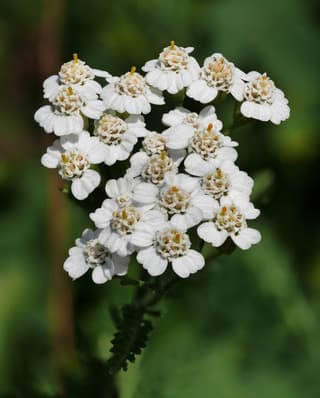
Yarrow
Achillea millefolium
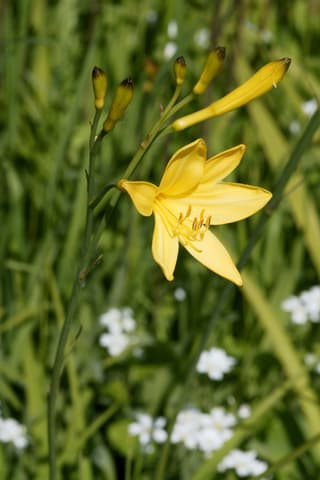
Orange daylily
Hemerocallis fulva
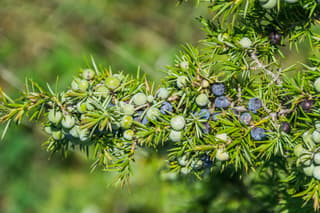
Common Juniper
Juniperus communis
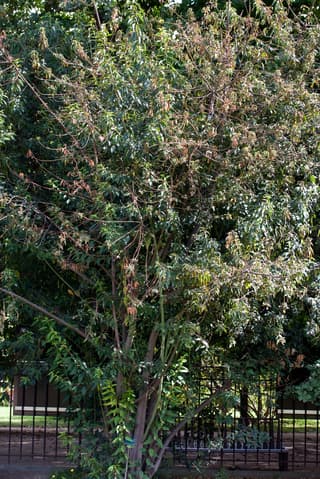
Maqui berry
Aristotelia chilensis
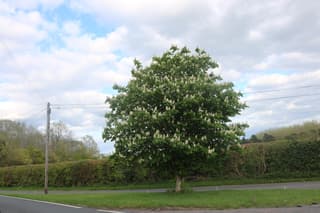
Horse Chestnut
Aesculus hippocastanum
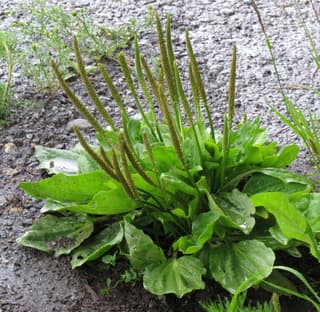
Broadleaf Plantain
Plantago major
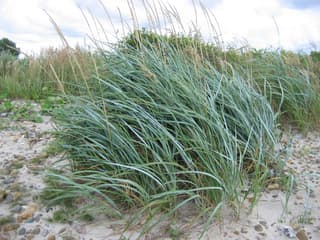
Sea Lyme Grass
Leymus arenarius
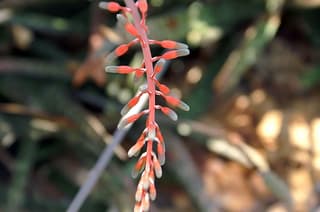
Ox tongue
Gasteria bicolor
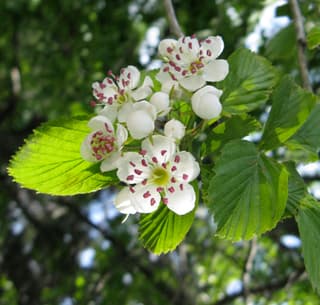
Dotted Hawthorn
Crataegus punctata
San Pedro del Gallo Climate for Plant Growing
San Pedro del Gallo has a climate with an average annual temperature of 19.5°C and average relative humidity of 37.8%. These climate conditions are ideal for various species of ornamental and fruit plants.
Tips for Growing Plants in San Pedro del Gallo
To succeed in growing plants in San Pedro del Gallo, consider the average temperature of 19.5°C when choosing your species. The temperate climate allows you to grow a wide variety of species. Water more frequently due to low humidity.
Why Choose Plants Adapted to the Local Climate?
Plants adapted to San Pedro del Gallo's climate require less care, consume less water, and are more likely to thrive. Our selection considers the compatibility between each species' needs and local climate conditions, including temperature (19.5°C) and humidity (37.8%).