500 Best Pet Safe for Tuscaloosa County | 2026 Guide - Page 10
The 500 best pet safe to grow in Tuscaloosa County. Ideal climate: 18.5°C, 73.2% humidity.
500 Pet Safe for Tuscaloosa County
Showing 325-360 of 500
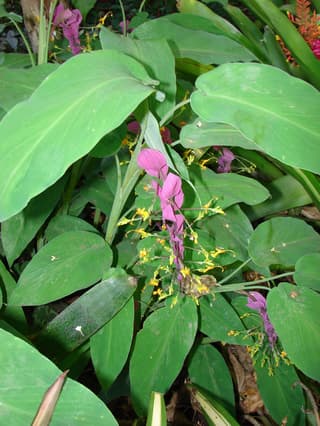
Dancing Lady Ginger
Globba winitii
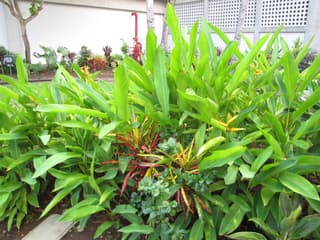
Parrot Heliconia
Heliconia psittacorum
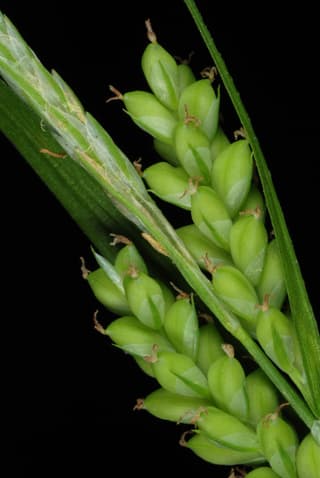
Eastern Woodland Sedge
Carex blanda
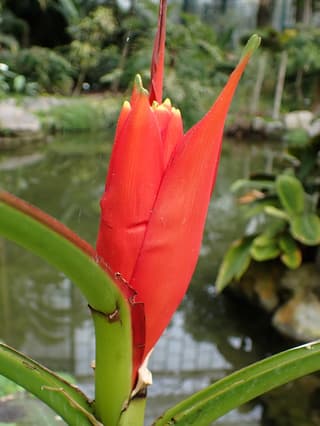
Scarlet Banana
Musa coccinea
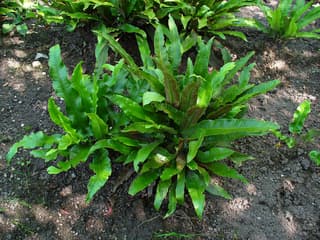
Hart's-tongue Fern
Asplenium scolopendrium
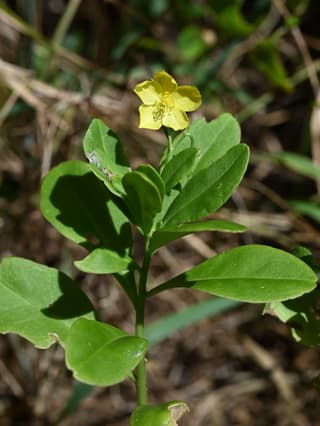
Waterleaf
Talinum fruticosum
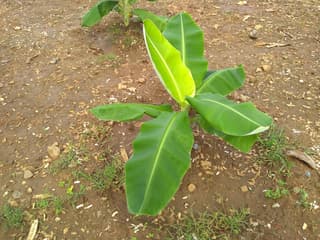
Banana
Musa
felt lichen
Peltigera
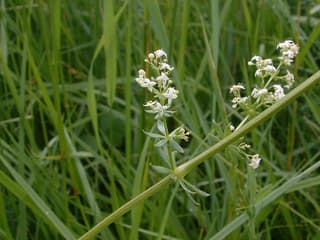
Hedge Bedstraw
Galium mollugo
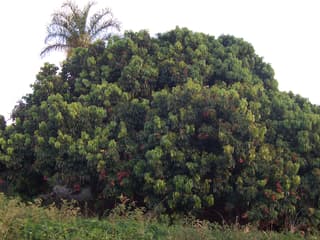
Lychee
Litchi chinensis
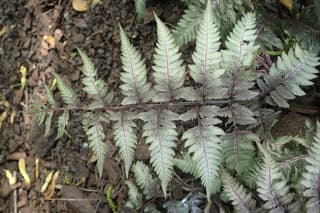
Japanese Painted Fern
Athyrium niponicum
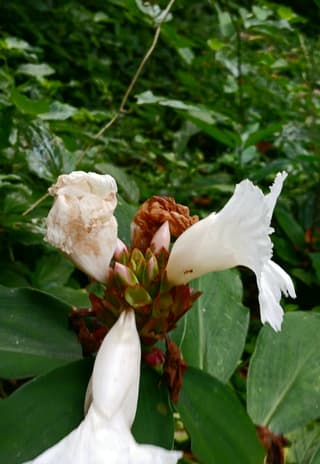
spiral ginger
Costus
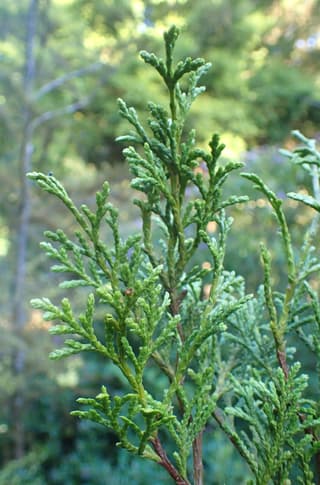
New Zealand Cedar
Libocedrus bidwillii
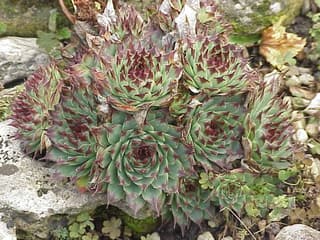
Limestone Houseleek
Sempervivum calcareum
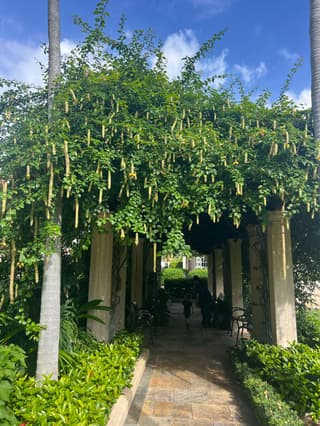
Parrot's Beak
Gmelina philippensis
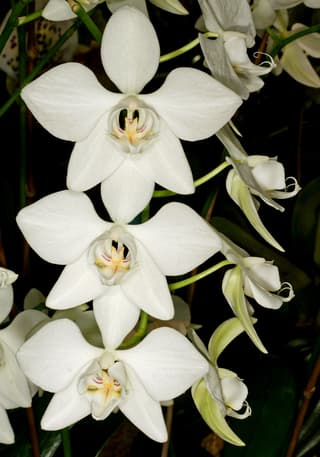
Moth Orchid
Phalaenopsis aphrodite
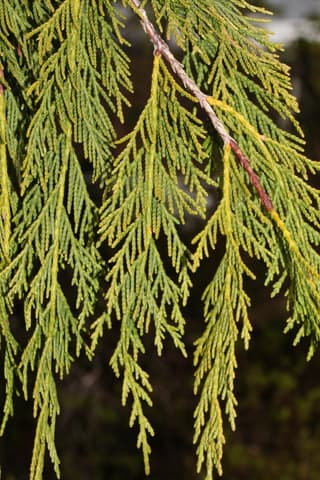
Nootka Cypress
Callitropsis nootkatensis
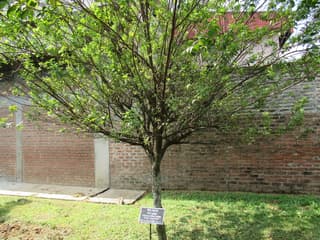
Star Apple
Chrysophyllum
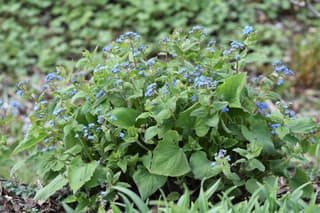
Siberian Bugloss
Brunnera macrophylla
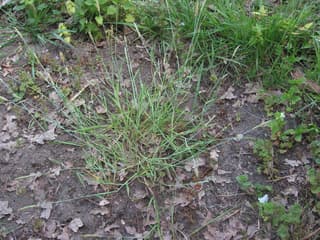
Water Foxtail
Alopecurus geniculatus
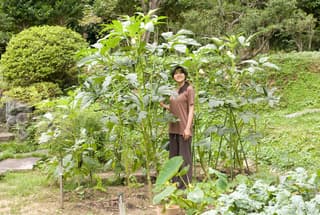
Okra
Abelmoschus esculentus
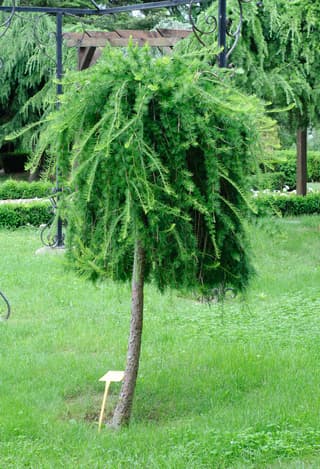
European Larch
Larix decidua
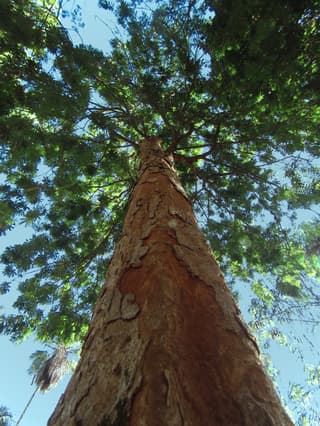
Brazilwood
Paubrasilia echinata
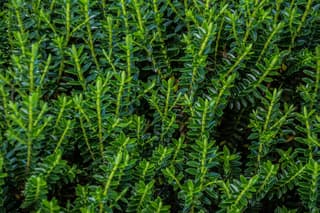
Fragrant Hebe
Hebe odora
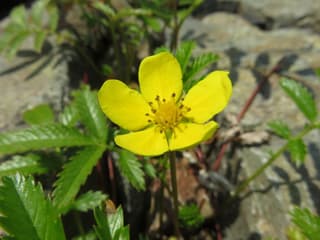
Silverweed
Argentina anserina
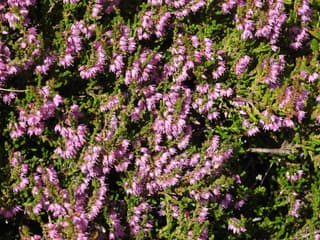
Common Heather
Calluna vulgaris
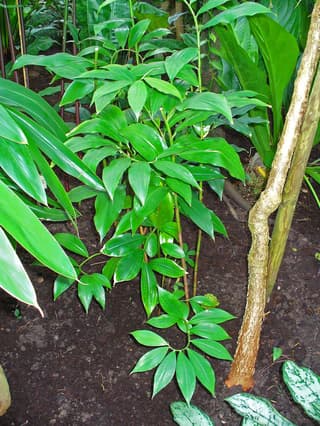
Crepe Ginger
Hellenia speciosa
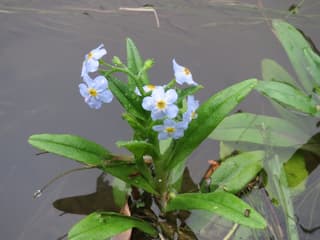
Water Forget-me-not
Myosotis scorpioides
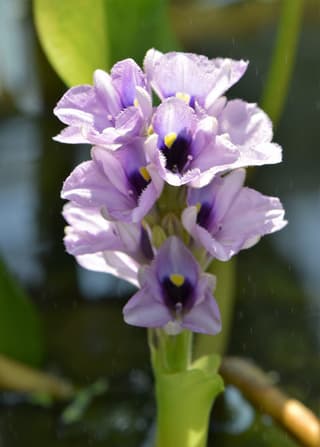
Anchored Water Hyacinth
Pontederia azurea
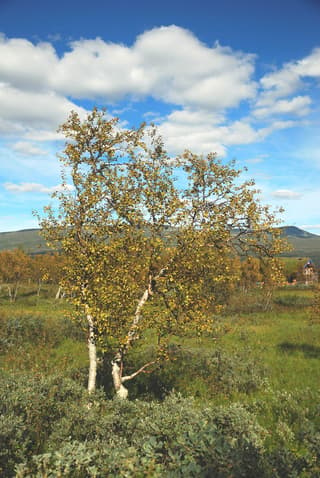
Downy Birch
Betula pubescens
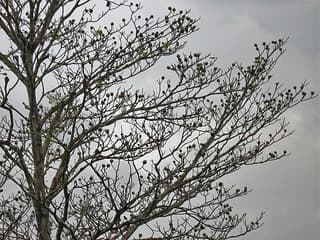
Genipap
Genipa americana
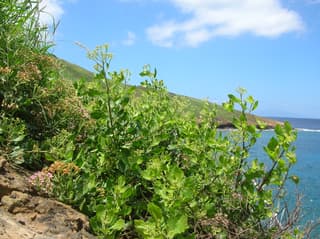
Camphor Weed
Pluchea
Mangrove
Rhizophora
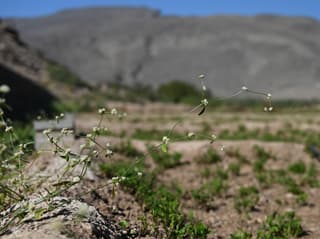
Calico Plant
Alternanthera bettzickiana
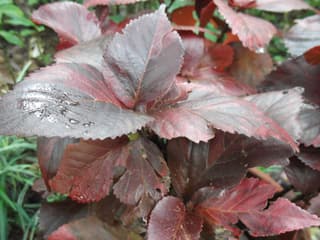
Jacob's Coat
Acalypha wilkesiana
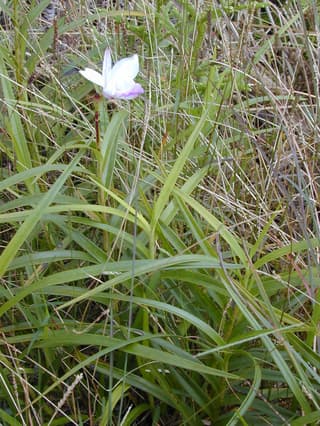
Bamboo Orchid
Arundina graminifolia
Ideal Pet Safe for Tuscaloosa County's Climate
Tuscaloosa County has an average temperature of 18.5°C and humidity of 73.2%, conditions that directly influence which pet safe best adapt to the local environment.
How to Grow Pet Safe in Tuscaloosa County
To successfully grow pet safe in Tuscaloosa County, consider that the average temperature of 18.5°C and humidity of 73.2% create a specific microclimate. High humidity favors tropical species, but requires attention to ventilation to prevent fungal issues.
Advantages of Choosing Adapted Pet Safe
Pet Safe adapted to Tuscaloosa County's climate show greater resistance, healthy growth, and less need for interventions.