500 Best Plants for Accomack County | 2026 Guide - Page 13
Discover the 500 ideal plants for Accomack County's climate. Average temp: 15.9°C, Humidity: 72.2%.
Top 500 Plants for Accomack County
Showing 433-468 of 500
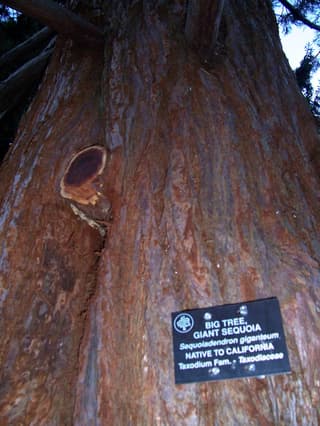
Giant Sequoia
Sequoiadendron giganteum
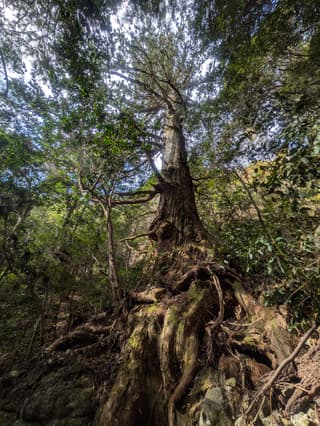
Japanese Cedar
Cryptomeria japonica
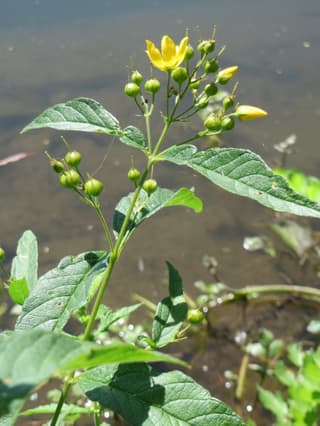
Loosestrife
Lysimachia
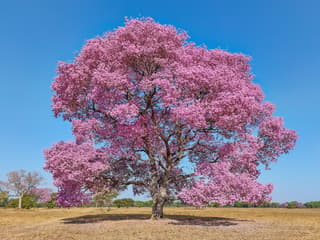
Trumpet Tree
Handroanthus
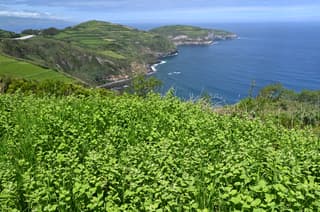
Pineapple Mint
Mentha suaveolens
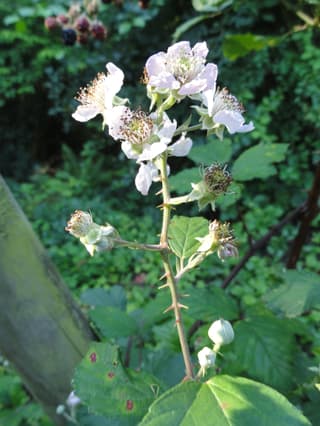
Himalayan Blackberry
Rubus bifrons
Cast Iron Plant
Aspidistra lurida
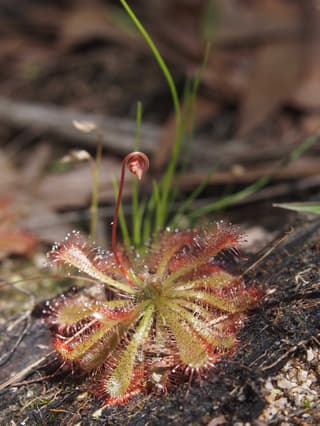
Spoon-leaved sundew
Drosera spatulata
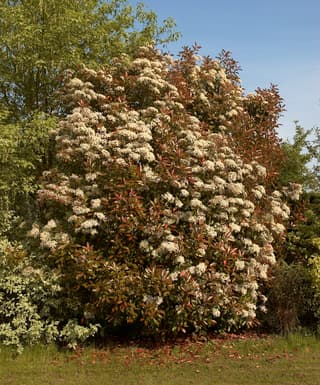
Red Tip Photinia
Photinia × fraseri
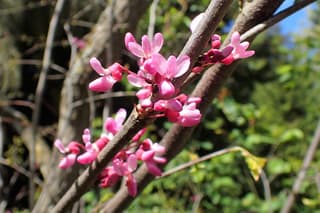
Chinese Redbud
Cercis chinensis
Small Stagshorn
Calocera cornea
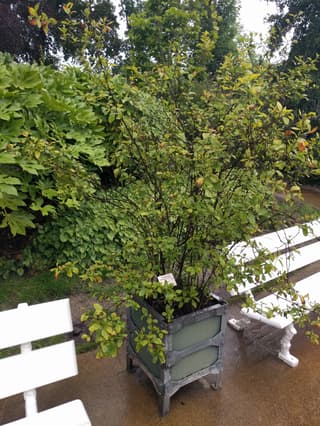
Cape Leadwort
Plumbago auriculata
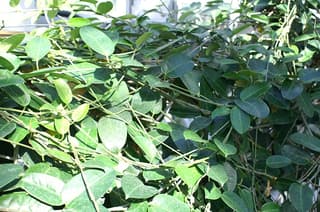
Madagascar Jasmine
Stephanotis floribunda
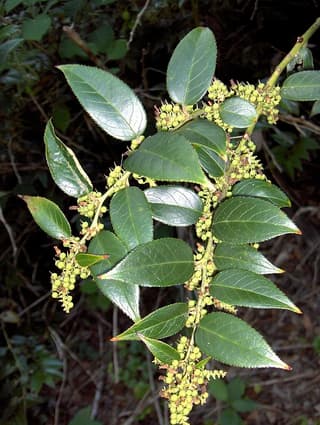
Fetterbush
Leucothoe fontanesiana
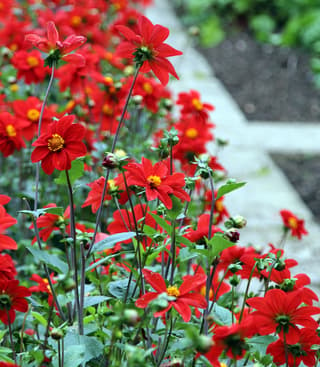
Dahlia
Dahlia
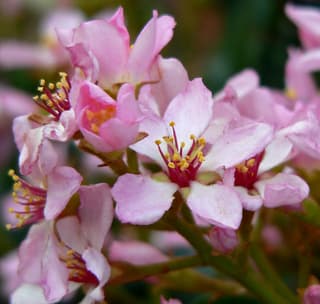
Indian Hawthorn
Rhaphiolepis

Cape Primrose
Streptocarpus
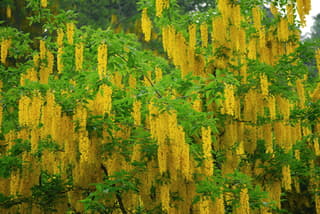
Scotch laburnum
Laburnum alpinum
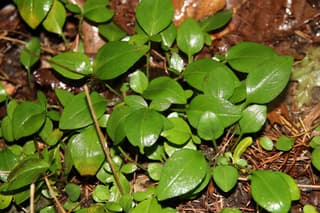
Shrubby St. John's Wort
Hypericum prolificum
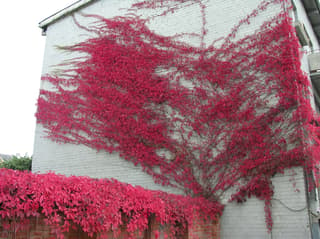
Woodbine
Parthenocissus
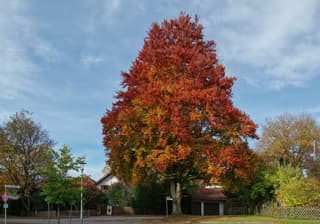
European Beech
Fagus sylvatica
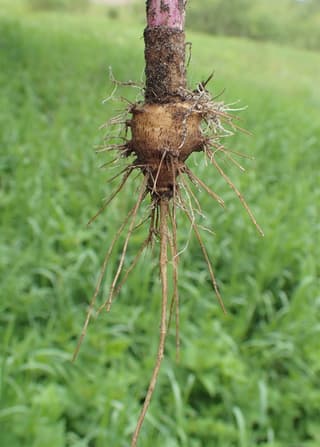
Bulbous Chervil
Chaerophyllum
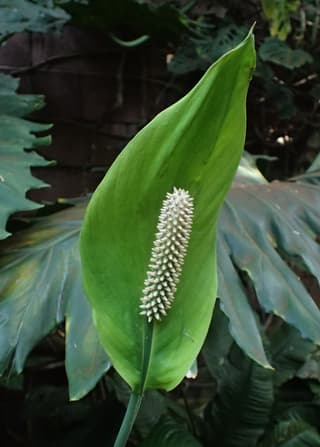
Peace Lily
Spathiphyllum blandum
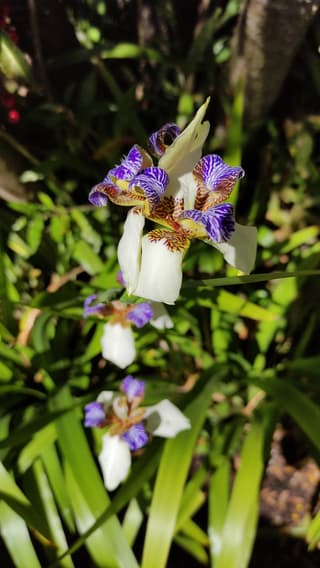
Yellow Walking Iris
Trimezia gracilis
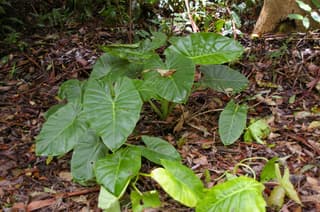
Cunjevoi
Alocasia brisbanensis
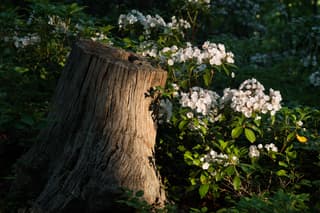
Mountain Laurel
Kalmia
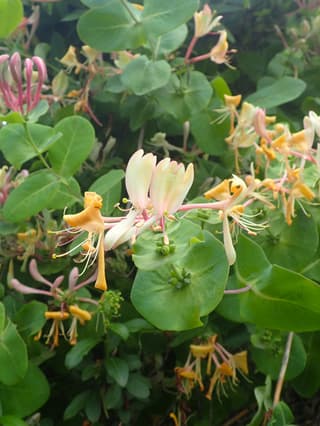
Italian Honeysuckle
Lonicera caprifolium
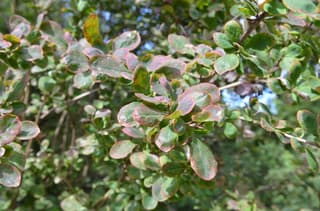
Ottawa Barberry
Berberis × ottawensis
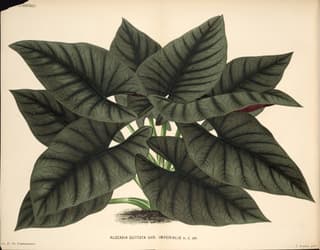
Alocasia Nebula
Alocasia nebula
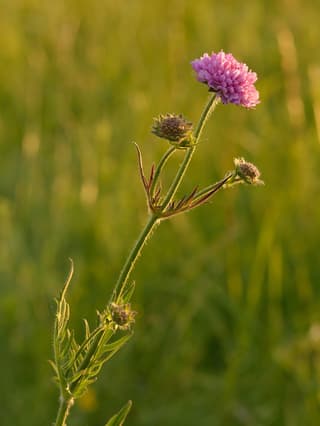
Field Scabious
Knautia arvensis
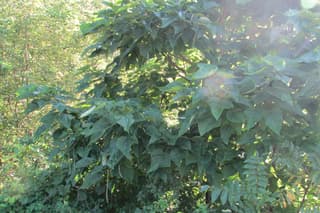
Northern Catalpa
Catalpa speciosa
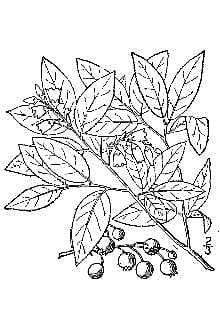
Hillside Blueberry
Vaccinium pallidum
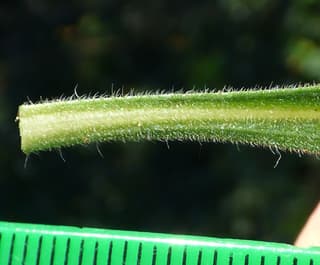
Guernsey Fleabane
Erigeron sumatrensis
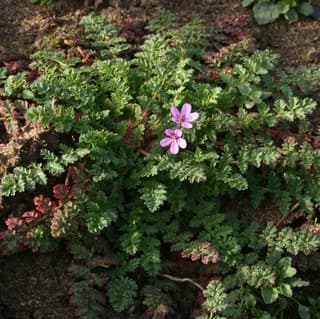
Redstem Filaree
Erodium cicutarium
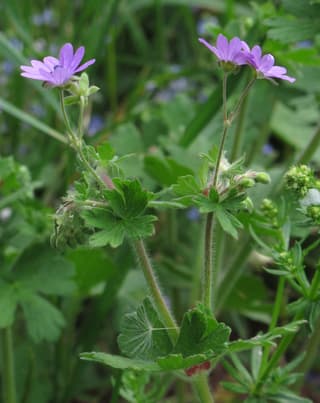
Hedgerow Cranesbill
Geranium pyrenaicum
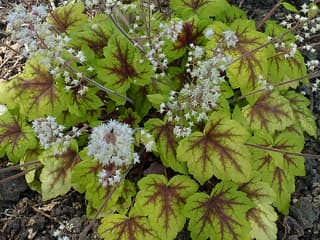
Foamy Bells
Heucherella
Accomack County Climate for Plant Growing
Accomack County has a climate with an average annual temperature of 15.9°C and average relative humidity of 72.2%. These climate conditions are ideal for various species of ornamental and fruit plants.
Tips for Growing Plants in Accomack County
To succeed in growing plants in Accomack County, consider the average temperature of 15.9°C when choosing your species. Protect cold-sensitive plants during winter. High humidity favors tropical plants, but watch for fungal issues.
Why Choose Plants Adapted to the Local Climate?
Plants adapted to Accomack County's climate require less care, consume less water, and are more likely to thrive. Our selection considers the compatibility between each species' needs and local climate conditions, including temperature (15.9°C) and humidity (72.2%).