500 Best Pet Safe for Agosta | 2026 Guide - Page 6
The 500 best pet safe to grow in Agosta. Ideal climate: 15.2°C, 72.7% humidity.
500 Pet Safe for Agosta
Showing 181-216 of 500
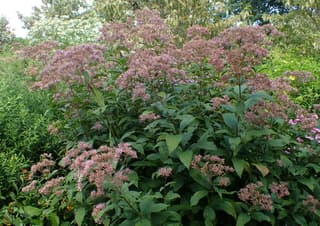
Spotted Joe-Pye Weed
Eutrochium maculatum
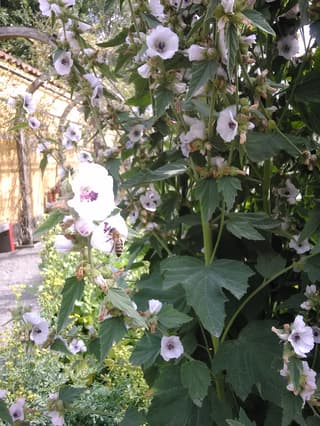
Marshmallow
Althaea officinalis
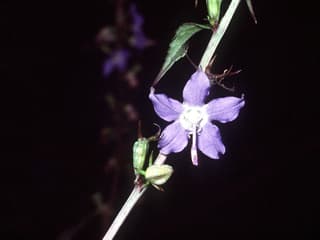
Tall Bellflower
Campanulastrum americanum
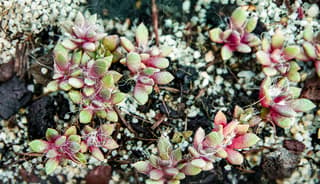
Sand rose
Anacampseros rufescens
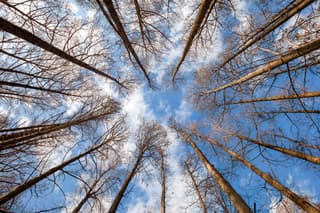
Dawn Redwood
Metasequoia glyptostroboides
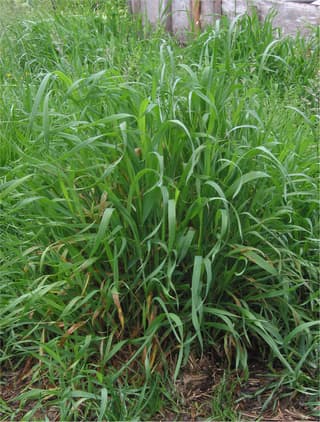
Quackgrass
Elymus repens
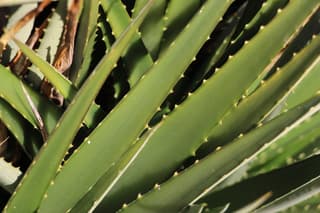
Sawblade Dyckia
Dyckia brevifolia
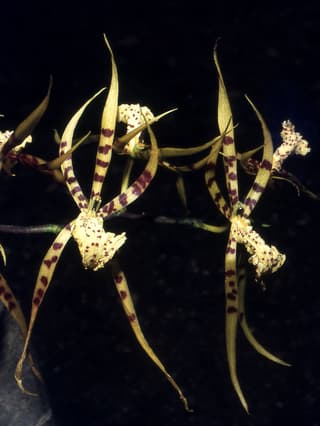
Spider Orchid
Brassia arachnoidea
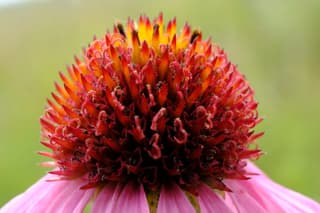
Narrow-leaf Coneflower
Echinacea angustifolia
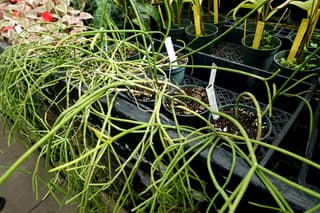
Mistletoe cactus
Rhipsalis baccifera
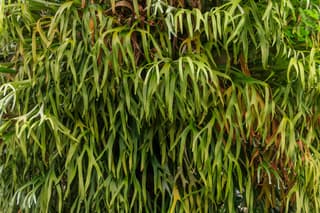
Staghorn Fern
Platycerium bifurcatum
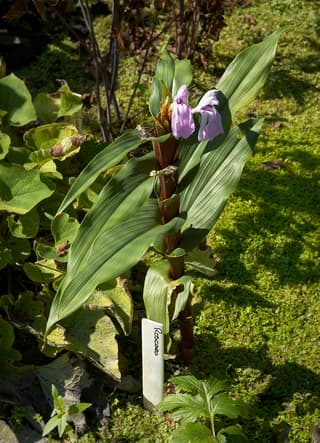
Purple Roscoea
Roscoea purpurea
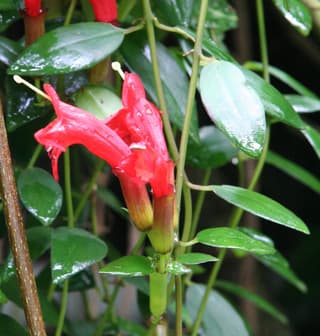
Lipstick Plant
Aeschynanthus radicans
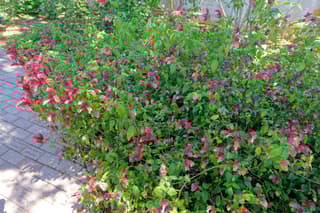
Shrimp Plant
Justicia brandegeeana
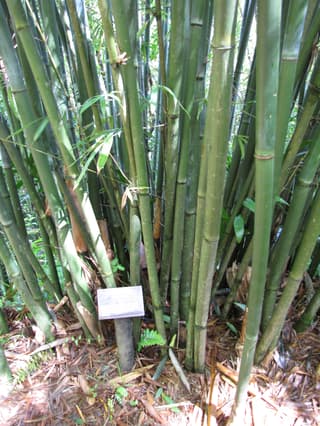
Slender Weavers Bamboo
Bambusa textilis gracili
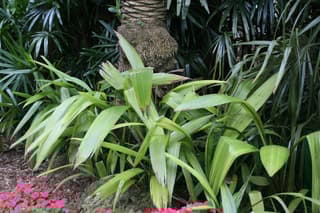
Palm Grass
Curculigo capitulata
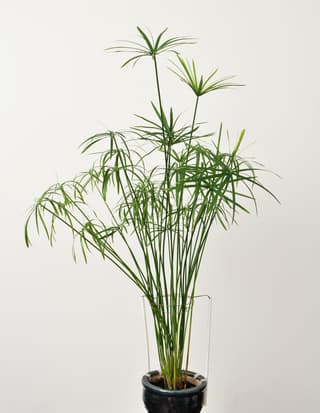
Umbrella Papyrus
Cyperus alternifolius
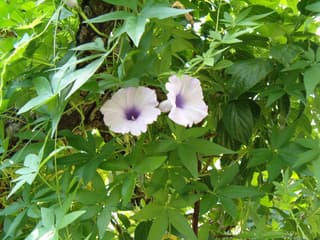
Mile-a-minute vine
Ipomoea cairica
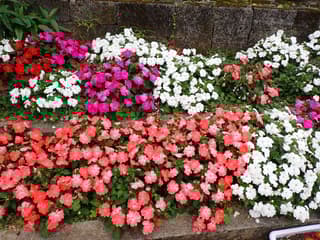
New Guinea Impatiens
Impatiens hawkeri
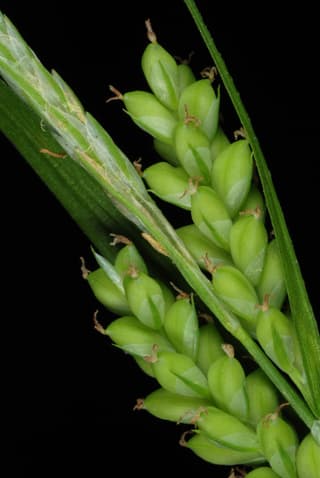
Eastern Woodland Sedge
Carex blanda
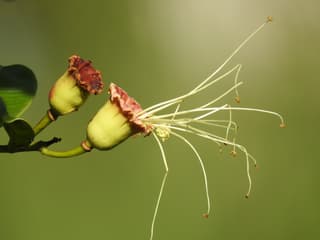
Thimble Tree
Lafoensia pacari
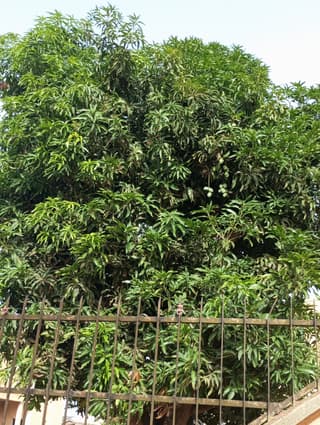
Mango Tree
Mangifera indica

Silver Birch
Betula pendula

Common Blanketflower
Gaillardia aristata
Common Fieldcap
Agrocybe pediades
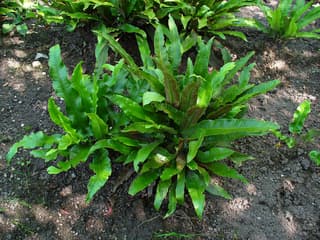
Hart's-tongue Fern
Asplenium scolopendrium
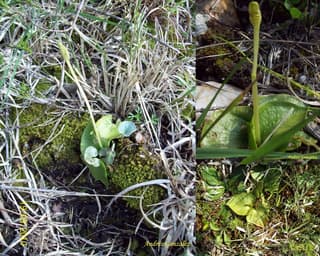
Bulbous Adder's-tongue
Ophioglossum crotalophoroides
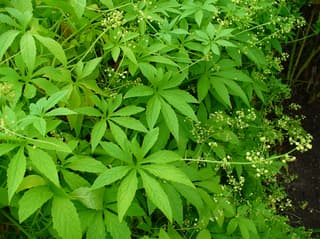
Caigua
Cyclanthera pedata
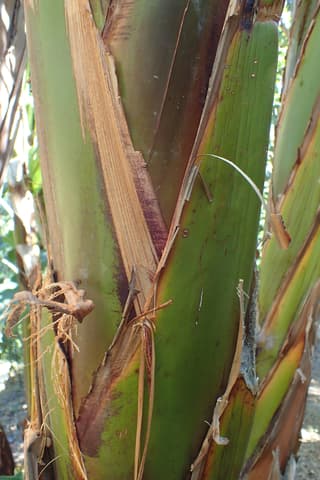
Banana
Musa × paradisiaca
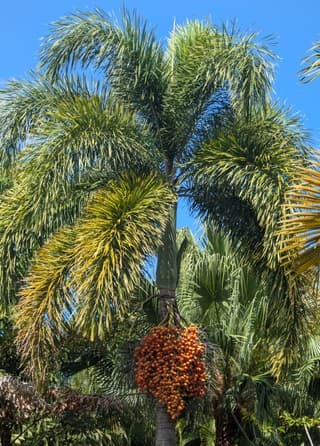
foxtail palm
Wodyetia
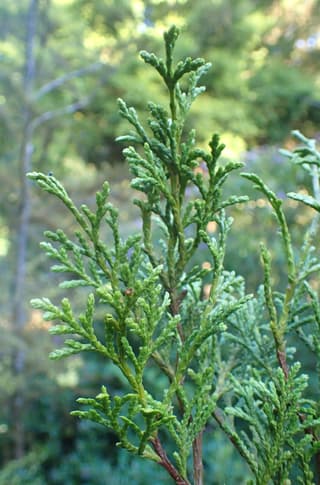
New Zealand Cedar
Libocedrus bidwillii
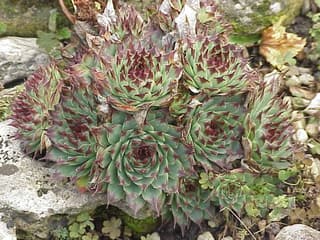
Limestone Houseleek
Sempervivum calcareum
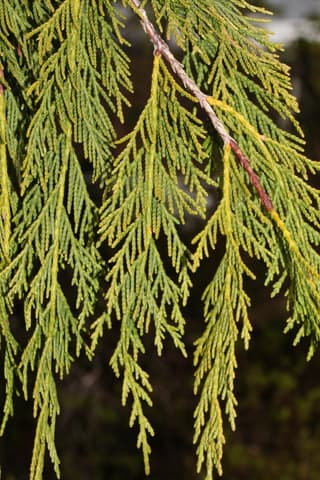
Nootka Cypress
Callitropsis nootkatensis
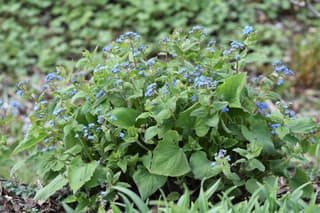
Siberian Bugloss
Brunnera macrophylla
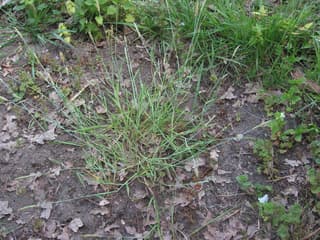
Water Foxtail
Alopecurus geniculatus
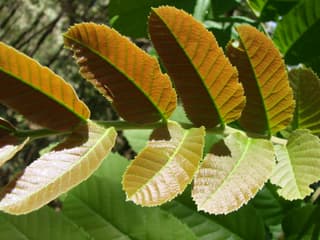
Camboata Tree
Cupania
Ideal Pet Safe for Agosta's Climate
Agosta has an average temperature of 15.2°C and humidity of 72.7%, conditions that directly influence which pet safe best adapt to the local environment.
How to Grow Pet Safe in Agosta
To successfully grow pet safe in Agosta, consider that the average temperature of 15.2°C and humidity of 72.7% create a specific microclimate. High humidity favors tropical species, but requires attention to ventilation to prevent fungal issues.
Advantages of Choosing Adapted Pet Safe
Pet Safe adapted to Agosta's climate show greater resistance, healthy growth, and less need for interventions.