500 Best Plants for Angri | 2026 Guide - Page 10
Discover the 500 ideal plants for Angri's climate. Average temp: 17.2°C, Humidity: 78.1%.
Top 500 Plants for Angri
Showing 325-360 of 500
Psilocybe angulospora
Psilocybe angulospora
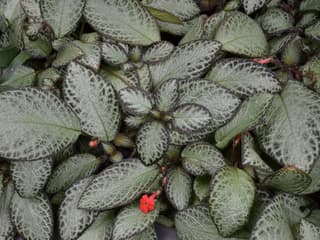
Flame Violet
Episcia reptans
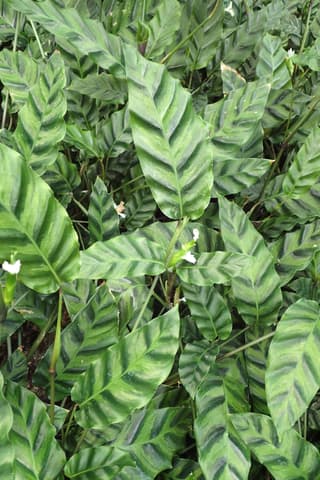
Thai Beauty Calathea
Goeppertia louisae
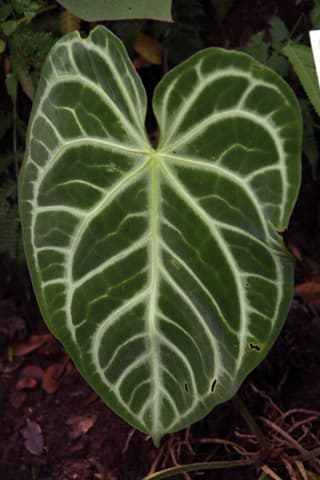
Crystal Anthurium
Anthurium crystallinum
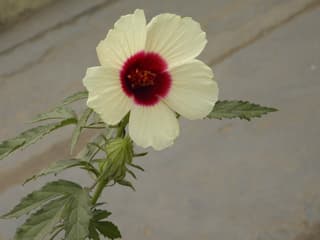
Kenaf
Hibiscus cannabinus
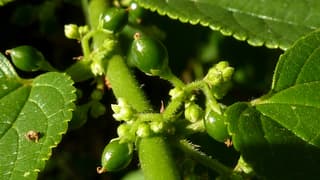
Jamaican Nettle Tree
Trema micrantha
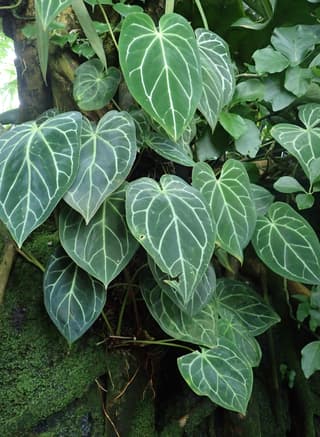
Magnificent Anthurium
Anthurium magnificum
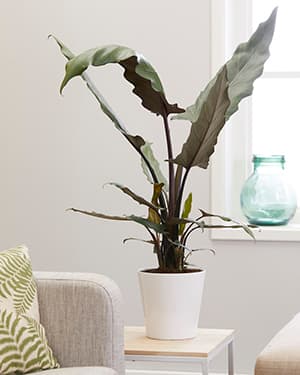
Purple Sword
Alocasia lauterbachiana
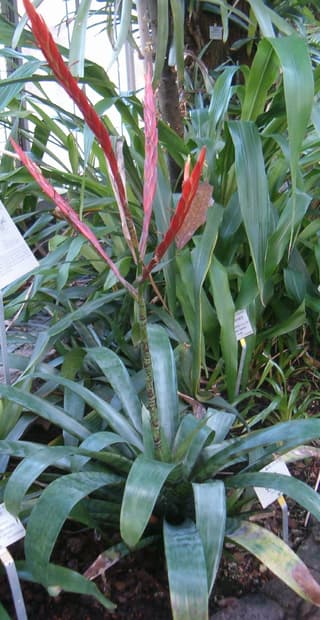
Flaming Sword Bromeliad
Lutheria
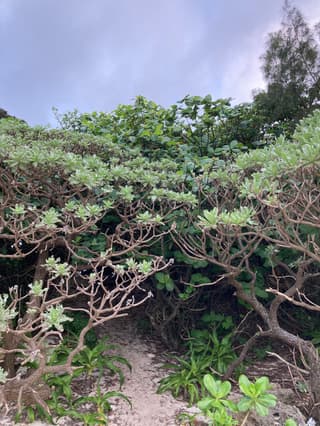
Velvetseed
Guettarda
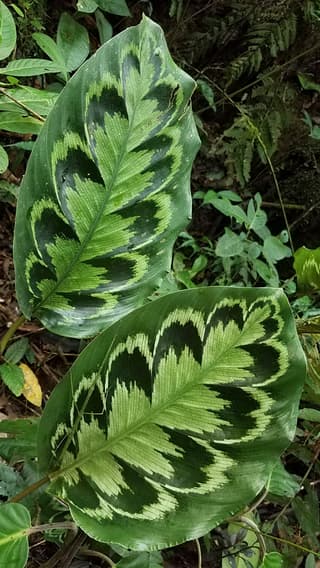
Medallion Calathea
Goeppertia veitchiana
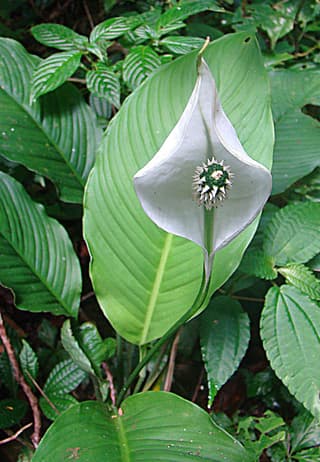
Peace Lily
Spathiphyllum wendlandii
Ethiopian Eggplant
Solanum aethiopicum
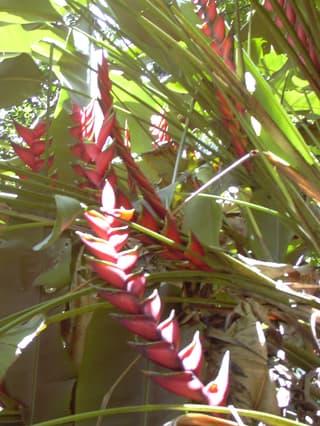
Lobster Claw
Heliconia bihai
Bonnet mushroom
Mycena galericulata
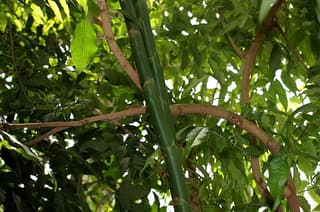
Arabian Spiral Ginger
Costus arabicus
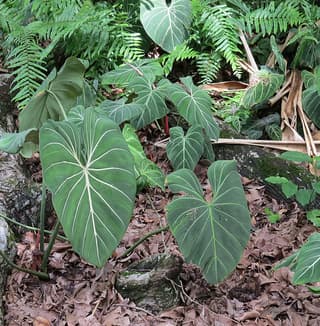
Philodendron Gloriosum
Philodendron gloriosum
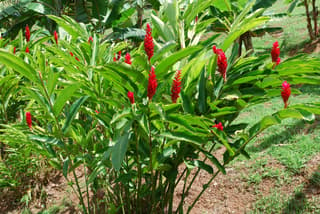
Red Ginger
Alpinia purpurata
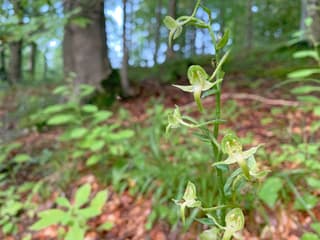
Greater Butterfly-orchid
Platanthera chlorantha
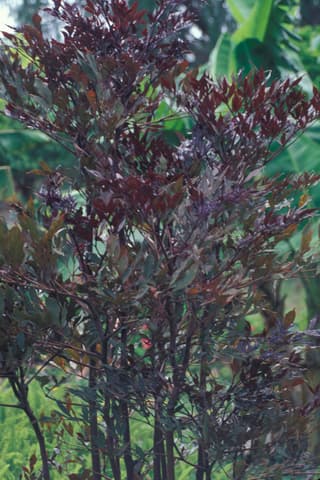
Red Leea
Leea guineensis
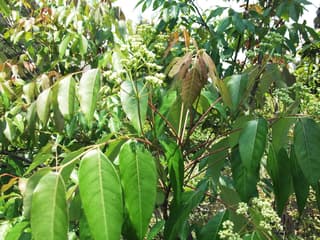
Catuaba
Trichilia
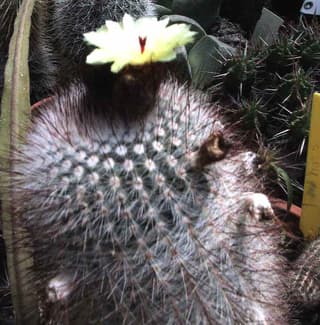
Silver Ball Cactus
Parodia scopa
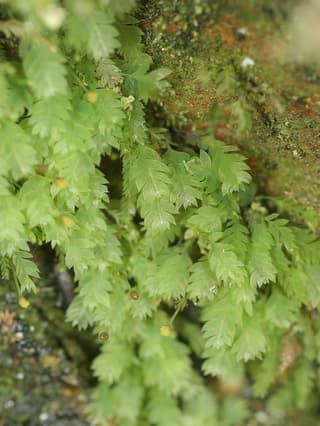
Luminous moss
Schistostega pennata
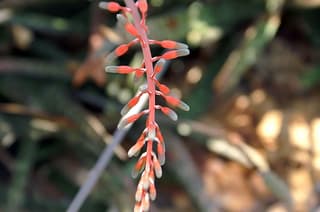
Ox tongue
Gasteria bicolor
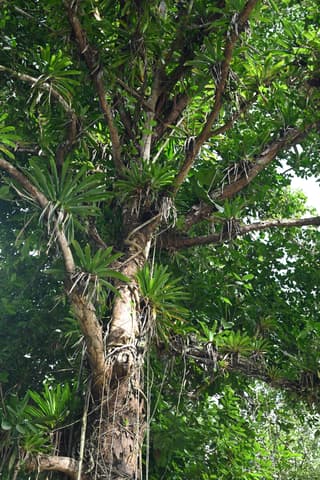
Guzmania
Guzmania
Kapok Tree
Ceiba pentandra
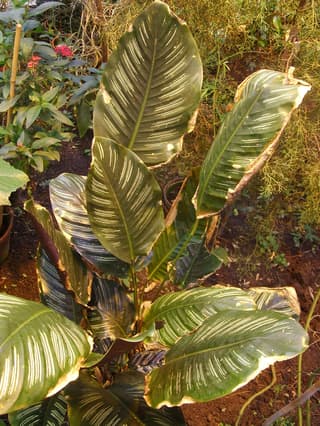
White Star Calathea
Goeppertia majestica
Panaeolus cinctulus
Panaeolus cinctulus
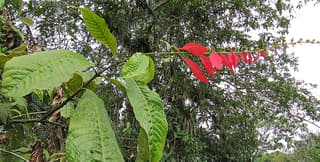
Chaconia
Warszewiczia
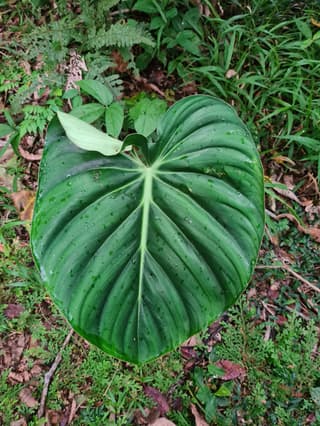
Philodendron Pastazanum
Philodendron pastazanum
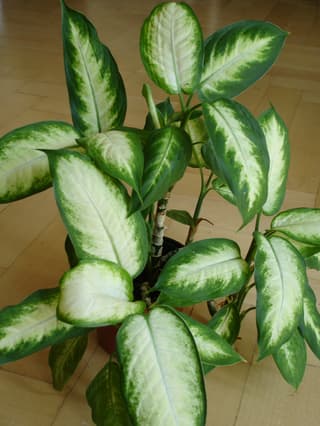
Bowmann Dumb Cane
Dieffenbachia bowmannii

Bougainvillea
Bougainvillea peruviana
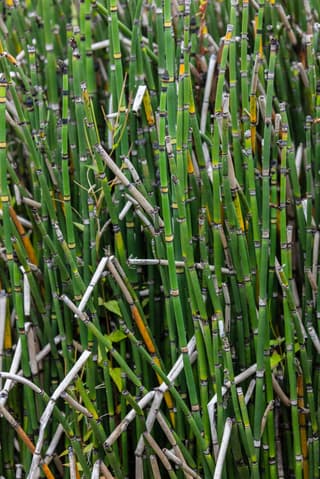
Rough Horsetail
Equisetum hyemale
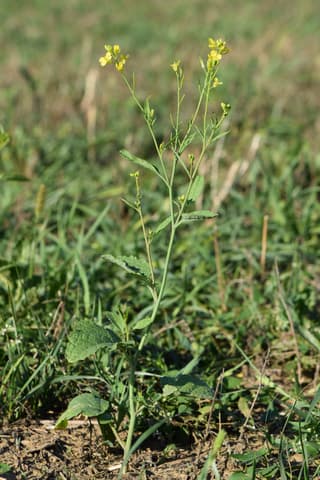
Brown Mustard
Brassica juncea
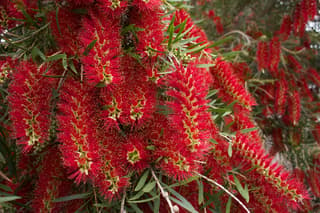
Weeping Bottlebrush
Melaleuca viminalis
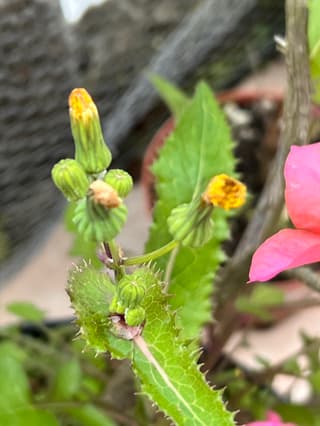
Sow Thistle
Sonchus
Angri Climate for Plant Growing
Angri has a climate with an average annual temperature of 17.2°C and average relative humidity of 78.1%. These climate conditions are ideal for various species of ornamental and fruit plants.
Tips for Growing Plants in Angri
To succeed in growing plants in Angri, consider the average temperature of 17.2°C when choosing your species. Protect cold-sensitive plants during winter. High humidity favors tropical plants, but watch for fungal issues.
Why Choose Plants Adapted to the Local Climate?
Plants adapted to Angri's climate require less care, consume less water, and are more likely to thrive. Our selection considers the compatibility between each species' needs and local climate conditions, including temperature (17.2°C) and humidity (78.1%).