500 Best Plants for Bátonyterenye | 2026 Guide - Page 12
Discover the 500 ideal plants for Bátonyterenye's climate. Average temp: 12°C, Humidity: 75.8%.
Top 500 Plants for Bátonyterenye
Showing 397-432 of 500
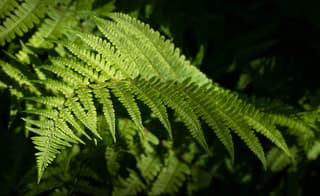
Lady Fern
Athyrium filix-femina
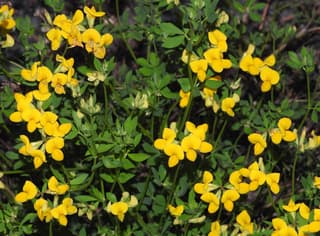
Bird's-Foot Trefoil
Lotus
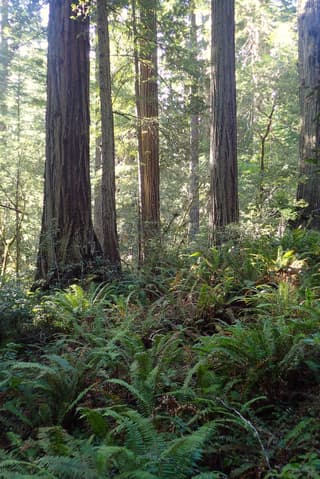
Holly Fern
Polystichum
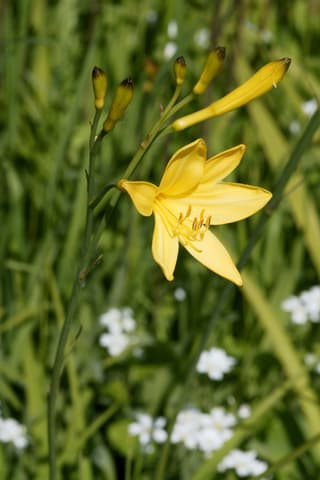
Orange daylily
Hemerocallis fulva
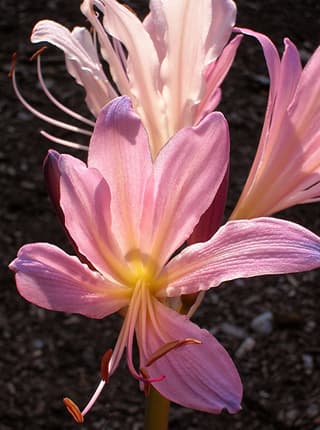
Resurrection lily
Lycoris squamigera
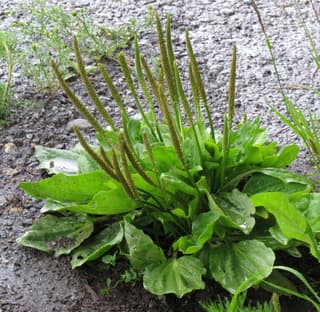
Broadleaf Plantain
Plantago major
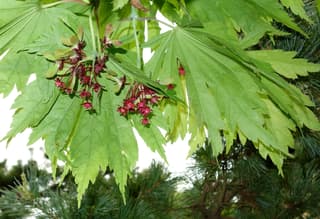
Fullmoon Maple
Acer japonicum
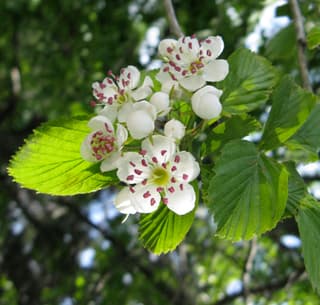
Dotted Hawthorn
Crataegus punctata
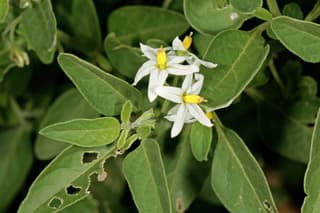
Tall nightshade
Solanum chenopodioides
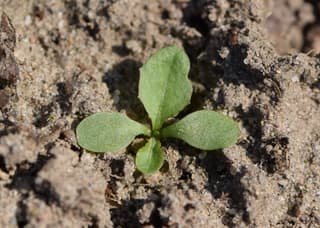
Autumn Hawkbit
Scorzoneroides autumnalis
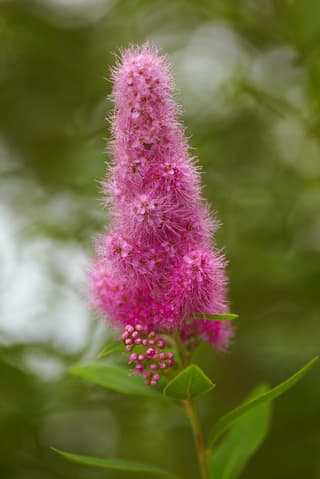
Billard Spiraea
Spiraea billardii
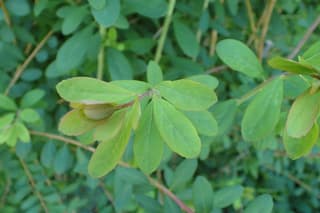
Japanese Spiraea
Spiraea japonica
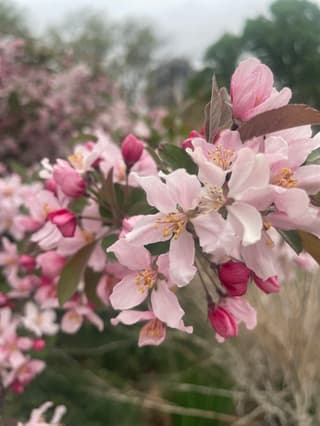
Japanese Flowering Crabapple
Malus × floribunda
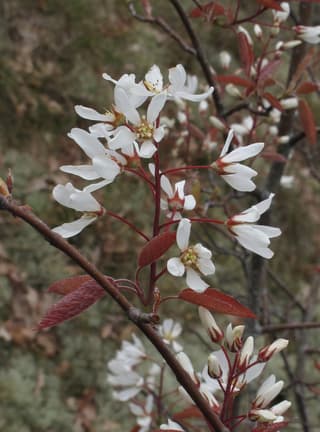
Serviceberry
Amelanchier
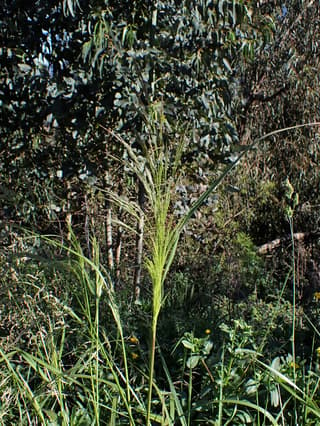
Johnson grass
Sorghum halepense
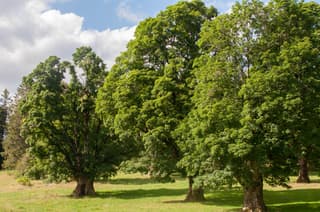
Sycamore Maple
Acer pseudoplatanus
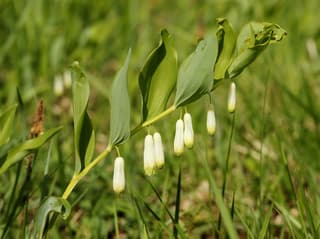
Fragrant Solomon's Seal
Polygonatum odoratum
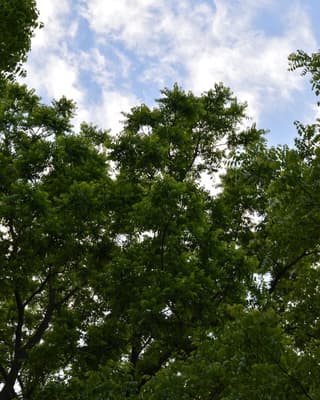
Eastern Black Walnut
Juglans nigra
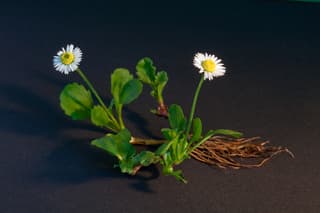
English Daisy
Bellis perennis
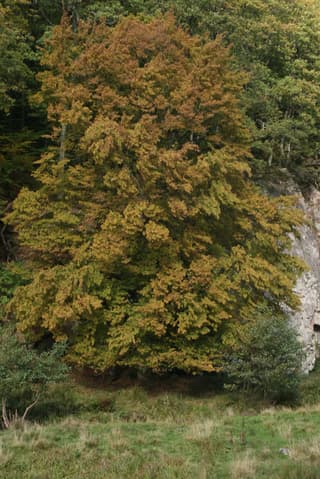
European Hornbeam
Carpinus betulus
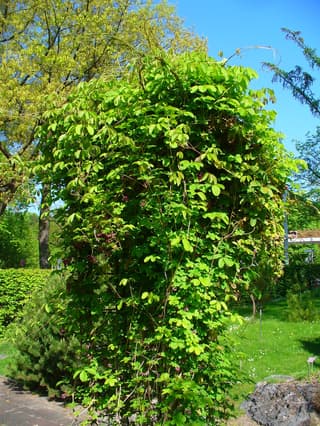
Chocolate Vine
Akebia quinata
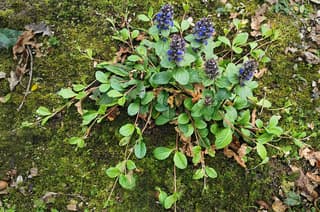
Bugleweed
Ajuga
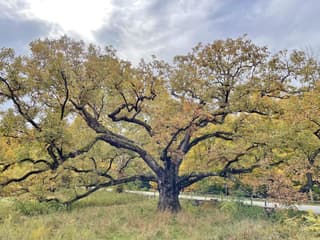
White Oak
Quercus alba
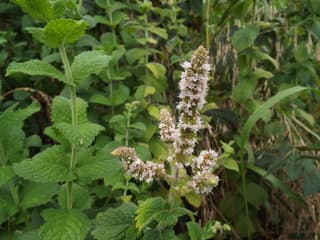
Apple Mint
Mentha × rotundifolia
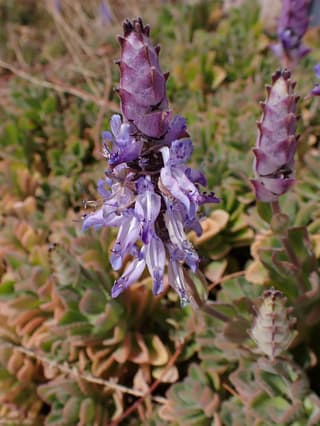
Scaredy Cat Plant
Coleus caninus
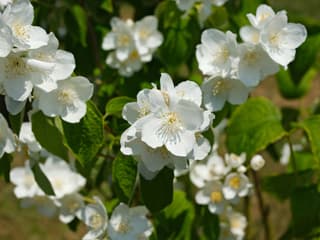
Scentless Mock Orange
Philadelphus inodorus
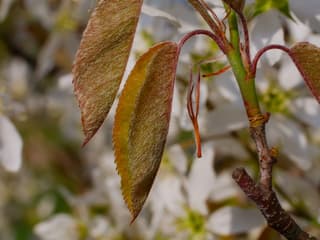
Juneberry
Amelanchier × lamarckii
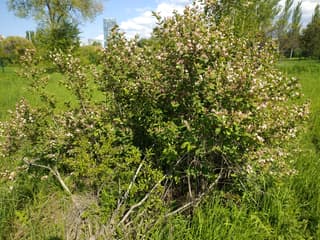
Tatarian Honeysuckle
Lonicera tatarica
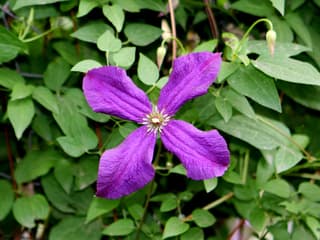
Clematis
Clematis
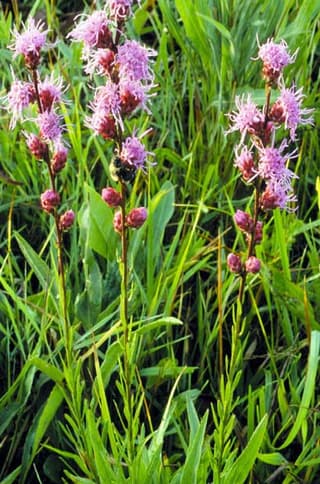
Rough Blazing Star
Liatris aspera
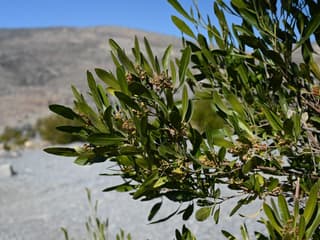
Hop bush
Dodonaea viscosa

Red Bartsia
Odontites vernus
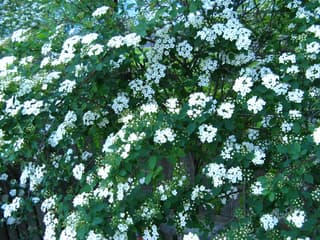
Vanhoutte Spirea
Spiraea × vanhouttei
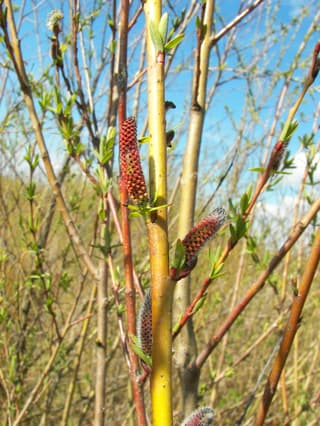
Purple Willow
Salix purpurea
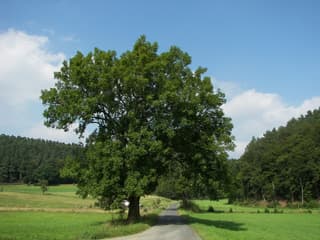
European Ash
Fraxinus excelsior
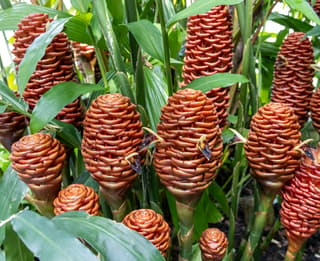
Ginger
Zingiber
Bátonyterenye Climate for Plant Growing
Bátonyterenye has a climate with an average annual temperature of 12°C and average relative humidity of 75.8%. These climate conditions are ideal for various species of ornamental and fruit plants.
Tips for Growing Plants in Bátonyterenye
To succeed in growing plants in Bátonyterenye, consider the average temperature of 12°C when choosing your species. Protect cold-sensitive plants during winter. High humidity favors tropical plants, but watch for fungal issues.
Why Choose Plants Adapted to the Local Climate?
Plants adapted to Bátonyterenye's climate require less care, consume less water, and are more likely to thrive. Our selection considers the compatibility between each species' needs and local climate conditions, including temperature (12°C) and humidity (75.8%).