500 Best Pet Safe for Białystok | 2026 Guide - Page 7
The 500 best pet safe to grow in Białystok. Ideal climate: 9.7°C, 74.9% humidity.
500 Pet Safe for Białystok
Showing 217-252 of 500
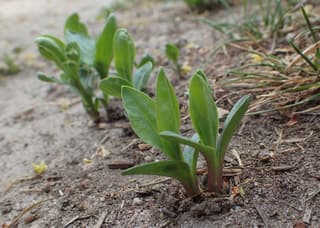
Soapwort
Saponaria officinalis
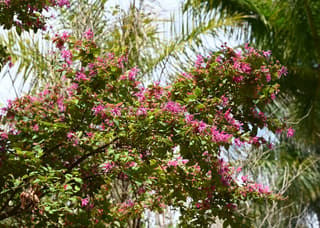
Chinese Fringe Flower
Loropetalum chinense
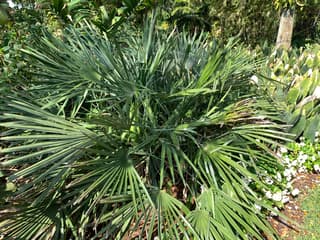
Needle Palm
Rhapidophyllum hystrix
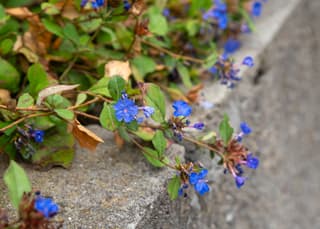
Hardy Plumbago
Ceratostigma plumbaginoides
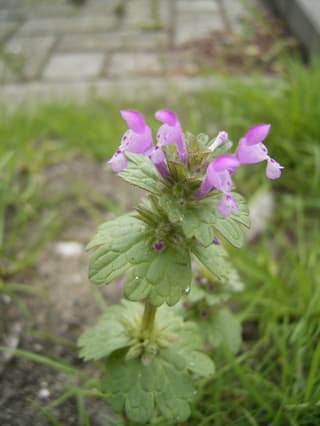
Henbit Dead-nettle
Lamium amplexicaule
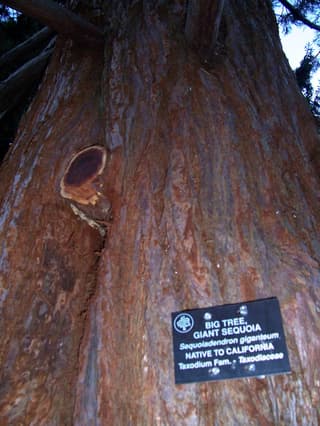
Giant Sequoia
Sequoiadendron giganteum
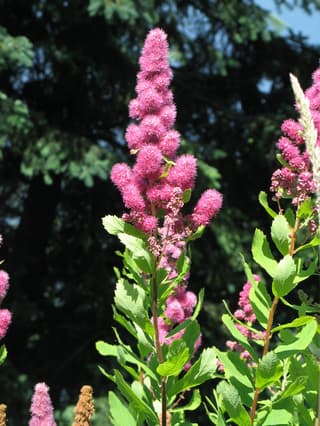
Douglas Spirea
Spiraea douglasii
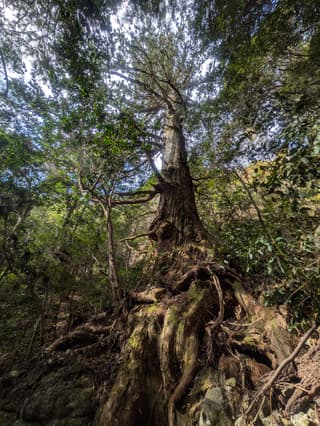
Japanese Cedar
Cryptomeria japonica
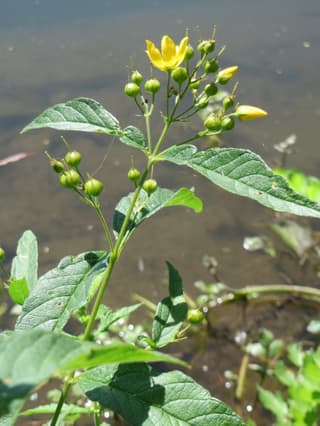
Loosestrife
Lysimachia
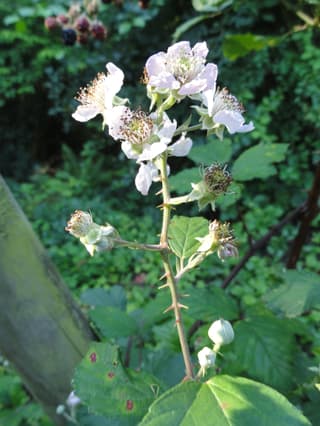
Himalayan Blackberry
Rubus bifrons
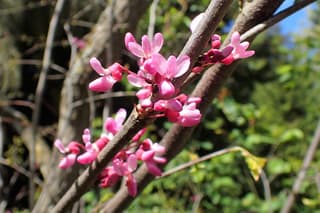
Chinese Redbud
Cercis chinensis
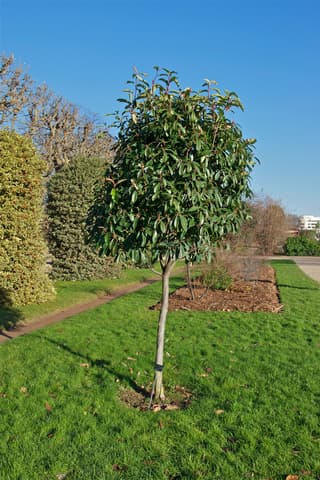
Chinese Photinia
Photinia serratifolia
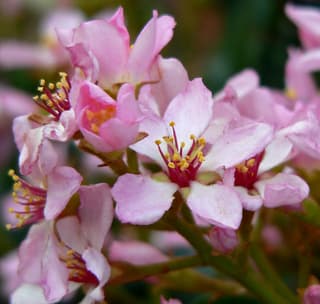
Indian Hawthorn
Rhaphiolepis
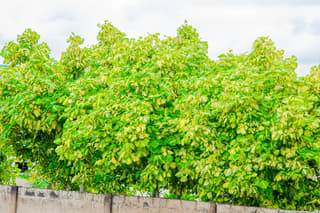
Southern Catalpa
Catalpa bignonioides
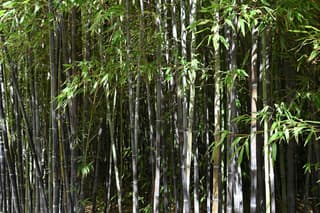
Black bamboo
Phyllostachys nigra
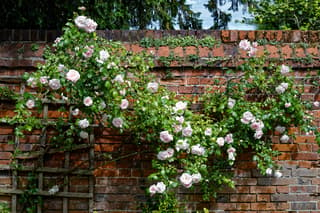
Nice Day Rose
Rosa 'CHEWNICEBELL'
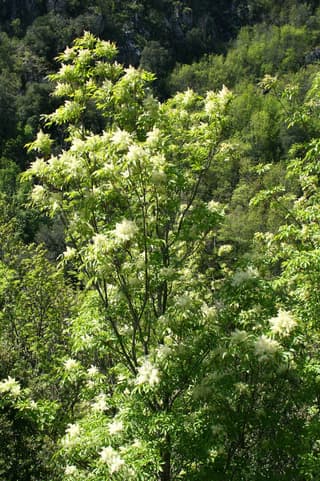
Manna Ash
Fraxinus ornus
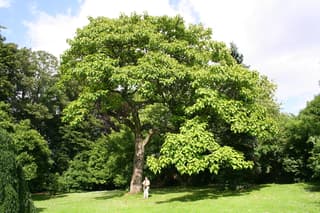
Empress Tree / Princess Tree (genus)
Paulownia
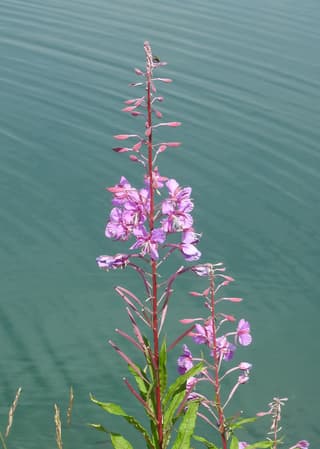
Willowherb / Fireweed (genus)
Epilobium
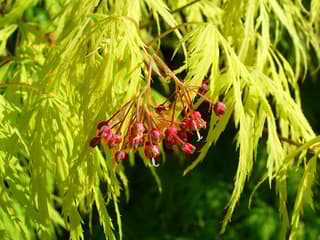
Japanese Maple
Acer palmatum
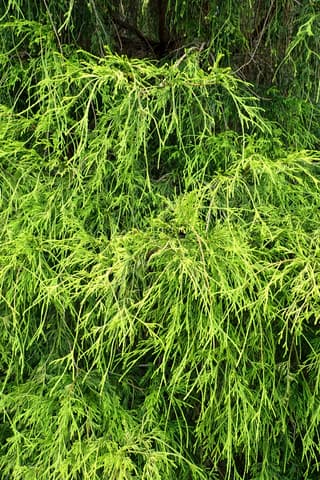
Golden Thread Cypress
Chamaecyparis pisifera filifera aurea
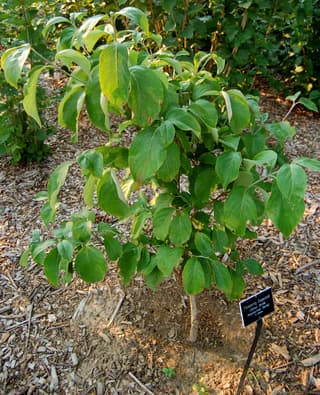
Flowering Dogwood
Cornus florida
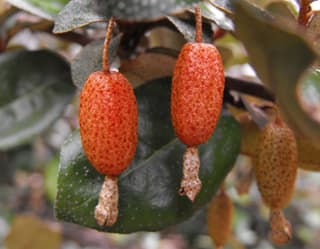
Thorny Olive
Elaeagnus pungens
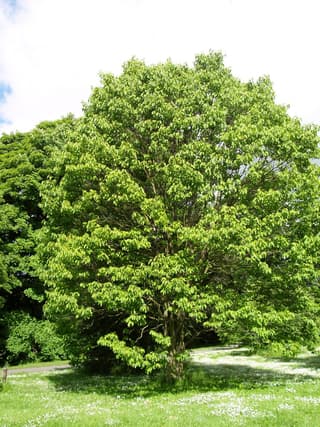
Japanese Raisin Tree
Hovenia dulcis
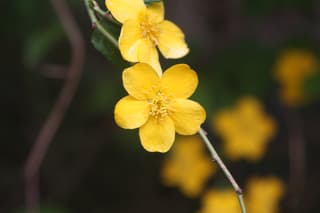
Japanese Kerria
Kerria japonica
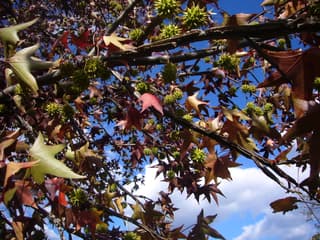
Sweetgum
Liquidambar styraciflua
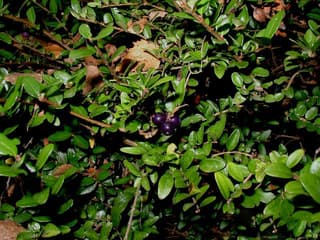
Boxleaf Honeysuckle
Lonicera nitida

Common Blanketflower
Gaillardia aristata
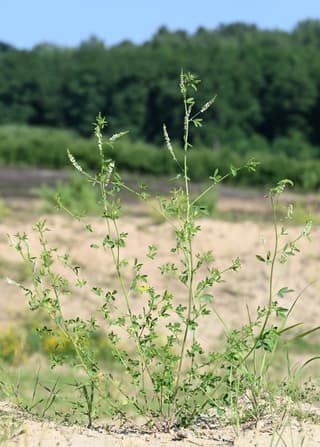
White sweet clover
Melilotus albus
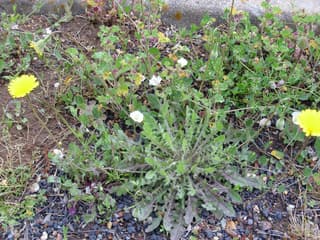
Rough Hawkbit
Leontodon hispidus
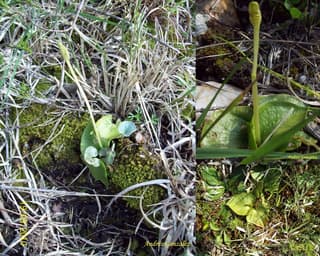
Bulbous Adder's-tongue
Ophioglossum crotalophoroides
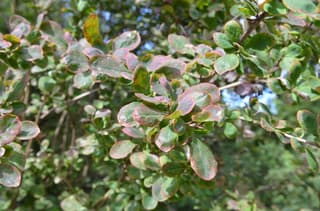
Ottawa Barberry
Berberis × ottawensis
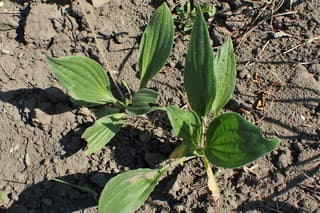
Asian Plantain
Plantago asiatica
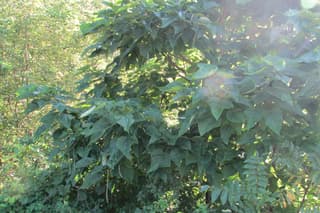
Northern Catalpa
Catalpa speciosa
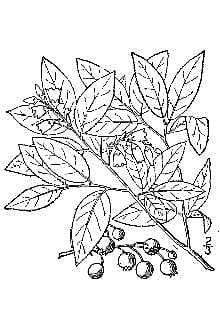
Hillside Blueberry
Vaccinium pallidum
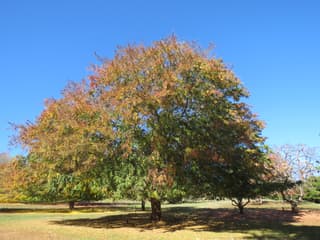
Chinese Elm
Ulmus parvifolia
Ideal Pet Safe for Białystok's Climate
Białystok has an average temperature of 9.7°C and humidity of 74.9%, conditions that directly influence which pet safe best adapt to the local environment.
How to Grow Pet Safe in Białystok
To successfully grow pet safe in Białystok, consider that the average temperature of 9.7°C and humidity of 74.9% create a specific microclimate. High humidity favors tropical species, but requires attention to ventilation to prevent fungal issues.
Advantages of Choosing Adapted Pet Safe
Pet Safe adapted to Białystok's climate show greater resistance, healthy growth, and less need for interventions.