500 Best Pet Safe for Bornholms Regionskommune | 2026 Guide - Page 10
The 500 best pet safe to grow in Bornholms Regionskommune. Ideal climate: 9.6°C, 79.7% humidity.
500 Pet Safe for Bornholms Regionskommune
Showing 325-360 of 500
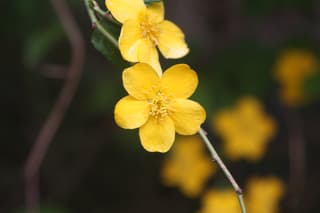
Japanese Kerria
Kerria japonica
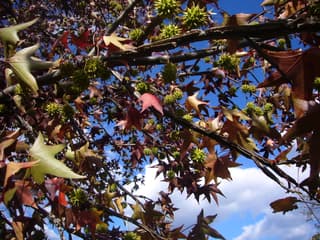
Sweetgum
Liquidambar styraciflua
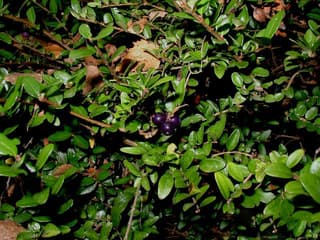
Boxleaf Honeysuckle
Lonicera nitida
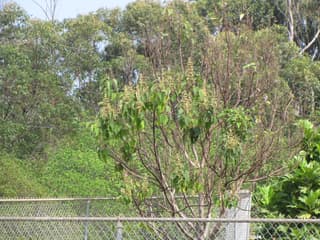
Empress Tree
Paulownia tomentosa
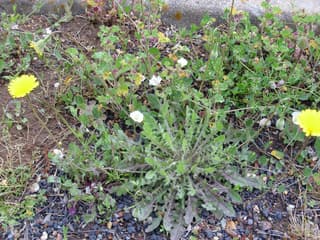
Rough Hawkbit
Leontodon hispidus
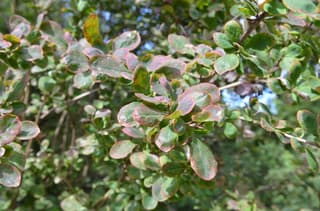
Ottawa Barberry
Berberis × ottawensis
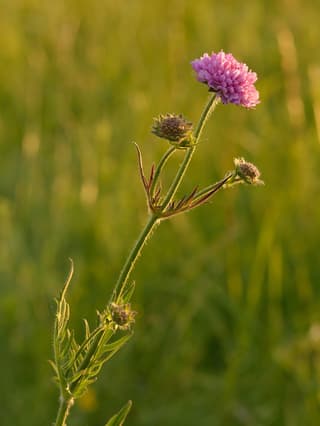
Field Scabious
Knautia arvensis
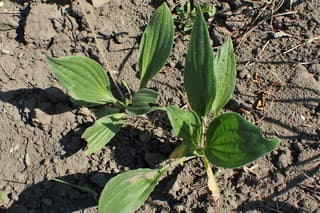
Asian Plantain
Plantago asiatica
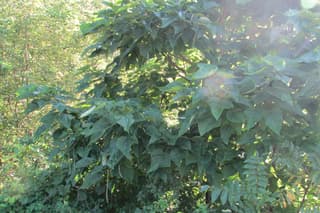
Northern Catalpa
Catalpa speciosa
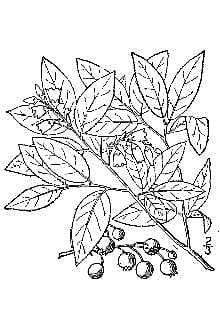
Hillside Blueberry
Vaccinium pallidum
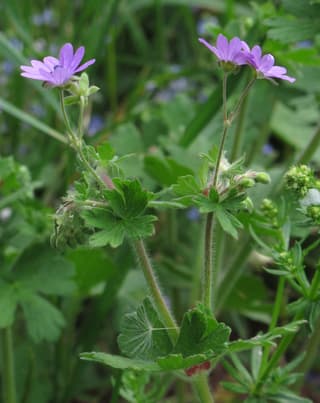
Hedgerow Cranesbill
Geranium pyrenaicum
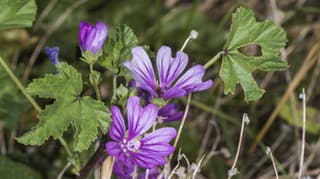
High mallow
Malva sylvestris
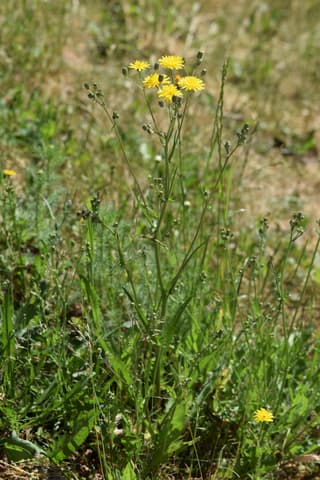
smooth hawksbeard
Crepis capillaris
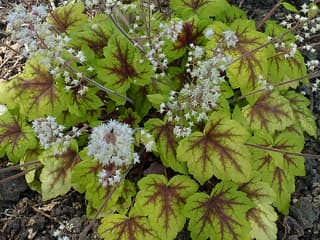
Foamy Bells
Heucherella
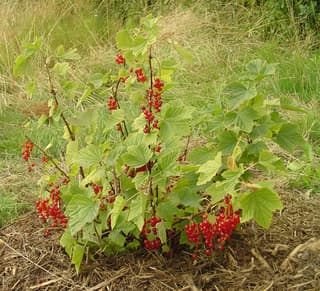
Redcurrant
Ribes rubrum
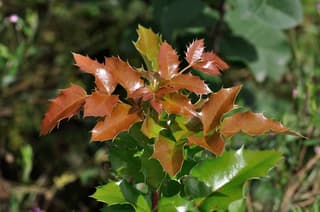
Oregon Grape
Berberis aquifolium
Carolina rose
Rosa carolina
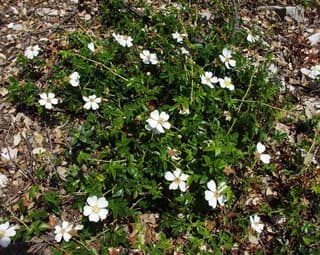
Evergreen Rose
Rosa sempervirens
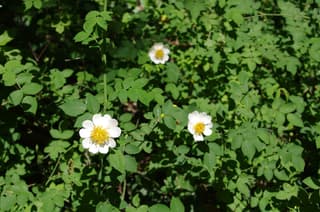
Field Rose
Rosa arvensis
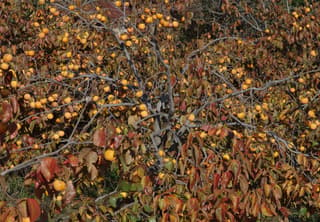
Japanese Persimmon
Diospyros kaki
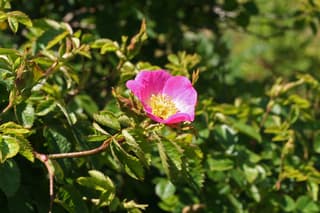
Sweet Briar
Rosa rubiginosa
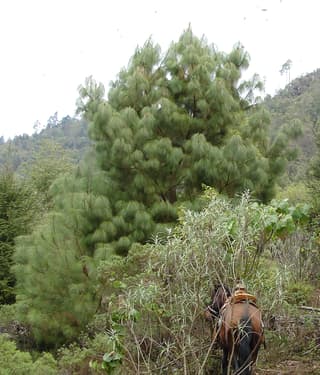
Smooth-bark Mexican Pine
Pinus pseudostrobus
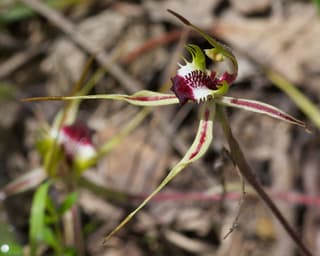
Small Spider-orchid
Caladenia parva
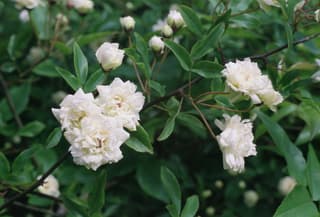
Lady Banks' Rose
Rosa banksiae
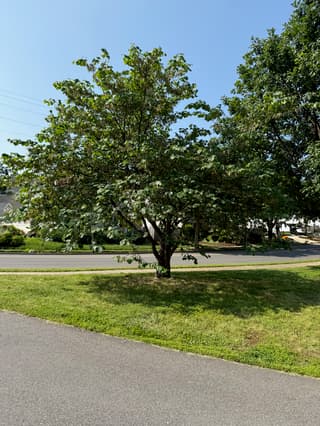
Eastern Redbud
Cercis canadensis
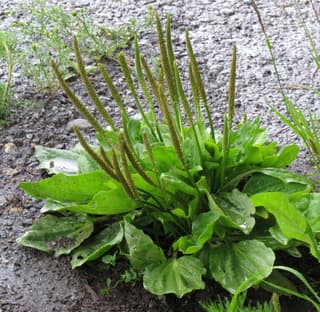
Broadleaf Plantain
Plantago major
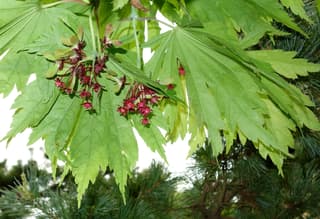
Fullmoon Maple
Acer japonicum
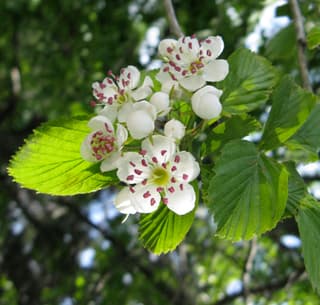
Dotted Hawthorn
Crataegus punctata
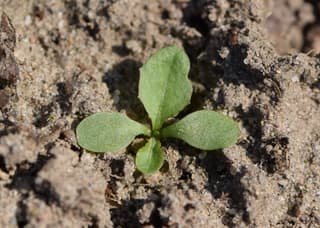
Autumn Hawkbit
Scorzoneroides autumnalis
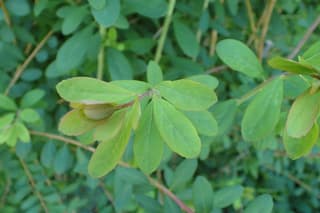
Japanese Spiraea
Spiraea japonica
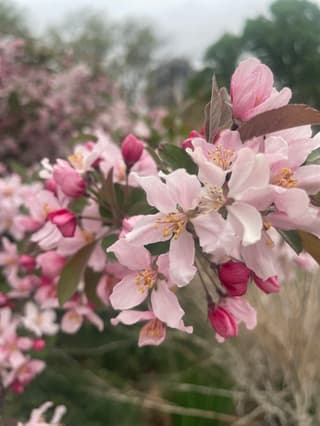
Japanese Flowering Crabapple
Malus × floribunda
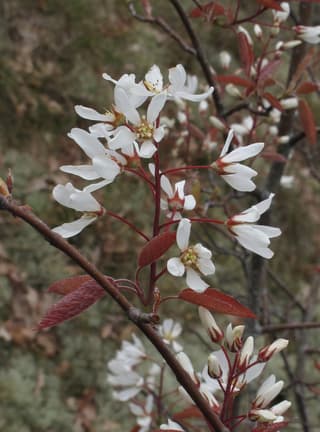
Serviceberry
Amelanchier
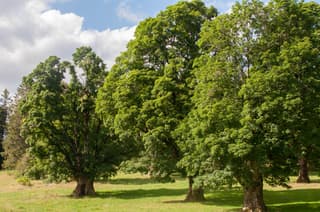
Sycamore Maple
Acer pseudoplatanus
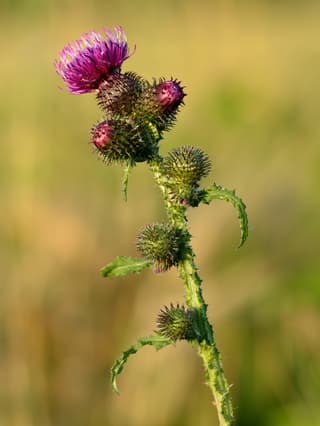
Thistle
Carduus
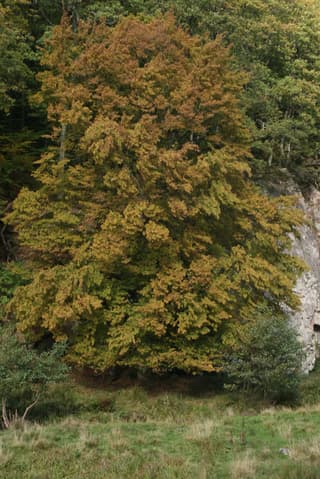
European Hornbeam
Carpinus betulus
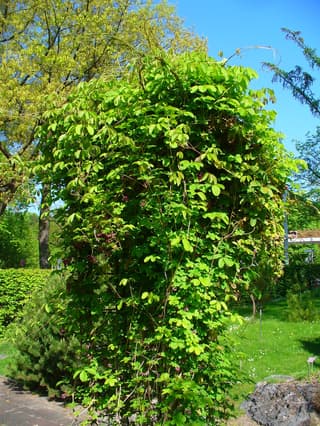
Chocolate Vine
Akebia quinata
Ideal Pet Safe for Bornholms Regionskommune's Climate
Bornholms Regionskommune has an average temperature of 9.6°C and humidity of 79.7%, conditions that directly influence which pet safe best adapt to the local environment.
How to Grow Pet Safe in Bornholms Regionskommune
To successfully grow pet safe in Bornholms Regionskommune, consider that the average temperature of 9.6°C and humidity of 79.7% create a specific microclimate. High humidity favors tropical species, but requires attention to ventilation to prevent fungal issues.
Advantages of Choosing Adapted Pet Safe
Pet Safe adapted to Bornholms Regionskommune's climate show greater resistance, healthy growth, and less need for interventions.