500 Best Plants for Carini | 2026 Guide - Page 8
Discover the 500 ideal plants for Carini's climate. Average temp: 18°C, Humidity: 70.8%.
Top 500 Plants for Carini
Showing 253-288 of 500
Lattice Stinkhorn
Clathrus crispatus
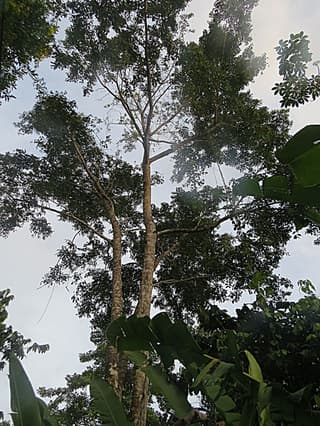
Yellow Mombin
Spondias mombin
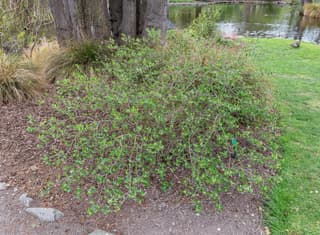
Black chokeberry
Aronia melanocarpa
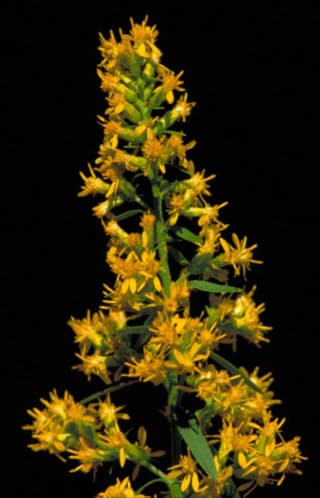
Goldenrod
Solidago
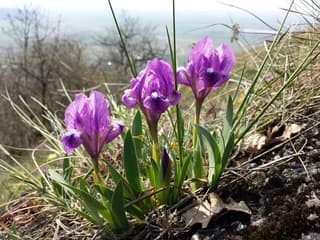
Dwarf Bearded Iris
Iris pumila
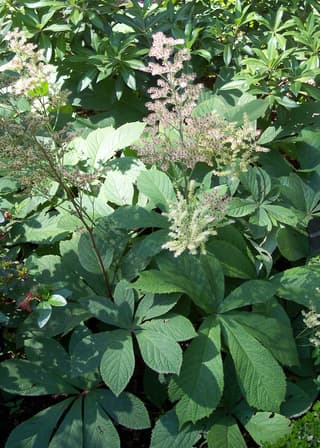
Chestnut-leaf Rodgersia
Rodgersia aesculifolia

Elephant Foot Plant
Stephania
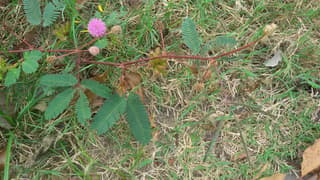
Sensitive Plant
Mimosa pudica
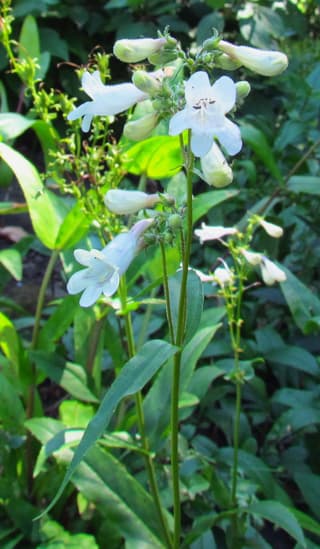
Foxglove Beardtongue
Penstemon digitalis
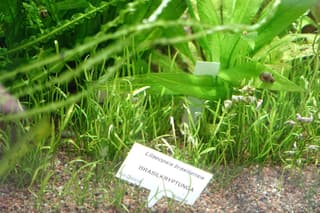
Micro Sword
Lilaeopsis brasiliensis
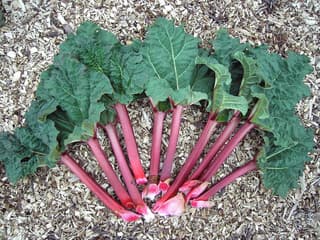
Garden Rhubarb
Rheum x hybridum
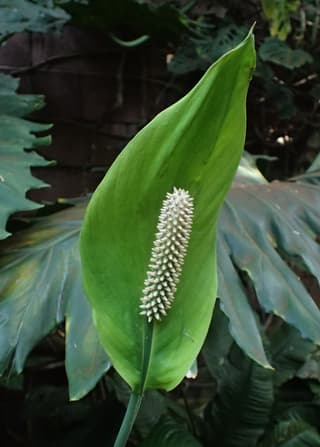
Peace Lily
Spathiphyllum blandum
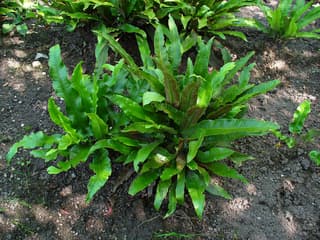
Hart's-tongue Fern
Asplenium scolopendrium
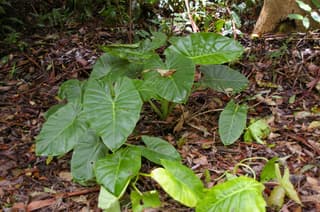
Cunjevoi
Alocasia brisbanensis
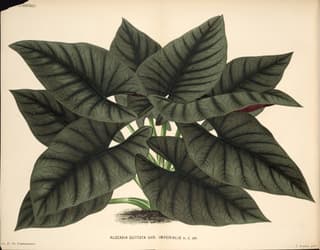
Alocasia Nebula
Alocasia nebula
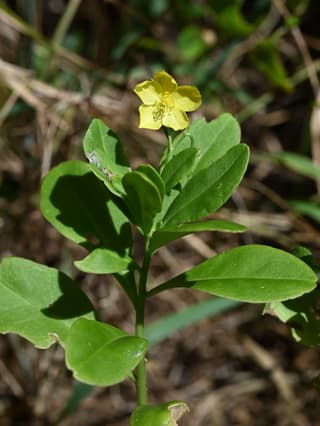
Waterleaf
Talinum fruticosum
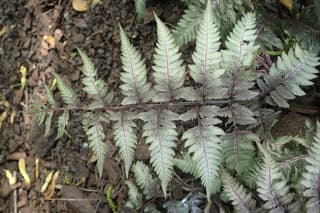
Japanese Painted Fern
Athyrium niponicum
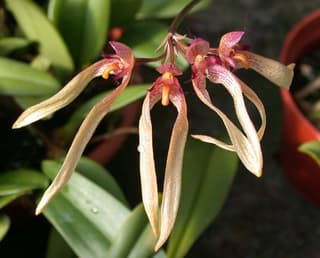
Pale Umbrella Orchid
Bulbophyllum longiflorum
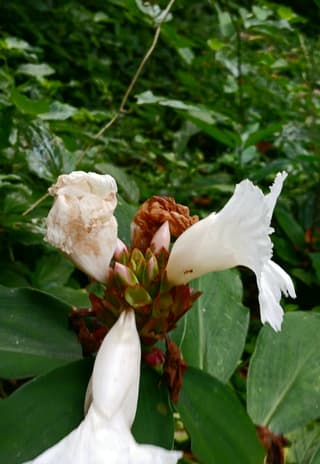
spiral ginger
Costus
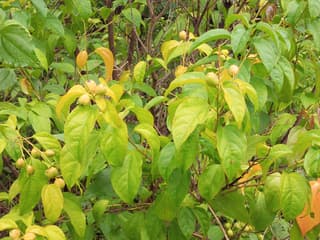
Croton
Croton
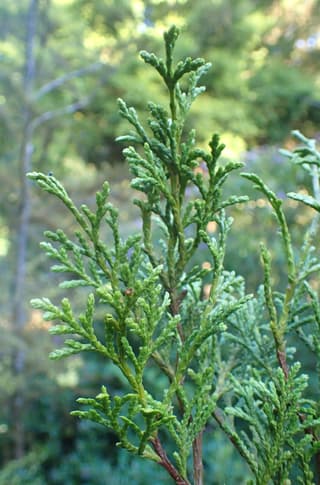
New Zealand Cedar
Libocedrus bidwillii
Bleeding Heart Tree
Homalanthus
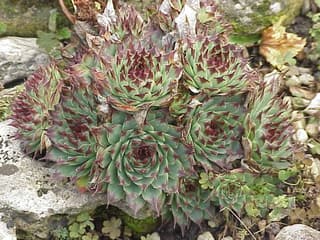
Limestone Houseleek
Sempervivum calcareum
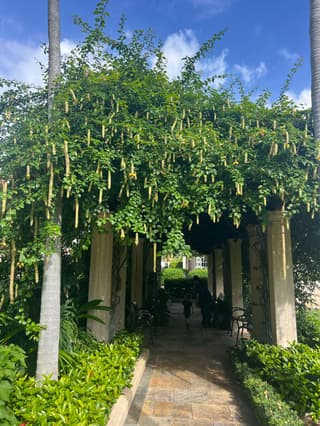
Parrot's Beak
Gmelina philippensis
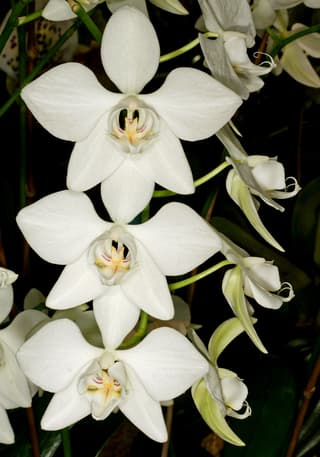
Moth Orchid
Phalaenopsis aphrodite
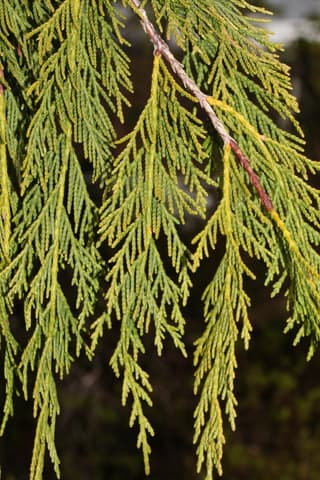
Nootka Cypress
Callitropsis nootkatensis
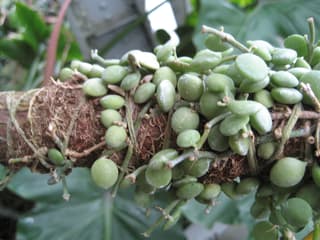
String of Nickels
Dischidia nummularia
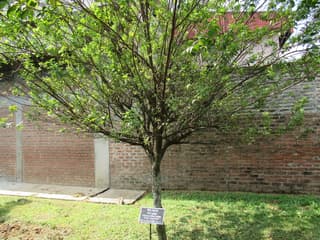
Star Apple
Chrysophyllum
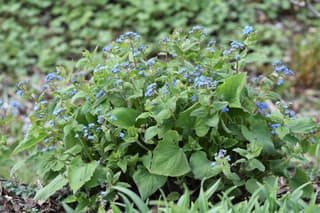
Siberian Bugloss
Brunnera macrophylla
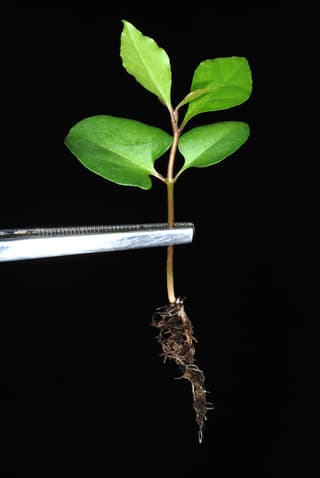
Pull-and-hold
Pisonia aculeata
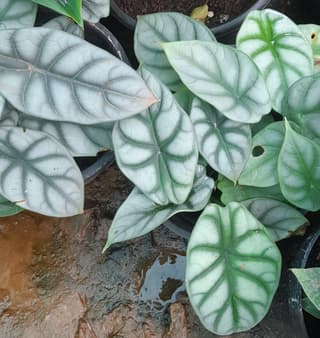
Dragon Scale Alocasia
Alocasia baginda
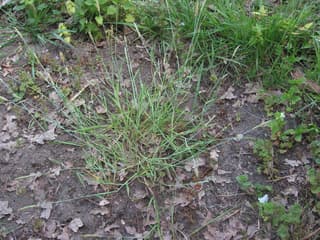
Water Foxtail
Alopecurus geniculatus
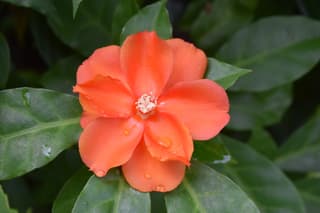
Leaf Cactus
Leuenbergeria
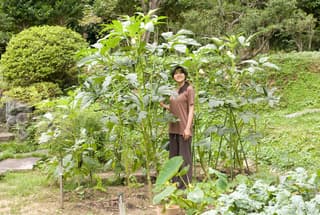
Okra
Abelmoschus esculentus
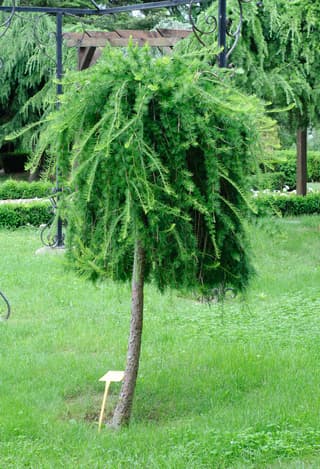
European Larch
Larix decidua
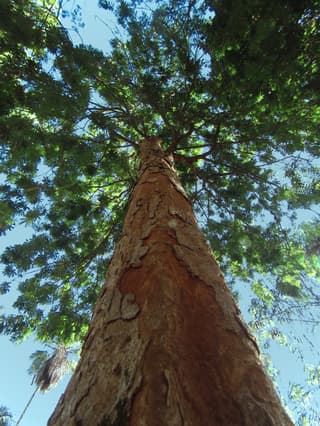
Brazilwood
Paubrasilia echinata
Carini Climate for Plant Growing
Carini has a climate with an average annual temperature of 18°C and average relative humidity of 70.8%. These climate conditions are ideal for various species of ornamental and fruit plants.
Tips for Growing Plants in Carini
To succeed in growing plants in Carini, consider the average temperature of 18°C when choosing your species. The temperate climate allows you to grow a wide variety of species. High humidity favors tropical plants, but watch for fungal issues.
Why Choose Plants Adapted to the Local Climate?
Plants adapted to Carini's climate require less care, consume less water, and are more likely to thrive. Our selection considers the compatibility between each species' needs and local climate conditions, including temperature (18°C) and humidity (70.8%).