117 Best Orchids for Codó | 2026 Guide - Page 2
The 117 best orchids to grow in Codó. Ideal climate: 27.8°C, 71.3% humidity.
117 Orchids for Codó
Showing 37-72 of 117
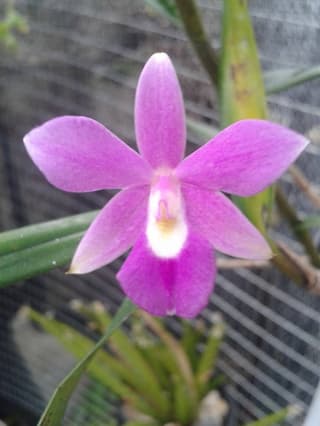
Pink Butterfly Orchid
Dimerandra emarginata
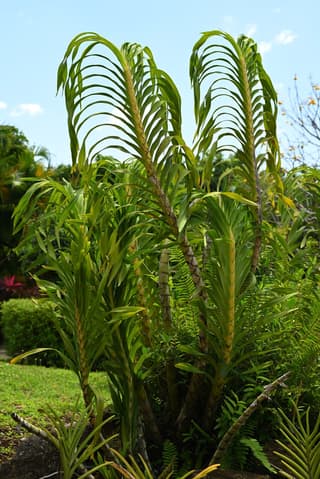
Giant orchid (Grammatophyllum)
Grammatophyllum
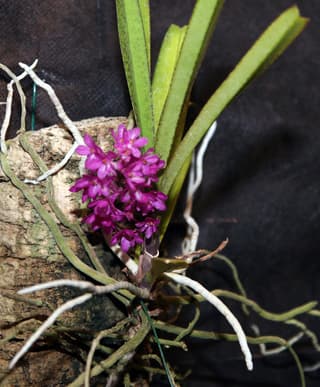
Ascocentrum orchid
Ascocentrum
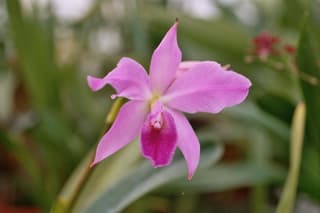
Cattleya Orchid
Cattleya spp
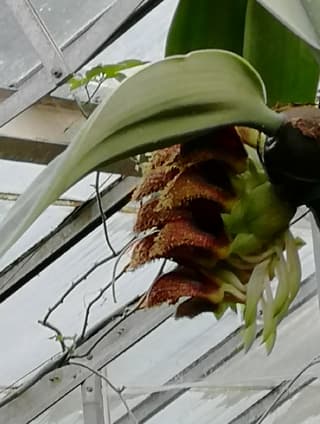
Stinking Orchid
Bulbophyllum phalaenopsis
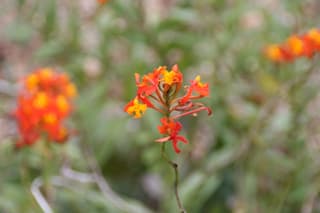
Reed-stem Epidendrum
Epidendrum radicans
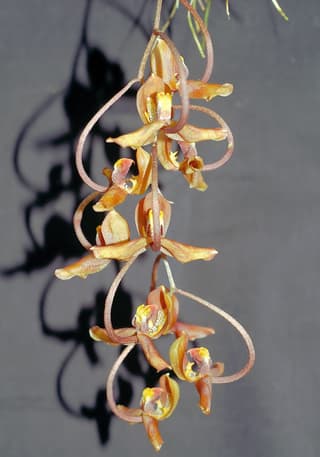
Helmet Orchid
Gongora galeata
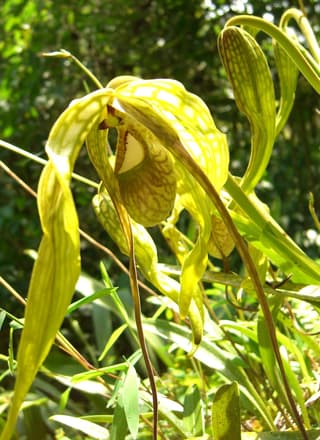
Tailed Slipper Orchid
Phragmipedium caudatum
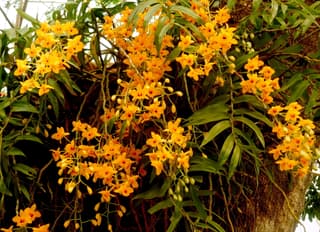
Fringe-lipped Dendrobium
Dendrobium fimbriatum
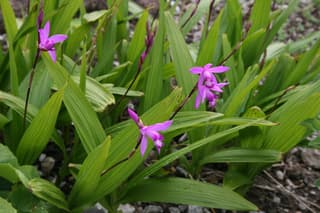
Chinese Ground Orchid
Bletilla striata
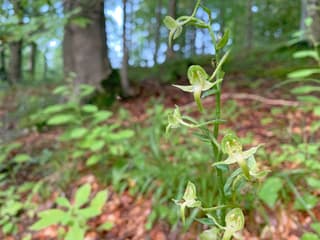
Greater Butterfly-orchid
Platanthera chlorantha
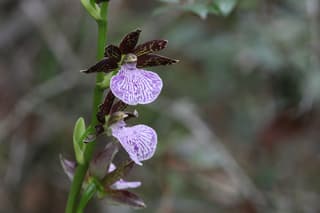
Spotted Zygopetalum
Zygopetalum maculatum
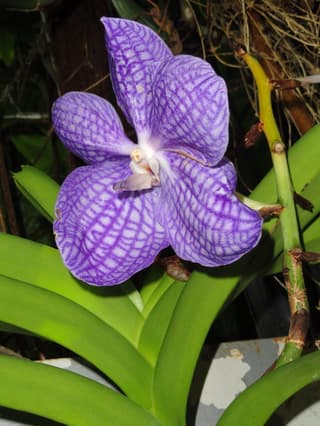
Blue Vanda Orchid
Vanda coerulea
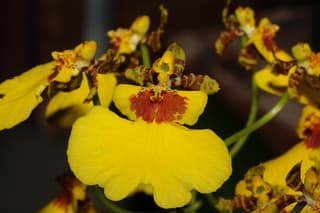
Dancing Lady Orchid
Oncidium Celtic Sun x Burgundian
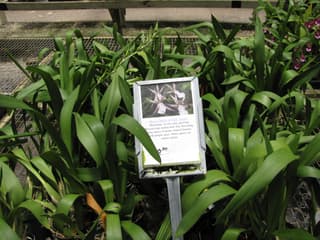
Miltassia orchid
Bratonia Charles M. Fitch
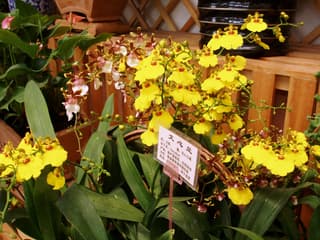
Dancing Doll Orchid
Oncidium flexuosum
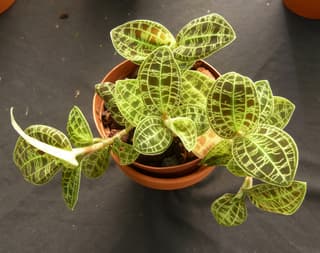
Jewel Orchid
Macodes petola
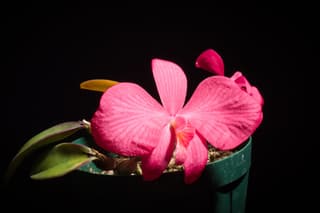
Wittig's Cattleya
Cattleya wittigiana

Fragrant Encyclia
Encyclia fragrans
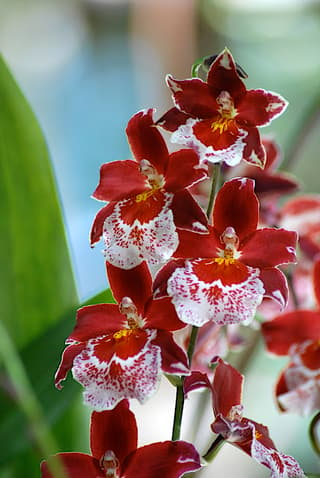
Cambria orchid
Vuylstekeara
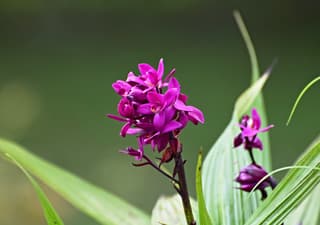
Clawed Ground Orchid
Spathoglottis unguiculata
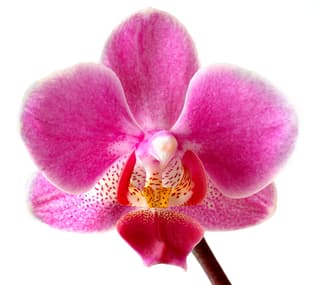
Moth Orchid
Phalaenopsis
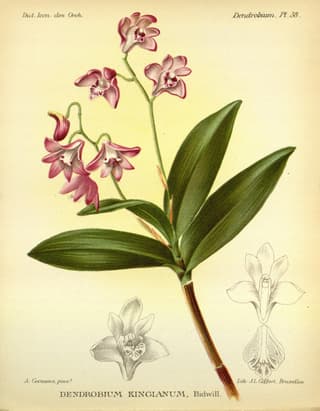
Pink Rock Orchid
Dendrobium kingianum
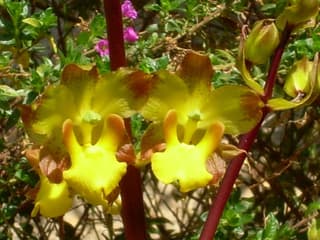
Cowhorn orchid
Cyrtopodium
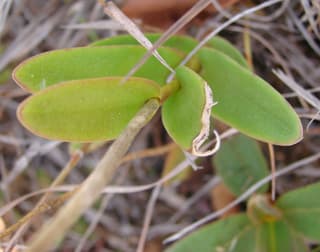
Crucifix Orchid
Epidendrum secundum
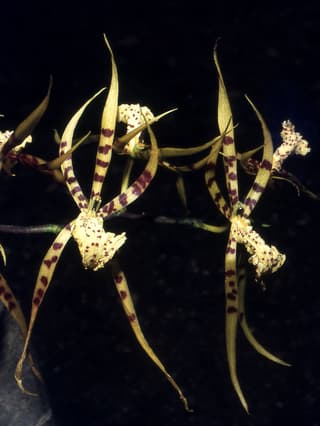
Spider Orchid
Brassia arachnoidea
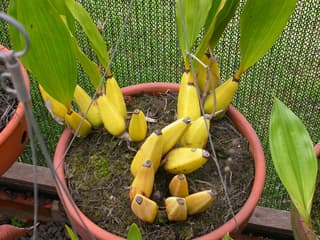
Harrison's Bifrenaria
Bifrenaria harrisoniae
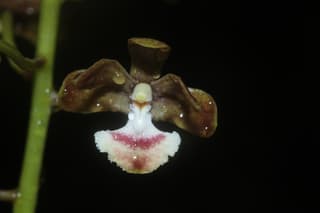
Virot's Dendrobium
Dendrobium virotii
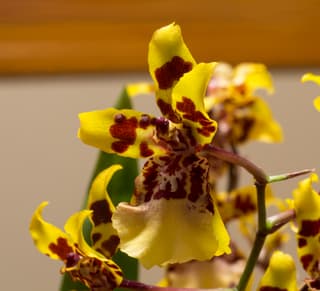
Dancing Lady Orchid (genus)
Oncidium
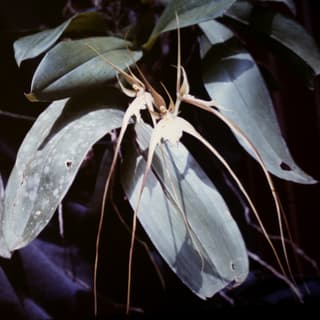
Spider Orchid
Brassia caudata
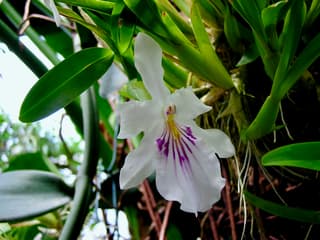
Miltonia Orchid (genus)
Miltonia
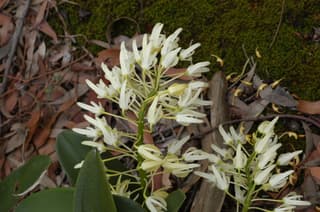
Rock Orchid
Dendrobium speciosum
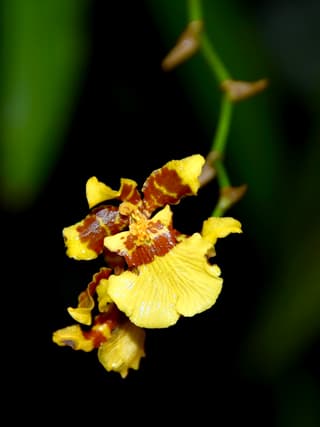
Golden Shower Orchid
Oncidium sphacelatum

Grasshopper orchid
Lycaste locusta
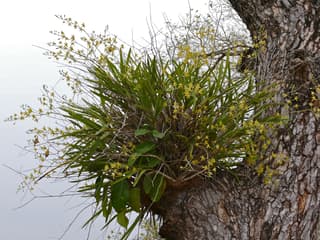
Leopard Orchid
Ansellia africana

Doritaenopsis
Doritaenopsis
Ideal Orchids for Codó's Climate
Codó has an average temperature of 27.8°C and humidity of 71.3%, conditions that directly influence which orchids best adapt to the local environment.
How to Grow Orchids in Codó
To successfully grow orchids in Codó, consider that the average temperature of 27.8°C and humidity of 71.3% create a specific microclimate. High humidity favors tropical species, but requires attention to ventilation to prevent fungal issues.
Advantages of Choosing Adapted Orchids
Orchids adapted to Codó's climate show greater resistance, healthy growth, and less need for interventions.