500 Best Pet Safe for Daytona Beach | 2026 Guide - Page 11
The 500 best pet safe to grow in Daytona Beach. Ideal climate: 22.5°C, 76% humidity.
500 Pet Safe for Daytona Beach
Showing 361-396 of 500
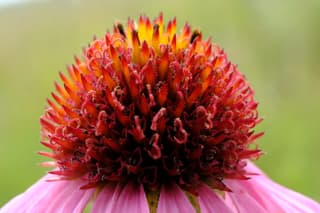
Narrow-leaf Coneflower
Echinacea angustifolia
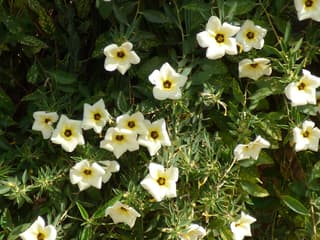
White Buttercup
Turnera subulata
Pale Brittlestem
Candolleomyces candolleanus
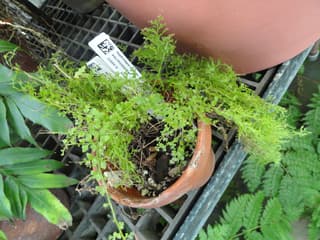
Boston Fern
Nephrolepis exaltata
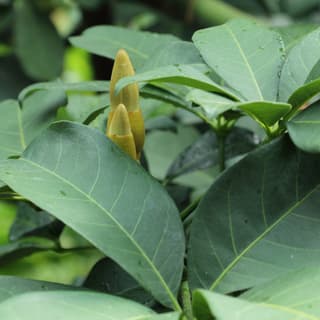
Money Tree
Pachira aquatica
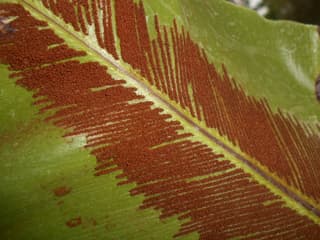
Bird's Nest Fern
Asplenium nidus
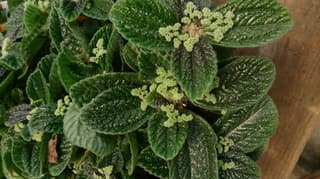
Friendship Plant
Pilea involucrata
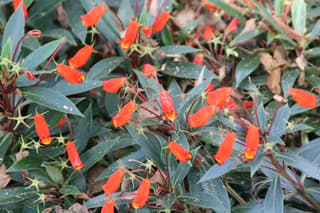
Bolivian Sunset Gloxinia
Gloxinia sylvatica
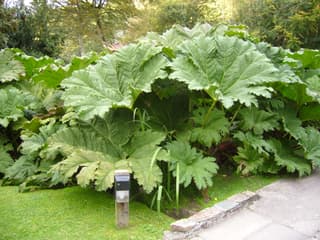
Giant Rhubarb
Gunnera manicata
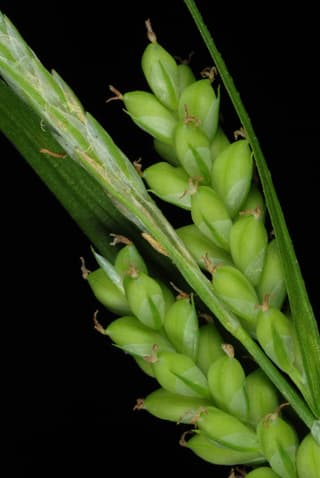
Eastern Woodland Sedge
Carex blanda
felt lichen
Peltigera
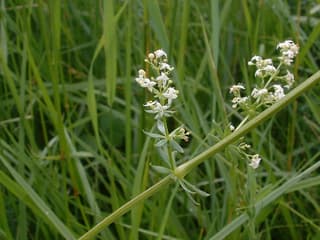
Hedge Bedstraw
Galium mollugo
Larch bolete
Suillus grevillei
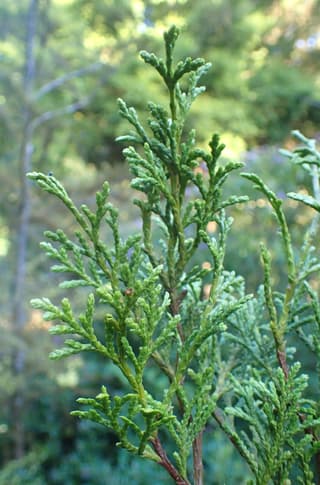
New Zealand Cedar
Libocedrus bidwillii
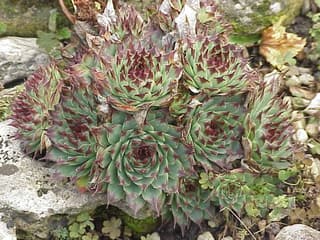
Limestone Houseleek
Sempervivum calcareum
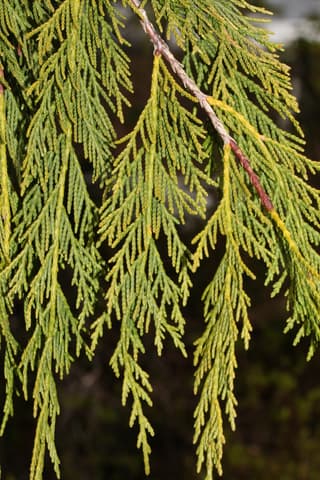
Nootka Cypress
Callitropsis nootkatensis
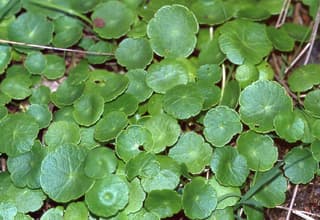
Marsh pennywort
Hydrocotyle vulgaris
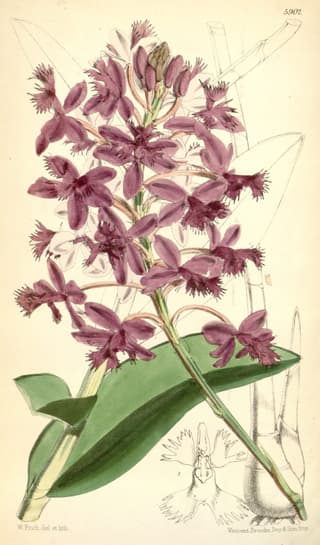
Jamieson's Epidendrum
Epidendrum jamiesonis
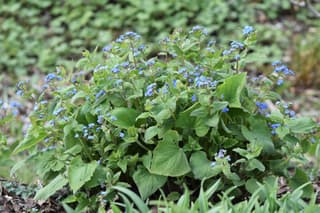
Siberian Bugloss
Brunnera macrophylla
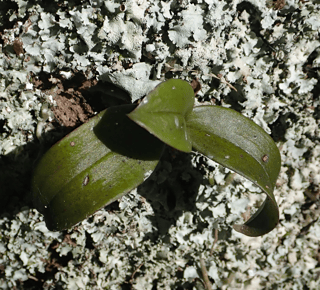
Green Fleshy Tree Orchid
Drymoanthus adversus
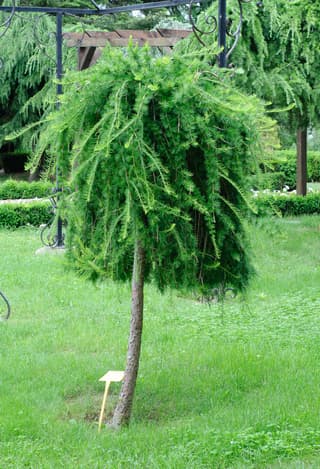
European Larch
Larix decidua
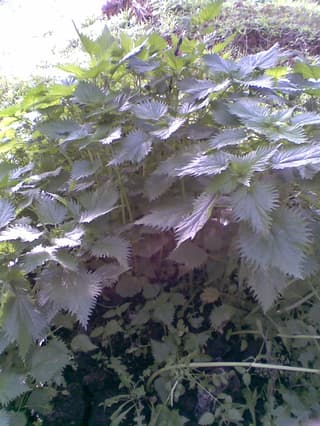
Stinging Nettle
Urtica dioica
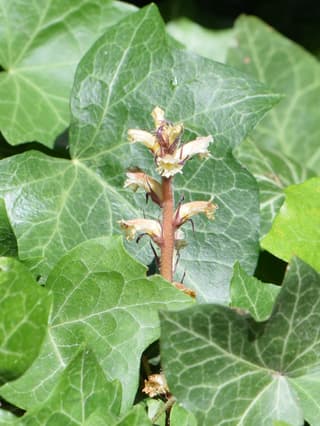
Ivy Broomrape
Orobanche hederae
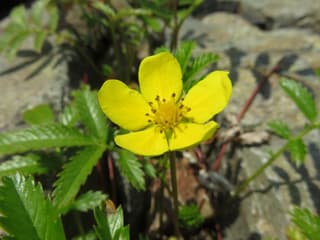
Silverweed
Argentina anserina
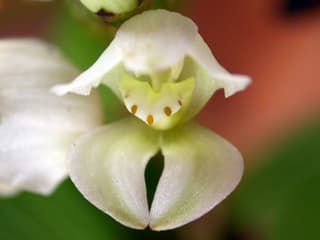
Govenia
Govenia
Small Stagshorn
Calocera cornea
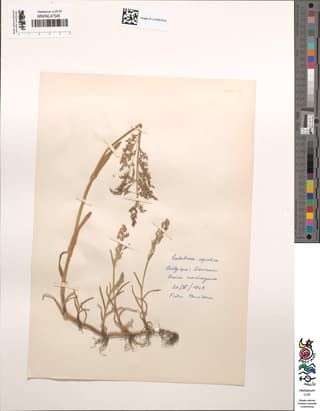
Water Whorlgrass
Catabrosa aquatica
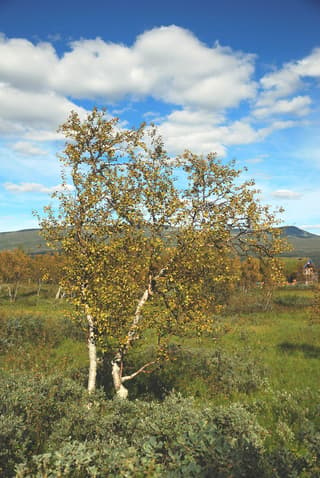
Downy Birch
Betula pubescens
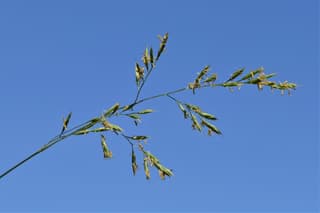
Red Fescue
Festuca rubra
Green Elfcup
Chlorociboria aeruginascens
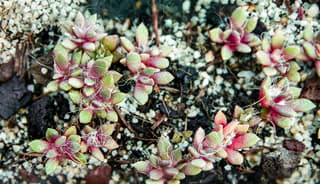
Sand rose
Anacampseros rufescens
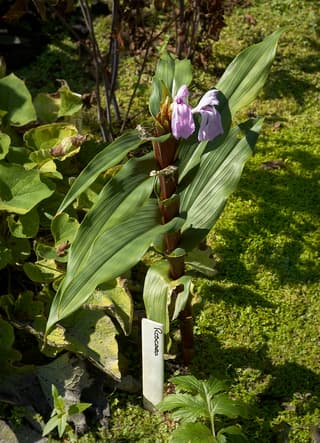
Purple Roscoea
Roscoea purpurea
Great Scented Liverwort
Conocephalum
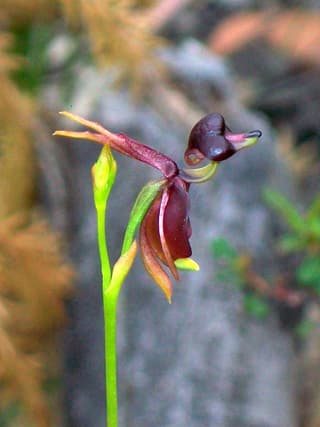
Flying Duck Orchid
Caleana major
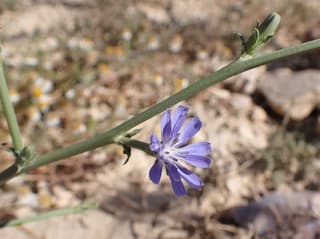
Endive
Cichorium endivia
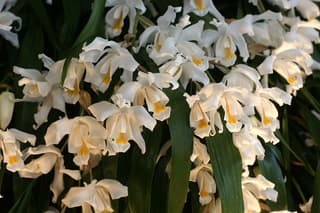
Snow Queen Orchid
Coelogyne cristata
Ideal Pet Safe for Daytona Beach's Climate
Daytona Beach has an average temperature of 22.5°C and humidity of 76%, conditions that directly influence which pet safe best adapt to the local environment.
How to Grow Pet Safe in Daytona Beach
To successfully grow pet safe in Daytona Beach, consider that the average temperature of 22.5°C and humidity of 76% create a specific microclimate. High humidity favors tropical species, but requires attention to ventilation to prevent fungal issues.
Advantages of Choosing Adapted Pet Safe
Pet Safe adapted to Daytona Beach's climate show greater resistance, healthy growth, and less need for interventions.