500 Best Plants for East Riding of Yorkshire | 2026 Guide - Page 10
Discover the 500 ideal plants for East Riding of Yorkshire's climate. Average temp: 10.8°C, Humidity: 81.6%.
Top 500 Plants for East Riding of Yorkshire
Showing 325-360 of 500
Cast Iron Plant
Aspidistra lurida
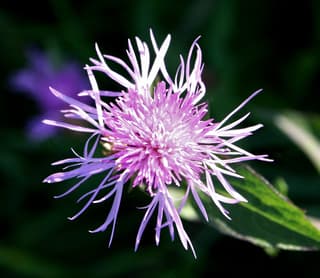
Tyrol Knapweed
Centaurea nigrescens
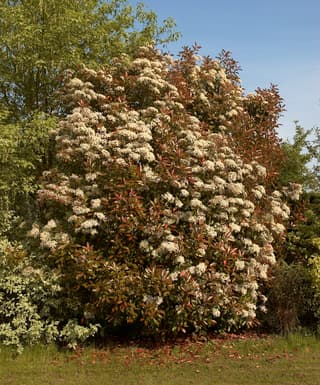
Red Tip Photinia
Photinia × fraseri
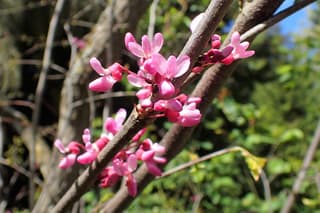
Chinese Redbud
Cercis chinensis
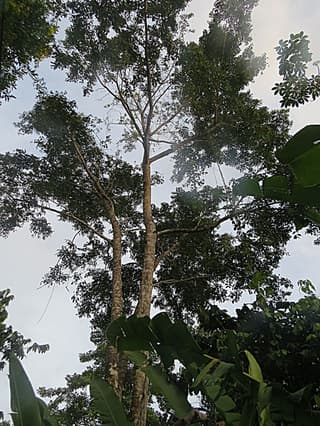
Yellow Mombin
Spondias mombin
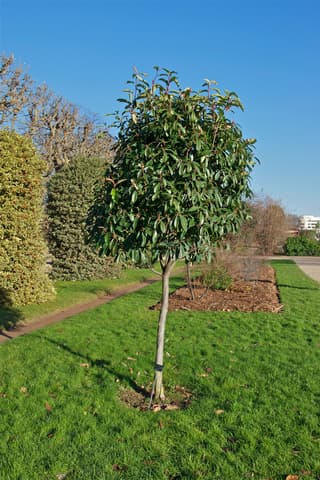
Chinese Photinia
Photinia serratifolia
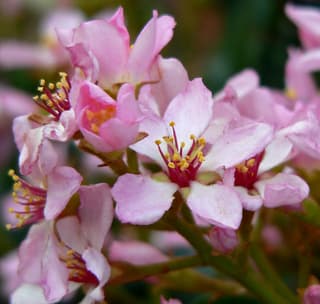
Indian Hawthorn
Rhaphiolepis
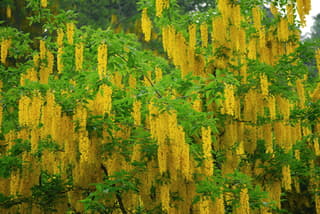
Scotch laburnum
Laburnum alpinum
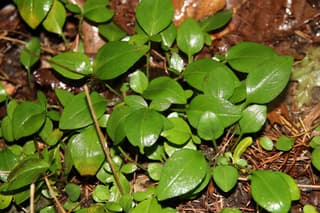
Shrubby St. John's Wort
Hypericum prolificum
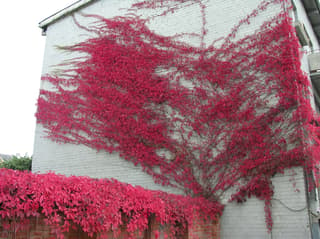
Woodbine
Parthenocissus
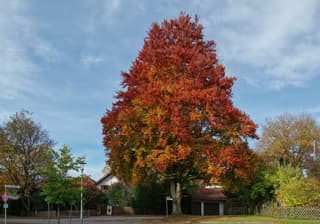
European Beech
Fagus sylvatica
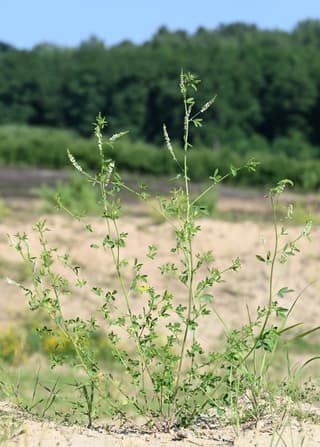
White sweet clover
Melilotus albus
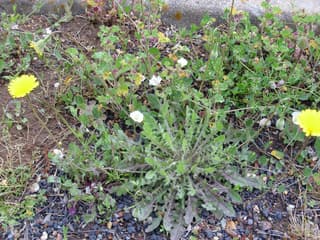
Rough Hawkbit
Leontodon hispidus
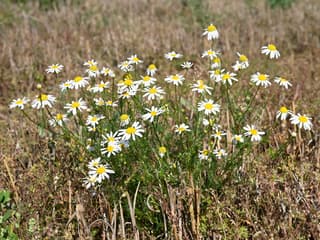
Scentless Chamomile
Tripleurospermum inodorum
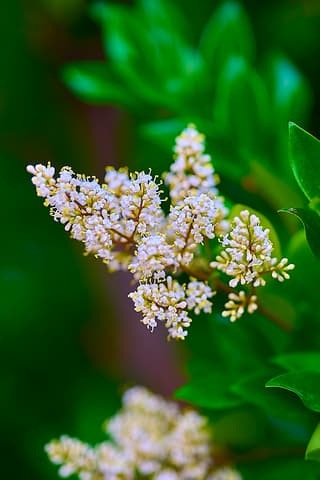
Privet
Ligustrum
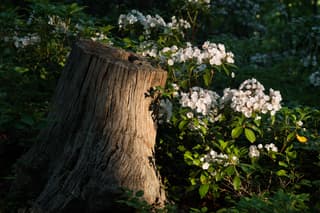
Mountain Laurel
Kalmia
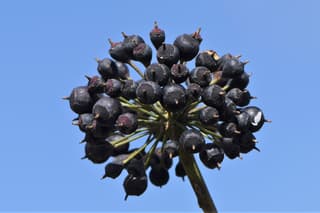
Atlantic Ivy
Hedera hibernica
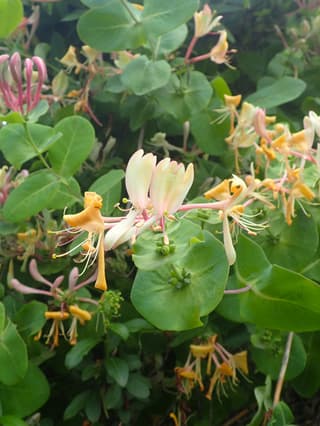
Italian Honeysuckle
Lonicera caprifolium
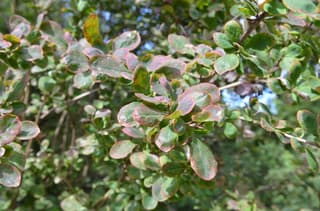
Ottawa Barberry
Berberis × ottawensis
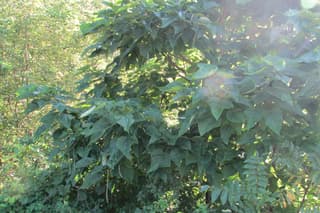
Northern Catalpa
Catalpa speciosa
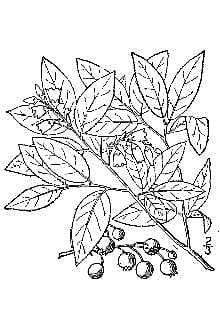
Hillside Blueberry
Vaccinium pallidum
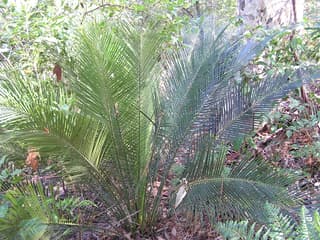
Burrawang
Macrozamia
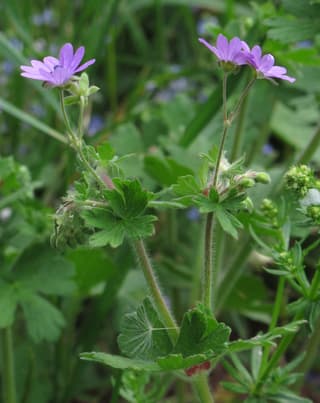
Hedgerow Cranesbill
Geranium pyrenaicum
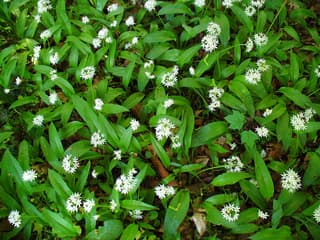
Ramsons
Allium ursinum
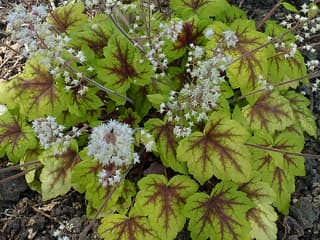
Foamy Bells
Heucherella
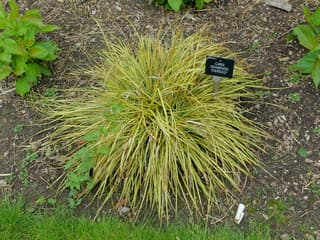
Evergold Sedge
Carex oshimensis 'Evergold'
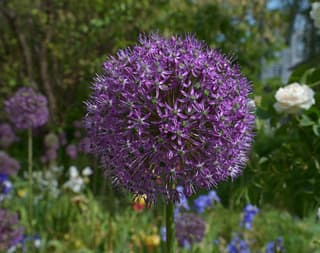
Ornamental Onion
Allium
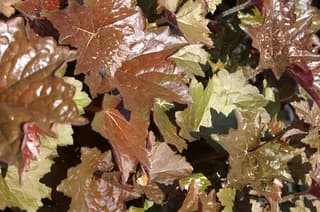
Crevice Alumroot
Heuchera micrantha
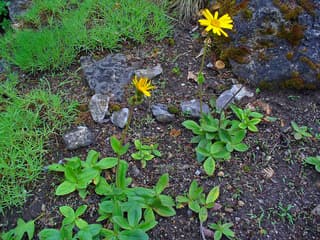
Arnica
Arnica montana
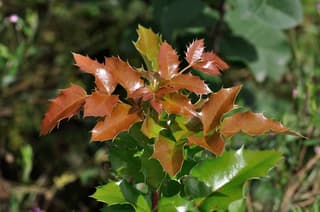
Oregon Grape
Berberis aquifolium
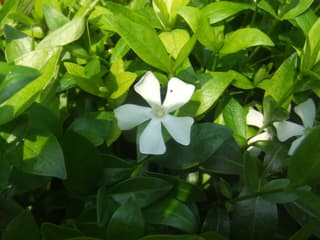
Lesser Periwinkle
Vinca minor
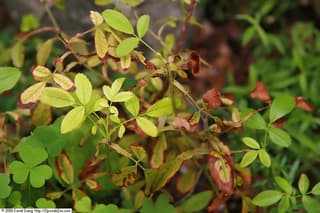
Carolina rose
Rosa carolina
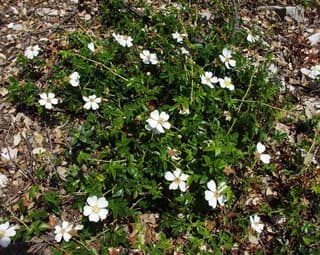
Evergreen Rose
Rosa sempervirens
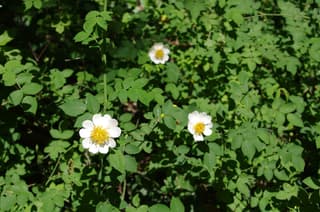
Field Rose
Rosa arvensis
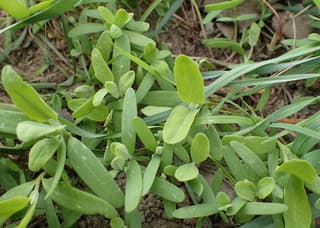
Common Orache
Atriplex patula
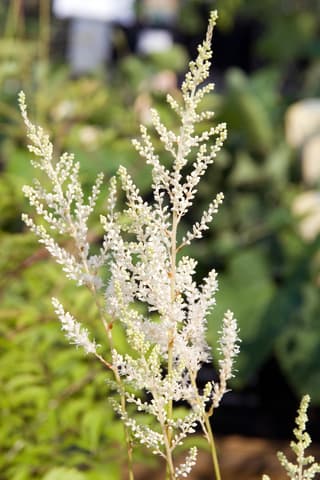
Japanese Astilbe
Astilbe japonica
East Riding of Yorkshire Climate for Plant Growing
East Riding of Yorkshire has a climate with an average annual temperature of 10.8°C and average relative humidity of 81.6%. These climate conditions are ideal for various species of ornamental and fruit plants.
Tips for Growing Plants in East Riding of Yorkshire
To succeed in growing plants in East Riding of Yorkshire, consider the average temperature of 10.8°C when choosing your species. Protect cold-sensitive plants during winter. High humidity favors tropical plants, but watch for fungal issues.
Why Choose Plants Adapted to the Local Climate?
Plants adapted to East Riding of Yorkshire's climate require less care, consume less water, and are more likely to thrive. Our selection considers the compatibility between each species' needs and local climate conditions, including temperature (10.8°C) and humidity (81.6%).