500 Best Plants for Fort St. John | 2026 Guide
Discover the 500 ideal plants for Fort St. John's climate. Average temp: 4.7°C, Humidity: 69.8%.
Top 500 Plants for Fort St. John
Showing 1-36 of 500

Muriel's Bamboo
Fargesia murielae
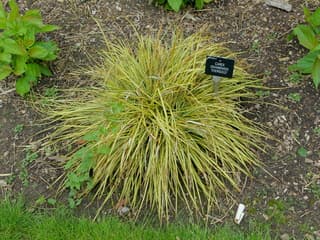
Japanese Sedge
Carex oshimensis
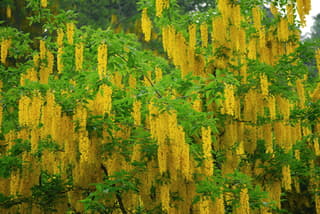
Scotch laburnum
Laburnum alpinum
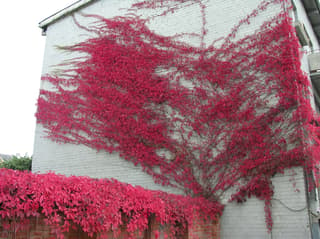
Woodbine
Parthenocissus
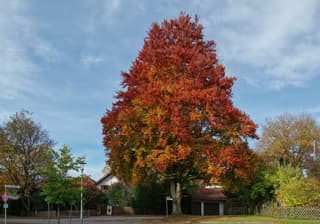
European Beech
Fagus sylvatica
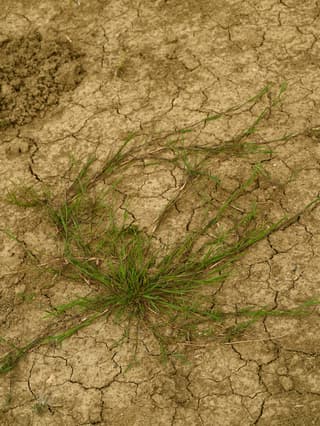
Creeping bentgrass
Agrostis stolonifera
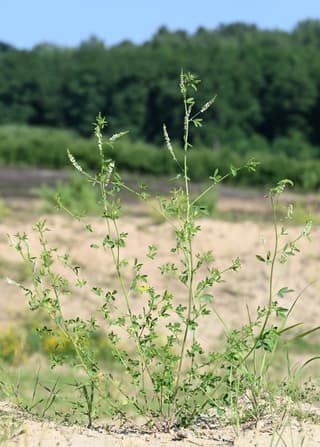
White sweet clover
Melilotus albus
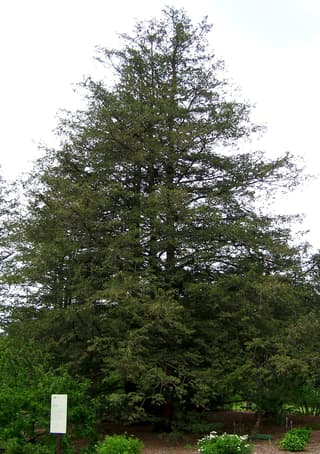
Sawara cypress
Chamaecyparis pisifera
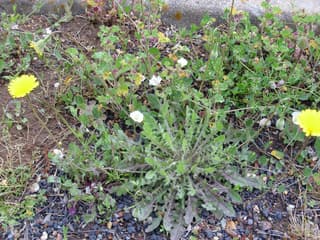
Rough Hawkbit
Leontodon hispidus
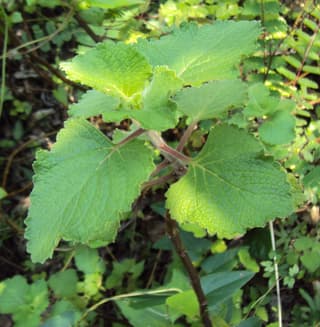
Hairy Coleus
Coleus hadiensis
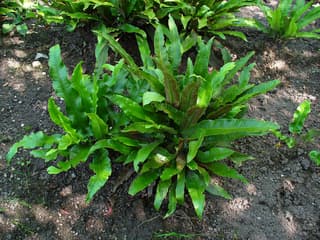
Hart's-tongue Fern
Asplenium scolopendrium
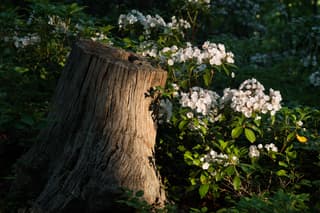
Mountain Laurel
Kalmia
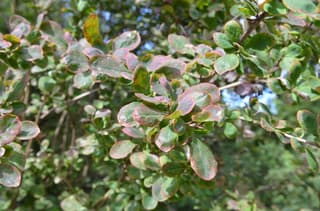
Ottawa Barberry
Berberis × ottawensis
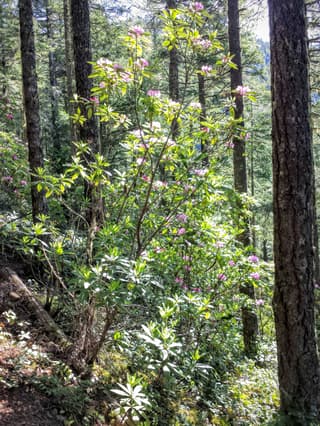
Pacific Rhododendron
Rhododendron macrophyllum
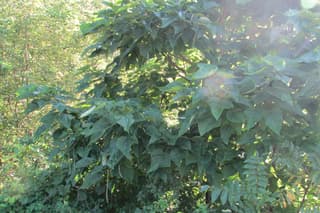
Northern Catalpa
Catalpa speciosa
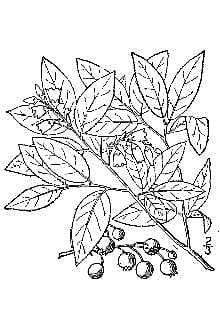
Hillside Blueberry
Vaccinium pallidum
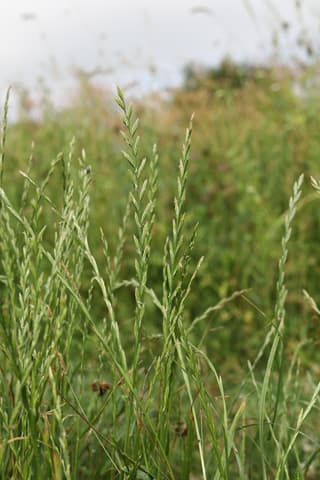
Perennial ryegrass
Lolium perenne
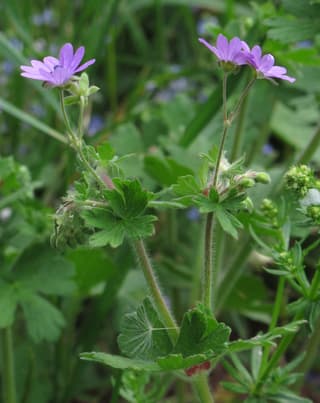
Hedgerow Cranesbill
Geranium pyrenaicum
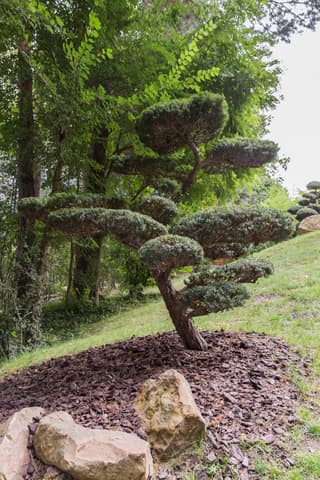
English Yew
Taxus baccata
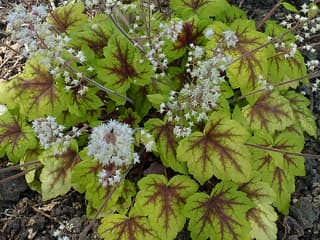
Foamy Bells
Heucherella
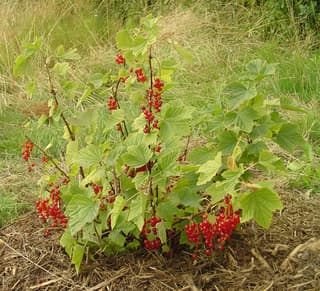
Redcurrant
Ribes rubrum
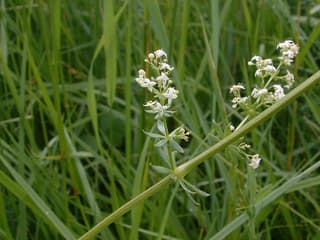
Hedge Bedstraw
Galium mollugo
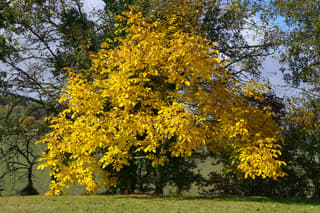
English walnut
Juglans regia
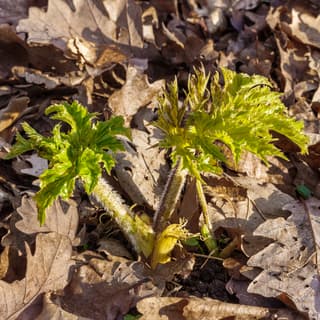
Common Hogweed
Heracleum
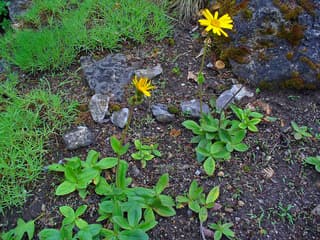
Arnica
Arnica montana
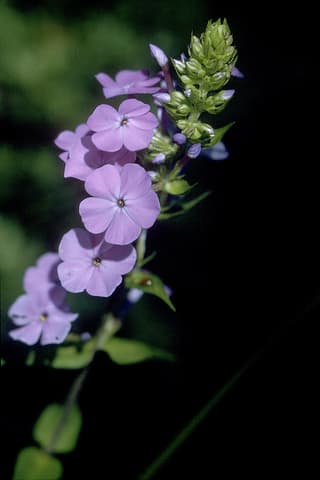
Wild Sweet William
Phlox maculata
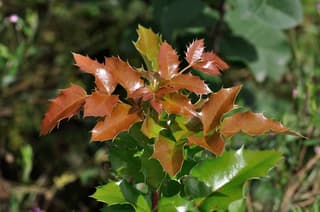
Oregon Grape
Berberis aquifolium
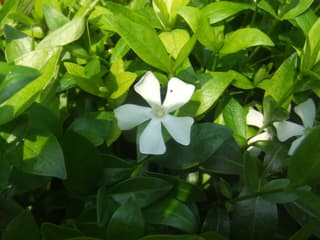
Lesser Periwinkle
Vinca minor
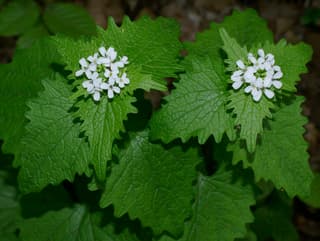
Garlic Mustard
Alliaria petiolata
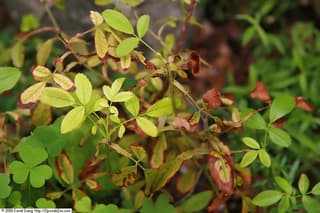
Carolina rose
Rosa carolina
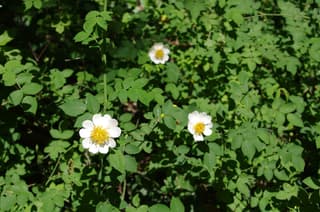
Field Rose
Rosa arvensis
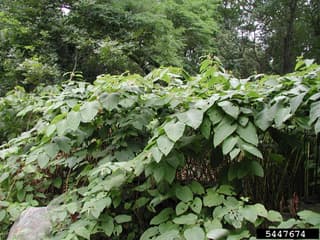
Giant Knotweed
Reynoutria sachalinensis
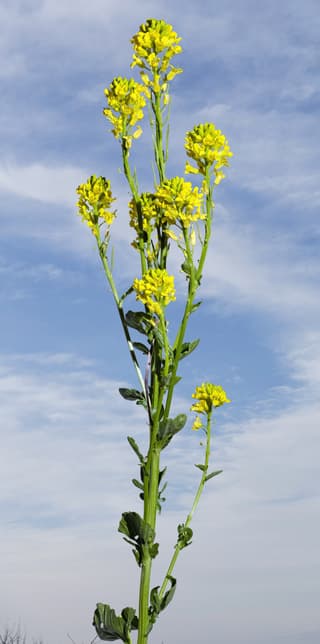
Wintercress
Barbarea vulgaris
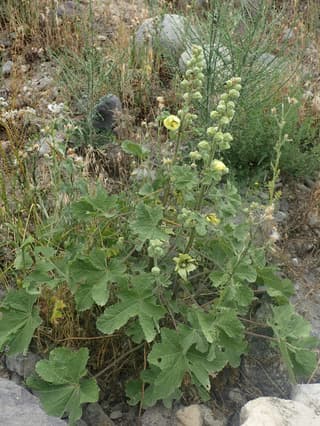
Russian Hollyhock
Alcea rugosa
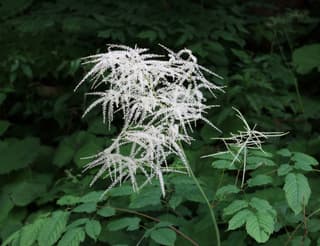
Goat's Beard
Aruncus dioicus
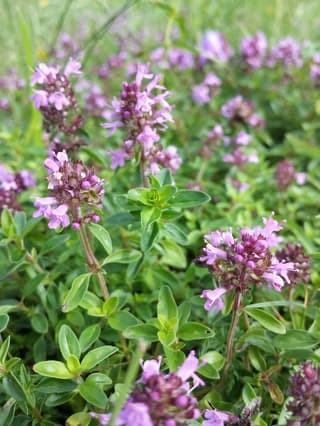
Broad-leaved Thyme
Thymus pulegioides
Fort St. John Climate for Plant Growing
Fort St. John has a climate with an average annual temperature of 4.7°C and average relative humidity of 69.8%. These climate conditions are ideal for various species of ornamental and fruit plants.
Tips for Growing Plants in Fort St. John
To succeed in growing plants in Fort St. John, consider the average temperature of 4.7°C when choosing your species. Protect cold-sensitive plants during winter. Moderate humidity is ideal for most plants.
Why Choose Plants Adapted to the Local Climate?
Plants adapted to Fort St. John's climate require less care, consume less water, and are more likely to thrive. Our selection considers the compatibility between each species' needs and local climate conditions, including temperature (4.7°C) and humidity (69.8%).