500 Best Plants for Guanambi | 2026 Guide - Page 8
Discover the 500 ideal plants for Guanambi's climate. Average temp: 26.2°C, Humidity: 55.3%.
Top 500 Plants for Guanambi
Showing 253-288 of 500
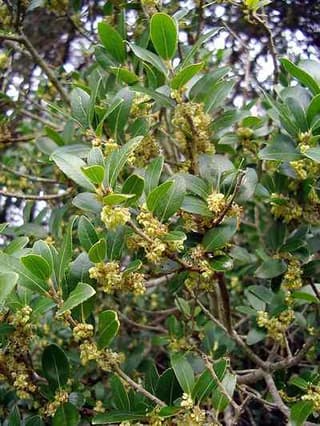
Green Olive Tree
Phillyrea latifolia
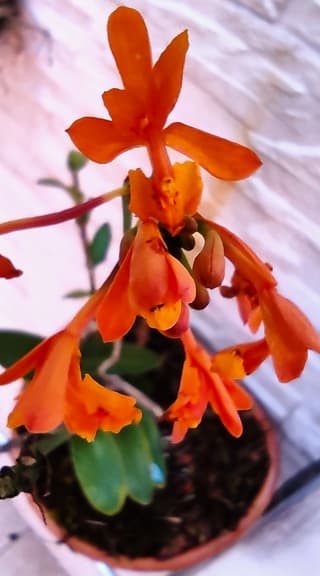
Beach Crucifix Orchid
Epidendrum fulgens
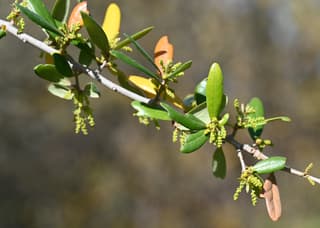
Southern Live Oak
Quercus virginiana
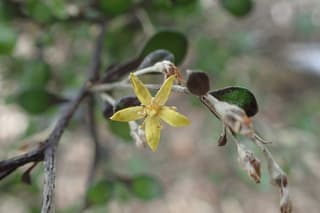
Wire-netting Bush
Corokia cotoneaster
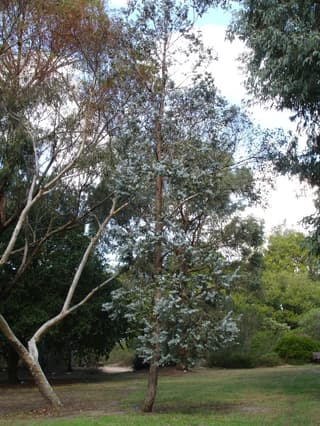
Argyle Apple
Eucalyptus cinerea
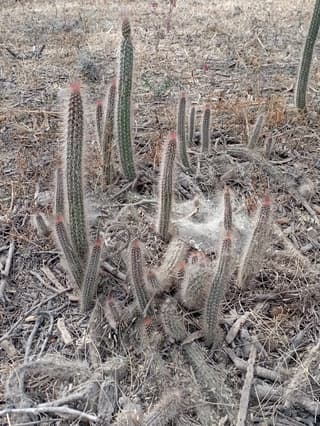
Snake Cactus, Junco, Queen of the Night
Nyctocereus serpentinus
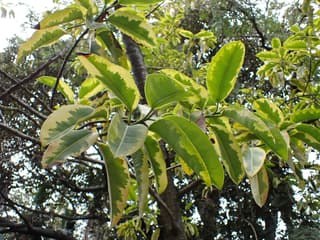
Rubber Plant 'Tineke'
Ficus elastica 'Tineke'
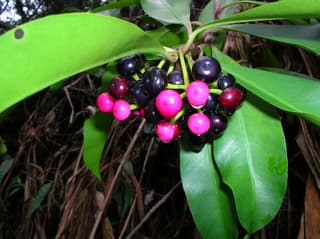
Shoebutton ardisia
Ardisia elliptica
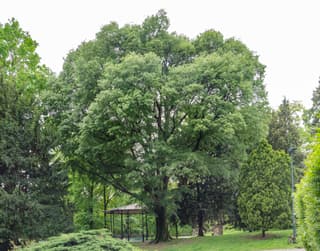
European Nettle Tree
Celtis australis
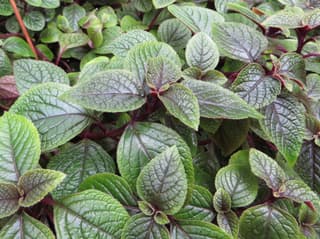
Prostrate Coleus
Coleus forsteri
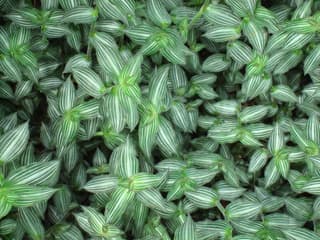
Chain Plant
Callisia gentlei
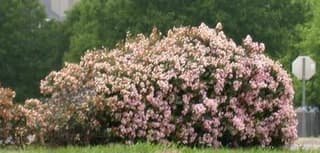
Indian Hawthorn
Rhaphiolepis indica
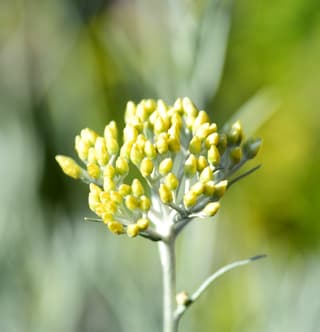
Curry Plant
Helichrysum italicum
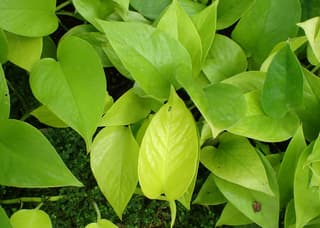
Neon pothos
Epipremnum aureum 'Neon'
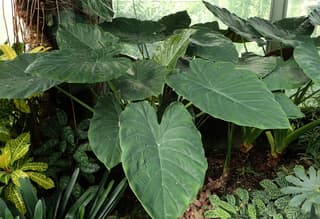
New Guinea Shield
Alocasia wentii
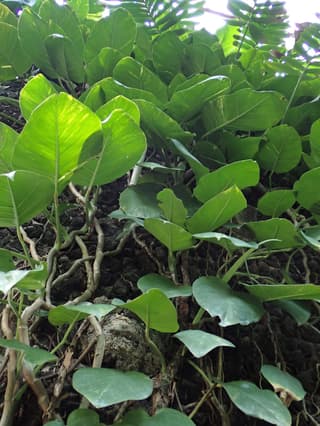
Pothos
Pothos
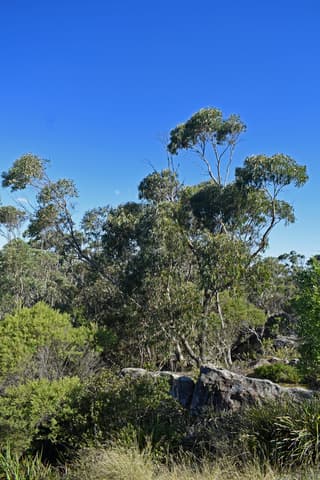
Tasmanian Blue Gum
Eucalyptus globulus
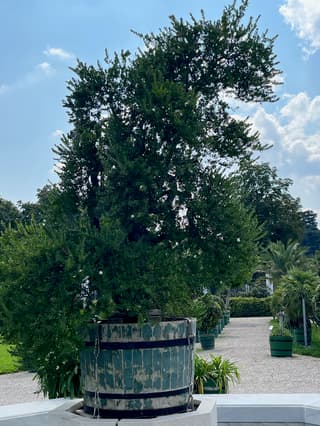
Common Myrtle
Myrtus communis
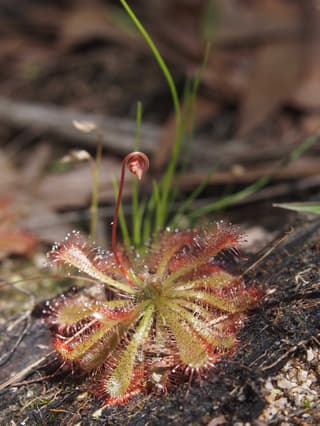
Spoon-leaved sundew
Drosera spatulata
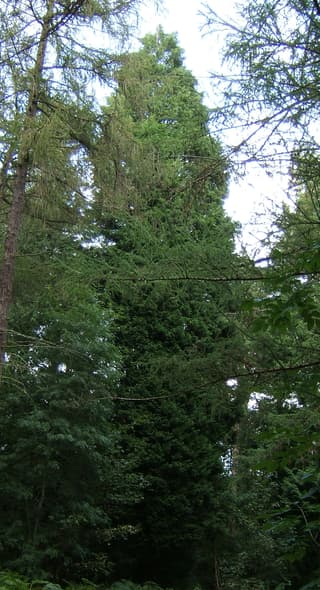
Leyland Cypress
× Hesperotropsis leylandii
Maritime sunburst lichen
Xanthoria parietina
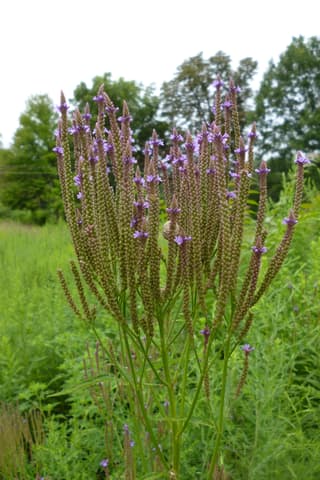
Blue Vervain
Verbena hastata
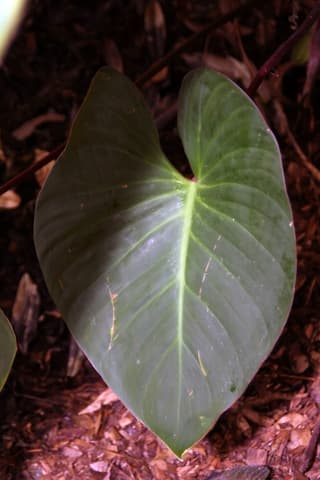
Homalomena
Homalomena
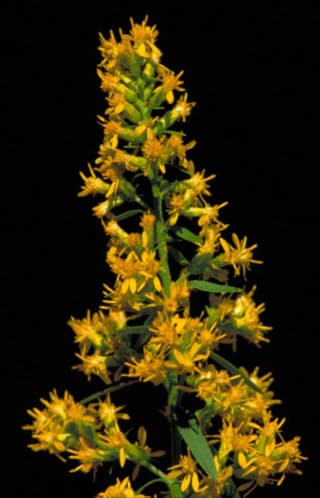
Goldenrod
Solidago
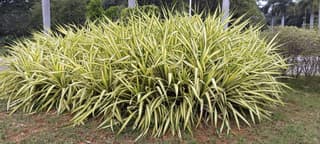
Screw Pine
Pandanus
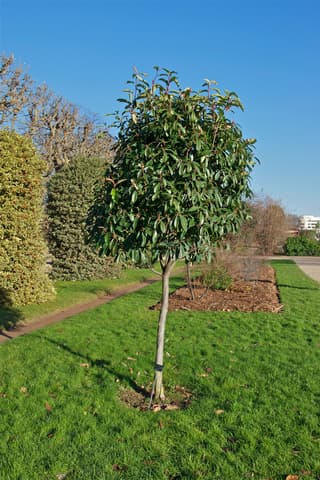
Chinese Photinia
Photinia serratifolia
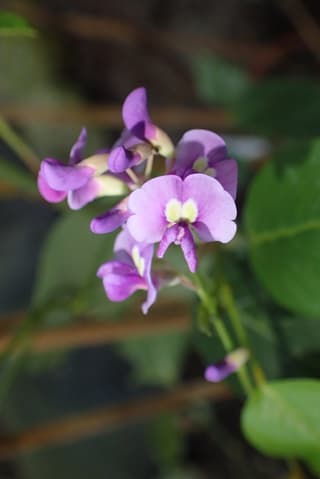
Purple Coral Pea
Hardenbergia violacea
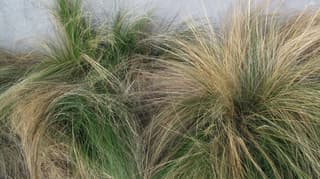
Mexican feather grass
Nassella tenuissima
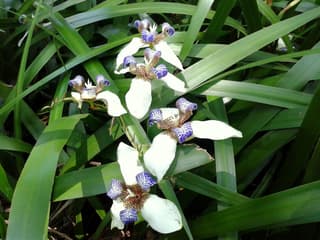
White Walking Iris
Neomarica candida

Field Maple
Acer campestre
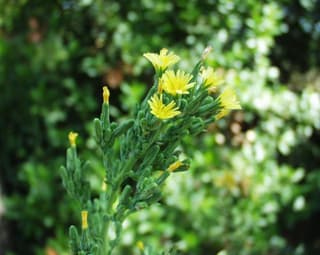
Wild Lettuce
Lactuca virosa
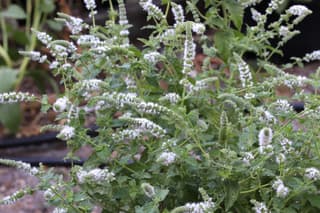
Peppermint
Mentha x piperita
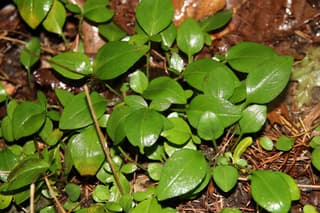
Shrubby St. John's Wort
Hypericum prolificum
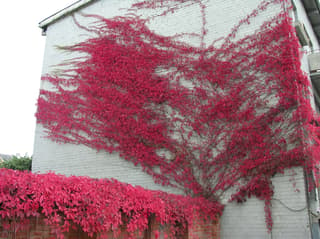
Woodbine
Parthenocissus
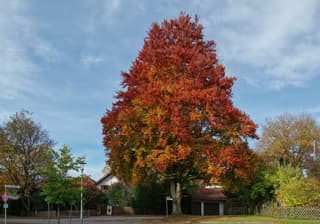
European Beech
Fagus sylvatica
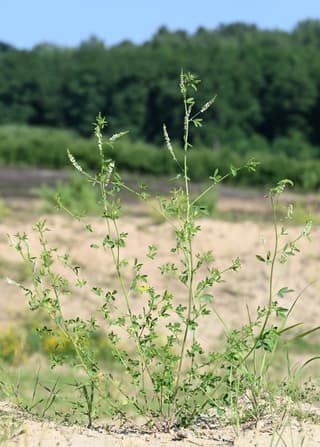
White sweet clover
Melilotus albus
Guanambi Climate for Plant Growing
Guanambi has a climate with an average annual temperature of 26.2°C and average relative humidity of 55.3%. These climate conditions are ideal for various species of ornamental and fruit plants.
Tips for Growing Plants in Guanambi
To succeed in growing plants in Guanambi, consider the average temperature of 26.2°C when choosing your species. On very hot days, protect plants from direct sun during the most intense hours. Moderate humidity is ideal for most plants.
Why Choose Plants Adapted to the Local Climate?
Plants adapted to Guanambi's climate require less care, consume less water, and are more likely to thrive. Our selection considers the compatibility between each species' needs and local climate conditions, including temperature (26.2°C) and humidity (55.3%).