500 Best Plants for Headland | 2026 Guide - Page 5
Discover the 500 ideal plants for Headland's climate. Average temp: 20.2°C, Humidity: 69.3%.
Top 500 Plants for Headland
Showing 145-180 of 500
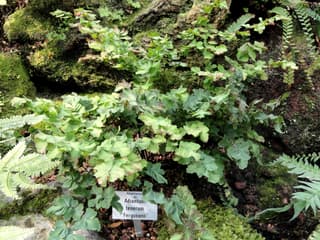
Fan Maidenhair Fern
Adiantum tenerum
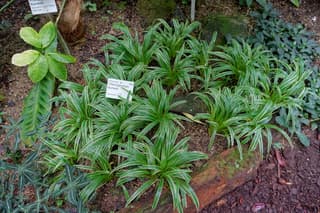
Zebra Grass Spider Plant
Chlorophytum laxum
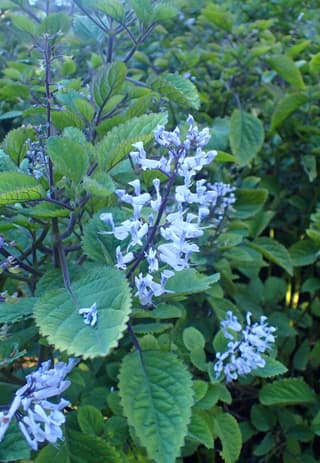
Speckled Spur-Flower
Plectranthus ciliatus
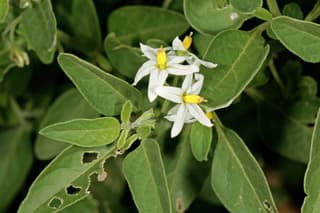
Tall nightshade
Solanum chenopodioides
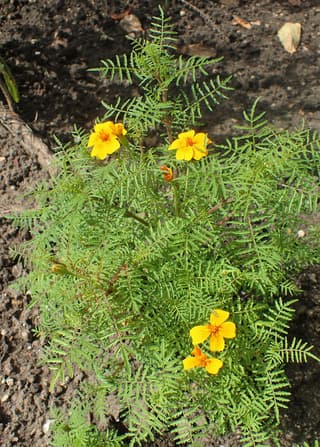
Signet Marigold
Tagetes tenuifolia
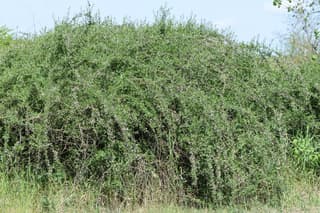
Goji Berry
Lycium barbarum
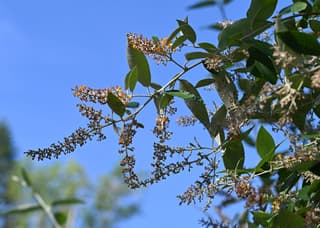
Madagascar Butterfly Bush
Buddleja madagascariensis
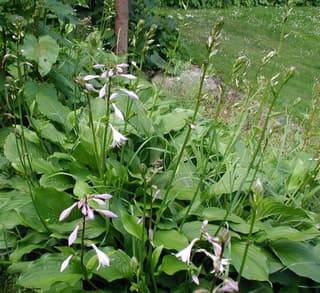
Fortune's Hosta
Hosta fortunei
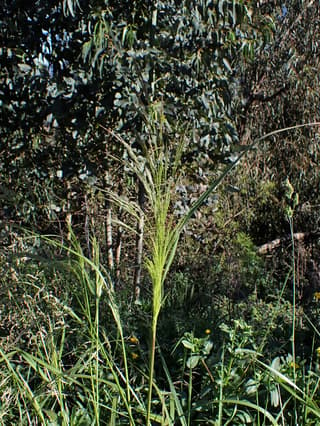
Johnson grass
Sorghum halepense
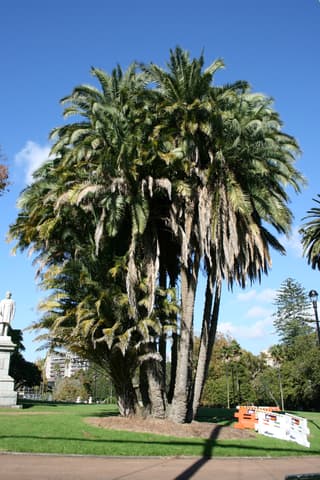
Senegal Date Palm
Phoenix reclinata
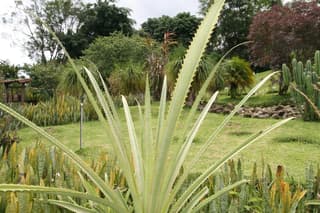
Wild Pineapple
Bromelia pinguin
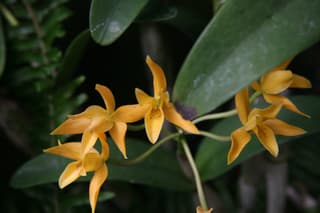
Orange Cattleya
Guarianthe aurantiaca
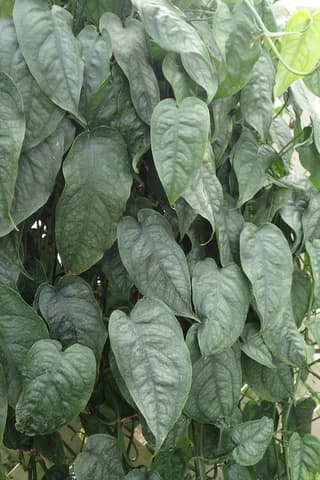
Silver Monstera
Monstera siltepecana
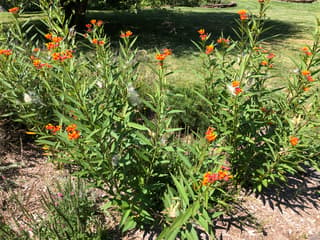
Tropical Milkweed
Asclepias curassavica
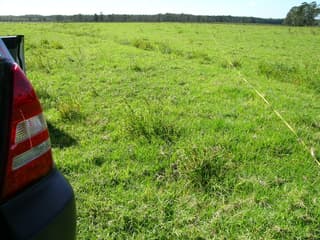
Kikuyu Grass
Cenchrus clandestinus
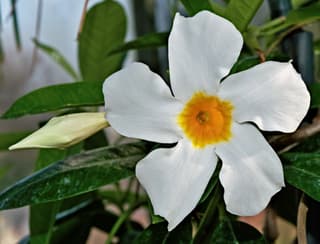
White Rock Trumpet
Mandevilla boliviensis
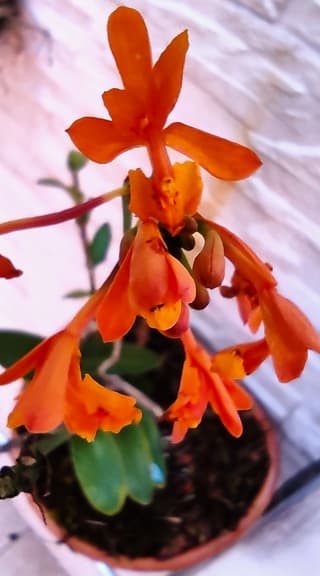
Beach Crucifix Orchid
Epidendrum fulgens
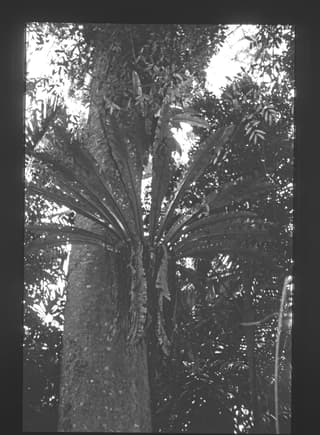
Birds Nest Fern
Asplenium australasicum
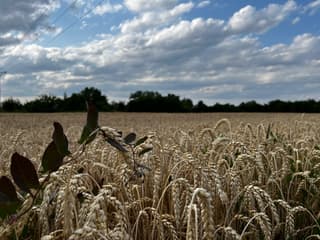
Field Bindweed
Convolvulus arvensis
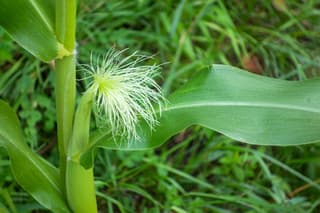
Corn / Maize
Zea
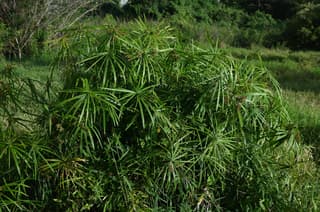
Umbrella Sedge
Cyperus
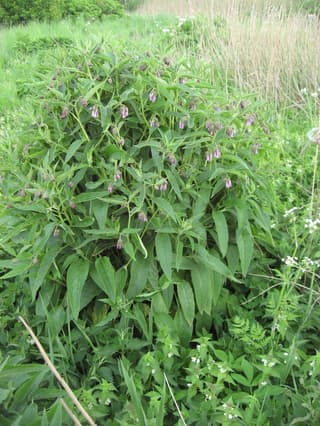
Russian Comfrey
Symphytum × uplandicum
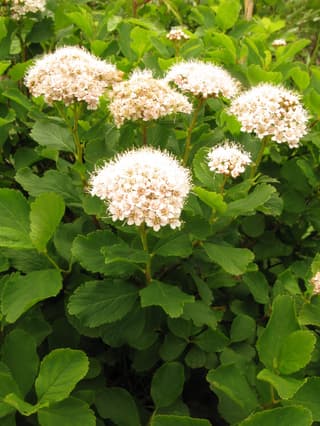
Birchleaf Spirea
Spiraea betulifolia
Tall Fescue
Festuca arundinacea
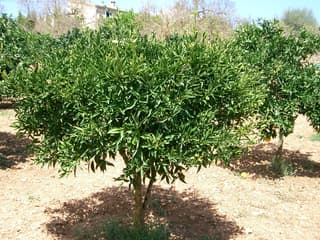
Willowleaf Mandarin
Citrus × aurantium f. deliciosa
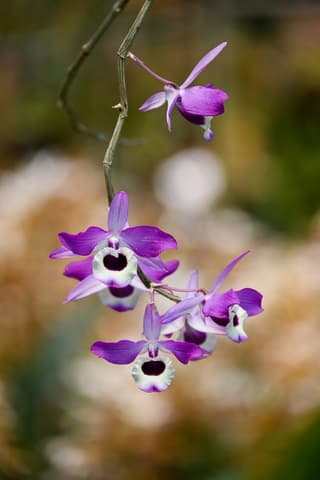
Dendrobium Orchid (genus)
Dendrobium
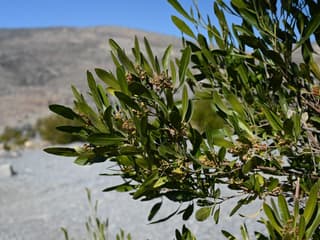
Hop bush
Dodonaea viscosa
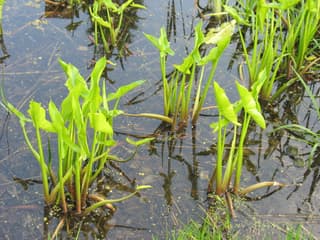
Arrow Arum
Peltandra
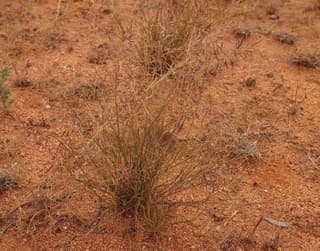
Little lovegrass
Eragrostis minor
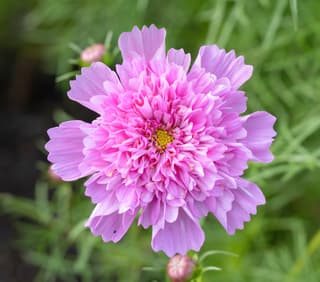
Garden Cosmos
Cosmos
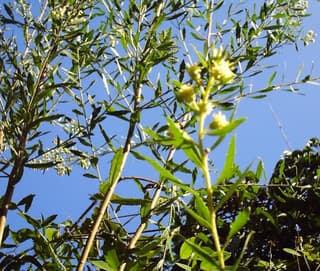
Field Rosemary
Baccharis dracunculifolia
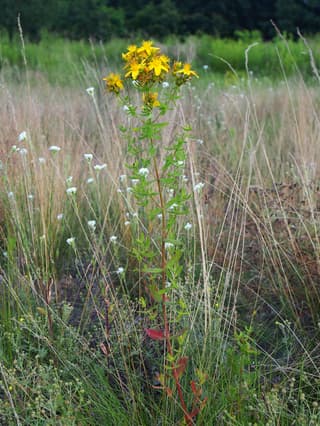
St. John's Wort
Hypericum
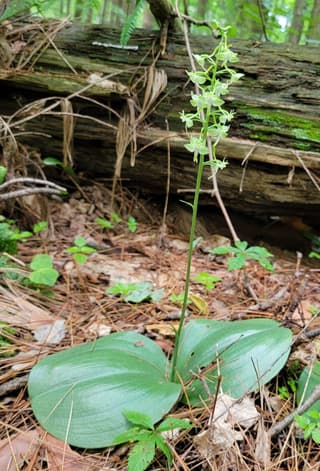
Large Round-leaved Orchid
Platanthera orbiculata
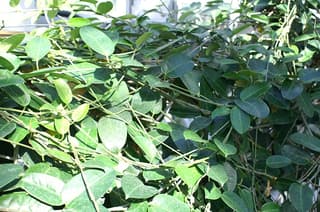
Madagascar Jasmine
Stephanotis floribunda
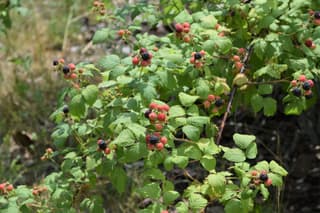
Black Raspberry
Rubus occidentalis
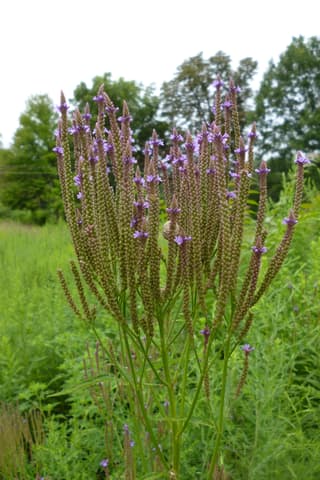
Blue Vervain
Verbena hastata
Headland Climate for Plant Growing
Headland has a climate with an average annual temperature of 20.2°C and average relative humidity of 69.3%. These climate conditions are ideal for various species of ornamental and fruit plants.
Tips for Growing Plants in Headland
To succeed in growing plants in Headland, consider the average temperature of 20.2°C when choosing your species. The temperate climate allows you to grow a wide variety of species. Moderate humidity is ideal for most plants.
Why Choose Plants Adapted to the Local Climate?
Plants adapted to Headland's climate require less care, consume less water, and are more likely to thrive. Our selection considers the compatibility between each species' needs and local climate conditions, including temperature (20.2°C) and humidity (69.3%).