500 Best Plants for Horry County | 2026 Guide - Page 10
Discover the 500 ideal plants for Horry County's climate. Average temp: 18.8°C, Humidity: 75.6%.
Top 500 Plants for Horry County
Showing 325-360 of 500
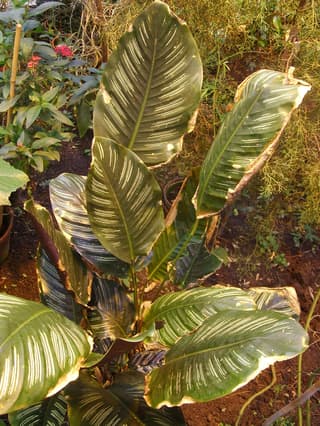
White Star Calathea
Goeppertia majestica
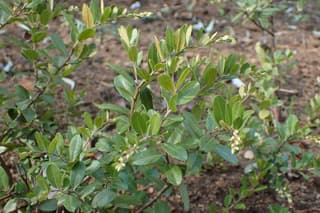
Leatherleaf
Chamaedaphne calyculata
Reindeer lichen
Cladonia rangiferina
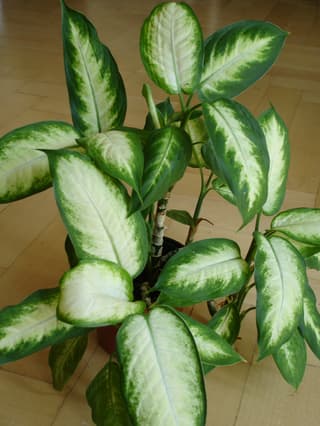
Bowmann Dumb Cane
Dieffenbachia bowmannii
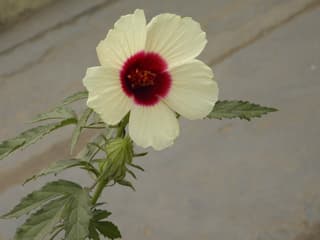
Kenaf
Hibiscus cannabinus
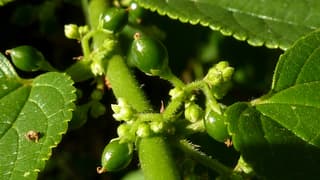
Jamaican Nettle Tree
Trema micrantha
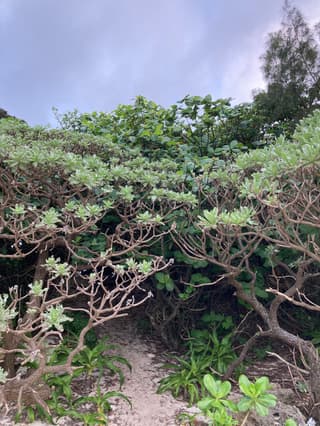
Velvetseed
Guettarda
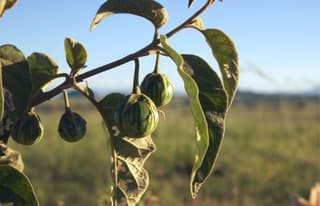
Ethiopian Eggplant
Solanum aethiopicum
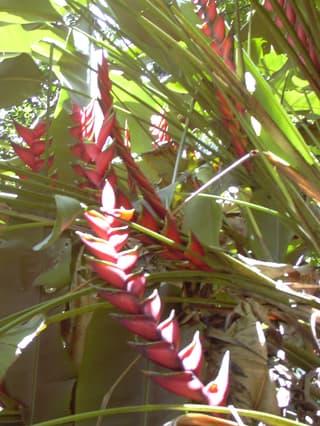
Lobster Claw
Heliconia bihai
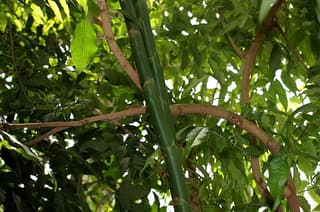
Arabian Spiral Ginger
Costus arabicus
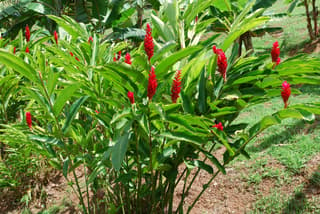
Red Ginger
Alpinia purpurata
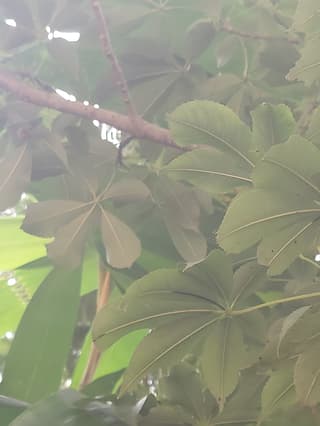
Kapok Tree
Ceiba pentandra
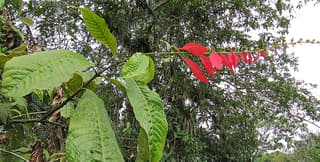
Chaconia
Warszewiczia
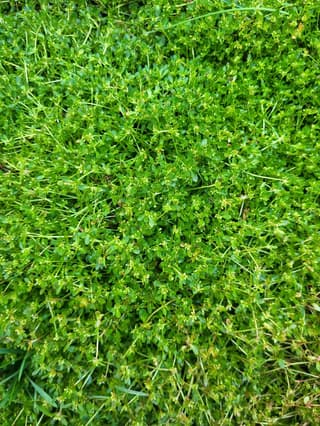
Koenigia (Iceland-Purslane)
Koenigia
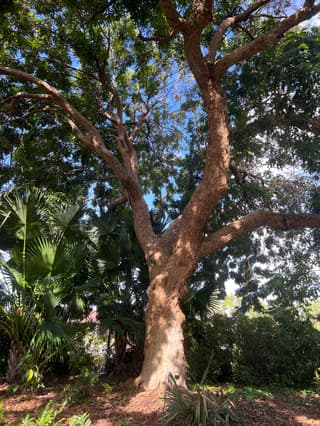
Longan
Dimocarpus longan
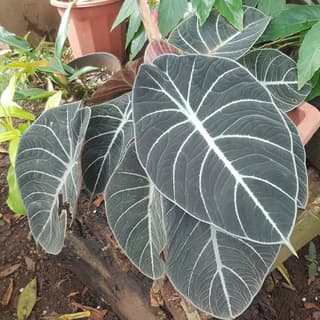
Black Velvet Alocasia
Alocasia reginula
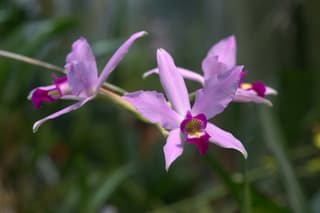
Two-edged Laelia
Laelia anceps
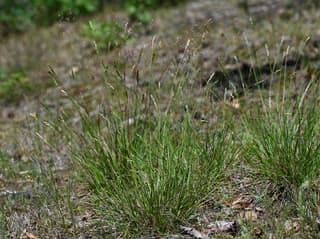
Heath-grass
Danthonia decumbens
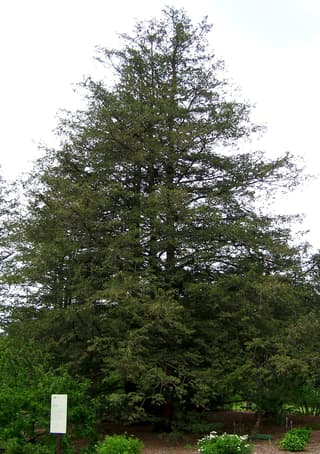
Sawara cypress
Chamaecyparis pisifera
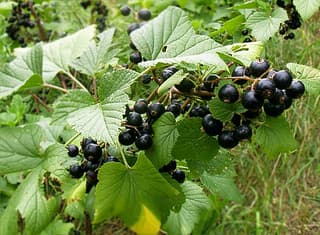
Blackcurrant
Ribes nigrum
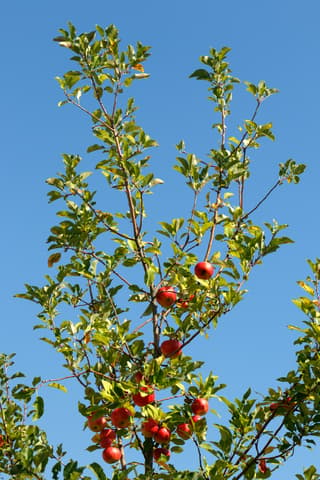
Apple Tree
Malus domestica
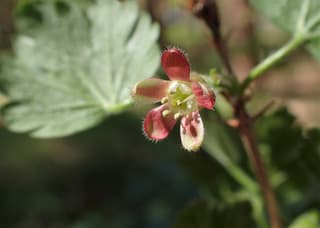
Gooseberry
Ribes uva-crispa
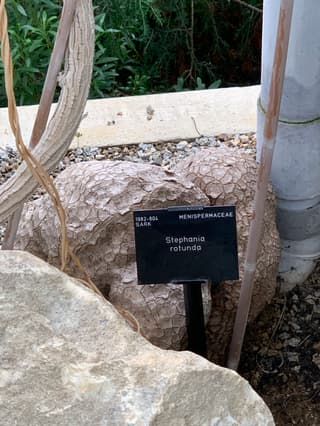
Elephant Foot Plant
Stephania
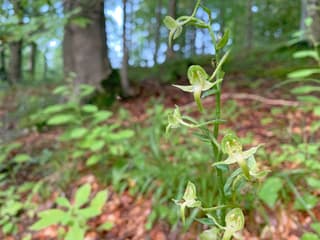
Greater Butterfly-orchid
Platanthera chlorantha
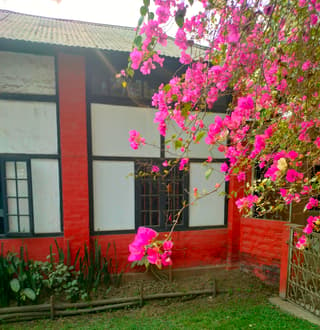
Bougainvillea
Bougainvillea peruviana
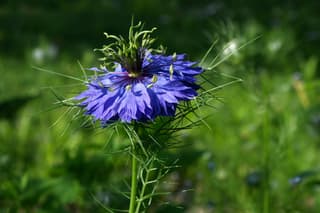
Love-in-a-mist
Nigella damascena
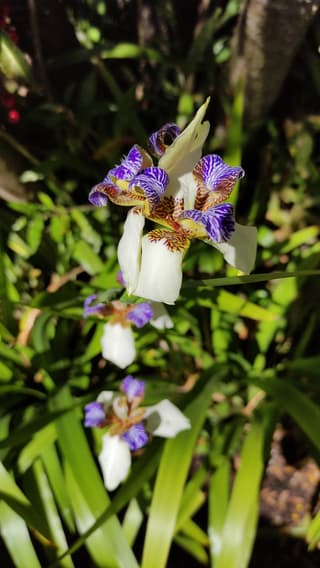
Yellow Walking Iris
Trimezia gracilis
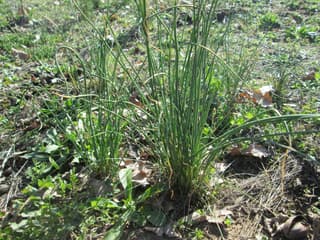
Wild Garlic
Allium vineale
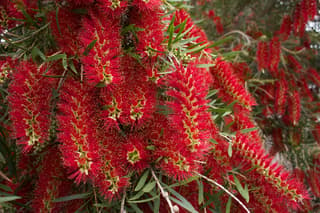
Weeping Bottlebrush
Melaleuca viminalis
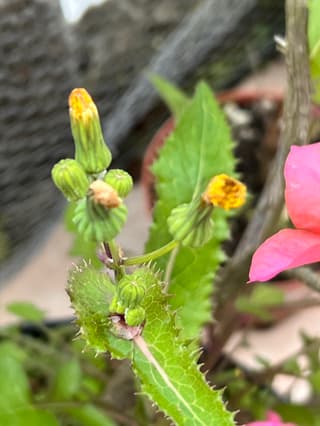
Sow Thistle
Sonchus
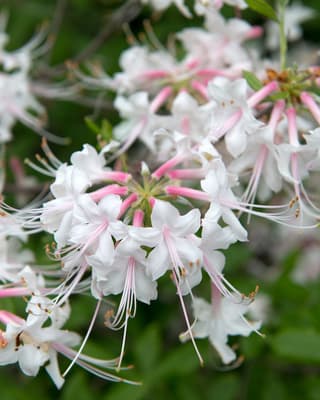
Alabama azalea
Rhododendron alabamense
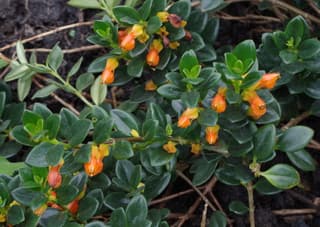
Goldfish Plant
Nematanthus gregarius
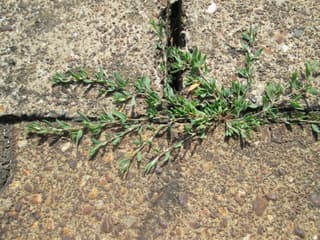
Oval-leaf Knotweed
Polygonum arenastrum
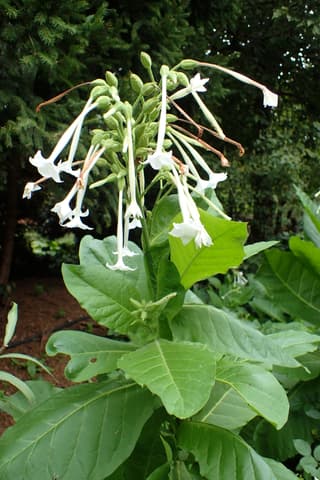
Woodland Tobacco
Nicotiana sylvestris
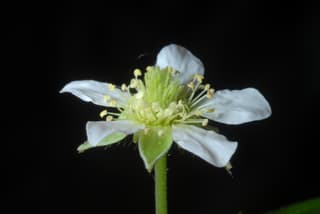
White Avens
Geum canadense
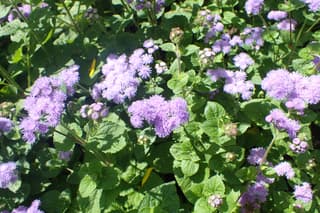
Floss Flower
Ageratum houstonianum
Horry County Climate for Plant Growing
Horry County has a climate with an average annual temperature of 18.8°C and average relative humidity of 75.6%. These climate conditions are ideal for various species of ornamental and fruit plants.
Tips for Growing Plants in Horry County
To succeed in growing plants in Horry County, consider the average temperature of 18.8°C when choosing your species. The temperate climate allows you to grow a wide variety of species. High humidity favors tropical plants, but watch for fungal issues.
Why Choose Plants Adapted to the Local Climate?
Plants adapted to Horry County's climate require less care, consume less water, and are more likely to thrive. Our selection considers the compatibility between each species' needs and local climate conditions, including temperature (18.8°C) and humidity (75.6%).