500 Best Easy Care for Ilha Solteira | 2026 Guide - Page 13
The 500 best easy care to grow in Ilha Solteira. Ideal climate: 25.3°C, 69.3% humidity.
500 Easy Care for Ilha Solteira
Showing 433-468 of 500
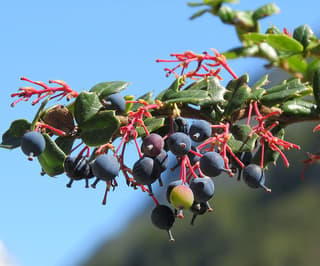
Darwin's barberry
Berberis darwinii
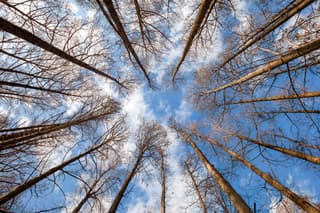
Dawn Redwood
Metasequoia glyptostroboides
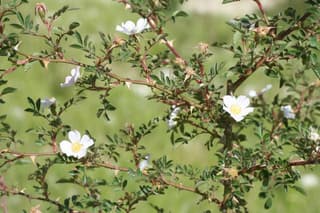
Small-leaved Sweet-briar
Rosa agrestis
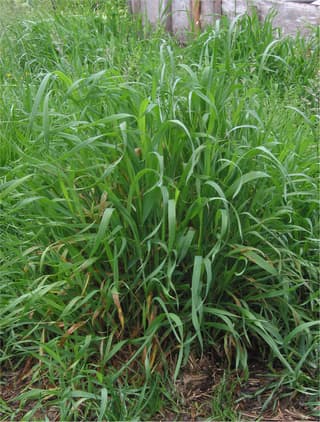
Quackgrass
Elymus repens
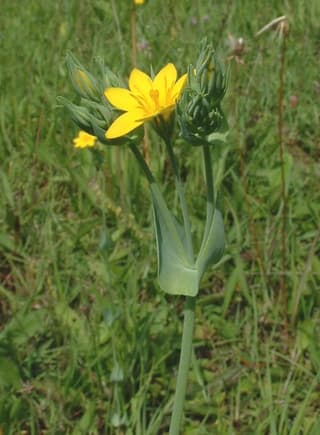
Yellow-wort
Blackstonia perfoliata
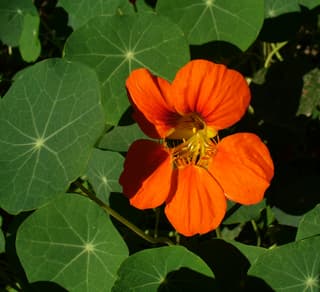
Nasturtium
Tropaeolum
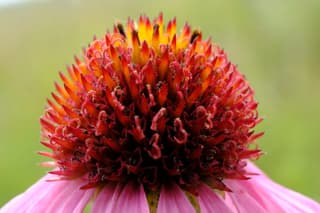
Narrow-leaf Coneflower
Echinacea angustifolia
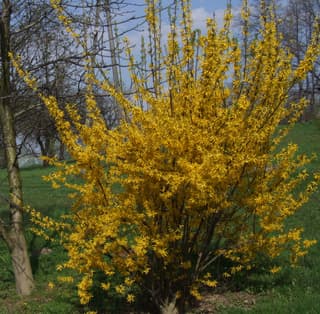
Border Forsythia
Forsythia x intermedia
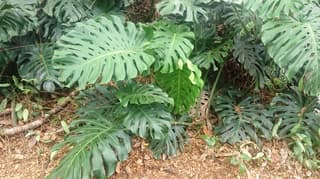
Swiss Cheese Plant
Monstera deliciosa
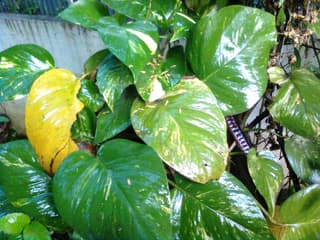
Golden Pothos
Epipremnum aureum
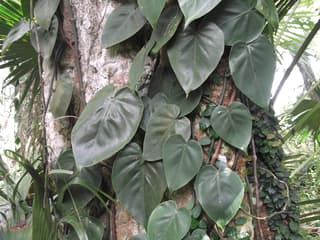
Heartleaf Philodendron
Philodendron hederaceum
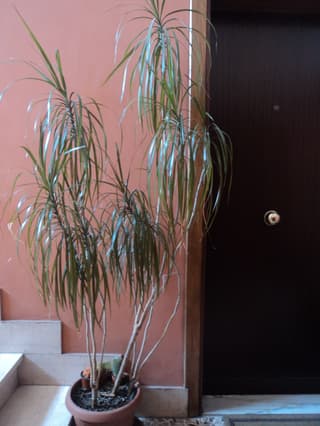
Dragon Tree
Dracaena marginata
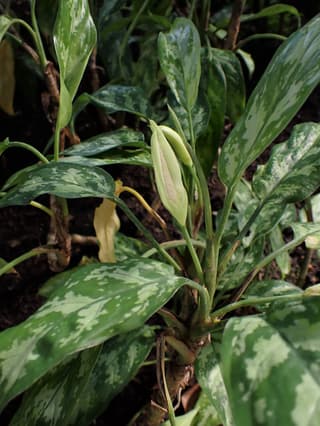
Chinese Evergreen
Aglaonema commutatum
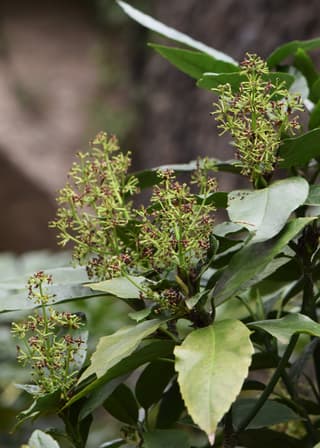
Japanese Laurel / Spotted Laurel (genus)
Aucuba
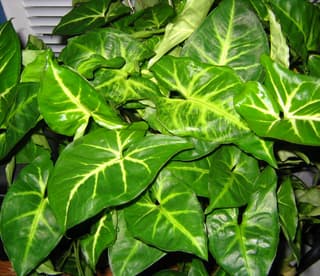
Arrowhead Plant
Syngonium podophyllum
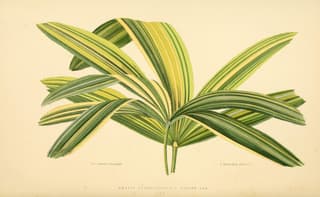
Lady Palm
Rhapis excelsa
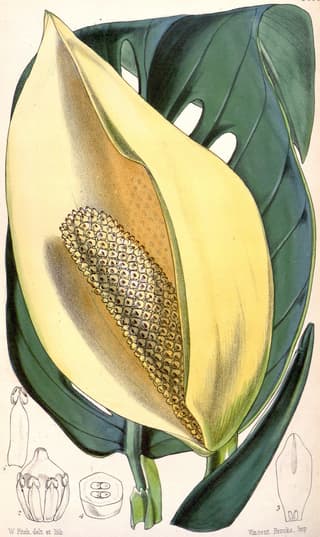
Swiss Cheese Vine
Monstera adansonii
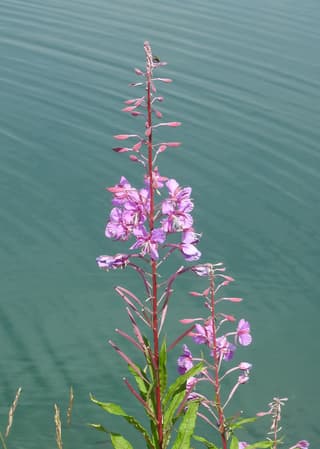
Willowherb / Fireweed (genus)
Epilobium
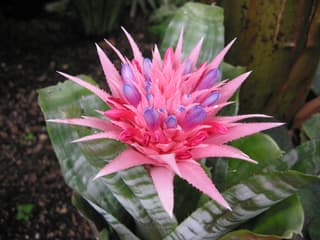
Urn Plant
Aechmea fasciata
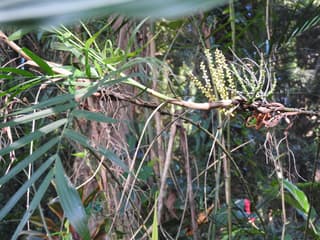
Bamboo Palm
Chamaedorea seifrizii
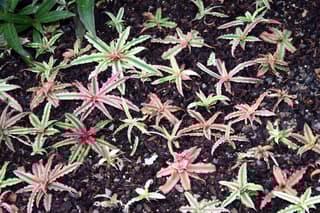
Earth Star
Cryptanthus bivittatus
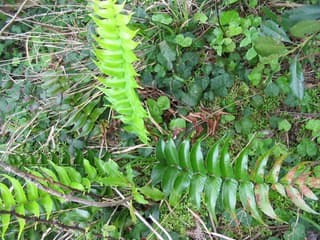
Japanese Holly Fern
Cyrtomium falcatum
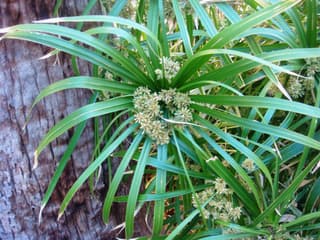
Umbrella Plant
Cyperus involucratus
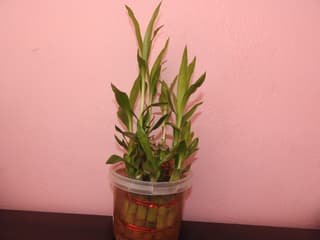
Lucky Bamboo
Dracaena sanderiana
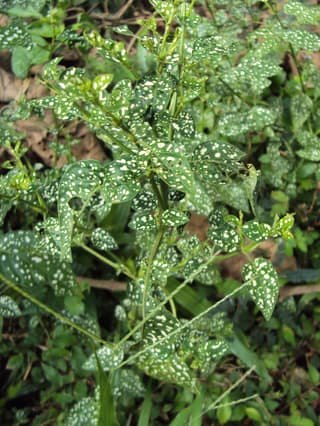
Polka Dot Plant
Hypoestes phyllostachya
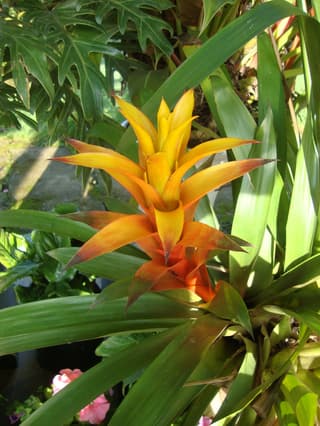
Scarlet Star
Guzmania lingulata
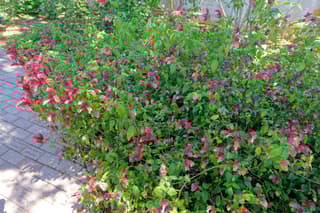
Shrimp Plant
Justicia brandegeeana
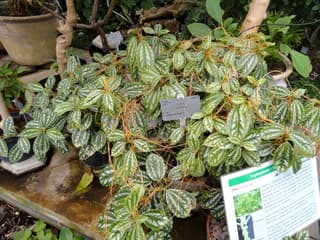
Aluminum Plant
Pilea cadierei
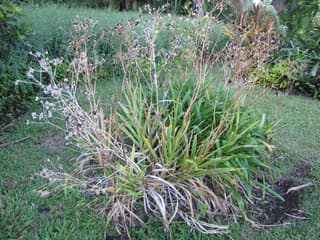
Blackberry Lily
Belamcanda chinensis
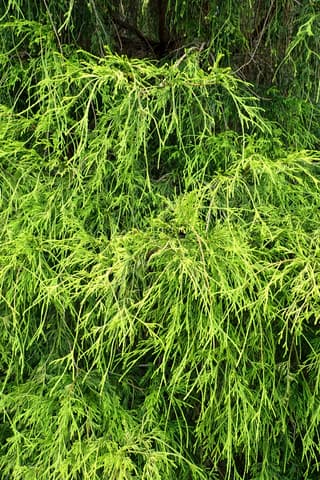
Golden Thread Cypress
Chamaecyparis pisifera filifera aurea
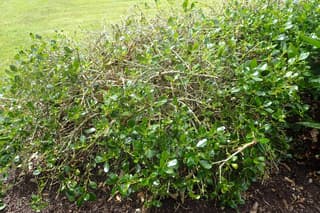
Mirror Plant
Coprosma repens
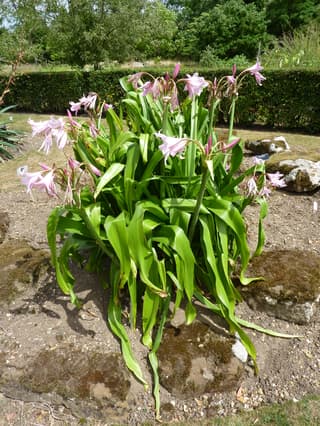
Powell's Crinum Lily
Crinum x powellii
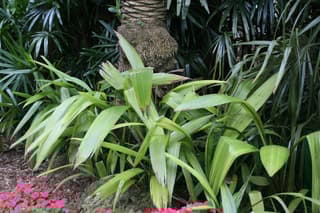
Palm Grass
Curculigo capitulata
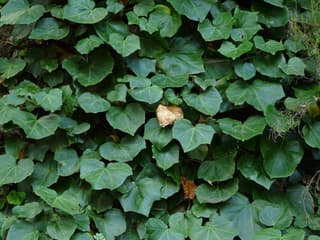
Algerian Ivy
Hedera canariensis
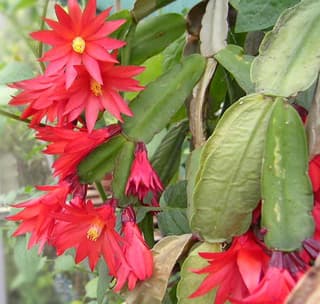
Easter Cactus
Hatiora gaertneri
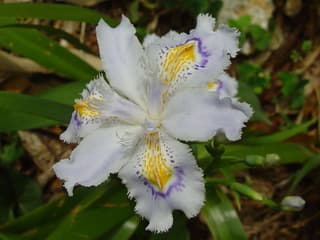
Fringed Iris
Iris japonica
Ideal Easy Care for Ilha Solteira's Climate
Ilha Solteira has an average temperature of 25.3°C and humidity of 69.3%, conditions that directly influence which easy care best adapt to the local environment.
How to Grow Easy Care in Ilha Solteira
To successfully grow easy care in Ilha Solteira, consider that the average temperature of 25.3°C and humidity of 69.3% create a specific microclimate. Moderate humidity is favorable for most species in this category.
Advantages of Choosing Adapted Easy Care
Easy Care adapted to Ilha Solteira's climate show greater resistance, healthy growth, and less need for interventions.