500 Best Easy Care for Malad City | 2026 Guide - Page 9
The 500 best easy care to grow in Malad City. Ideal climate: 8.2°C, 63.4% humidity.
500 Easy Care for Malad City
Showing 289-324 of 500
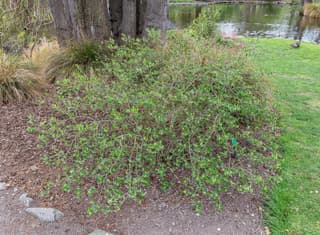
Black chokeberry
Aronia melanocarpa
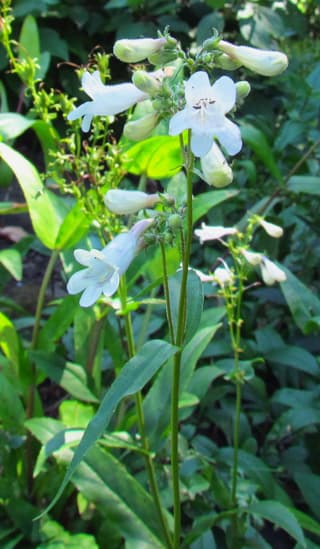
Foxglove Beardtongue
Penstemon digitalis
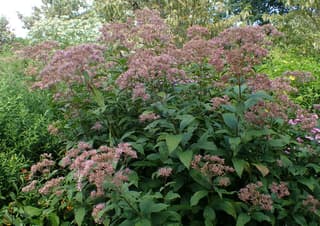
Spotted Joe-Pye Weed
Eutrochium maculatum
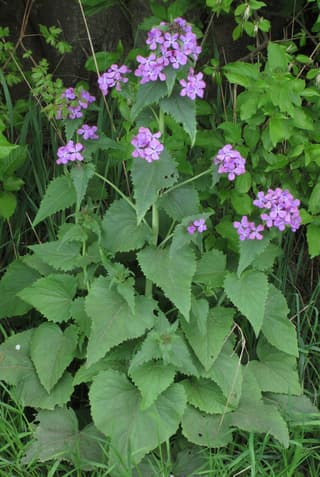
Honesty
Lunaria annua
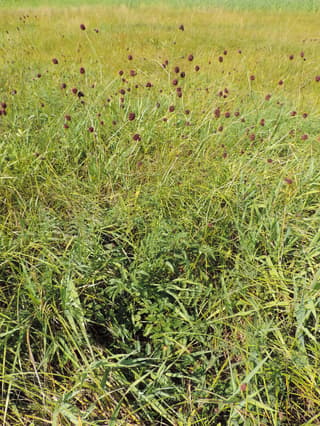
Great burnet
Sanguisorba officinalis
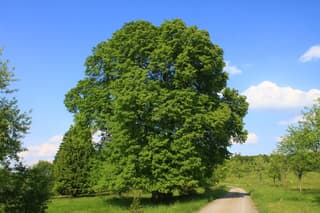
Large-leaved Lime
Tilia platyphyllos
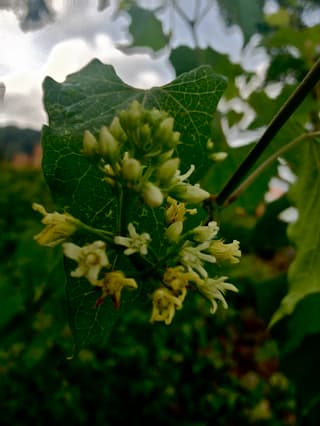
Honeyvine Milkweed
Cynanchum laeve
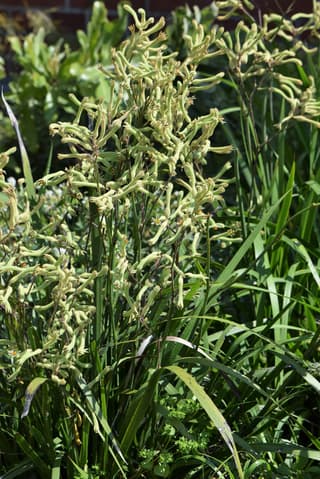
Tall Kangaroo Paw
Anigozanthos flavidus
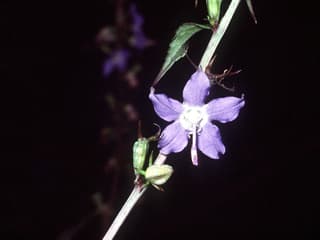
Tall Bellflower
Campanulastrum americanum
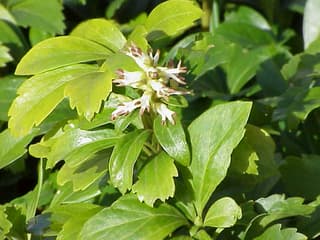
Japanese spurge
Pachysandra terminalis
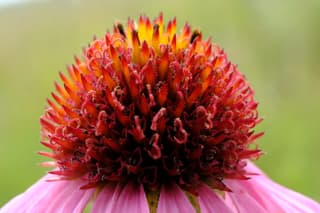
Narrow-leaf Coneflower
Echinacea angustifolia
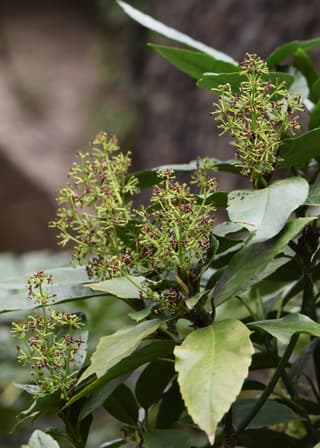
Japanese Laurel / Spotted Laurel (genus)
Aucuba
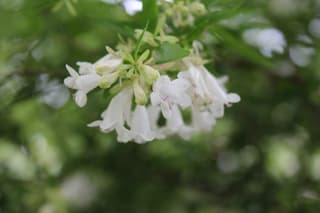
Glossy Abelia
Abelia x grandiflora
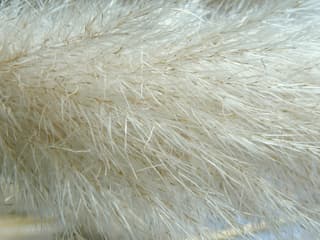
Pampas Grass
Cortaderia selloana
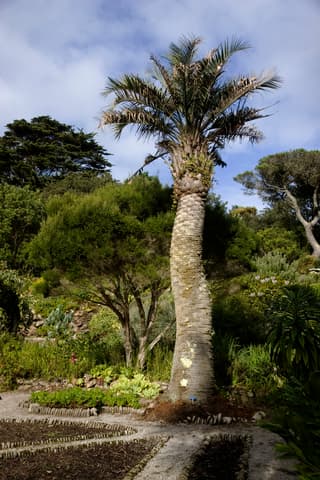
Pindo Palm
Butia capitata
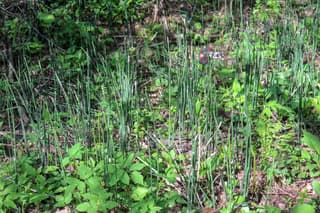
Horsetail
Equisetum spp
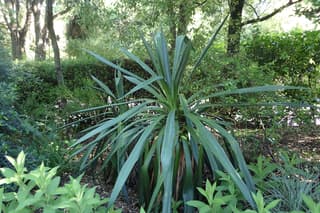
Mauritius Hemp
Furcraea foetida
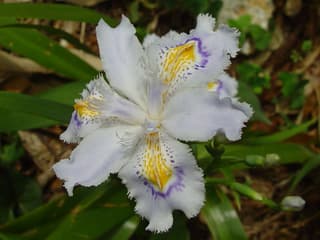
Fringed Iris
Iris japonica
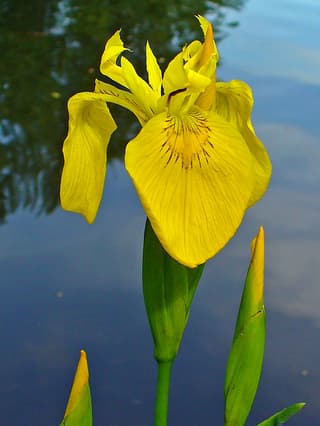
Yellow Flag Iris
Iris pseudacorus
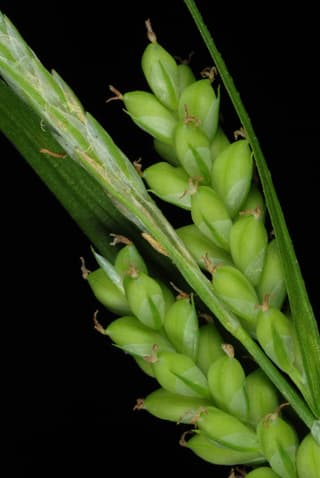
Eastern Woodland Sedge
Carex blanda
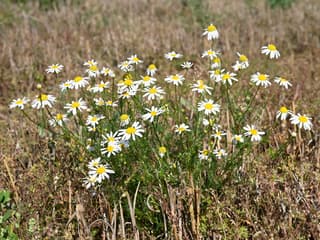
Scentless Chamomile
Tripleurospermum inodorum
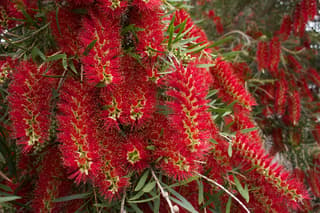
Weeping Bottlebrush
Melaleuca viminalis
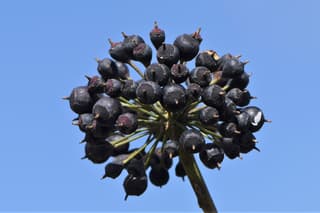
Atlantic Ivy
Hedera hibernica
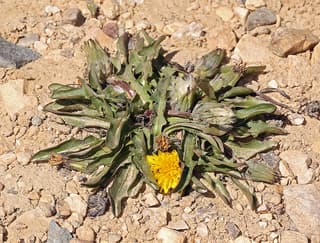
Horned Dandelion
Taraxacum ceratophorum
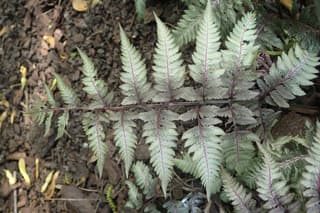
Japanese Painted Fern
Athyrium niponicum
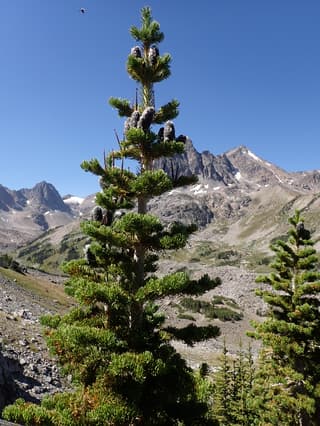
Subalpine Fir
Abies lasiocarpa
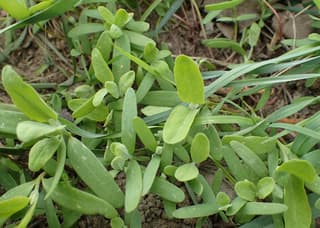
Common Orache
Atriplex patula
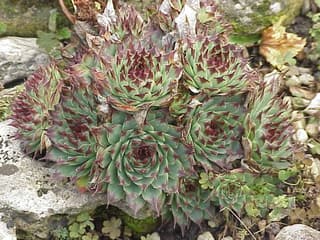
Limestone Houseleek
Sempervivum calcareum
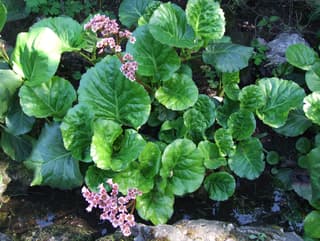
Heart-leaved Bergenia
Bergenia crassifolia
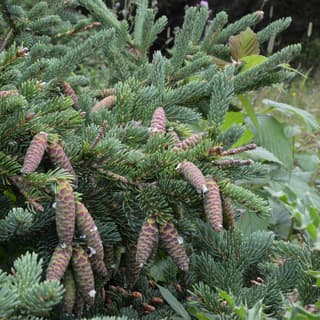
White Spruce
Picea laxa
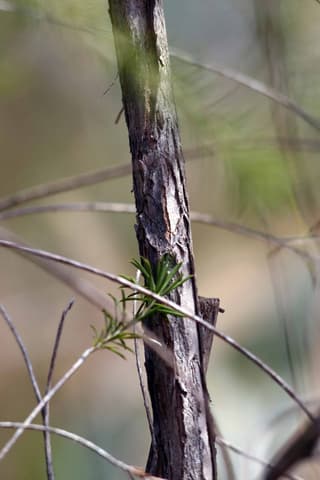
Bracelet Honey Myrtle
Melaleuca armillaris
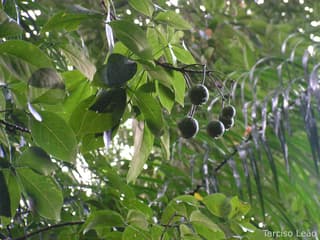
Garlic Pear
Crateva tapia
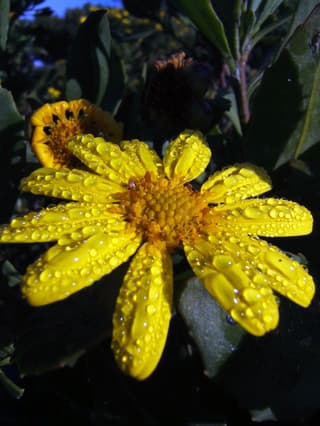
Bietou
Osteospermum moniliferum
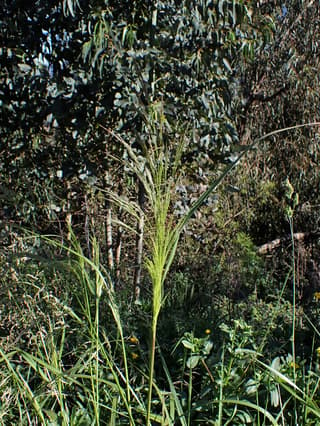
Johnson grass
Sorghum halepense
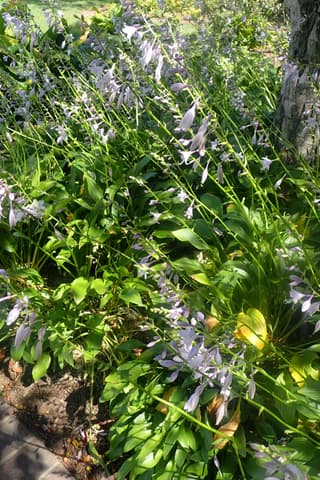
Narrow-leaved Plantain Lily
Hosta lancifolia
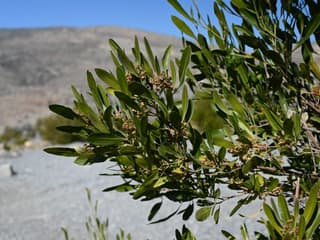
Hop bush
Dodonaea viscosa
Ideal Easy Care for Malad City's Climate
Malad City has an average temperature of 8.2°C and humidity of 63.4%, conditions that directly influence which easy care best adapt to the local environment.
How to Grow Easy Care in Malad City
To successfully grow easy care in Malad City, consider that the average temperature of 8.2°C and humidity of 63.4% create a specific microclimate. Moderate humidity is favorable for most species in this category.
Advantages of Choosing Adapted Easy Care
Easy Care adapted to Malad City's climate show greater resistance, healthy growth, and less need for interventions.