500 Best Plants for Municipio de Puerto Madryn | 2026 Guide - Page 6
Discover the 500 ideal plants for Municipio de Puerto Madryn's climate. Average temp: 14.2°C, Humidity: 51.3%.
Top 500 Plants for Municipio de Puerto Madryn
Showing 181-216 of 500
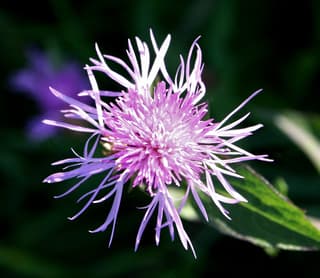
Tyrol Knapweed
Centaurea nigrescens
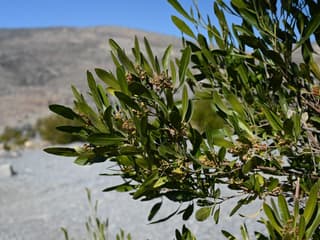
Hop bush
Dodonaea viscosa
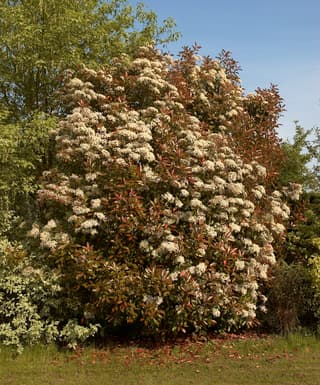
Red Tip Photinia
Photinia × fraseri
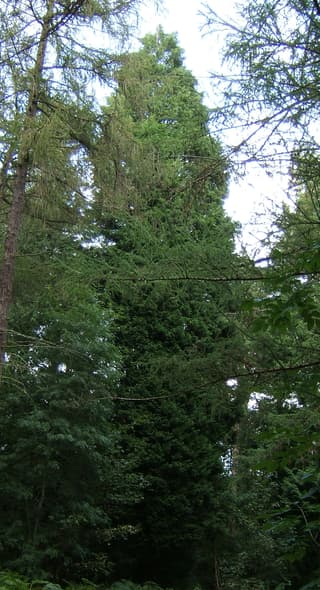
Leyland Cypress
× Hesperotropsis leylandii
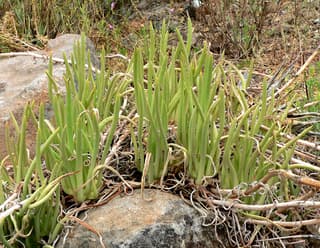
Fingertips
Dudleya edulis
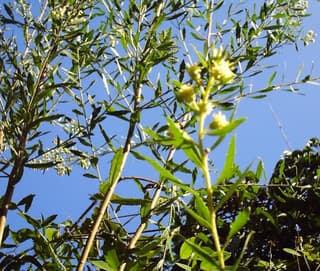
Field Rosemary
Baccharis dracunculifolia
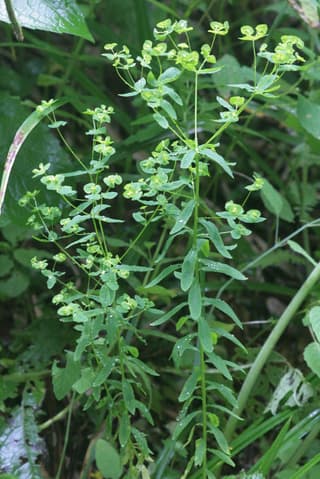
Upright Spurge
Euphorbia stricta
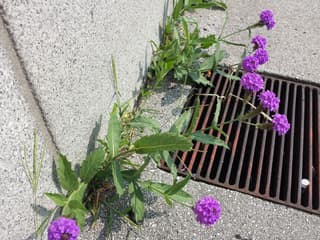
Slender Vervain
Verbena rigida
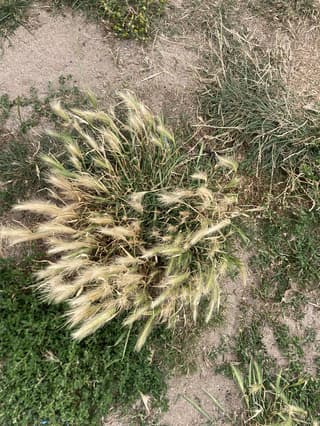
Wall barley
Hordeum murinum
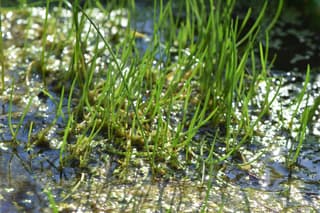
Shoreweed
Littorella uniflora
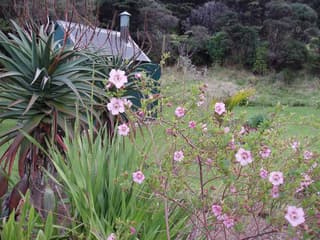
Cape Mallow
Anisodontea capensis
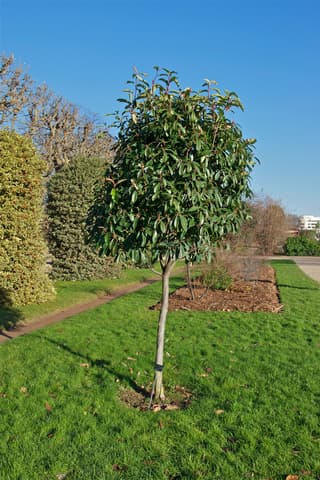
Chinese Photinia
Photinia serratifolia
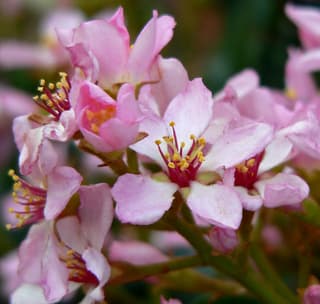
Indian Hawthorn
Rhaphiolepis
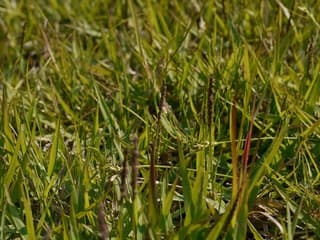
Zoysia Grass
Zoysia japonica

Azalea
Rhododendron simsii

Field Maple
Acer campestre

Peruvian peppertree
Schinus molle
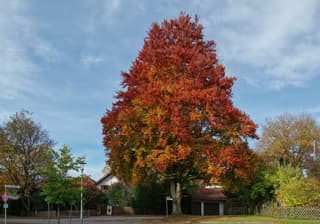
European Beech
Fagus sylvatica
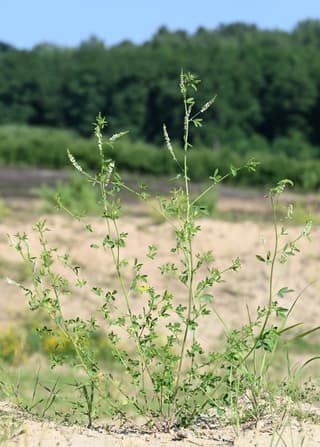
White sweet clover
Melilotus albus
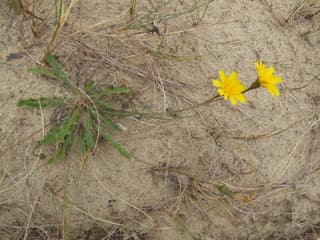
Lesser Hawkbit
Leontodon saxatilis
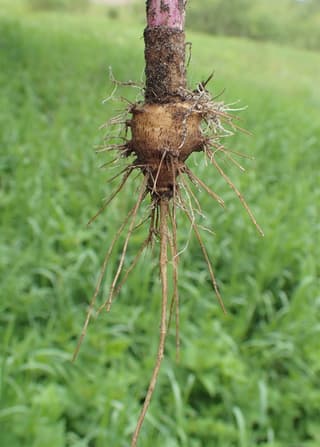
Bulbous Chervil
Chaerophyllum
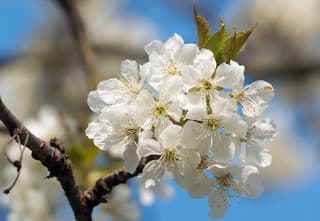
Sour Cherry
Prunus cerasus
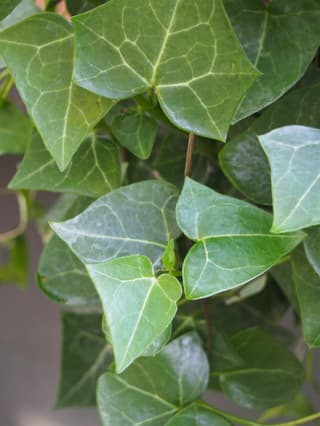
Cape Ivy
Senecio macroglossus
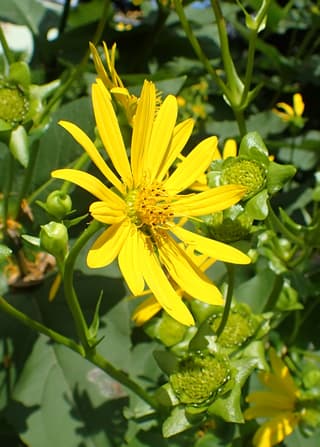
Silphium
Silphium
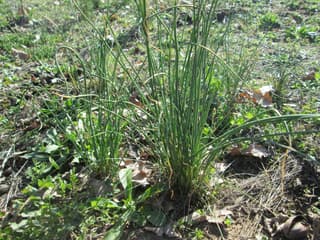
Wild Garlic
Allium vineale
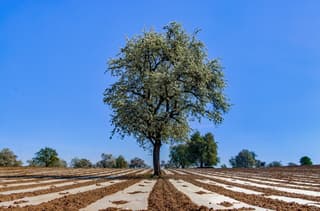
Pear
Pyrus
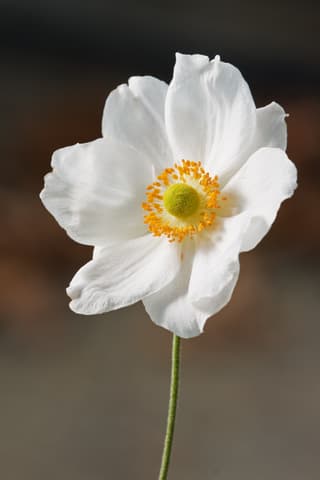
Japanese Anemone
Eriocapitella hupehensis
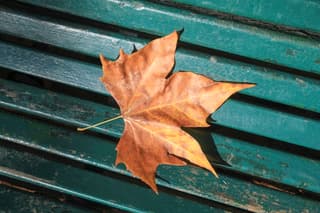
London plane
Platanus × hispanica
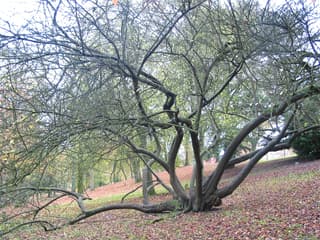
Cherry Plum
Prunus cerasifera
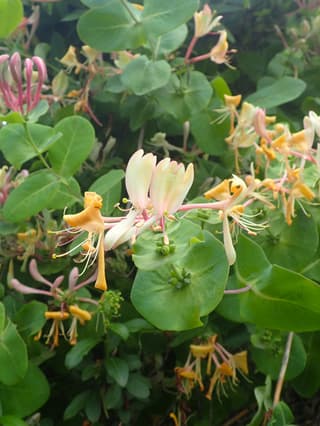
Italian Honeysuckle
Lonicera caprifolium
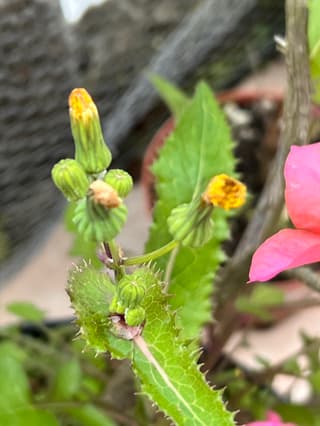
Sow Thistle
Sonchus
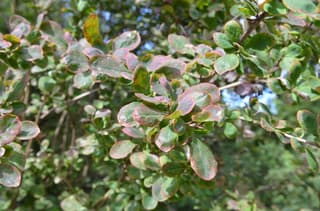
Ottawa Barberry
Berberis × ottawensis
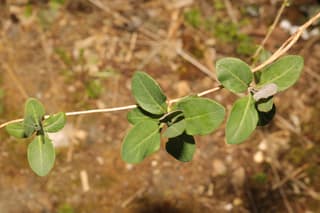
Honeysuckle
Lonicera
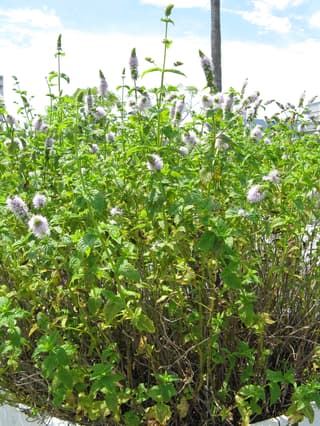
Spearmint
Mentha spicata
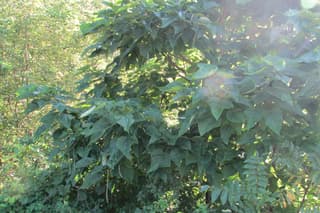
Northern Catalpa
Catalpa speciosa
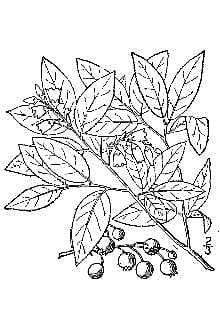
Hillside Blueberry
Vaccinium pallidum
Municipio de Puerto Madryn Climate for Plant Growing
Municipio de Puerto Madryn has a climate with an average annual temperature of 14.2°C and average relative humidity of 51.3%. These climate conditions are ideal for various species of ornamental and fruit plants.
Tips for Growing Plants in Municipio de Puerto Madryn
To succeed in growing plants in Municipio de Puerto Madryn, consider the average temperature of 14.2°C when choosing your species. Protect cold-sensitive plants during winter. Moderate humidity is ideal for most plants.
Why Choose Plants Adapted to the Local Climate?
Plants adapted to Municipio de Puerto Madryn's climate require less care, consume less water, and are more likely to thrive. Our selection considers the compatibility between each species' needs and local climate conditions, including temperature (14.2°C) and humidity (51.3%).