500 Best Plants for Nova Prata do Iguaçu | 2026 Guide - Page 8
Discover the 500 ideal plants for Nova Prata do Iguaçu's climate. Average temp: 21.5°C, Humidity: 77.9%.
Top 500 Plants for Nova Prata do Iguaçu
Showing 253-288 of 500
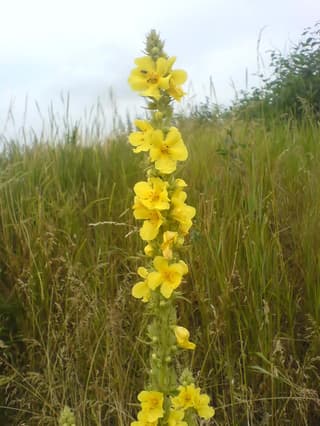
Denseflower Mullein
Verbascum densiflorum
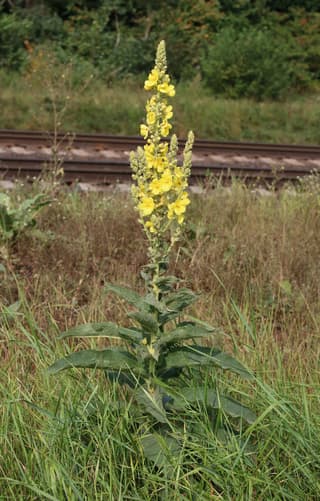
Orange Mullein
Verbascum phlomoides
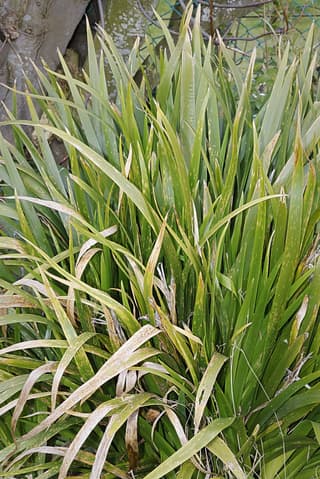
Stinking Iris
Iris foetidissima
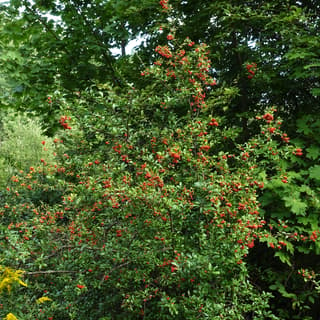
Scarlet Firethorn
Pyracantha coccinea
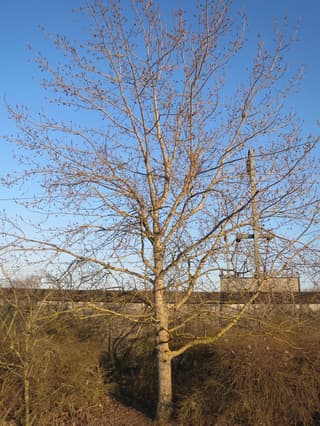
Poplar
Populus
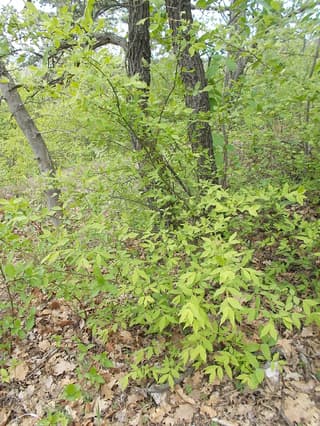
Common Dogwood
Cornus sanguinea
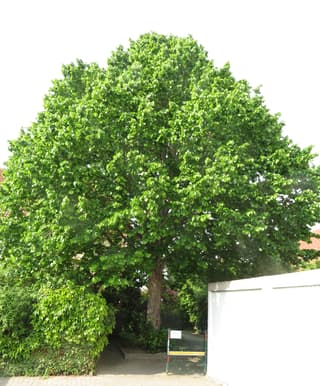
Common Hazel
Corylus avellana
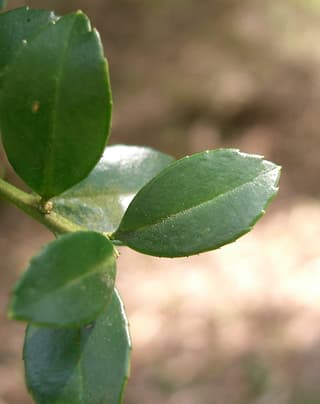
Japanese Holly 'Helleri'
Ilex crenata 'Helleri'
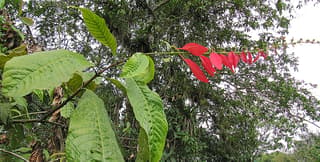
Chaconia
Warszewiczia
Marasmius oreades
Marasmius oreades
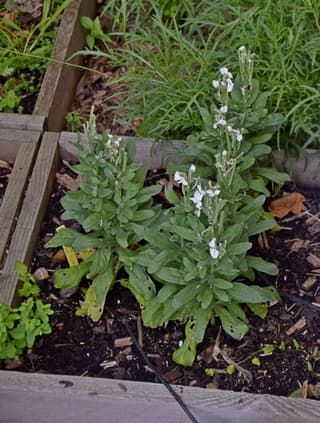
Stock
Matthiola
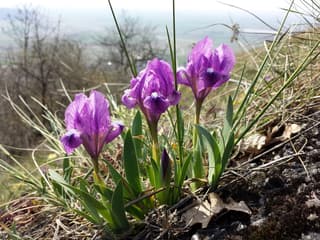
Dwarf Bearded Iris
Iris pumila
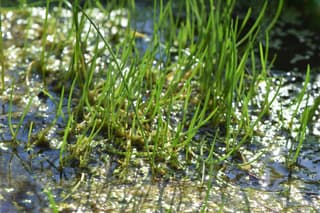
Shoreweed
Littorella uniflora
Common Stinkhorn
Phallus impudicus
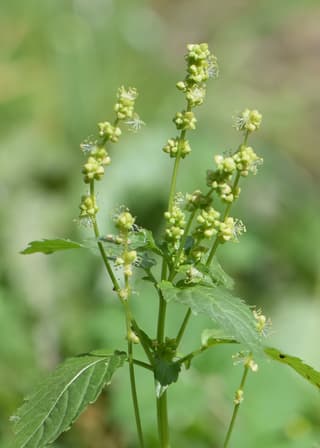
Annual mercury
Mercurialis annua

Silver Birch
Betula pendula
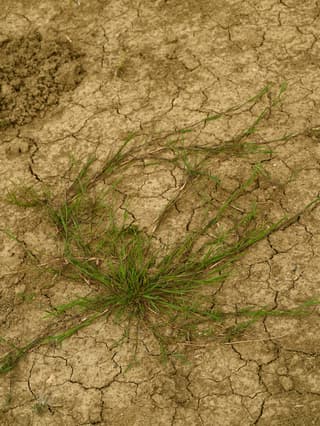
Creeping bentgrass
Agrostis stolonifera
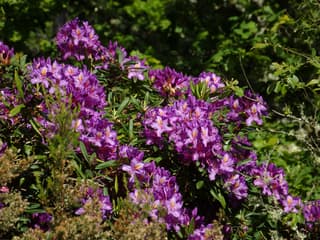
Common Rhododendron
Rhododendron ponticum
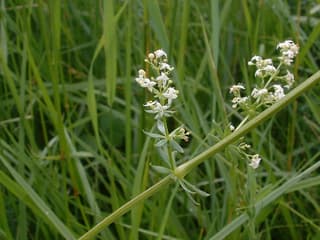
Hedge Bedstraw
Galium mollugo
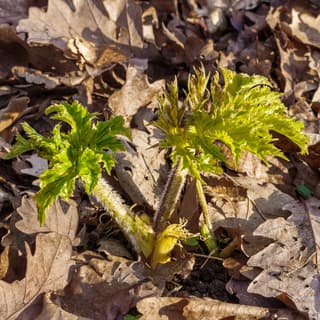
Common Hogweed
Heracleum
Larch bolete
Suillus grevillei
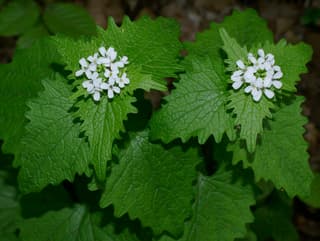
Garlic Mustard
Alliaria petiolata
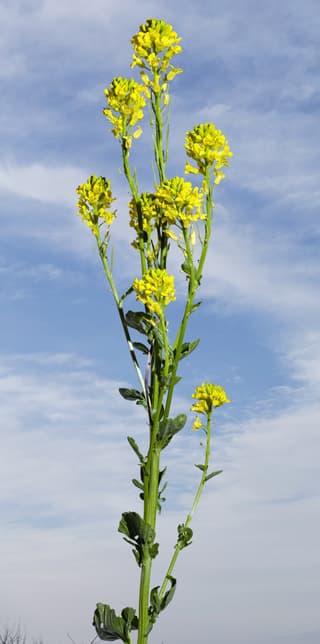
Wintercress
Barbarea vulgaris
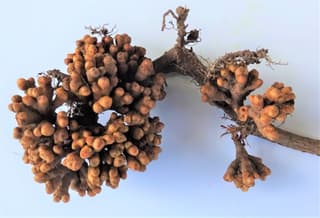
Alder
Alnus
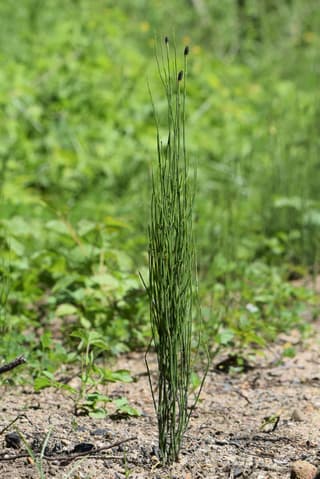
Marsh Horsetail
Equisetum palustre
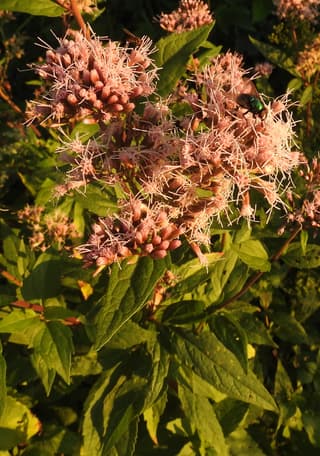
Boneset
Eupatorium

Laurel Clockvine
Thunbergia laurifolia
Turtle grass
Thalassia testudinum
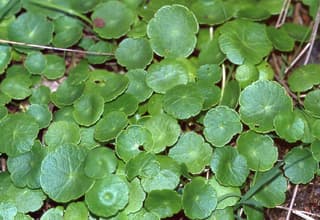
Marsh pennywort
Hydrocotyle vulgaris
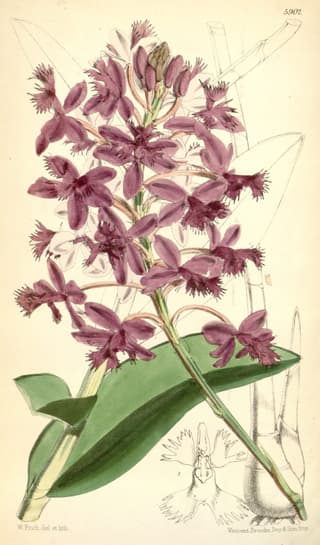
Jamieson's Epidendrum
Epidendrum jamiesonis
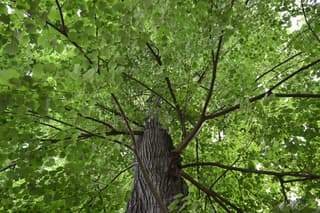
Silver Linden
Tilia tomentosa
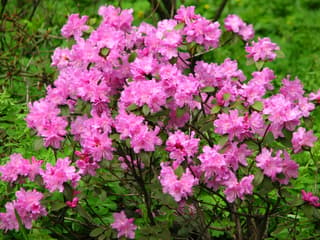
Rhododendron
Rhododendron
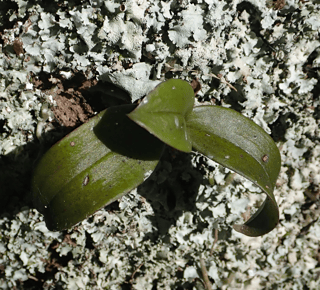
Green Fleshy Tree Orchid
Drymoanthus adversus
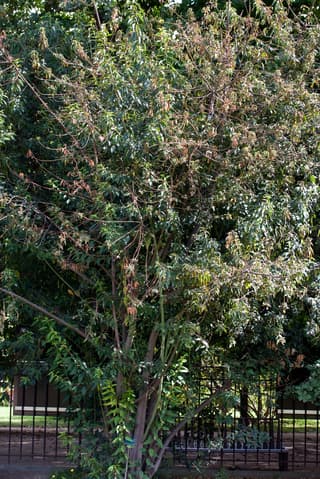
Maqui berry
Aristotelia chilensis
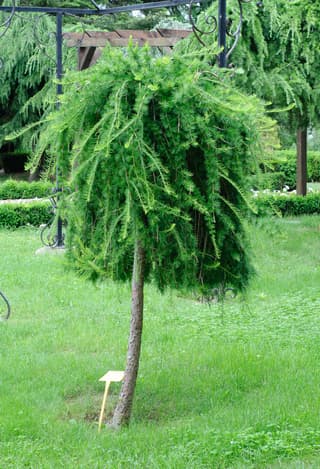
European Larch
Larix decidua
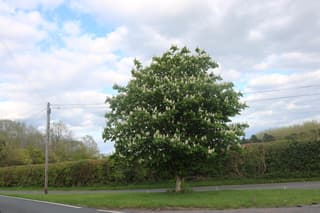
Horse Chestnut
Aesculus hippocastanum
Nova Prata do Iguaçu Climate for Plant Growing
Nova Prata do Iguaçu has a climate with an average annual temperature of 21.5°C and average relative humidity of 77.9%. These climate conditions are ideal for various species of ornamental and fruit plants.
Tips for Growing Plants in Nova Prata do Iguaçu
To succeed in growing plants in Nova Prata do Iguaçu, consider the average temperature of 21.5°C when choosing your species. The temperate climate allows you to grow a wide variety of species. High humidity favors tropical plants, but watch for fungal issues.
Why Choose Plants Adapted to the Local Climate?
Plants adapted to Nova Prata do Iguaçu's climate require less care, consume less water, and are more likely to thrive. Our selection considers the compatibility between each species' needs and local climate conditions, including temperature (21.5°C) and humidity (77.9%).