Bloom
🌿

500 Best Pet Safe for Orange | 2026 Guide - Page 10

The 500 best pet safe to grow in Orange. Ideal climate: 17°C, 65% humidity.

🌡️ 17°C
💧 65%

500 Pet Safe for Orange

Showing 325-360 of 500
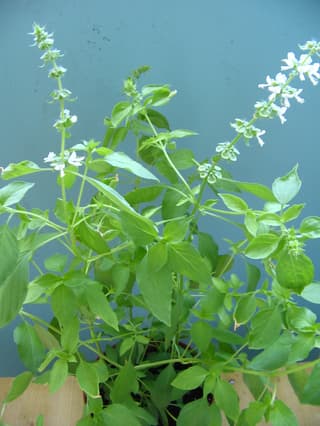
Lemon Basil
325
★ 97%

Lemon Basil

Ocimum × citriodorum

Easy 💧 3 days 🌡️ 10°C - 35°C
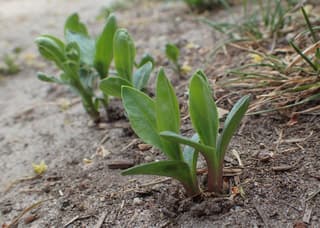
Soapwort
326
★ 97%

Soapwort

Saponaria officinalis

Easy 💧 7 days 🌡️ -20°C - 35°C
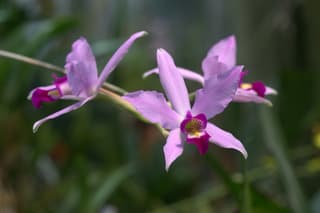
Two-edged Laelia
327
★ 97%

Two-edged Laelia

Laelia anceps

Easy 💧 7 days 🌡️ 10°C - 32°C
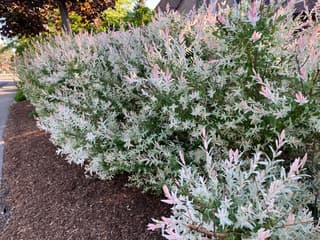
Dappled Willow 'Hakuro Nishiki'
328
★ 97%

Dappled Willow 'Hakuro Nishiki'

Salix integra 'Hakuro Nishiki'
Medium 💧 3 days 🌡️ -20°C - 35°C
Wild Angelica
329
★ 97%

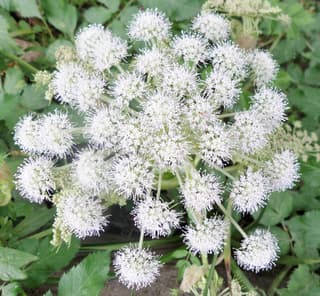
Wild Angelica

Angelica sylvestris

Medium 💧 7 days 🌡️ -20°C - 35°C
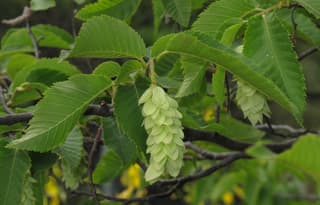
European hop-hornbeam
330
★ 97%

European hop-hornbeam

Ostrya carpinifolia
Easy 💧 14 days 🌡️ -20°C - 35°C
Broadleaf Plantain
331
★ 97%

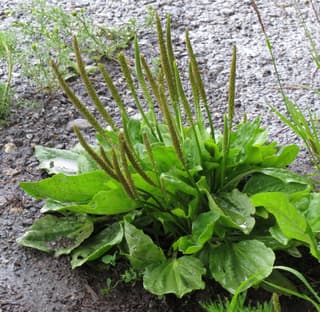
Broadleaf Plantain

Plantago major

Easy 💧 7 days 🌡️ -28°C - 35°C
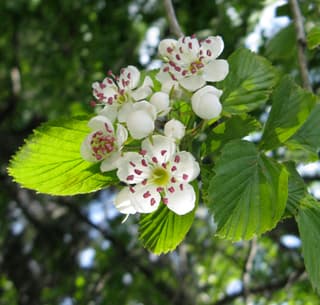
Dotted Hawthorn
332
★ 97%

Dotted Hawthorn

Crataegus punctata

Easy 💧 10 days 🌡️ -29°C - 35°C
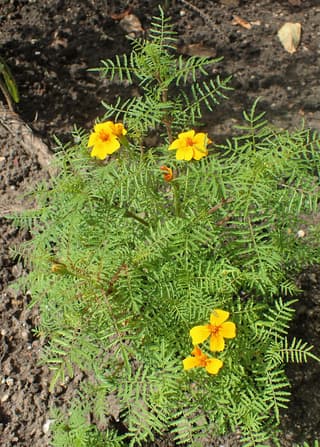
Signet Marigold
333
★ 97%

Signet Marigold

Tagetes tenuifolia

Easy 💧 3 days 🌡️ 10°C - 35°C
Japanese Spiraea
334
★ 97%

Japanese Spiraea

Spiraea japonica

Easy 💧 7 days 🌡️ -25°C - 35°C
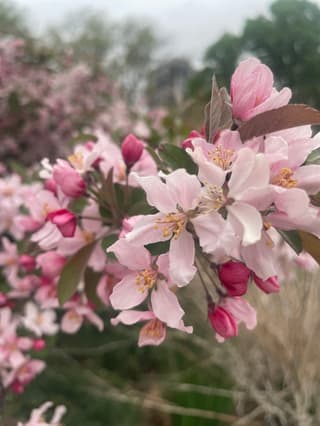
Japanese Flowering Crabapple
335
★ 97%

Japanese Flowering Crabapple

Malus × floribunda
Medium 💧 7 days 🌡️ -30°C - 35°C
Serviceberry
336
★ 97%

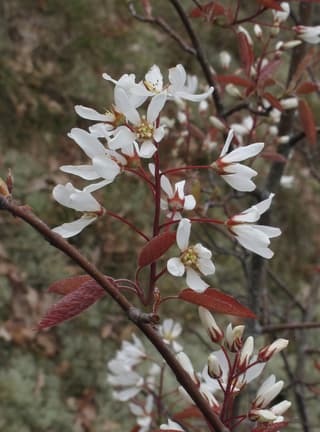
Serviceberry

Amelanchier

Easy 💧 7 days 🌡️ -30°C - 35°C
Sycamore Maple
337
★ 97%

Sycamore Maple

Acer pseudoplatanus

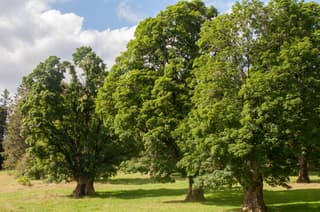
Easy 💧 14 days 🌡️ -30°C - 35°C
Mauve Nemesia
338
★ 97%

Mauve Nemesia

Nemesia fruticans

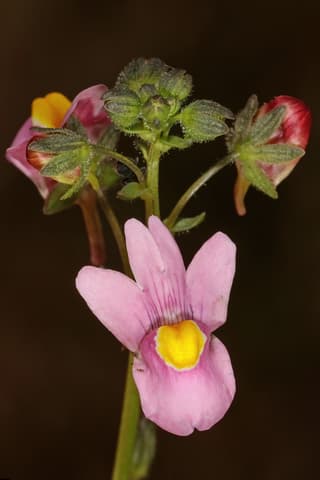
Easy 💧 4 days 🌡️ 5°C - 22°C
Senegal Date Palm
339
★ 97%

Senegal Date Palm

Phoenix reclinata

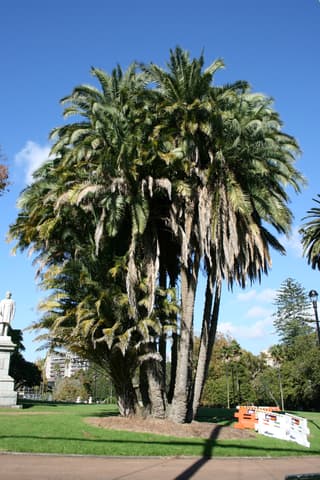
Medium 💧 7 days 🌡️ 10°C - 35°C
Giant Sequoia
340
★ 97%

Giant Sequoia

Sequoiadendron giganteum
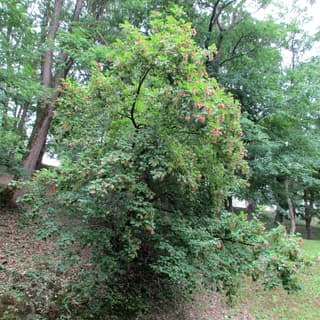
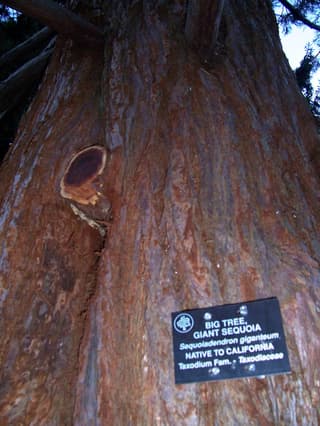
Medium 💧 30 days 🌡️ -20°C - 35°C
Tatarian Maple
341
★ 97%

Tatarian Maple

Acer tataricum

Easy 💧 7 days 🌡️ -30°C - 35°C
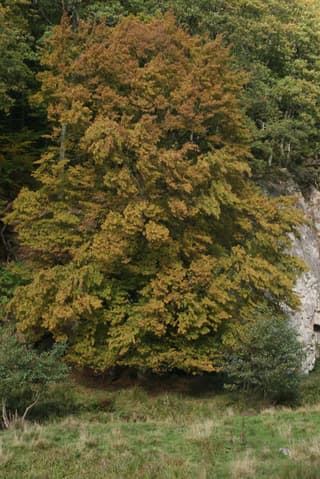
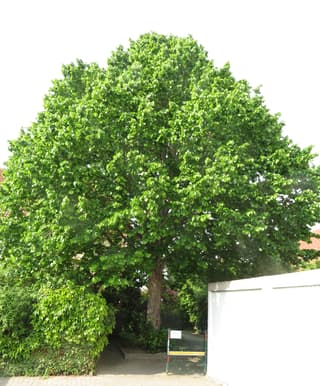
European Hornbeam
342
★ 97%

European Hornbeam

Carpinus betulus

Easy 💧 7 days 🌡️ -25°C - 35°C
Field Bindweed
343
★ 97%

Field Bindweed

Convolvulus arvensis

Easy 💧 14 days 🌡️ 10°C - 35°C
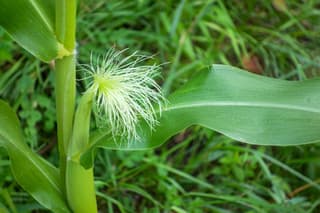
Corn / Maize
344
★ 97%

Corn / Maize

Zea

Medium 💧 3 days 🌡️ 10°C - 35°C
Japanese Barberry
345
★ 97%

Japanese Barberry

Berberis thunbergii
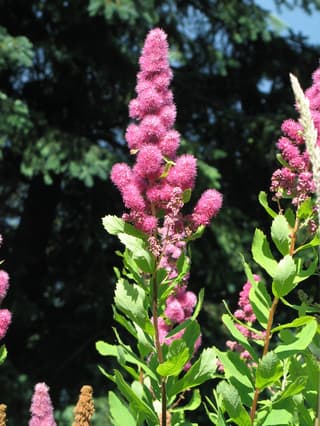
Easy 💧 7 days 🌡️ -25°C - 35°C
Douglas Spirea
346
★ 97%

Douglas Spirea

Spiraea douglasii

Easy 💧 3 days 🌡️ -10°C - 29°C
Chocolate Vine
347
★ 97%

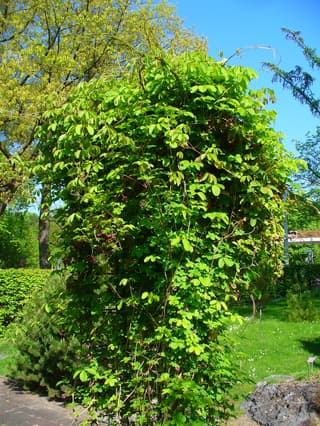
Chocolate Vine

Akebia quinata

Easy 💧 7 days 🌡️ -29°C - 35°C
Denseflower Mullein
348
★ 97%

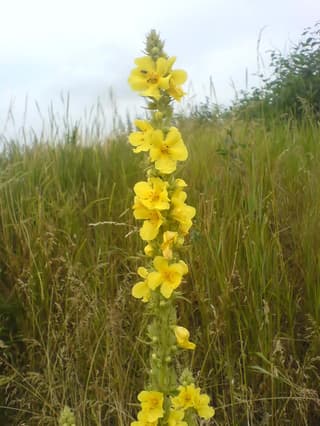
Denseflower Mullein

Verbascum densiflorum
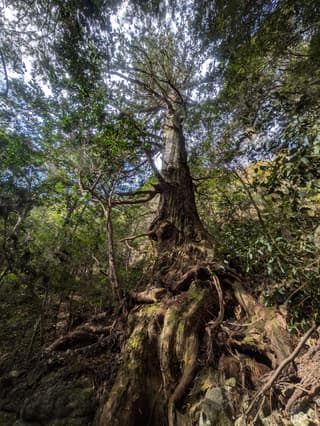
Easy 💧 14 days 🌡️ -20°C - 35°C
Japanese Cedar
349
★ 97%

Japanese Cedar

Cryptomeria japonica

Medium 💧 7 days 🌡️ -20°C - 35°C
Loosestrife
350
★ 97%

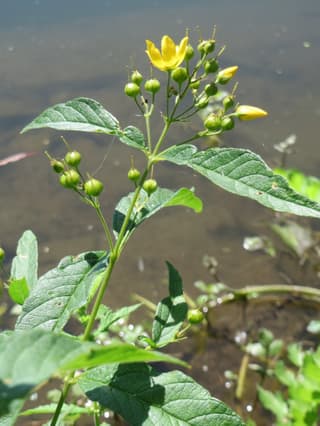
Loosestrife

Lysimachia

Easy 💧 4 days 🌡️ -10°C - 30°C
Orange Mullein
351
★ 97%

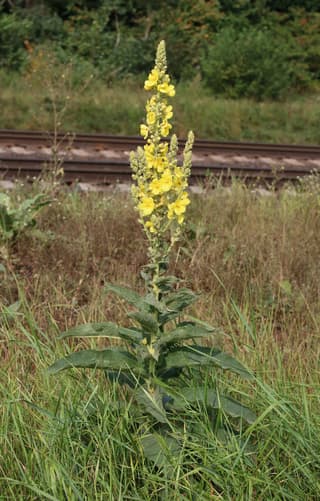
Orange Mullein

Verbascum phlomoides

Easy 💧 14 days 🌡️ -23°C - 35°C
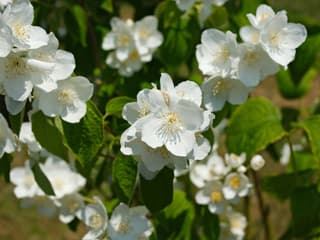
Scentless Mock Orange
352
★ 97%

Scentless Mock Orange

Philadelphus inodorus
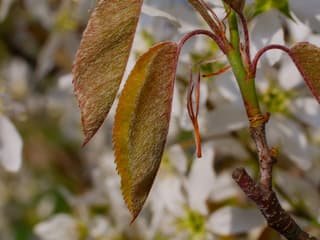
Easy 💧 7 days 🌡️ -30°C - 35°C
Juneberry
353
★ 97%

Juneberry

Amelanchier × lamarckii

Easy 💧 7 days 🌡️ -30°C - 35°C
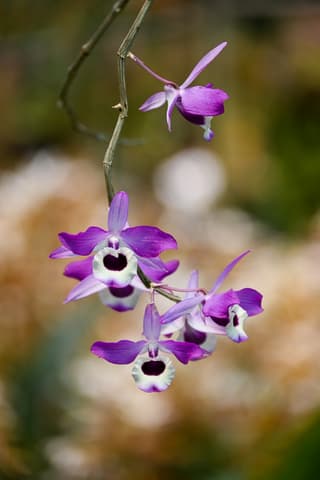
Dendrobium Orchid (genus)
354
★ 97%

Dendrobium Orchid (genus)

Dendrobium

Medium 💧 7 days 🌡️ 10°C - 35°C
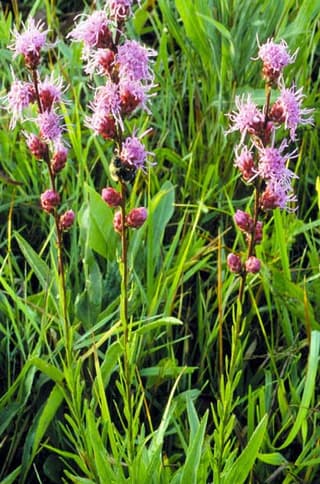
Rough Blazing Star
355
★ 97%

Rough Blazing Star

Liatris aspera

Easy 💧 10 days 🌡️ -35°C - 38°C
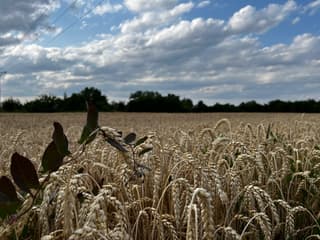
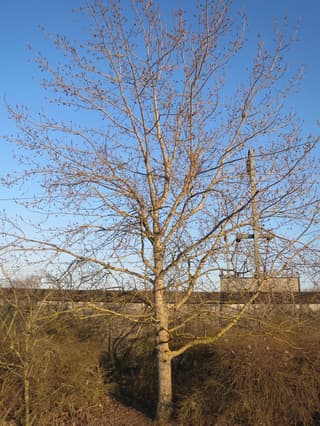
Poplar
356
★ 97%

Poplar

Populus

Easy 💧 7 days 🌡️ -40°C - 38°C
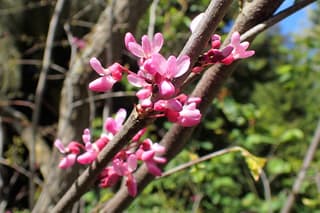
Chinese Redbud
357
★ 97%

Chinese Redbud

Cercis chinensis

Medium 💧 7 days 🌡️ -20°C - 35°C
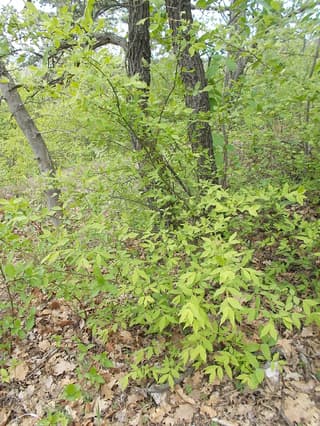
Common Dogwood
358
★ 97%

Common Dogwood

Cornus sanguinea

Easy 💧 7 days 🌡️ -20°C - 35°C
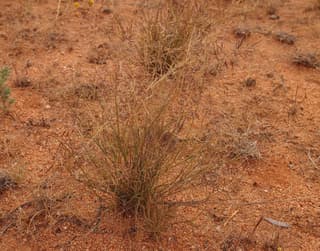
Little lovegrass
359
★ 97%

Little lovegrass

Eragrostis minor

Easy 💧 14 days 🌡️ 10°C - 35°C
Common Hazel
360
★ 97%

Common Hazel

Corylus avellana

Easy 💧 10 days 🌡️ -34°C - 38°C

Ideal Pet Safe for Orange's Climate

Orange has an average temperature of 17°C and humidity of 65%, conditions that directly influence which pet safe best adapt to the local environment.

How to Grow Pet Safe in Orange

To successfully grow pet safe in Orange, consider that the average temperature of 17°C and humidity of 65% create a specific microclimate. Moderate humidity is favorable for most species in this category.

Advantages of Choosing Adapted Pet Safe

Pet Safe adapted to Orange's climate show greater resistance, healthy growth, and less need for interventions.