306 Best Succulents for Parras | 2026 Guide - Page 2
The 306 best succulents to grow in Parras. Ideal climate: 20.6°C, 44.6% humidity.
306 Succulents for Parras
Showing 37-72 of 306

Twistspine Pricklypear
Opuntia macrorhiza

Giant Velvet Rose
Aeonium canariense
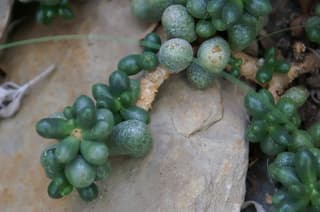
Jellybean Sedum
Sedum hernandezii

Powder Puff Cactus
Mammillaria bocasana
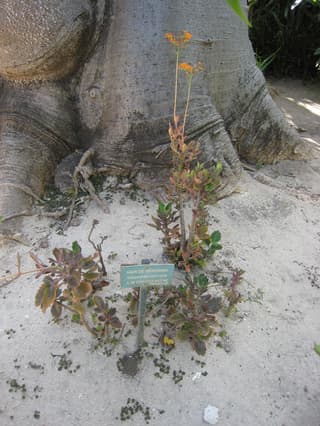
Christmas Tree Plant
Kalanchoe laciniata
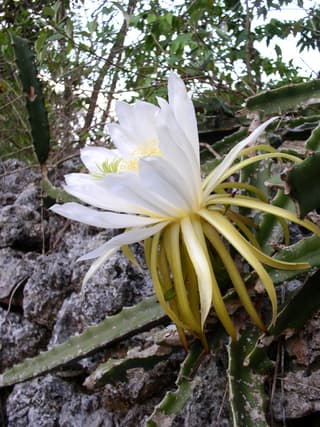
Strawberry Pear
Selenicereus triangularis
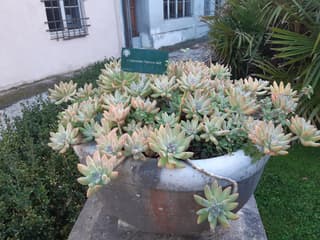
Pink Sedeveria
Graptosedum 'Francesco Baldi'
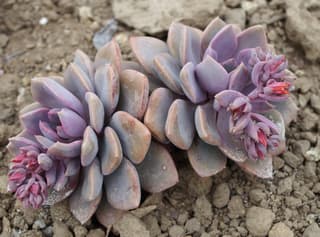
Graptoveria
× Graptoveria
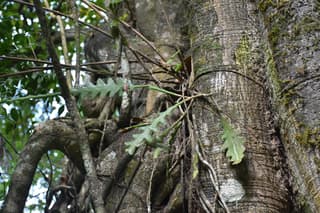
Fishbone Cactus
Disocactus anguliger
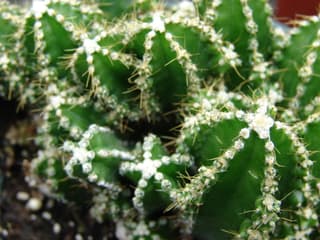
Giant Peruvian Cereus
Cereus peruvianus
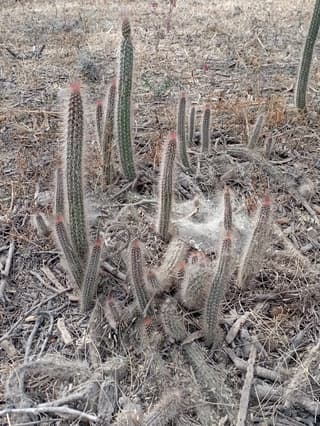
Snake Cactus, Junco, Queen of the Night
Nyctocereus serpentinus
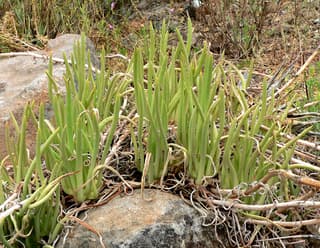
Fingertips
Dudleya edulis
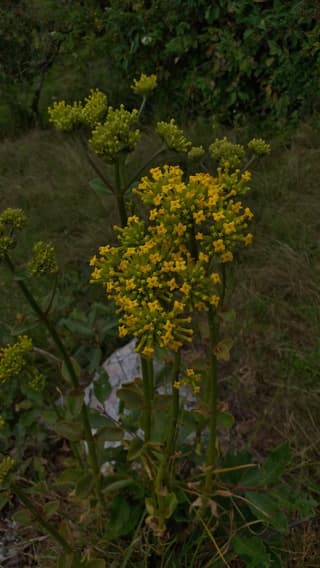
Dense-flowered Kalanchoe
Kalanchoe densiflora
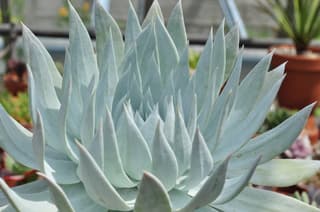
Liveforever
Dudleya
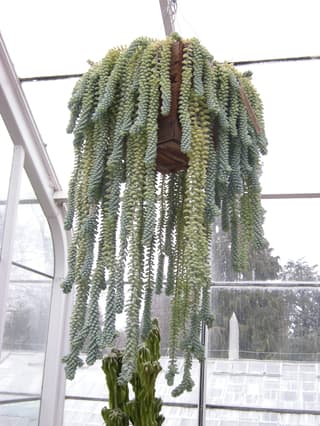
Baby Donkey Tail
Sedum burrito
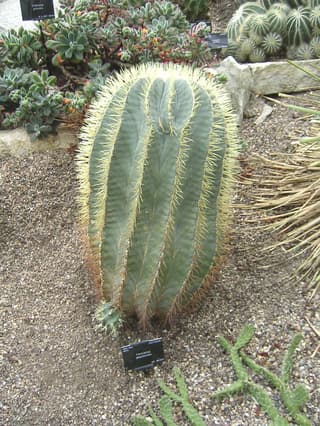
Blue Barrel Cactus
Ferocactus glaucescens
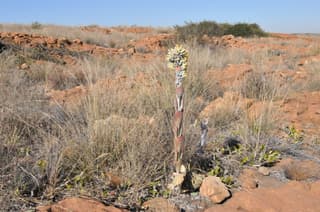
Paddle Plant
Kalanchoe thyrsiflora
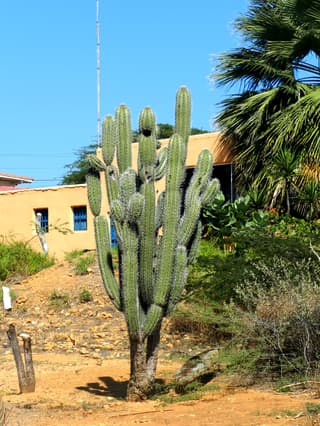
Peruvian Apple Cactus
Cereus repandus
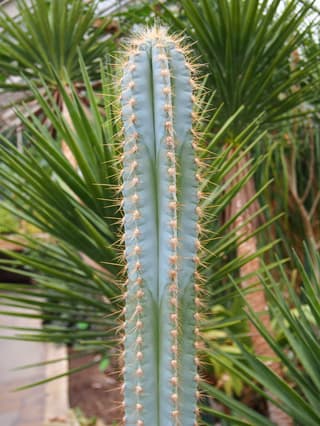
Blue Torch Cactus
Pilosocereus pachycladus
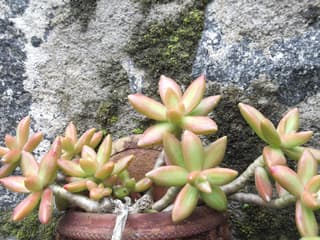
Golden Sedum
Sedum adolphii
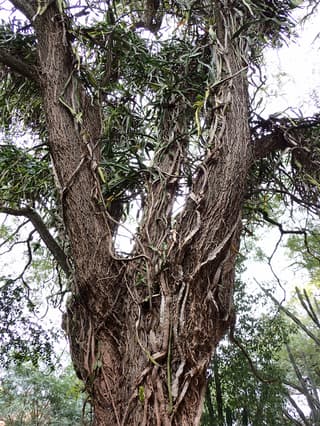
Dragon Fruit
Selenicereus undatus
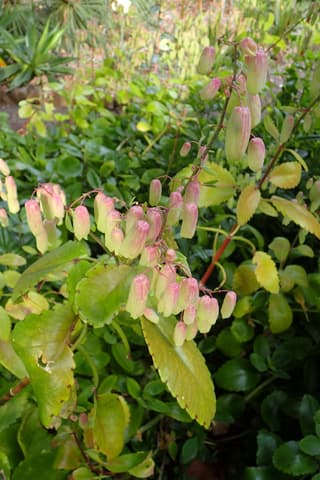
Cathedral Bells
Kalanchoe pinnata
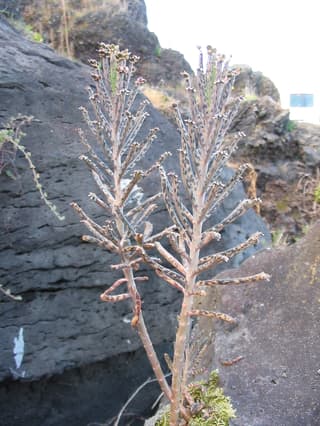
Mother of Millions
Kalanchoe delagoensis
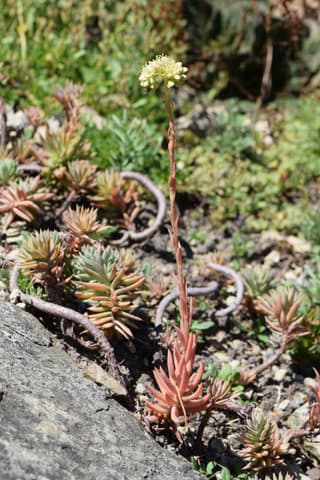
Pale Stonecrop
Petrosedum sediforme
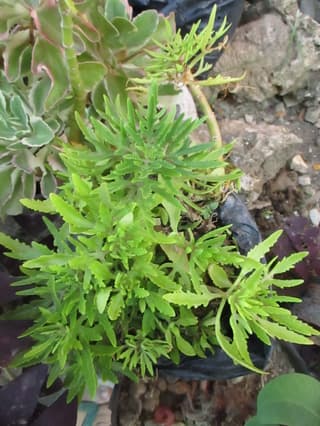
Horned-leaf Kalanchoe
Kalanchoe ceratophylla

Black Echeveria
Echeveria affinis
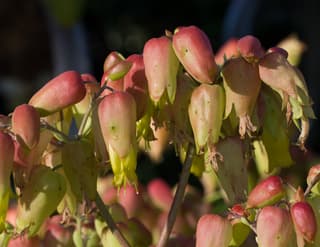
Milky Widow's Thrill
Kalanchoe laxiflora
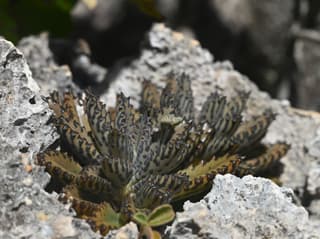
Mother of Millions Hybrid
Kalanchoe × houghtonii
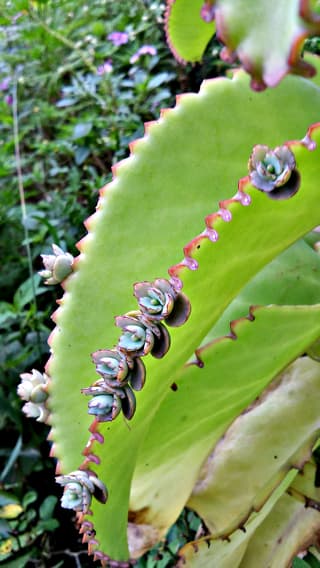
Big Mama Kalanchoe
Kalanchoe laetivirens
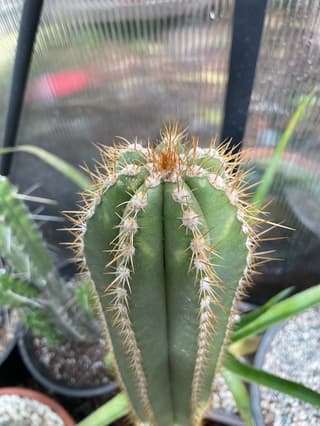
Pilosocereus (genus)
Pilosocereus
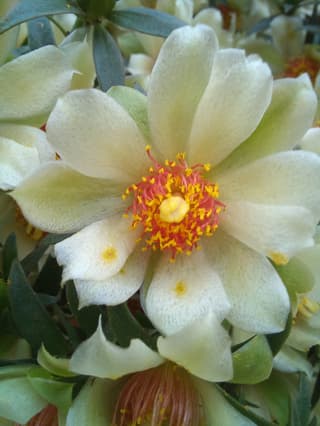
Ora-pro-nobis
Pereskia aculeata
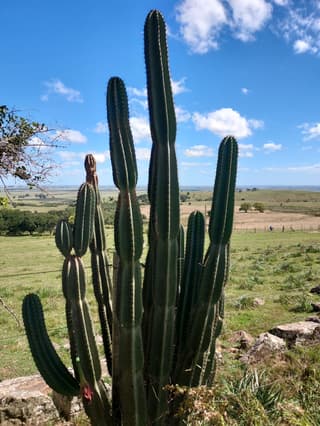
Cereus / Hedge Cactus (genus)
Cereus
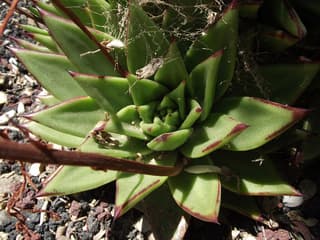
Lipstick Echeveria
Echeveria agavoides
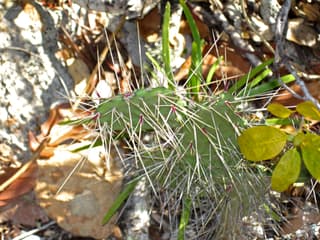
Sweet Prickly Pear
Opuntia dillenii
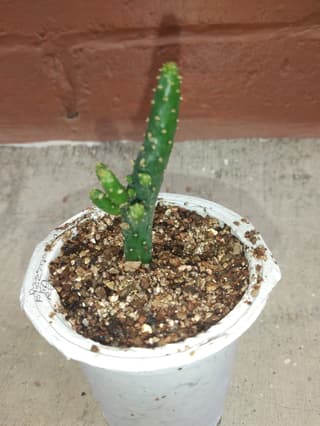
Tuna Prickly Pear
Opuntia tuna
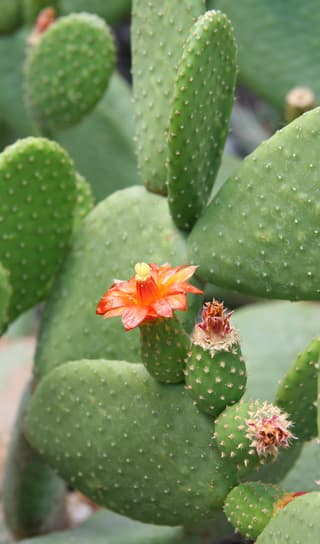
Pink Toad Cactus
Tacinga
Ideal Succulents for Parras's Climate
Parras has an average temperature of 20.6°C and humidity of 44.6%, conditions that directly influence which succulents best adapt to the local environment.
How to Grow Succulents in Parras
To successfully grow succulents in Parras, consider that the average temperature of 20.6°C and humidity of 44.6% create a specific microclimate. Lower humidity requires more frequent watering and use of drip trays.
Advantages of Choosing Adapted Succulents
Succulents adapted to Parras's climate show greater resistance, healthy growth, and less need for interventions.