500 Best Plants for Saint-Dié-des-Vosges | 2026 Guide - Page 12
Discover the 500 ideal plants for Saint-Dié-des-Vosges's climate. Average temp: 11.3°C, Humidity: 74.9%.
Top 500 Plants for Saint-Dié-des-Vosges
Showing 397-432 of 500
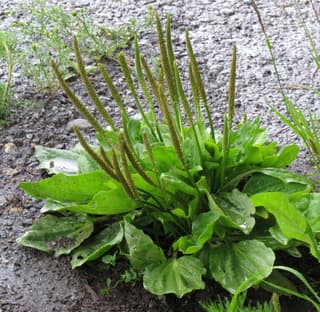
Broadleaf Plantain
Plantago major
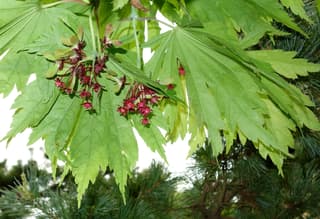
Fullmoon Maple
Acer japonicum
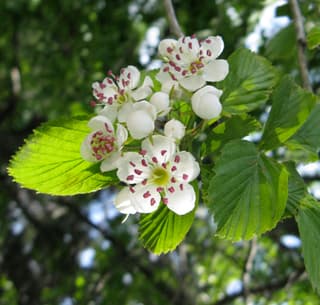
Dotted Hawthorn
Crataegus punctata
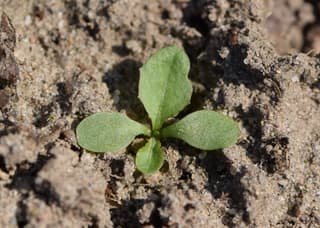
Autumn Hawkbit
Scorzoneroides autumnalis
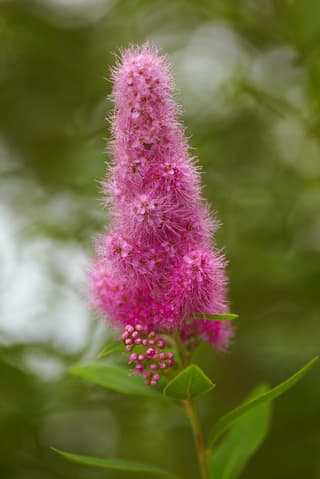
Billard Spiraea
Spiraea billardii
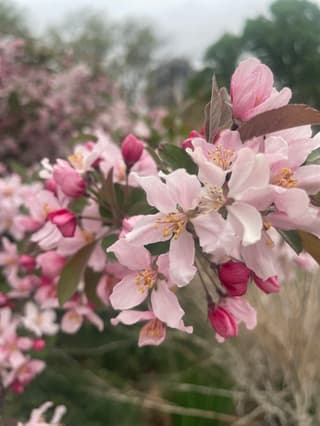
Japanese Flowering Crabapple
Malus × floribunda
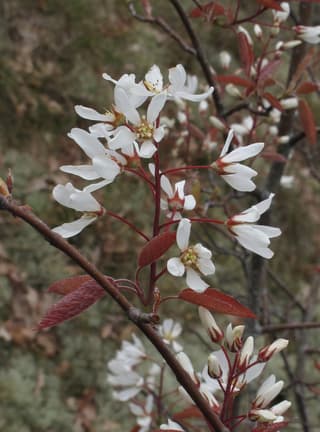
Serviceberry
Amelanchier
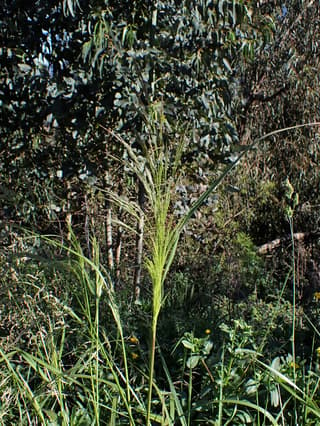
Johnson grass
Sorghum halepense
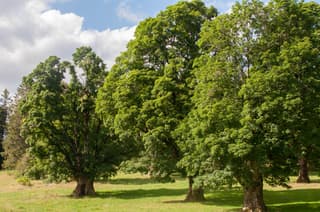
Sycamore Maple
Acer pseudoplatanus
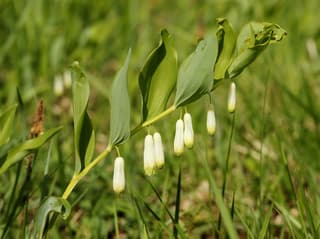
Fragrant Solomon's Seal
Polygonatum odoratum
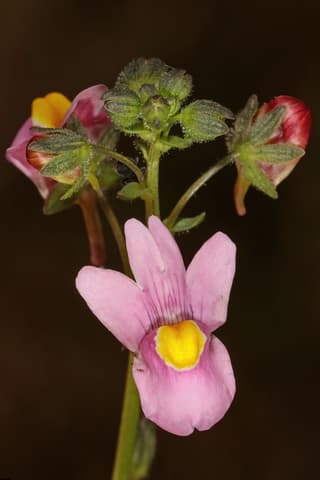
Mauve Nemesia
Nemesia fruticans
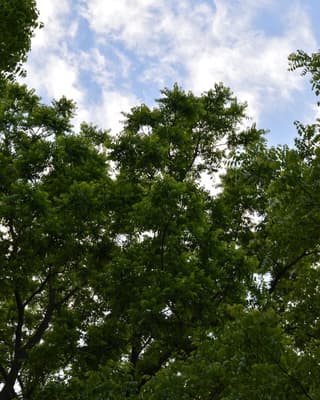
Eastern Black Walnut
Juglans nigra

Common Water-plantain
Alisma plantago-aquatica
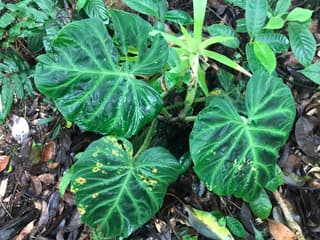
Ecuador Philodendron
Philodendron verrucosum
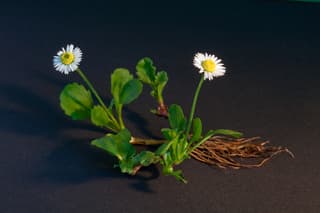
English Daisy
Bellis perennis
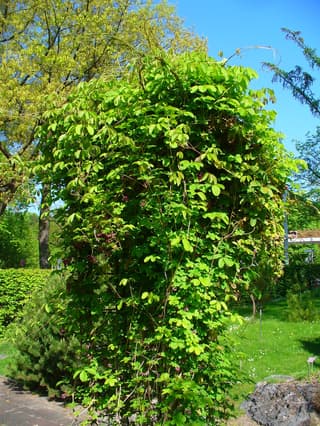
Chocolate Vine
Akebia quinata
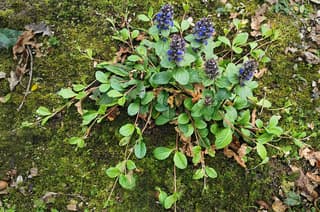
Bugleweed
Ajuga
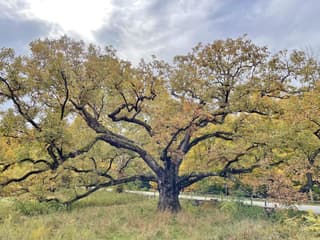
White Oak
Quercus alba
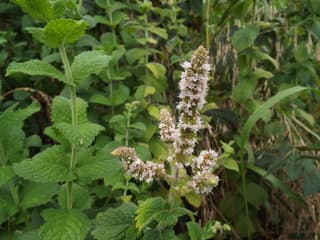
Apple Mint
Mentha × rotundifolia
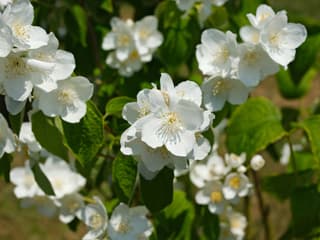
Scentless Mock Orange
Philadelphus inodorus
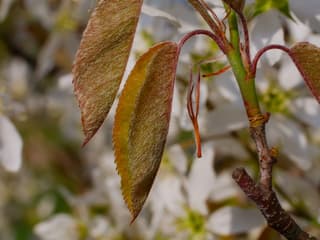
Juneberry
Amelanchier × lamarckii
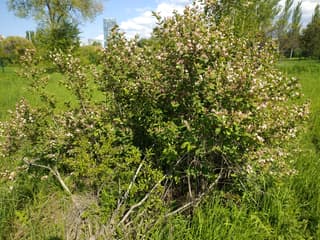
Tatarian Honeysuckle
Lonicera tatarica
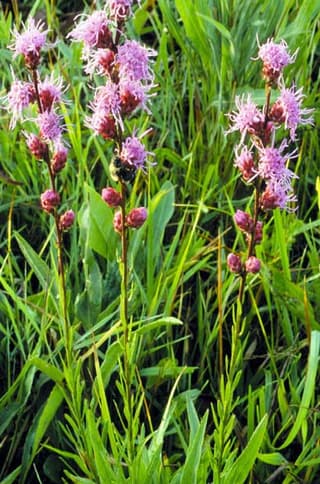
Rough Blazing Star
Liatris aspera
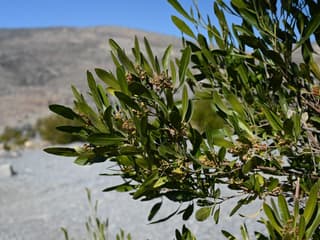
Hop bush
Dodonaea viscosa

Red Bartsia
Odontites vernus
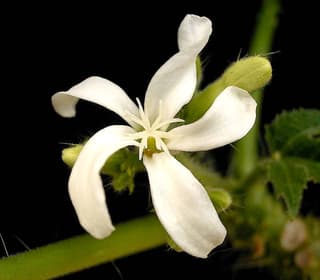
Bull Nettle
Cnidoscolus
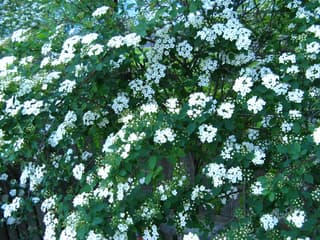
Vanhoutte Spirea
Spiraea × vanhouttei
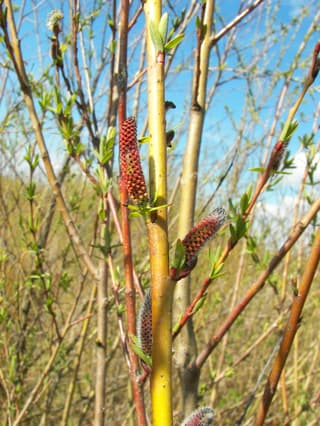
Purple Willow
Salix purpurea
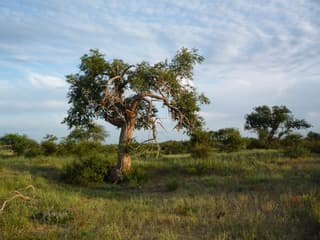
Siberian Elm
Ulmus pumila
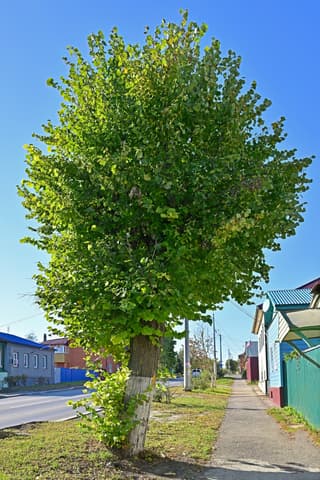
Little-leaf Linden
Tilia cordata
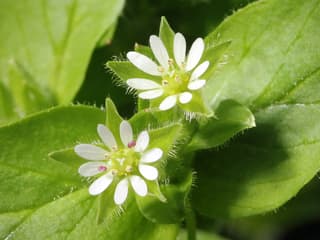
Chickweed
Stellaria media
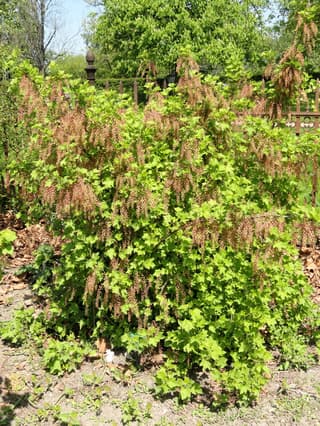
Downy Currant
Ribes spicatum
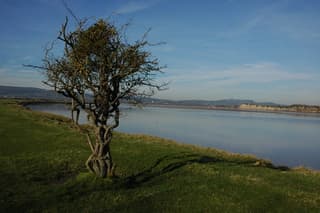
Hawthorn
Crataegus
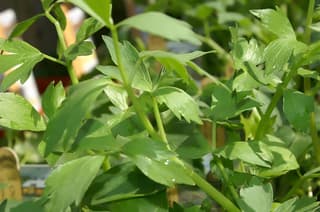
Lovage
Levisticum officinale
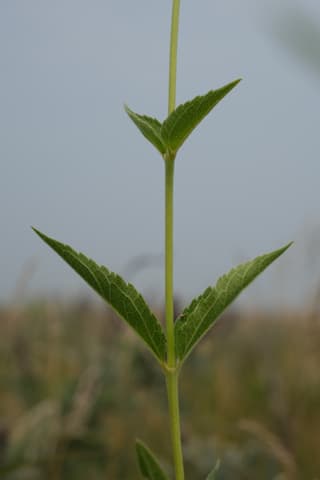
False Sunflower
Heliopsis helianthoides
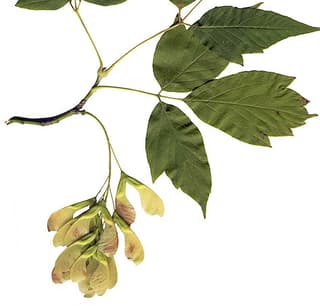
Boxelder
Acer negundo
Saint-Dié-des-Vosges Climate for Plant Growing
Saint-Dié-des-Vosges has a climate with an average annual temperature of 11.3°C and average relative humidity of 74.9%. These climate conditions are ideal for various species of ornamental and fruit plants.
Tips for Growing Plants in Saint-Dié-des-Vosges
To succeed in growing plants in Saint-Dié-des-Vosges, consider the average temperature of 11.3°C when choosing your species. Protect cold-sensitive plants during winter. High humidity favors tropical plants, but watch for fungal issues.
Why Choose Plants Adapted to the Local Climate?
Plants adapted to Saint-Dié-des-Vosges's climate require less care, consume less water, and are more likely to thrive. Our selection considers the compatibility between each species' needs and local climate conditions, including temperature (11.3°C) and humidity (74.9%).