1133 Medium Easy Care | 2026 Guide - Page 32
Find 1133 medium easy care. Complete guide for your garden.
1133 Easy Care with medium level
Showing 1117-1133 of 1133
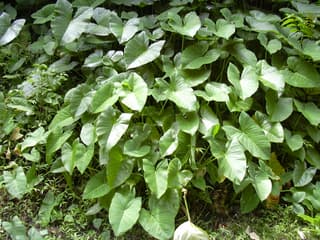
Giant Elephant Ear
Xanthosoma robustum
The giant elephant ear (Xanthosoma robustum) is a tropical aroid native to Mexico and Central America, prized for its massive shield-shaped leaves in deep emerald green with striking white veining. It can reach up to 3.6 m tall under ideal conditions, forming an imposing clump in tropical gardens or large containers.
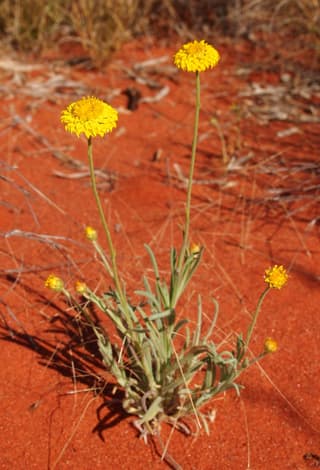
Strawflower
Xerochrysum bracteatum
Xerochrysum bracteatum, commonly known as the Strawflower or Everlasting Daisy, is a cheerful Australian native wildflower celebrated for its papery, long-lasting blooms in shades of yellow, orange, pink, red, and white. Its flowers retain their shape and color for years when dried, making it a favorite for everlasting floral arrangements. A drought-tolerant, sun-loving plant, it thrives in garden borders and containers with minimal care.
Red-cracking Bolete
Xerocomellus chrysenteron
Xerocomellus chrysenteron, commonly known as the red-cracking bolete, is a common edible mushroom characterized by its velvety, brown cap that cracks at maturity to reveal a reddish subcutaneous layer. The pores are yellow, turning greenish-blue when bruised, and the stem is often tinted with ruby red.

Tallow wood
Ximenia americana
Ximenia americana, known as tallow wood, hog plum, or sea lemon, is a semi-parasitic (hemiparasitic) shrub or small tree in the Olacaceae family, found in tropical regions of the Americas, Africa, and Asia. Its roots connect to those of host plants to obtain water and supplemental nutrients. It features thorny branches, bright green oval leaves, small, white, fragrant flowers, and an ovoid yellow or orange fruit with juicy, acidic, edible pulp. It is highly valued for its extraordinary resistance to drought and heat, making it ideal for arid climates and poor soils. Note: the seeds and leaves contain cyanogenic compounds and should not be consumed raw.

Caribbean Swordlily
Xiphidium caeruleum
A rhizomatous perennial herb from the Haemodoraceae family, native to tropical forests ranging from southern Mexico and the Caribbean to central Brazil and Bolivia. It forms compact clumps of linear, bright light-green leaves arranged in a fan shape, reaching heights of 1 foot to 3 feet. In spring and summer, it produces delicate panicles of tubular white flowers that hang downward, followed by fruits that ripen from green to orange, red, and finally black. It is cultivated as an ornamental plant in shaded gardens, borders, and containers, and has traditional uses in folk medicine as a diuretic and anti-inflammatory.
stag's horn
Xylaria
Xylaria, commonly known as the Stag's Horn fungus or Candle-snuff fungus, is a genus of ascomycete fungi. It is characterized by its tough, carbonaceous, and upright fruiting bodies that often branch like antlers. Initially, the tips are covered in white asexual spores (conidia), giving them a 'snuffed candle' appearance, before turning entirely black as they mature and produce sexual spores.
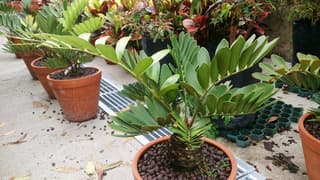
Coontie
Zamia
Zamia is a genus of roughly 80 cycad species native to the tropics and subtropics of the Americas, from the southeastern United States to South America. Despite its palm-like rosette of stiff, feathery fronds, Zamia is not a palm or fern but an ancient gymnosperm - a living relative of plants that predate the dinosaurs. It grows from a partly underground caudex (stem) and produces cone-like reproductive structures instead of flowers.
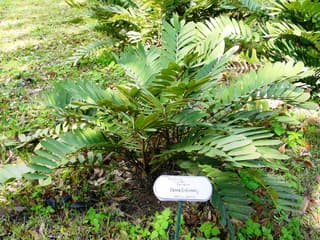
Cardboard Palm
Zamia furfuracea
Zamia furfuracea, commonly known as the Cardboard Palm, is not a true palm but a cycad native to the coastal region of Veracruz, Mexico. One of the most ancient plant lineages on Earth, cycads have existed for over 200 million years. Its stiff, leathery, dark-green fronds radiate from a central trunk, creating a striking architectural appearance highly prized in ornamental gardening worldwide.
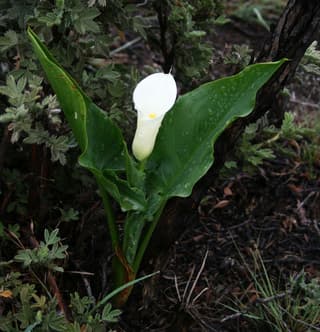
Spotted Calla Lily
Zantedeschia albomaculata
Zantedeschia albomaculata, commonly known as the Spotted Calla Lily, is a tuberous perennial native to Southern Africa (South Africa, Zimbabwe, and Tanzania). It features distinctive white-spotted dark green leaves and elegant pale spathes with a characteristic maroon throat. Belonging to the family Araceae, this ornamental plant goes dormant in winter and re-emerges with striking foliage in spring.
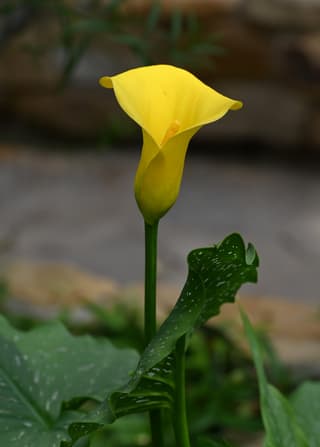
Golden Arum Lily
Zantedeschia elliottiana
The Golden Arum Lily (Zantedeschia elliottiana) is a herbaceous perennial native to South Africa, prized for its stunning golden-yellow spathes that emerge amid green leaves spotted with white translucent markings. It is one of the most elegant colored varieties in the Zantedeschia genus, widely used in floral arrangements and ornamental gardens. WARNING: All parts of the plant are toxic to humans, cats, and dogs due to calcium oxalate crystals.
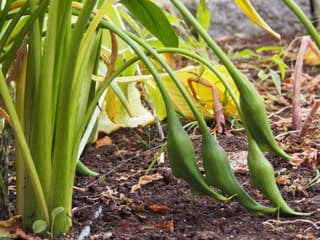
Pink Calla Lily
Zantedeschia rehmannii
Zantedeschia rehmannii, the Pink Calla Lily, is a rhizomatous perennial native to the coastal provinces of South Africa, belonging to the Araceae family. It produces graceful funnel-shaped spathes in shades of pink, lilac, and white with a yellow spadix. Popular as an ornamental houseplant and garden specimen. WARNING: contains insoluble calcium oxalate crystals — toxic to cats, dogs, and humans.
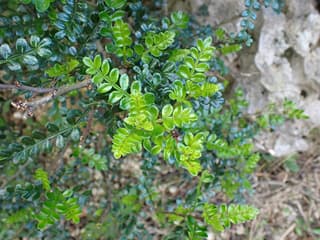
Chinese pepper tree
Zanthoxylum beecheyanum
Zanthoxylum beecheyanum, commonly known as the Chinese Pepper or Tiny-leaf Sichuan Pepper, is a slow-growing evergreen shrub native to East Asia. It is highly prized in the bonsai community for its naturally small, glossy pinnate leaves and compact growth habit. The plant features small thorns along its branches and produces aromatic foliage that emits a citrusy scent when crushed. In maturity, it may produce tiny greenish flowers followed by small reddish-brown peppercorns.
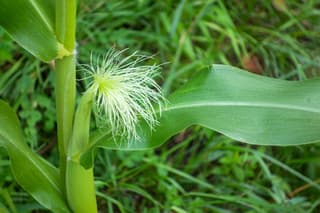
Corn / Maize
Zea
Zea is a genus of tall annual grasses in the Poaceae family, best known through its widely cultivated species Zea mays (corn or maize), a staple cereal crop grown worldwide for its starchy kernels.
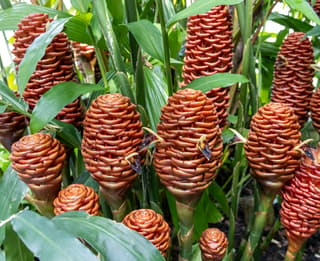
Ginger
Zingiber
Zingiber is the botanical genus of true ginger, in the family Zingiberaceae, native to tropical Asia. It comprises dozens of rhizomatous perennial herb species, cultivated for millennia for their aromatic, edible, and medicinal rhizomes. Plants form clumps of narrow, linear leaves rising from a fleshy underground rhizome, and produce cone-shaped flower spikes on separate stalks. This is a general genus-level profile representative of typical species such as Zingiber officinale (culinary ginger).
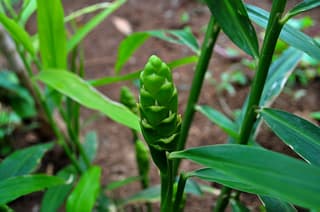
Ginger
Zingiber officinale
Ginger (Zingiber officinale) is a tropical rhizomatous herb in the family Zingiberaceae, cultivated for thousands of years for its aromatic, pungent rhizome used in cooking and traditional medicine.
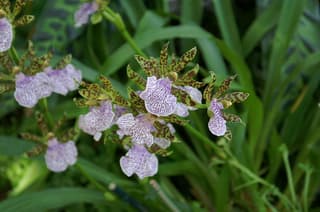
Zygopetalum Orchid (genus)
Zygopetalum
Zygopetalum is a genus of fragrant orchids native to South America, particularly Brazil. Known for their striking flowers in shades of burgundy, green, and violet with intricately patterned lips, they are among the few terrestrial orchids that thrive indoors.
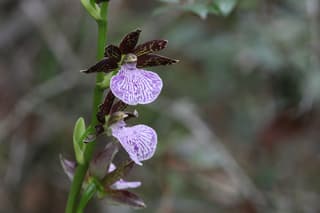
Spotted Zygopetalum
Zygopetalum maculatum
Zygopetalum maculatum is a fascinating Brazilian orchid, known for its contrasting flower colors and an intense fragrance reminiscent of hyacinth or pepper. It features oval pseudobulbs from which long, lanceolate leaves emerge. Its flowers display green petals and sepals with deep brown spots, highlighting a white lip with vibrant violet veins.
Medium Care Easy Care
Our selection of 1133 medium easy care combines the characteristics of this category with moderate care needs. Ideal for those with basic experience.
Why Choose Medium Easy Care?
Combining the beauty of easy care with medium difficulty level lets you enjoy this category with a balanced care commitment. Each plant was selected to offer the best characteristics of the category at the care level you are looking for.