Complete Plant Guide
Explore plants by difficulty, season and more. Find the perfect plant for you.
Difficulty
Categories
Plants by City
🗺️ Plants by City3454 plants found
Showing 649-684 of 3454
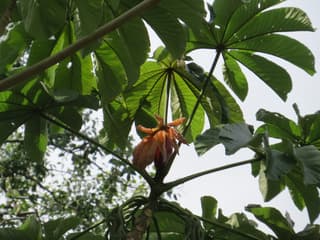
Glaziou's Cecropia
Cecropia glaziovii
Cecropia glaziovii, commonly known as Glaziou's Cecropia or Red Embauba, is a fast-growing pioneer tree native to the Brazilian Atlantic Forest. It is characterized by large lobed leaves that are green on top and silvery-white below, and reddish new growth that gives it its Portuguese common name. It can reach up to 16 meters in height within a decade, making it one of the fastest-growing trees in the Atlantic Forest.

Trumpet Tree
Cecropia pachystachya
The trumpet tree (Cecropia pachystachya) is a fast-growing pioneer tree native to South America, belonging to the Urticaceae family. Known for its umbrella-shaped canopy, it reaches 6 to 15 meters in height. Its large, deeply lobed leaves are dark green above and silvery below, giving the tree a distinctive two-toned look. The hollow, jointed stem is inhabited by Azteca ants in a classic mutualistic relationship: the tree provides shelter and Mullerian food bodies, while the ants defend it against herbivores and smothering vines. It rapidly colonizes forest gaps, edges, and disturbed land, making it a key species in ecological restoration, and its leaves have a long history of use in traditional herbal medicine.
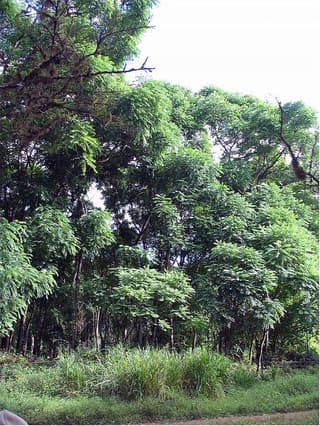
Spanish Cedar
Cedrela odorata
Spanish Cedar (Cedrela odorata) is a majestic tropical tree in the Meliaceae family, native to the Neotropics from Mexico through Central America and the Caribbean to Argentina. Its aromatic heartwood is naturally termite- and rot-resistant, making it one of the most prized timbers in Latin America. The tree is also valued for reforestation, agroforestry, and traditional medicine.
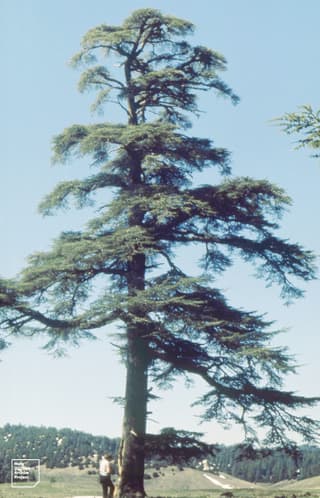
Atlas cedar
Cedrus atlantica
The Atlas cedar (Cedrus atlantica) is a large, evergreen coniferous tree belonging to the pine family (Pinaceae), native to the Atlas Mountains of North Africa and the Rif Mountains, as well as the Tell Atlas region of Algeria. In its youth, it develops a regular conical crown, but as it matures, it flattens out with spreading, horizontal, or drooping branches. Its grayish-green, short needles sit in clusters on short shoots and are scattered on long shoots, while its upright, barrel-shaped cones turn from greenish-blue to a shiny brown over 2-3 years. In its native habitat, it can grow up to 30-40 meters tall, making it one of the largest coniferous species.
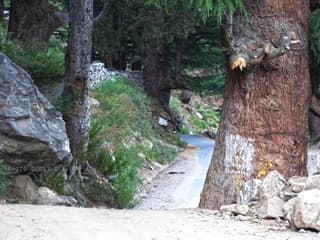
Deodar Cedar
Cedrus deodara
The deodar cedar (Cedrus deodara) is a large evergreen conifer native to the western Himalayas, from Afghanistan to India and Nepal, where it grows at elevations of 1,500-3,200 m. A true cedar in the Pinaceae family, it forms a broad, pyramidal crown with graceful, drooping branch tips and soft, blue-green to silvery needles arranged in dense whorls. Mature landscape trees typically reach 12-15 m tall with a wide spread, and can live for centuries. Revered in the Himalayas as "Devadaru" - Sanskrit for "wood of the gods" - it is prized both as a stately ornamental tree and, historically, for its rot-resistant, fragrant timber.
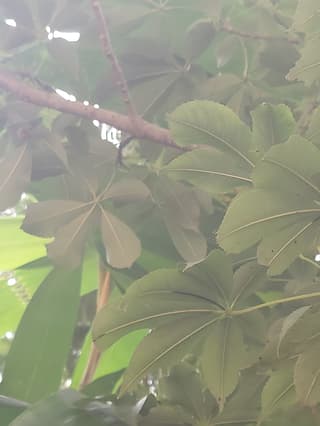
Kapok Tree
Ceiba pentandra
The Kapok Tree (Ceiba pentandra) is one of the tallest trees in the Amazon rainforest, capable of exceeding 60 meters in height and living for more than 300 years. Known for its thorny trunk in youth and the massive buttress roots that anchor its umbrella-shaped crown above the forest canopy, it is revered as the "Queen of the Forest" and holds a central place in the cosmology of many Amazonian peoples, as well as in Maya mythology, where it was regarded as the sacred World Tree (Yax Che) connecting the underworld, earth, and sky. Its cream-to-pink flowers open at night when the tree is leafless, attracting bat pollinators, and its seed pods release the soft, buoyant fiber known as kapok, historically used to stuff mattresses, pillows, and life jackets.
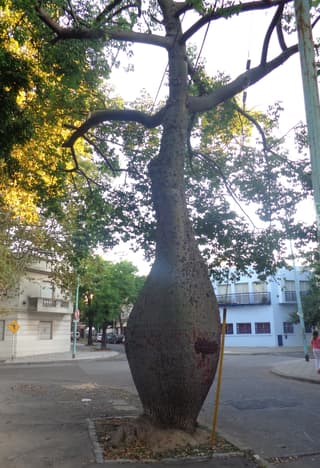
Silk Floss Tree
Ceiba speciosa
The Silk Floss Tree (Ceiba speciosa) is a majestic deciduous tree native to South America, celebrated for its bottle-shaped green trunk covered in conical spines, stunning pink flowers, and seed pods filled with silky kapok fiber. Widely planted as an ornamental in parks, avenues, and public gardens across Brazil, Argentina, and beyond.
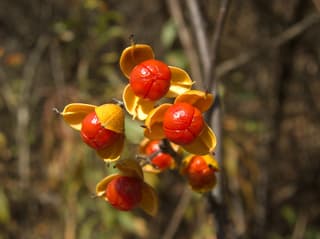
Oriental Bittersweet
Celastrus orbiculatus
Celastrus orbiculatus, commonly known as Oriental bittersweet or Asian bittersweet, is a deciduous woody vine native to East Asia. It grows vigorously, reaching up to 60 feet in length, twining around and girdling native trees with its spiraling stems. Its ornamental yellow-orange capsules with bright red seeds are highly attractive in autumn but are toxic to humans, dogs, and cats. It is considered a highly invasive species in North America and other regions outside its native range.
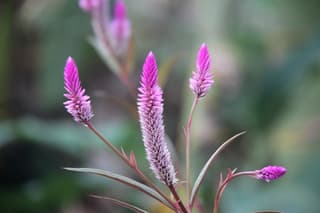
Cockscomb
Celosia
Celosia is a genus of tropical annual and perennial plants in the Amaranthaceae family, renowned for their striking inflorescences shaped like cockscomb crests, feathery plumes, or wheat-like spikes. Native to tropical Africa, Asia, and the Americas, it is widely grown as an ornamental plant in gardens, borders, and containers.

Cockscomb
Celosia argentea
Cockscomb (Celosia argentea) is a tropical ornamental plant native to tropical Africa and Asia, celebrated for its striking inflorescences in shades of red, orange, gold, pink, purple, and cream. Belonging to the Amaranthaceae family, it comes in three main forms: cristata (sculptural crested), plumosa (velvety feathery plumes), and spicata (elegant conical spikes). It is grown as an annual in temperate climates and as a short-lived perennial in tropical regions. Beyond its ornamental value, its young leaves are edible with a flavor similar to spinach.
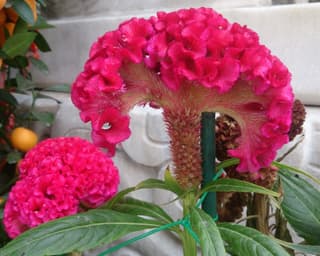
Celosia
Celosia argentea var. cristata
Celosia argentea var. cristata (cockscomb) is an annual or short-lived perennial ornamental plant belonging to the Amaranthaceae family, believed to originate from India, tropical Asia, and Africa. Its distinctive, velvety, wavy inflorescence, resembling a rooster's comb or a brain, can bloom in shades of red, yellow, orange, pink, and burgundy. In traditional gardens of India, Burma, and China, it was cultivated as a sacred plant near temples, which contributed to its survival. The plant grows 30-60 cm tall, develops quickly, and its flowers retain their shape and color for a long time, even when dried.
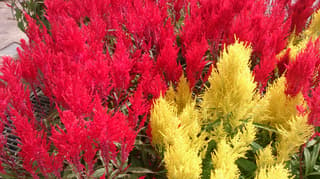
Plumed Cockscomb
Celosia argentea var. plumosa
Celosia argentea var. plumosa, commonly known as Plumed Celosia, is a vibrant annual plant distinguished by its plume- or flame-shaped inflorescences. Its intense colors and velvety texture make it a favorite for summer gardens and borders. Although primarily treated as an ornamental, it is a hardy plant that blooms abundantly in full sun.
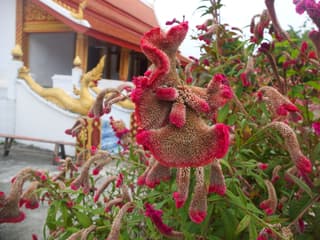
Crested Cockscomb
Celosia cristata
Celosia cristata, commonly known as Crested Cockscomb, is a tropical annual ornamental plant celebrated for its unique velvety, brain-like crested flower heads. Available in vivid shades of red, pink, orange, yellow, and purple, it brings bold color to gardens, borders, and containers.
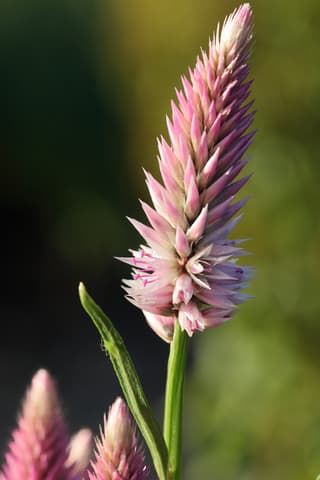
Wheat Celosia
Celosia spicata
Celosia spicata, commonly known as Wheat Celosia, is a tropical annual native to Asia and Africa. Its slender, wheat-like flower spikes in shades of pink, purple, and red — often developing a beautiful metallic silver sheen — make it one of the most distinctive ornamental flowers for gardens and cut flower arrangements.
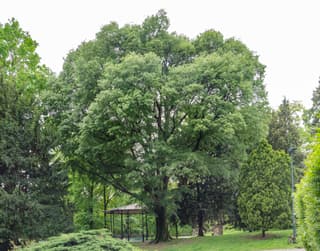
European Nettle Tree
Celtis australis
The European nettle tree (Celtis australis) is a large, long-lived deciduous shade tree native to southern Europe, North Africa, and western Asia. Prized for its elegant vase-shaped canopy, rough gray bark, and serrated dark-green leaves, it thrives in Mediterranean climates and tolerates heat, drought, wind, and urban pollution once established. Small greenish flowers appear in spring, followed by pea-sized drupes that ripen from orange to dark purple-black in autumn and are edible, with a sweet date-like flavor. The species is a classic street and park tree across southern Europe.
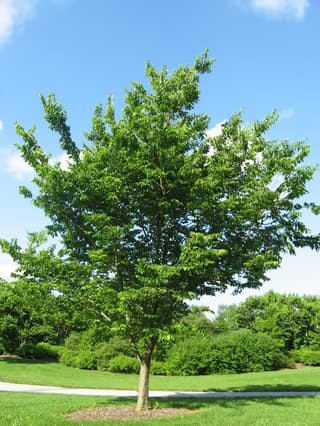
Common hackberry
Celtis occidentalis
Celtis occidentalis is a tough, medium-to-large deciduous tree native to central and eastern North America, reaching 12-18 m. It is prized as a resilient urban and shade tree, with distinctive warty, corky gray bark, arching branches and small edible purple drupes relished by birds.
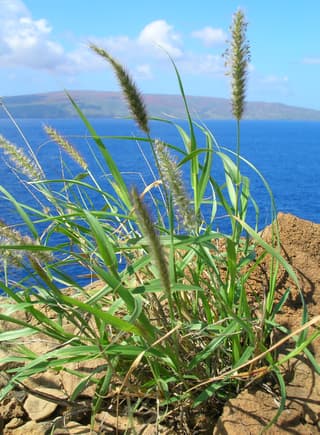
Sandbur
Cenchrus
Cenchrus is a genus of grasses in the family Poaceae, commonly known as sandbur, buffelgrass, or fountaingrass. It includes ornamental species such as crimson fountaingrass (Cenchrus setaceus) and forage grasses such as buffelgrass (Cenchrus ciliaris), widely used in pastures across arid and semi-arid regions. The genus is characterized by dense clumps of fine foliage, plume-like inflorescences, and bur-like seed heads with spines that cling to fur and clothing for dispersal.
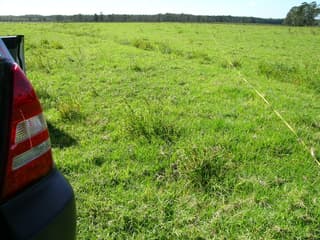
Kikuyu Grass
Cenchrus clandestinus
Kikuyu Grass (Cenchrus clandestinus) is a vigorous, fast-growing perennial grass native to the highland regions of East Africa. It is widely used as a lawn, pasture, and ground cover grass in tropical, subtropical, and warm temperate climates worldwide, including Australia, New Zealand, South Africa, and California. The plant spreads aggressively through an extensive network of rhizomes and stolons, forming dense, hard-wearing mats that recover quickly from mowing, grazing, and foot traffic. Its drought tolerance, adaptability to various soil types, and rapid establishment make it one of the most popular turf grasses globally.
Elephant Grass
Cenchrus purpureus
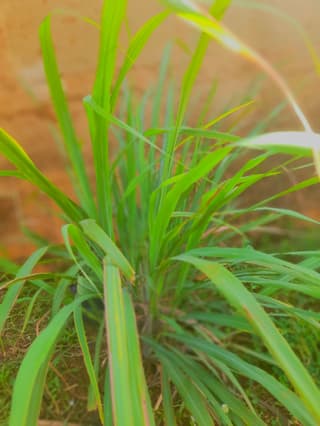
Elephant Grass (Cenchrus purpureus, formerly Pennisetum purpureum) is a giant perennial grass native to tropical Africa. One of the most productive grasses in the world, it can reach up to 7 meters in height, forming dense bamboo-like clumps. Widely cultivated as a forage crop, biomass source, and for erosion control across tropical and subtropical regions.
Knapweed / Cornflower
Centaurea
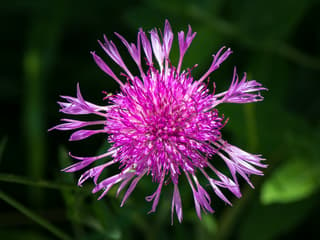
Centaurea is a large and diverse genus of over 700 herbaceous flowering plants in the family Asteraceae, native primarily to the Mediterranean basin, the Middle East, and broader Eurasia. The genus spans annuals, biennials, and perennials — from the beloved annual cornflower (C. cyanus) with its iconic blue blooms to robust perennial knapweeds that thrive in meadows and prairies. Flowers are characterized by a distinctive frilly outer ring of ray florets surrounding a dense central disc, appearing in shades of blue, purple, pink, white, yellow, and red. They are celebrated as excellent pollinator plants, attracting bees, butterflies, and hoverflies. Hardy, drought-tolerant, and low-maintenance, Centaurea species are widely grown in cottage gardens, wildflower meadows, and herbaceous borders.
Cornflower
Centaurea cyanus
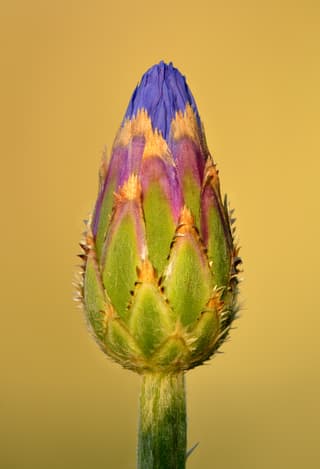
Centaurea cyanus, commonly known as the Cornflower or Bachelor's Button, is an iconic annual wildflower native to Europe. Famous for its vivid blue blooms, it has long been a staple of cottage gardens and wildflower meadows. Once a common sight in grain fields across Europe, it is Germany's de facto national flower, symbolizing resilience and unity. Its edible petals make it a popular garnish in culinary applications.
perennial cornflower
Centaurea montana
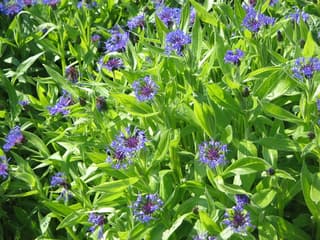
Centaurea montana, commonly known as Mountain Bluet or Perennial Cornflower, is a robust, clump-forming perennial. It features distinctive fringed, spider-like flower heads, most famously in a deep violet-blue, though cultivars exist in white and pink. Its lance-shaped leaves are covered in fine silvery hairs when young, giving the foliage a soft, grey-green appearance. It is highly valued in cottage gardens for its hardiness and ability to attract pollinators.
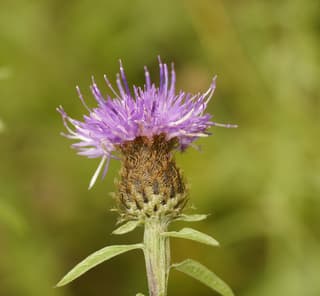
Common knapweed
Centaurea nigra
Common knapweed (Centaurea nigra) is a hardy herbaceous perennial wildflower native to Europe, prized for its thistle-like purple flowerheads and exceptional value to pollinators such as bees and butterflies. It grows upright to about 1 m tall, blooming from June to September in meadows, verges and wildlife gardens.
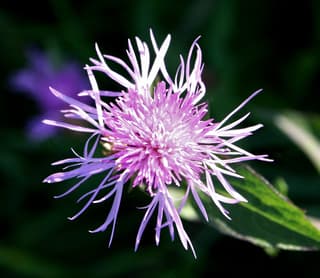
Tyrol Knapweed
Centaurea nigrescens
Centaurea nigrescens is a hardy perennial wildflower in the daisy family (Asteraceae), native to the mountain meadows of Central and Southeastern Europe. Its erect, branching stems bear thistle-like purplish-pink flower heads with distinctively dark, fringed bracts from summer into fall. Though prized in wildflower and pollinator gardens for its tough, low-maintenance nature, it has also naturalized widely outside its native range and is regulated as a noxious weed in parts of North America, so check local regulations before planting.
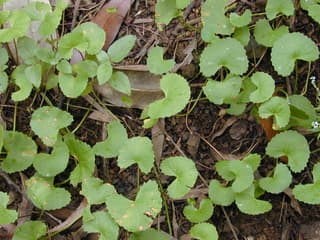
Gotu Kola
Centella asiatica
Gotu kola is a creeping perennial herb in the Apiaceae family, native to the wetlands of South and Southeast Asia. It produces long creeping stolons that root at the nodes, quickly covering moist soil. The leaves are kidney-shaped to coin-shaped with scalloped margins, and the plant bears tiny whitish to pinkish flowers in the summer. It is considered one of the most significant medicinal herbs in traditional Ayurvedic and Chinese medicine.
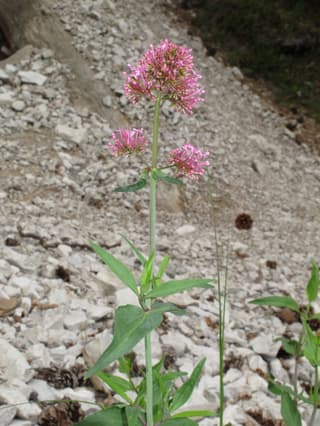
Red Valerian
Centranthus ruber
Red Valerian (Centranthus ruber) is a perennial plant from the Caprifoliaceae family, originally native to the Mediterranean region. With its vibrant red, pink, or white flower panicles and an upright, bushy growth habit reaching up to 90 cm in height, it is a true eye-catcher in any garden. The plant is extremely robust, drought-tolerant, and thrives particularly well in sunny, calcareous locations. Its long flowering period from spring to autumn, as well as its attractiveness to butterflies and bees, make it a valuable addition to any wildlife garden. Once established, it is nearly maintenance-free and overwinters effortlessly in temperate climates.
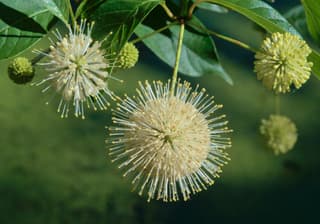
Buttonbush
Cephalanthus occidentalis
The Common Buttonbush (Cephalanthus occidentalis) is a deciduous wetland shrub native to eastern North America, where it naturally grows along lakeshores, marshes, and streams. From June to August, it produces distinctive, spherical flower heads composed of small, white to cream-colored, fragrant tubular flowers that resemble pincushions and attract butterflies, hummingbirds, and bees. The shrub typically reaches 5 to 8 feet in height and width, featuring glossy, dark green opposite leaves. Because it tolerates flooding and standing water, it is ideal for rain gardens, pond edges, and moist depressions.
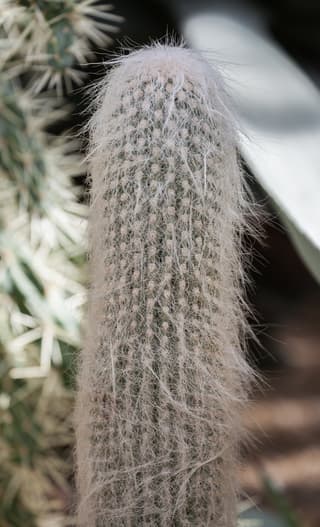
Old Man Cactus
Cephalocereus senilis
Cephalocereus senilis, the Old Man Cactus, is a slow-growing columnar cactus native to the mountains of northeastern Mexico. It is famous for the long, shaggy coat of white hair-like spines that cloaks its stem, shielding the plant from intense sun and cold. In the wild it can eventually tower many meters tall over a century or more, but as a container plant it stays a compact, sculptural, and remarkably low-maintenance houseplant.
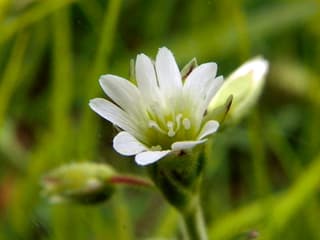
Common mouse-ear chickweed
Cerastium fontanum
Cerastium fontanum, commonly known as mouse-ear chickweed, is a low-growing, mat-forming perennial herb. It is easily identified by its small, hairy, oval leaves and tiny white flowers with five petals that are so deeply notched they appear as ten. It is a resilient species often found in lawns, meadows, and disturbed soils across temperate regions.
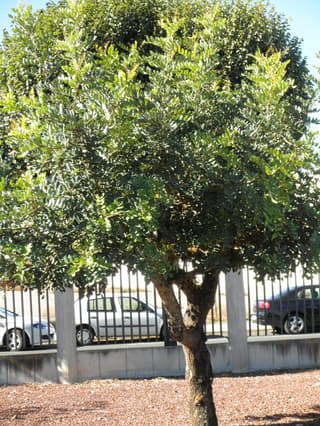
Carob Tree
Ceratonia siliqua
The carob tree (Ceratonia siliqua) is an evergreen Mediterranean tree in the legume family, prized for its sweet, edible seed pods used as a chocolate substitute. Extremely drought-tolerant and long-lived, it thrives in poor, rocky soils and can reach up to 15 m tall.
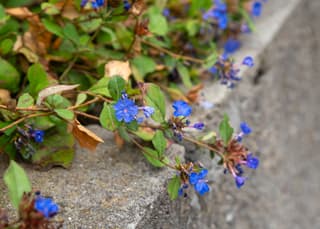
Hardy Plumbago
Ceratostigma plumbaginoides
Ceratostigma plumbaginoides, commonly known as hardy plumbago or dwarf plumbago, is a creeping herbaceous perennial native to China. It forms dense colonies 20 to 25 cm (8 to 10 inches) tall thanks to its creeping rhizomes, and produces a profusion of intense gentian-blue flowers in late summer that persist until the first frosts. Its glossy green foliage turns spectacular bronze-red hues in autumn, offering double ornamental interest. A particularly resilient plant, it tolerates drought once established and withstands cold winters (down to USDA zone 5a).
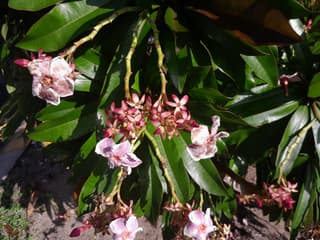
Suicide tree
Cerbera odollam
Cerbera odollam, also known as the suicide tree or pong-pong, is an evergreen tree in the Apocynaceae family, native to the coastal swamps and mangroves of southern India, Madagascar, and Southeast Asia. It can reach 10-12 meters in height, featuring glossy leaves and fragrant white flowers with a yellow center. The fruits, which turn from green to red as they ripen, contain a single extremely toxic seed rich in cardiac glycosides (cerberin), capable of stopping the heartbeat even in very small quantities: hence the tragic nickname by which it is known in India.
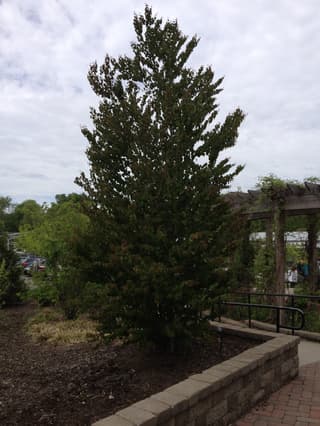
Katsura tree
Cercidiphyllum japonicum
Cercidiphyllum japonicum, known as the Katsura tree, is a deciduous tree native to Japan and China featuring characteristic heart-shaped leaves that emerge reddish and turn green throughout the summer. In autumn, the foliage shifts to shades of yellow, orange, and reddish-apricot, and as the leaves fall, they emit a sweet fragrance reminiscent of caramel, cinnamon, or cotton candy. The tree is medium to large, often multi-stemmed, with an elegant, rounded crown and grayish bark that flakes with age. It is fully hardy and frequently planted as an ornamental tree in gardens, parks, and avenues.

Eastern Redbud
Cercis canadensis
Cercis canadensis, commonly known as the Eastern Redbud, is a small to medium-sized deciduous tree native to eastern North America. It is celebrated for its spectacular early-spring display of rosy-pink, pea-like flowers that erupt in dense clusters along bare branches and even the trunk before the heart-shaped leaves emerge. Growing 20–30 feet tall and wide, it thrives as an understory tree and is one of the first trees to herald the arrival of spring.
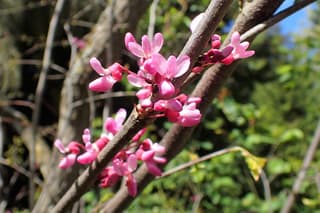
Chinese Redbud
Cercis chinensis
Cercis chinensis, commonly known as Chinese redbud, is a deciduous flowering shrub or small tree native to central China. Prized for its spectacular display of rosy-pink to magenta flowers that cover bare branches in early to mid-spring before the heart-shaped leaves emerge, it is a popular ornamental in gardens, courtyards, and as a specimen plant. Left unpruned it typically grows as a multi-stemmed shrub reaching 2-4.5 m tall, though it can be trained into a small single-trunk tree.
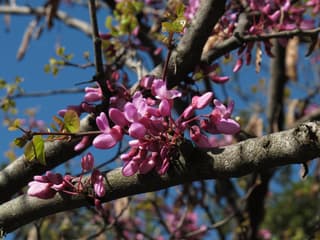
Judas tree
Cercis siliquastrum
The Judas tree (Cercis siliquastrum) is a deciduous ornamental tree native to the Mediterranean region and the Near East. Renowned for its spectacular spring bloom, it produces clusters of pink-purple flowers directly on its branches and trunk (cauliflory) before the heart-shaped leaves appear. It reaches 6 to 8 meters in height with a similar spread, and also features decorative purple seed pods in summer and golden foliage in autumn.
Find the Perfect Plant
Our plant guide helps you find ideal species for your experience level and time of year.
Browse by Difficulty, Season & More
Use the filters below to narrow this catalog by care difficulty, season, environment, or search directly by name. Each filter leads to a focused list tailored to your specific growing conditions.